




Pipe Cladding: Protecting Critical Infrastructure
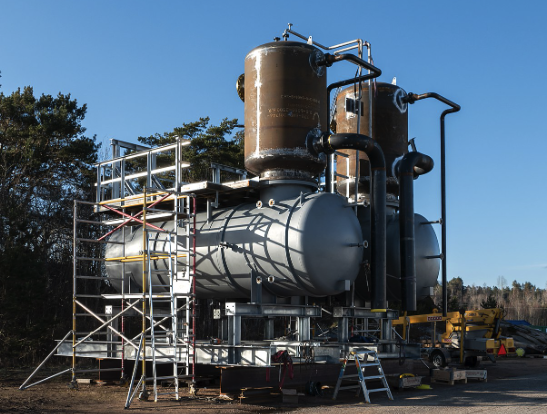
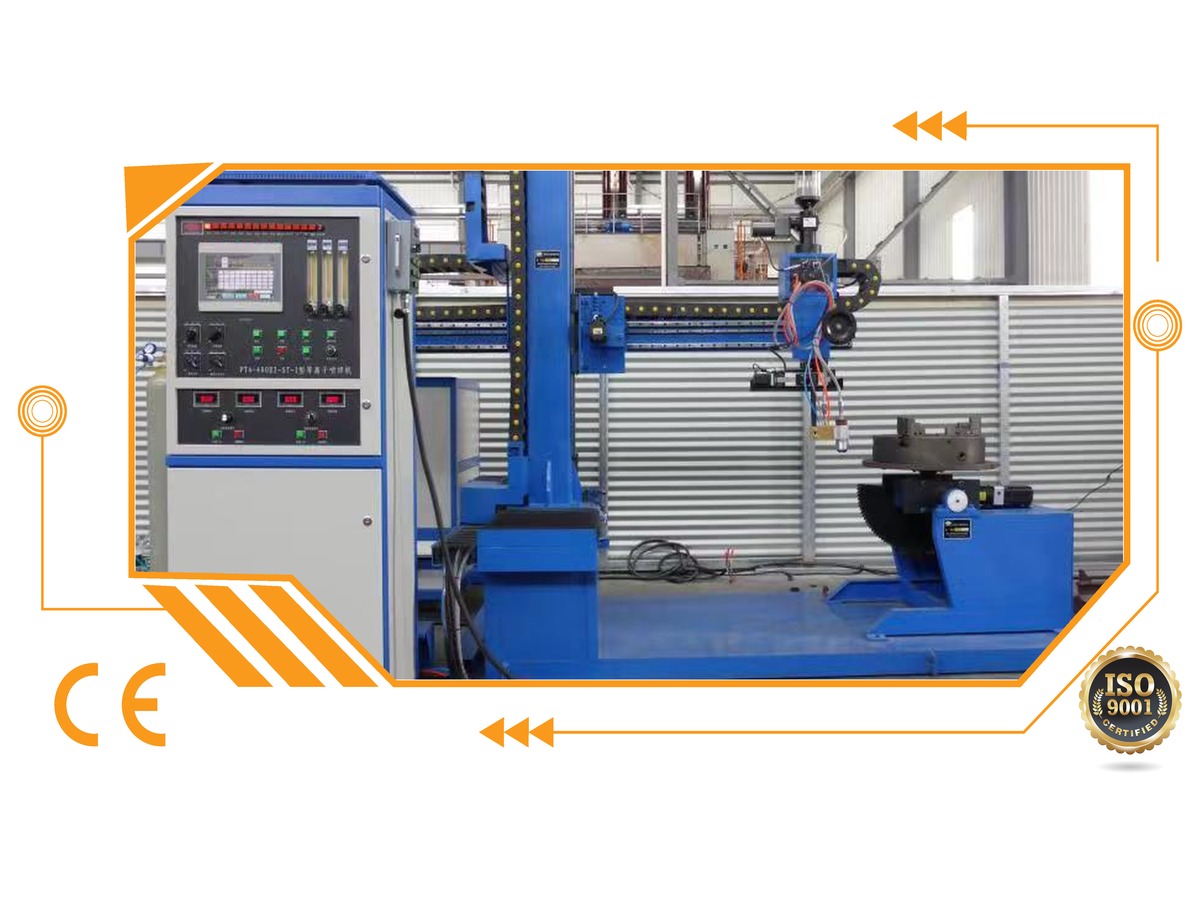
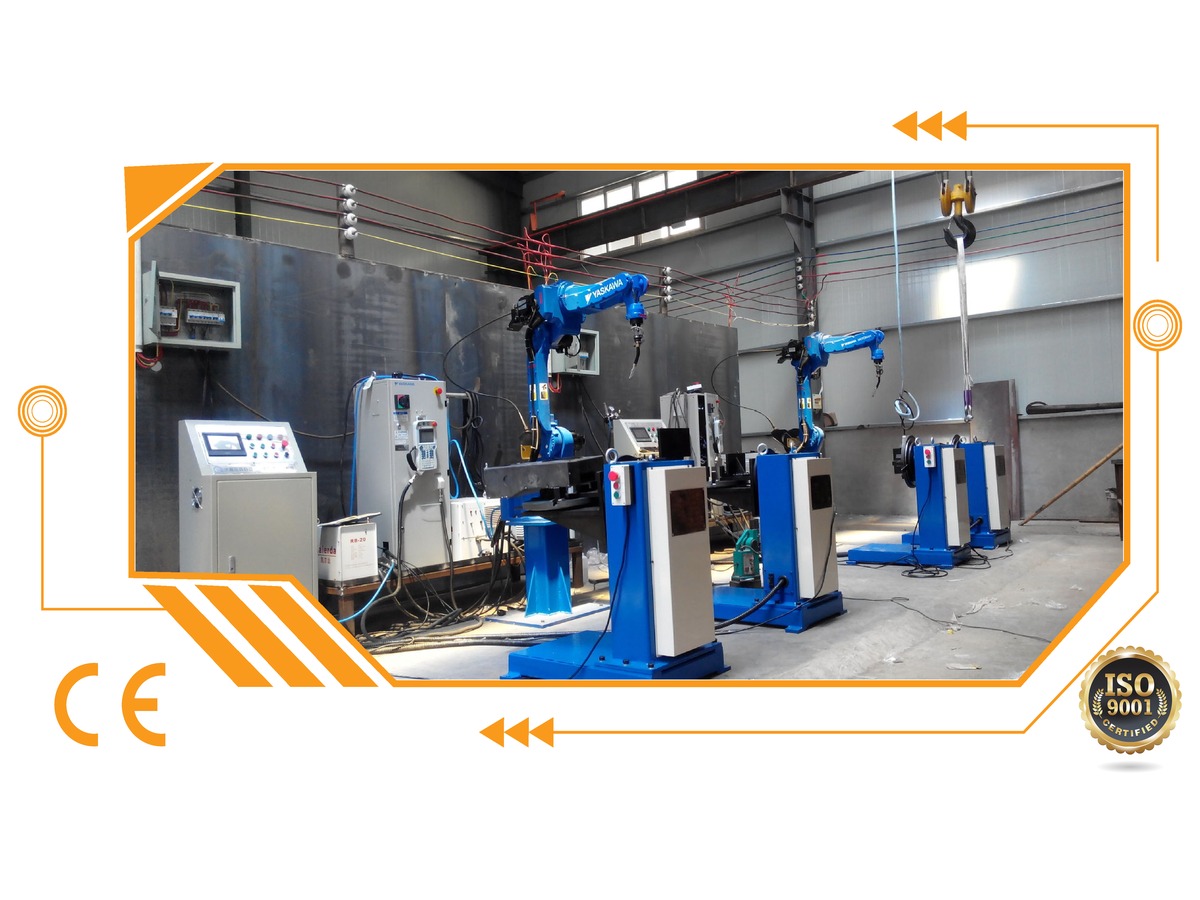
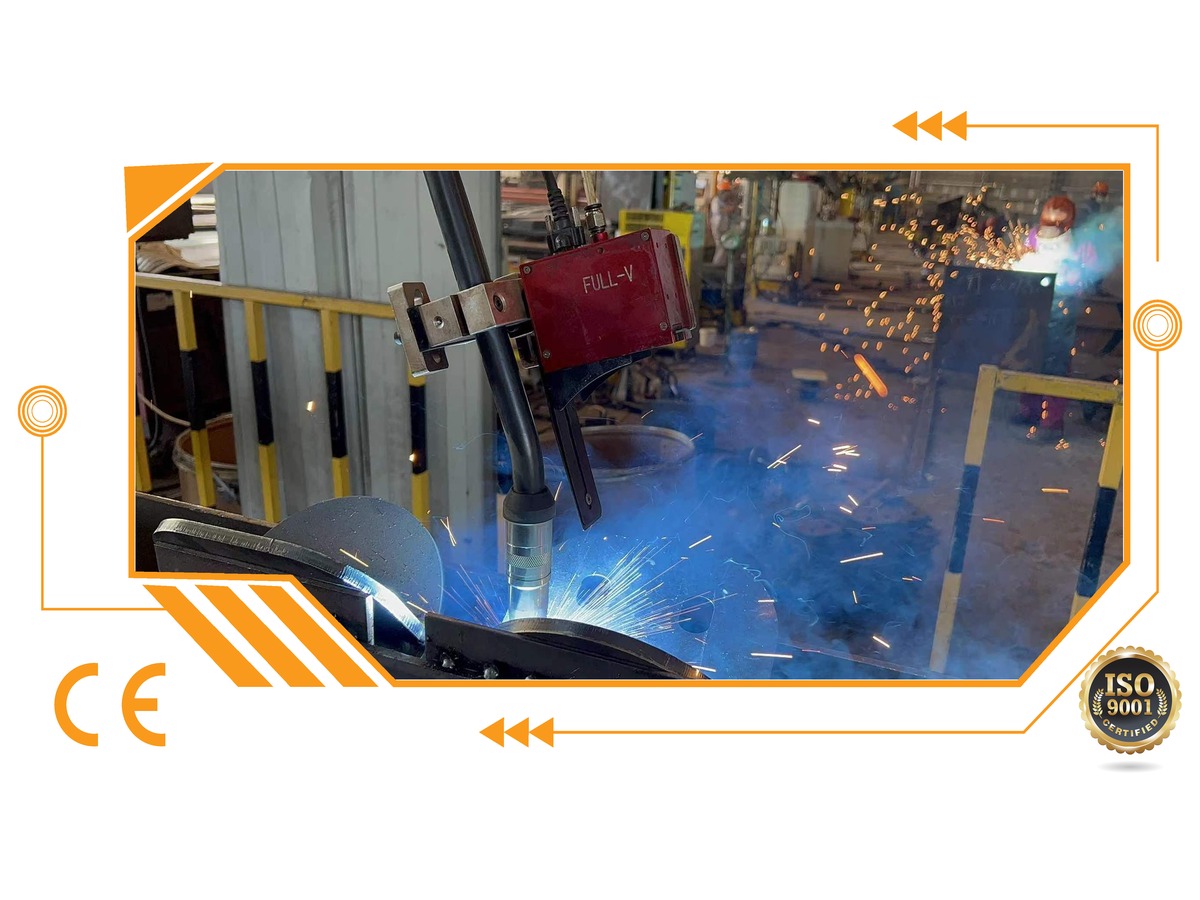
Pipe cladding allows all types of piping to be protected with rapidity, quality, and minimal measurable distortion. Hot wire TIG welding has become a benchmark in high-quality cladding operations, particularly for complex shapes, space-constrained environments, or applications requiring higher levels of automation.
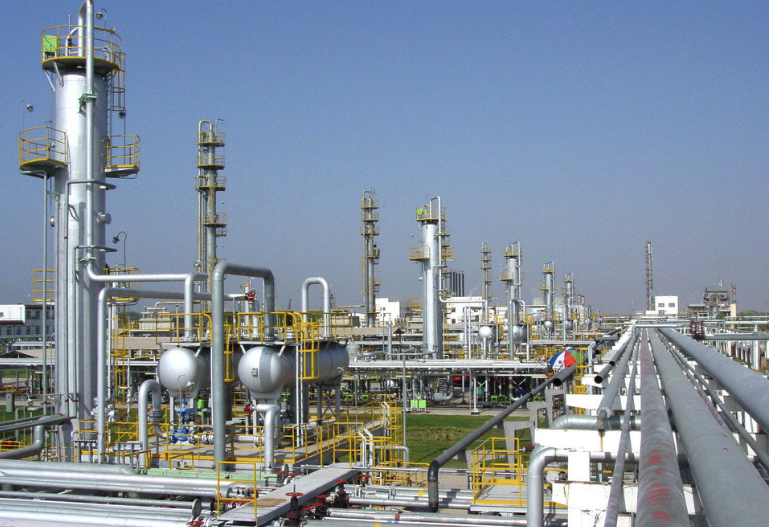
This technique is widely used across industries where piping systems must withstand corrosive environments, high pressures, and extreme temperatures. From nuclear reactor coolant systems to oil and gas pipelines, pipe cladding extends service life and reduces maintenance costs.
TIG Cladding Applications
- Repair of worn parts: Restoring damaged components
- Preventive cladding: Protecting new components against anticipated wear
- Buttering operations: Preparing surfaces for heterogeneous welding joints
Managing Dilution
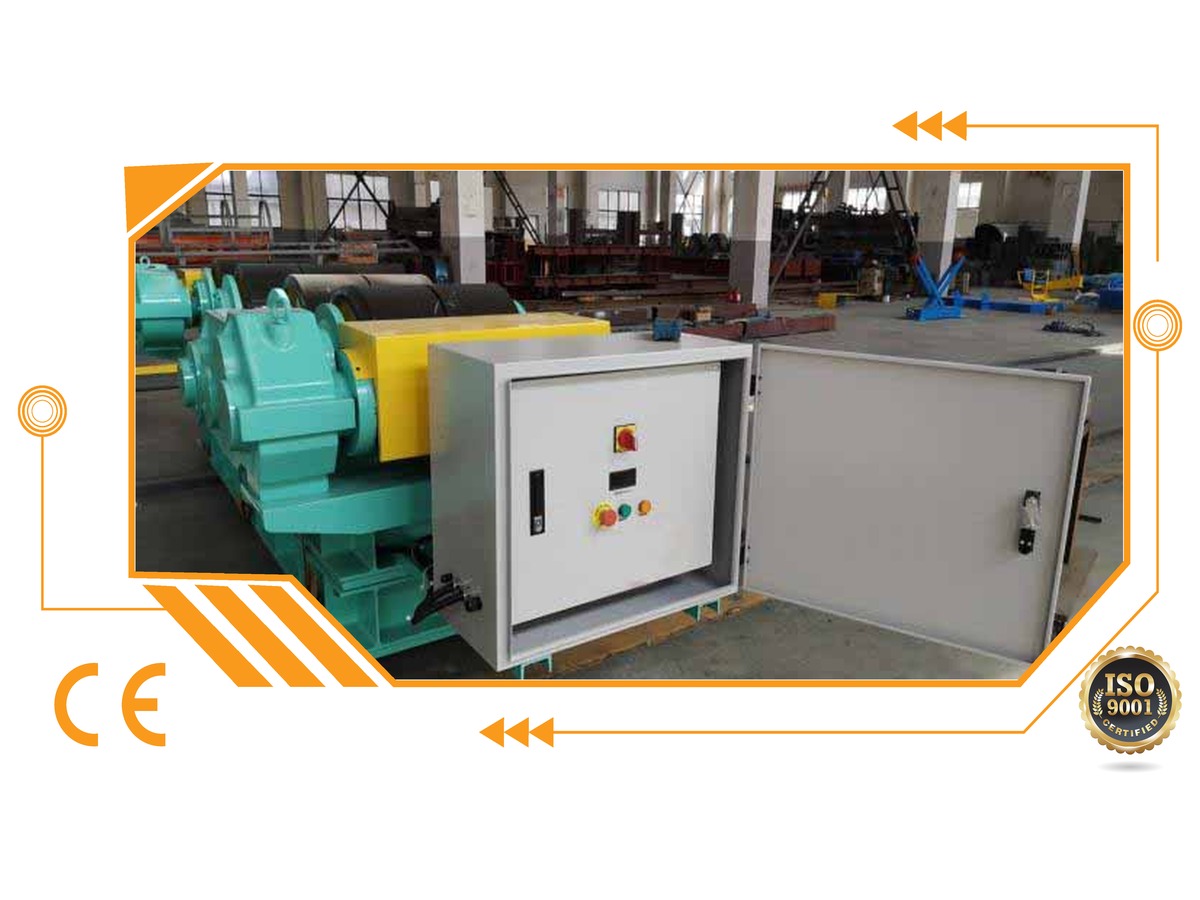
The main challenge in pipe cladding is controlling the dilution rate. Multi-layer cladding strategies effectively reduce dilution — the first layer may reach 12% dilution while the second layer can achieve just 2.5%. Modern TIG welding power sources offer 100% duty cycles at high amperages with sophisticated programming systems for precise control.
Conclusion
Hot wire TIG cladding remains the benchmark for high-quality pipe protection across nuclear, oil and gas, and chemical processing industries.
How to Implement This Technology
Follow these key steps for successful implementation:
- Clean and prepare the pipe surface, removing all contaminants and inspecting for defects
- Select the appropriate filler metal based on corrosion resistance requirements and base material
- Configure the welding power source for hot wire TIG cladding with proper dilution control settings
- Program the torch path and welding sequence for the specific pipe geometry
- Apply first cladding layer, inspect, then apply second layer to achieve target chemical composition
- Perform non-destructive testing including ultrasonic and dye penetrant inspection
Frequently Asked Questions
What is pipe cladding?
Pipe cladding is a welding process that applies a corrosion-resistant alloy layer to the interior or exterior surface of pipes. It protects piping systems from corrosive media in oil and gas, chemical, and nuclear applications.
What is dilution in pipe cladding and why does it matter?
Dilution is the mixing of the filler metal with the molten base material during cladding. It changes the chemical composition of the deposit. Controlling dilution is critical to ensure the cladding layer maintains its specified corrosion-resistant properties.
What welding processes are used for pipe cladding?
Hot wire TIG welding is the benchmark for high-quality pipe cladding. Other methods include plasma transfer arc (PTA), submerged arc welding (SAW), and gas metal arc welding (GMAW), but TIG offers the best control of dilution and heat input.
Which industries need pipe cladding?
Nuclear power plants, oil and gas pipelines, chemical processing facilities, desalination plants, and offshore platforms all require pipe cladding to protect critical piping systems from corrosion and erosion.
How many layers are typically needed for pipe cladding?
Typically two layers are applied. The first layer may have up to 12% dilution, while the second layer reduces dilution to approximately 2.5%, ensuring the final surface meets the required chemical composition.
How to Implement This Technology
Follow these key steps for successful implementation:
- Clean and prepare the pipe surface, removing all contaminants and inspecting for defects
- Select the appropriate filler metal based on corrosion resistance requirements and base material
- Configure the welding power source for hot wire TIG cladding with proper dilution control settings
- Program the torch path and welding sequence for the specific pipe geometry
- Apply first cladding layer, inspect, then apply second layer to achieve target chemical composition
- Perform non-destructive testing including ultrasonic and dye penetrant inspection
Frequently Asked Questions
What is pipe cladding?
Pipe cladding is a welding process that applies a corrosion-resistant alloy layer to the interior or exterior surface of pipes. It protects piping systems from corrosive media in oil and gas, chemical, and nuclear applications.
What is dilution in pipe cladding and why does it matter?
Dilution is the mixing of the filler metal with the molten base material during cladding. It changes the chemical composition of the deposit. Controlling dilution is critical to ensure the cladding layer maintains its specified corrosion-resistant properties.
What welding processes are used for pipe cladding?
Hot wire TIG welding is the benchmark for high-quality pipe cladding. Other methods include plasma transfer arc (PTA), submerged arc welding (SAW), and gas metal arc welding (GMAW), but TIG offers the best control of dilution and heat input.
Which industries need pipe cladding?
Nuclear power plants, oil and gas pipelines, chemical processing facilities, desalination plants, and offshore platforms all require pipe cladding to protect critical piping systems from corrosion and erosion.
How many layers are typically needed for pipe cladding?
Typically two layers are applied. The first layer may have up to 12% dilution, while the second layer reduces dilution to approximately 2.5%, ensuring the final surface meets the required chemical composition.
How to Implement This Technology
Follow these key steps for successful implementation:
- Clean and prepare the pipe surface, removing all contaminants and inspecting for defects
- Select the appropriate filler metal based on corrosion resistance requirements and base material
- Configure the welding power source for hot wire TIG cladding with proper dilution control settings
- Program the torch path and welding sequence for the specific pipe geometry
- Apply first cladding layer, inspect, then apply second layer to achieve target chemical composition
- Perform non-destructive testing including ultrasonic and dye penetrant inspection
Frequently Asked Questions
What is pipe cladding?
Pipe cladding is a welding process that applies a corrosion-resistant alloy layer to the interior or exterior surface of pipes. It protects piping systems from corrosive media in oil and gas, chemical, and nuclear applications.
What is dilution in pipe cladding and why does it matter?
Dilution is the mixing of the filler metal with the molten base material during cladding. It changes the chemical composition of the deposit. Controlling dilution is critical to ensure the cladding layer maintains its specified corrosion-resistant properties.
What welding processes are used for pipe cladding?
Hot wire TIG welding is the benchmark for high-quality pipe cladding. Other methods include plasma transfer arc (PTA), submerged arc welding (SAW), and gas metal arc welding (GMAW), but TIG offers the best control of dilution and heat input.
Which industries need pipe cladding?
Nuclear power plants, oil and gas pipelines, chemical processing facilities, desalination plants, and offshore platforms all require pipe cladding to protect critical piping systems from corrosion and erosion.
How many layers are typically needed for pipe cladding?
Typically two layers are applied. The first layer may have up to 12% dilution, while the second layer reduces dilution to approximately 2.5%, ensuring the final surface meets the required chemical composition.
How to Implement This Technology
Follow these key steps for successful implementation:
- Clean and prepare the pipe surface, removing all contaminants and inspecting for defects
- Select the appropriate filler metal based on corrosion resistance requirements and base material
- Configure the welding power source for hot wire TIG cladding with proper dilution control settings
- Program the torch path and welding sequence for the specific pipe geometry
- Apply first cladding layer, inspect, then apply second layer to achieve target chemical composition
- Perform non-destructive testing including ultrasonic and dye penetrant inspection
Frequently Asked Questions
What is pipe cladding?
Pipe cladding is a welding process that applies a corrosion-resistant alloy layer to the interior or exterior surface of pipes. It protects piping systems from corrosive media in oil and gas, chemical, and nuclear applications.
What is dilution in pipe cladding and why does it matter?
Dilution is the mixing of the filler metal with the molten base material during cladding. It changes the chemical composition of the deposit. Controlling dilution is critical to ensure the cladding layer maintains its specified corrosion-resistant properties.
What welding processes are used for pipe cladding?
Hot wire TIG welding is the benchmark for high-quality pipe cladding. Other methods include plasma transfer arc (PTA), submerged arc welding (SAW), and gas metal arc welding (GMAW), but TIG offers the best control of dilution and heat input.
Which industries need pipe cladding?
Nuclear power plants, oil and gas pipelines, chemical processing facilities, desalination plants, and offshore platforms all require pipe cladding to protect critical piping systems from corrosion and erosion.
How many layers are typically needed for pipe cladding?
Typically two layers are applied. The first layer may have up to 12% dilution, while the second layer reduces dilution to approximately 2.5%, ensuring the final surface meets the required chemical composition.
How to Implement This Technology
Follow these key steps for successful implementation:
- Clean and prepare the pipe surface, removing all contaminants and inspecting for defects
- Select the appropriate filler metal based on corrosion resistance requirements and base material
- Configure the welding power source for hot wire TIG cladding with proper dilution control settings
- Program the torch path and welding sequence for the specific pipe geometry
- Apply first cladding layer, inspect, then apply second layer to achieve target chemical composition
- Perform non-destructive testing including ultrasonic and dye penetrant inspection
Frequently Asked Questions
What is pipe cladding?
Pipe cladding is a welding process that applies a corrosion-resistant alloy layer to the interior or exterior surface of pipes. It protects piping systems from corrosive media in oil and gas, chemical, and nuclear applications.
What is dilution in pipe cladding and why does it matter?
Dilution is the mixing of the filler metal with the molten base material during cladding. It changes the chemical composition of the deposit. Controlling dilution is critical to ensure the cladding layer maintains its specified corrosion-resistant properties.
What welding processes are used for pipe cladding?
Hot wire TIG welding is the benchmark for high-quality pipe cladding. Other methods include plasma transfer arc (PTA), submerged arc welding (SAW), and gas metal arc welding (GMAW), but TIG offers the best control of dilution and heat input.
Which industries need pipe cladding?
Nuclear power plants, oil and gas pipelines, chemical processing facilities, desalination plants, and offshore platforms all require pipe cladding to protect critical piping systems from corrosion and erosion.
How many layers are typically needed for pipe cladding?
Typically two layers are applied. The first layer may have up to 12% dilution, while the second layer reduces dilution to approximately 2.5%, ensuring the final surface meets the required chemical composition.
How to Implement This Technology
Follow these key steps for successful implementation:
- Clean and prepare the pipe surface, removing all contaminants and inspecting for defects
- Select the appropriate filler metal based on corrosion resistance requirements and base material
- Configure the welding power source for hot wire TIG cladding with proper dilution control settings
- Program the torch path and welding sequence for the specific pipe geometry
- Apply first cladding layer, inspect, then apply second layer to achieve target chemical composition
- Perform non-destructive testing including ultrasonic and dye penetrant inspection
Frequently Asked Questions
What is pipe cladding?
Pipe cladding is a welding process that applies a corrosion-resistant alloy layer to the interior or exterior surface of pipes. It protects piping systems from corrosive media in oil and gas, chemical, and nuclear applications.
What is dilution in pipe cladding and why does it matter?
Dilution is the mixing of the filler metal with the molten base material during cladding. It changes the chemical composition of the deposit. Controlling dilution is critical to ensure the cladding layer maintains its specified corrosion-resistant properties.
What welding processes are used for pipe cladding?
Hot wire TIG welding is the benchmark for high-quality pipe cladding. Other methods include plasma transfer arc (PTA), submerged arc welding (SAW), and gas metal arc welding (GMAW), but TIG offers the best control of dilution and heat input.
Which industries need pipe cladding?
Nuclear power plants, oil and gas pipelines, chemical processing facilities, desalination plants, and offshore platforms all require pipe cladding to protect critical piping systems from corrosion and erosion.
How many layers are typically needed for pipe cladding?
Typically two layers are applied. The first layer may have up to 12% dilution, while the second layer reduces dilution to approximately 2.5%, ensuring the final surface meets the required chemical composition.
How to Implement This Technology
Follow these key steps for successful implementation:
- Clean and prepare the pipe surface, removing all contaminants and inspecting for defects
- Select the appropriate filler metal based on corrosion resistance requirements and base material
- Configure the welding power source for hot wire TIG cladding with proper dilution control settings
- Program the torch path and welding sequence for the specific pipe geometry
- Apply first cladding layer, inspect, then apply second layer to achieve target chemical composition
- Perform non-destructive testing including ultrasonic and dye penetrant inspection
Frequently Asked Questions
What is pipe cladding?
Pipe cladding is a welding process that applies a corrosion-resistant alloy layer to the interior or exterior surface of pipes. It protects piping systems from corrosive media in oil and gas, chemical, and nuclear applications.
What is dilution in pipe cladding and why does it matter?
Dilution is the mixing of the filler metal with the molten base material during cladding. It changes the chemical composition of the deposit. Controlling dilution is critical to ensure the cladding layer maintains its specified corrosion-resistant properties.
What welding processes are used for pipe cladding?
Hot wire TIG welding is the benchmark for high-quality pipe cladding. Other methods include plasma transfer arc (PTA), submerged arc welding (SAW), and gas metal arc welding (GMAW), but TIG offers the best control of dilution and heat input.
Which industries need pipe cladding?
Nuclear power plants, oil and gas pipelines, chemical processing facilities, desalination plants, and offshore platforms all require pipe cladding to protect critical piping systems from corrosion and erosion.
How many layers are typically needed for pipe cladding?
Typically two layers are applied. The first layer may have up to 12% dilution, while the second layer reduces dilution to approximately 2.5%, ensuring the final surface meets the required chemical composition.
How to Implement This Technology
Follow these key steps for successful implementation:
- Clean and prepare the pipe surface, removing all contaminants and inspecting for defects
- Select the appropriate filler metal based on corrosion resistance requirements and base material
- Configure the welding power source for hot wire TIG cladding with proper dilution control settings
- Program the torch path and welding sequence for the specific pipe geometry
- Apply first cladding layer, inspect, then apply second layer to achieve target chemical composition
- Perform non-destructive testing including ultrasonic and dye penetrant inspection
Frequently Asked Questions
What is pipe cladding?
Pipe cladding is a welding process that applies a corrosion-resistant alloy layer to the interior or exterior surface of pipes. It protects piping systems from corrosive media in oil and gas, chemical, and nuclear applications.
What is dilution in pipe cladding and why does it matter?
Dilution is the mixing of the filler metal with the molten base material during cladding. It changes the chemical composition of the deposit. Controlling dilution is critical to ensure the cladding layer maintains its specified corrosion-resistant properties.
What welding processes are used for pipe cladding?
Hot wire TIG welding is the benchmark for high-quality pipe cladding. Other methods include plasma transfer arc (PTA), submerged arc welding (SAW), and gas metal arc welding (GMAW), but TIG offers the best control of dilution and heat input.
Which industries need pipe cladding?
Nuclear power plants, oil and gas pipelines, chemical processing facilities, desalination plants, and offshore platforms all require pipe cladding to protect critical piping systems from corrosion and erosion.
How many layers are typically needed for pipe cladding?
Typically two layers are applied. The first layer may have up to 12% dilution, while the second layer reduces dilution to approximately 2.5%, ensuring the final surface meets the required chemical composition.
How to Implement This Technology
Follow these key steps for successful implementation:
- Clean and prepare the pipe surface, removing all contaminants and inspecting for defects
- Select the appropriate filler metal based on corrosion resistance requirements and base material
- Configure the welding power source for hot wire TIG cladding with proper dilution control settings
- Program the torch path and welding sequence for the specific pipe geometry
- Apply first cladding layer, inspect, then apply second layer to achieve target chemical composition
- Perform non-destructive testing including ultrasonic and dye penetrant inspection
Frequently Asked Questions
What is pipe cladding?
Pipe cladding is a welding process that applies a corrosion-resistant alloy layer to the interior or exterior surface of pipes. It protects piping systems from corrosive media in oil and gas, chemical, and nuclear applications.
What is dilution in pipe cladding and why does it matter?
Dilution is the mixing of the filler metal with the molten base material during cladding. It changes the chemical composition of the deposit. Controlling dilution is critical to ensure the cladding layer maintains its specified corrosion-resistant properties.
What welding processes are used for pipe cladding?
Hot wire TIG welding is the benchmark for high-quality pipe cladding. Other methods include plasma transfer arc (PTA), submerged arc welding (SAW), and gas metal arc welding (GMAW), but TIG offers the best control of dilution and heat input.
Which industries need pipe cladding?
Nuclear power plants, oil and gas pipelines, chemical processing facilities, desalination plants, and offshore platforms all require pipe cladding to protect critical piping systems from corrosion and erosion.
How many layers are typically needed for pipe cladding?
Typically two layers are applied. The first layer may have up to 12% dilution, while the second layer reduces dilution to approximately 2.5%, ensuring the final surface meets the required chemical composition.
How to Implement This Technology
Follow these key steps for successful implementation:
- Clean and prepare the pipe surface, removing all contaminants and inspecting for defects
- Select the appropriate filler metal based on corrosion resistance requirements and base material
- Configure the welding power source for hot wire TIG cladding with proper dilution control settings
- Program the torch path and welding sequence for the specific pipe geometry
- Apply first cladding layer, inspect, then apply second layer to achieve target chemical composition
- Perform non-destructive testing including ultrasonic and dye penetrant inspection
Frequently Asked Questions
What is pipe cladding?
Pipe cladding is a welding process that applies a corrosion-resistant alloy layer to the interior or exterior surface of pipes. It protects piping systems from corrosive media in oil and gas, chemical, and nuclear applications.
What is dilution in pipe cladding and why does it matter?
Dilution is the mixing of the filler metal with the molten base material during cladding. It changes the chemical composition of the deposit. Controlling dilution is critical to ensure the cladding layer maintains its specified corrosion-resistant properties.
What welding processes are used for pipe cladding?
Hot wire TIG welding is the benchmark for high-quality pipe cladding. Other methods include plasma transfer arc (PTA), submerged arc welding (SAW), and gas metal arc welding (GMAW), but TIG offers the best control of dilution and heat input.
Which industries need pipe cladding?
Nuclear power plants, oil and gas pipelines, chemical processing facilities, desalination plants, and offshore platforms all require pipe cladding to protect critical piping systems from corrosion and erosion.
How many layers are typically needed for pipe cladding?
Typically two layers are applied. The first layer may have up to 12% dilution, while the second layer reduces dilution to approximately 2.5%, ensuring the final surface meets the required chemical composition.
How to Implement This Technology
Follow these key steps for successful implementation:
- Clean and prepare the pipe surface, removing all contaminants and inspecting for defects
- Select the appropriate filler metal based on corrosion resistance requirements and base material
- Configure the welding power source for hot wire TIG cladding with proper dilution control settings
- Program the torch path and welding sequence for the specific pipe geometry
- Apply first cladding layer, inspect, then apply second layer to achieve target chemical composition
- Perform non-destructive testing including ultrasonic and dye penetrant inspection
Frequently Asked Questions
What is pipe cladding?
Pipe cladding is a welding process that applies a corrosion-resistant alloy layer to the interior or exterior surface of pipes. It protects piping systems from corrosive media in oil and gas, chemical, and nuclear applications.
What is dilution in pipe cladding and why does it matter?
Dilution is the mixing of the filler metal with the molten base material during cladding. It changes the chemical composition of the deposit. Controlling dilution is critical to ensure the cladding layer maintains its specified corrosion-resistant properties.
What welding processes are used for pipe cladding?
Hot wire TIG welding is the benchmark for high-quality pipe cladding. Other methods include plasma transfer arc (PTA), submerged arc welding (SAW), and gas metal arc welding (GMAW), but TIG offers the best control of dilution and heat input.
Which industries need pipe cladding?
Nuclear power plants, oil and gas pipelines, chemical processing facilities, desalination plants, and offshore platforms all require pipe cladding to protect critical piping systems from corrosion and erosion.
How many layers are typically needed for pipe cladding?
Typically two layers are applied. The first layer may have up to 12% dilution, while the second layer reduces dilution to approximately 2.5%, ensuring the final surface meets the required chemical composition.
How to Implement This Technology
Follow these key steps for successful implementation:
- Clean and prepare the pipe surface, removing all contaminants and inspecting for defects
- Select the appropriate filler metal based on corrosion resistance requirements and base material
- Configure the welding power source for hot wire TIG cladding with proper dilution control settings
- Program the torch path and welding sequence for the specific pipe geometry
- Apply first cladding layer, inspect, then apply second layer to achieve target chemical composition
- Perform non-destructive testing including ultrasonic and dye penetrant inspection
Frequently Asked Questions
What is pipe cladding?
Pipe cladding is a welding process that applies a corrosion-resistant alloy layer to the interior or exterior surface of pipes. It protects piping systems from corrosive media in oil and gas, chemical, and nuclear applications.
What is dilution in pipe cladding and why does it matter?
Dilution is the mixing of the filler metal with the molten base material during cladding. It changes the chemical composition of the deposit. Controlling dilution is critical to ensure the cladding layer maintains its specified corrosion-resistant properties.
What welding processes are used for pipe cladding?
Hot wire TIG welding is the benchmark for high-quality pipe cladding. Other methods include plasma transfer arc (PTA), submerged arc welding (SAW), and gas metal arc welding (GMAW), but TIG offers the best control of dilution and heat input.
Which industries need pipe cladding?
Nuclear power plants, oil and gas pipelines, chemical processing facilities, desalination plants, and offshore platforms all require pipe cladding to protect critical piping systems from corrosion and erosion.
How many layers are typically needed for pipe cladding?
Typically two layers are applied. The first layer may have up to 12% dilution, while the second layer reduces dilution to approximately 2.5%, ensuring the final surface meets the required chemical composition.
How to Implement This Technology
Follow these key steps for successful implementation:
- Clean and prepare the pipe surface, removing all contaminants and inspecting for defects
- Select the appropriate filler metal based on corrosion resistance requirements and base material
- Configure the welding power source for hot wire TIG cladding with proper dilution control settings
- Program the torch path and welding sequence for the specific pipe geometry
- Apply first cladding layer, inspect, then apply second layer to achieve target chemical composition
- Perform non-destructive testing including ultrasonic and dye penetrant inspection
Frequently Asked Questions
What is pipe cladding?
Pipe cladding is a welding process that applies a corrosion-resistant alloy layer to the interior or exterior surface of pipes. It protects piping systems from corrosive media in oil and gas, chemical, and nuclear applications.
What is dilution in pipe cladding and why does it matter?
Dilution is the mixing of the filler metal with the molten base material during cladding. It changes the chemical composition of the deposit. Controlling dilution is critical to ensure the cladding layer maintains its specified corrosion-resistant properties.
What welding processes are used for pipe cladding?
Hot wire TIG welding is the benchmark for high-quality pipe cladding. Other methods include plasma transfer arc (PTA), submerged arc welding (SAW), and gas metal arc welding (GMAW), but TIG offers the best control of dilution and heat input.
Which industries need pipe cladding?
Nuclear power plants, oil and gas pipelines, chemical processing facilities, desalination plants, and offshore platforms all require pipe cladding to protect critical piping systems from corrosion and erosion.
How many layers are typically needed for pipe cladding?
Typically two layers are applied. The first layer may have up to 12% dilution, while the second layer reduces dilution to approximately 2.5%, ensuring the final surface meets the required chemical composition.
How to Implement This Technology
Follow these key steps for successful implementation:
- Clean and prepare the pipe surface, removing all contaminants and inspecting for defects
- Select the appropriate filler metal based on corrosion resistance requirements and base material
- Configure the welding power source for hot wire TIG cladding with proper dilution control settings
- Program the torch path and welding sequence for the specific pipe geometry
- Apply first cladding layer, inspect, then apply second layer to achieve target chemical composition
- Perform non-destructive testing including ultrasonic and dye penetrant inspection
Frequently Asked Questions
What is pipe cladding?
Pipe cladding is a welding process that applies a corrosion-resistant alloy layer to the interior or exterior surface of pipes. It protects piping systems from corrosive media in oil and gas, chemical, and nuclear applications.
What is dilution in pipe cladding and why does it matter?
Dilution is the mixing of the filler metal with the molten base material during cladding. It changes the chemical composition of the deposit. Controlling dilution is critical to ensure the cladding layer maintains its specified corrosion-resistant properties.
What welding processes are used for pipe cladding?
Hot wire TIG welding is the benchmark for high-quality pipe cladding. Other methods include plasma transfer arc (PTA), submerged arc welding (SAW), and gas metal arc welding (GMAW), but TIG offers the best control of dilution and heat input.
Which industries need pipe cladding?
Nuclear power plants, oil and gas pipelines, chemical processing facilities, desalination plants, and offshore platforms all require pipe cladding to protect critical piping systems from corrosion and erosion.
How many layers are typically needed for pipe cladding?
Typically two layers are applied. The first layer may have up to 12% dilution, while the second layer reduces dilution to approximately 2.5%, ensuring the final surface meets the required chemical composition.
How to Implement This Technology
Follow these key steps for successful implementation:
- Clean and prepare the pipe surface, removing all contaminants and inspecting for defects
- Select the appropriate filler metal based on corrosion resistance requirements and base material
- Configure the welding power source for hot wire TIG cladding with proper dilution control settings
- Program the torch path and welding sequence for the specific pipe geometry
- Apply first cladding layer, inspect, then apply second layer to achieve target chemical composition
- Perform non-destructive testing including ultrasonic and dye penetrant inspection
Frequently Asked Questions
What is pipe cladding?
Pipe cladding is a welding process that applies a corrosion-resistant alloy layer to the interior or exterior surface of pipes. It protects piping systems from corrosive media in oil and gas, chemical, and nuclear applications.
What is dilution in pipe cladding and why does it matter?
Dilution is the mixing of the filler metal with the molten base material during cladding. It changes the chemical composition of the deposit. Controlling dilution is critical to ensure the cladding layer maintains its specified corrosion-resistant properties.
What welding processes are used for pipe cladding?
Hot wire TIG welding is the benchmark for high-quality pipe cladding. Other methods include plasma transfer arc (PTA), submerged arc welding (SAW), and gas metal arc welding (GMAW), but TIG offers the best control of dilution and heat input.
Which industries need pipe cladding?
Nuclear power plants, oil and gas pipelines, chemical processing facilities, desalination plants, and offshore platforms all require pipe cladding to protect critical piping systems from corrosion and erosion.
How many layers are typically needed for pipe cladding?
Typically two layers are applied. The first layer may have up to 12% dilution, while the second layer reduces dilution to approximately 2.5%, ensuring the final surface meets the required chemical composition.
How to Implement This Technology
Follow these key steps for successful implementation:
- Clean and prepare the pipe surface, removing all contaminants and inspecting for defects
- Select the appropriate filler metal based on corrosion resistance requirements and base material
- Configure the welding power source for hot wire TIG cladding with proper dilution control settings
- Program the torch path and welding sequence for the specific pipe geometry
- Apply first cladding layer, inspect, then apply second layer to achieve target chemical composition
- Perform non-destructive testing including ultrasonic and dye penetrant inspection
Frequently Asked Questions
What is pipe cladding?
Pipe cladding is a welding process that applies a corrosion-resistant alloy layer to the interior or exterior surface of pipes. It protects piping systems from corrosive media in oil and gas, chemical, and nuclear applications.
What is dilution in pipe cladding and why does it matter?
Dilution is the mixing of the filler metal with the molten base material during cladding. It changes the chemical composition of the deposit. Controlling dilution is critical to ensure the cladding layer maintains its specified corrosion-resistant properties.
What welding processes are used for pipe cladding?
Hot wire TIG welding is the benchmark for high-quality pipe cladding. Other methods include plasma transfer arc (PTA), submerged arc welding (SAW), and gas metal arc welding (GMAW), but TIG offers the best control of dilution and heat input.
Which industries need pipe cladding?
Nuclear power plants, oil and gas pipelines, chemical processing facilities, desalination plants, and offshore platforms all require pipe cladding to protect critical piping systems from corrosion and erosion.
How many layers are typically needed for pipe cladding?
Typically two layers are applied. The first layer may have up to 12% dilution, while the second layer reduces dilution to approximately 2.5%, ensuring the final surface meets the required chemical composition.
How to Implement This Technology
Follow these key steps for successful implementation:
- Clean and prepare the pipe surface, removing all contaminants and inspecting for defects
- Select the appropriate filler metal based on corrosion resistance requirements and base material
- Configure the welding power source for hot wire TIG cladding with proper dilution control settings
- Program the torch path and welding sequence for the specific pipe geometry
- Apply first cladding layer, inspect, then apply second layer to achieve target chemical composition
- Perform non-destructive testing including ultrasonic and dye penetrant inspection
Frequently Asked Questions
What is pipe cladding?
Pipe cladding is a welding process that applies a corrosion-resistant alloy layer to the interior or exterior surface of pipes. It protects piping systems from corrosive media in oil and gas, chemical, and nuclear applications.
What is dilution in pipe cladding and why does it matter?
Dilution is the mixing of the filler metal with the molten base material during cladding. It changes the chemical composition of the deposit. Controlling dilution is critical to ensure the cladding layer maintains its specified corrosion-resistant properties.
What welding processes are used for pipe cladding?
Hot wire TIG welding is the benchmark for high-quality pipe cladding. Other methods include plasma transfer arc (PTA), submerged arc welding (SAW), and gas metal arc welding (GMAW), but TIG offers the best control of dilution and heat input.
Which industries need pipe cladding?
Nuclear power plants, oil and gas pipelines, chemical processing facilities, desalination plants, and offshore platforms all require pipe cladding to protect critical piping systems from corrosion and erosion.
How many layers are typically needed for pipe cladding?
Typically two layers are applied. The first layer may have up to 12% dilution, while the second layer reduces dilution to approximately 2.5%, ensuring the final surface meets the required chemical composition.
How to Implement This Technology
Follow these key steps for successful implementation:
- Clean and prepare the pipe surface, removing all contaminants and inspecting for defects
- Select the appropriate filler metal based on corrosion resistance requirements and base material
- Configure the welding power source for hot wire TIG cladding with proper dilution control settings
- Program the torch path and welding sequence for the specific pipe geometry
- Apply first cladding layer, inspect, then apply second layer to achieve target chemical composition
- Perform non-destructive testing including ultrasonic and dye penetrant inspection
Frequently Asked Questions
What is pipe cladding?
Pipe cladding is a welding process that applies a corrosion-resistant alloy layer to the interior or exterior surface of pipes. It protects piping systems from corrosive media in oil and gas, chemical, and nuclear applications.
What is dilution in pipe cladding and why does it matter?
Dilution is the mixing of the filler metal with the molten base material during cladding. It changes the chemical composition of the deposit. Controlling dilution is critical to ensure the cladding layer maintains its specified corrosion-resistant properties.
What welding processes are used for pipe cladding?
Hot wire TIG welding is the benchmark for high-quality pipe cladding. Other methods include plasma transfer arc (PTA), submerged arc welding (SAW), and gas metal arc welding (GMAW), but TIG offers the best control of dilution and heat input.
Which industries need pipe cladding?
Nuclear power plants, oil and gas pipelines, chemical processing facilities, desalination plants, and offshore platforms all require pipe cladding to protect critical piping systems from corrosion and erosion.
How many layers are typically needed for pipe cladding?
Typically two layers are applied. The first layer may have up to 12% dilution, while the second layer reduces dilution to approximately 2.5%, ensuring the final surface meets the required chemical composition.
How to Implement This Technology
Follow these key steps for successful implementation:
- Clean and prepare the pipe surface, removing all contaminants and inspecting for defects
- Select the appropriate filler metal based on corrosion resistance requirements and base material
- Configure the welding power source for hot wire TIG cladding with proper dilution control settings
- Program the torch path and welding sequence for the specific pipe geometry
- Apply first cladding layer, inspect, then apply second layer to achieve target chemical composition
- Perform non-destructive testing including ultrasonic and dye penetrant inspection
Frequently Asked Questions
What is pipe cladding?
Pipe cladding is a welding process that applies a corrosion-resistant alloy layer to the interior or exterior surface of pipes. It protects piping systems from corrosive media in oil and gas, chemical, and nuclear applications.
What is dilution in pipe cladding and why does it matter?
Dilution is the mixing of the filler metal with the molten base material during cladding. It changes the chemical composition of the deposit. Controlling dilution is critical to ensure the cladding layer maintains its specified corrosion-resistant properties.
What welding processes are used for pipe cladding?
Hot wire TIG welding is the benchmark for high-quality pipe cladding. Other methods include plasma transfer arc (PTA), submerged arc welding (SAW), and gas metal arc welding (GMAW), but TIG offers the best control of dilution and heat input.
Which industries need pipe cladding?
Nuclear power plants, oil and gas pipelines, chemical processing facilities, desalination plants, and offshore platforms all require pipe cladding to protect critical piping systems from corrosion and erosion.
How many layers are typically needed for pipe cladding?
Typically two layers are applied. The first layer may have up to 12% dilution, while the second layer reduces dilution to approximately 2.5%, ensuring the final surface meets the required chemical composition.
How to Implement This Technology
Follow these key steps for successful implementation:
- Clean and prepare the pipe surface, removing all contaminants and inspecting for defects
- Select the appropriate filler metal based on corrosion resistance requirements and base material
- Configure the welding power source for hot wire TIG cladding with proper dilution control settings
- Program the torch path and welding sequence for the specific pipe geometry
- Apply first cladding layer, inspect, then apply second layer to achieve target chemical composition
- Perform non-destructive testing including ultrasonic and dye penetrant inspection
Frequently Asked Questions
What is pipe cladding?
Pipe cladding is a welding process that applies a corrosion-resistant alloy layer to the interior or exterior surface of pipes. It protects piping systems from corrosive media in oil and gas, chemical, and nuclear applications.
What is dilution in pipe cladding and why does it matter?
Dilution is the mixing of the filler metal with the molten base material during cladding. It changes the chemical composition of the deposit. Controlling dilution is critical to ensure the cladding layer maintains its specified corrosion-resistant properties.
What welding processes are used for pipe cladding?
Hot wire TIG welding is the benchmark for high-quality pipe cladding. Other methods include plasma transfer arc (PTA), submerged arc welding (SAW), and gas metal arc welding (GMAW), but TIG offers the best control of dilution and heat input.
Which industries need pipe cladding?
Nuclear power plants, oil and gas pipelines, chemical processing facilities, desalination plants, and offshore platforms all require pipe cladding to protect critical piping systems from corrosion and erosion.
How many layers are typically needed for pipe cladding?
Typically two layers are applied. The first layer may have up to 12% dilution, while the second layer reduces dilution to approximately 2.5%, ensuring the final surface meets the required chemical composition.
How to Implement This Technology
Follow these key steps for successful implementation:
- Clean and prepare the pipe surface, removing all contaminants and inspecting for defects
- Select the appropriate filler metal based on corrosion resistance requirements and base material
- Configure the welding power source for hot wire TIG cladding with proper dilution control settings
- Program the torch path and welding sequence for the specific pipe geometry
- Apply first cladding layer, inspect, then apply second layer to achieve target chemical composition
- Perform non-destructive testing including ultrasonic and dye penetrant inspection
Frequently Asked Questions
What is pipe cladding?
Pipe cladding is a welding process that applies a corrosion-resistant alloy layer to the interior or exterior surface of pipes. It protects piping systems from corrosive media in oil and gas, chemical, and nuclear applications.
What is dilution in pipe cladding and why does it matter?
Dilution is the mixing of the filler metal with the molten base material during cladding. It changes the chemical composition of the deposit. Controlling dilution is critical to ensure the cladding layer maintains its specified corrosion-resistant properties.
What welding processes are used for pipe cladding?
Hot wire TIG welding is the benchmark for high-quality pipe cladding. Other methods include plasma transfer arc (PTA), submerged arc welding (SAW), and gas metal arc welding (GMAW), but TIG offers the best control of dilution and heat input.
Which industries need pipe cladding?
Nuclear power plants, oil and gas pipelines, chemical processing facilities, desalination plants, and offshore platforms all require pipe cladding to protect critical piping systems from corrosion and erosion.
How many layers are typically needed for pipe cladding?
Typically two layers are applied. The first layer may have up to 12% dilution, while the second layer reduces dilution to approximately 2.5%, ensuring the final surface meets the required chemical composition.
How to Implement This Technology
Follow these key steps for successful implementation:
- Clean and prepare the pipe surface, removing all contaminants and inspecting for defects
- Select the appropriate filler metal based on corrosion resistance requirements and base material
- Configure the welding power source for hot wire TIG cladding with proper dilution control settings
- Program the torch path and welding sequence for the specific pipe geometry
- Apply first cladding layer, inspect, then apply second layer to achieve target chemical composition
- Perform non-destructive testing including ultrasonic and dye penetrant inspection
Frequently Asked Questions
What is pipe cladding?
Pipe cladding is a welding process that applies a corrosion-resistant alloy layer to the interior or exterior surface of pipes. It protects piping systems from corrosive media in oil and gas, chemical, and nuclear applications.
What is dilution in pipe cladding and why does it matter?
Dilution is the mixing of the filler metal with the molten base material during cladding. It changes the chemical composition of the deposit. Controlling dilution is critical to ensure the cladding layer maintains its specified corrosion-resistant properties.
What welding processes are used for pipe cladding?
Hot wire TIG welding is the benchmark for high-quality pipe cladding. Other methods include plasma transfer arc (PTA), submerged arc welding (SAW), and gas metal arc welding (GMAW), but TIG offers the best control of dilution and heat input.
Which industries need pipe cladding?
Nuclear power plants, oil and gas pipelines, chemical processing facilities, desalination plants, and offshore platforms all require pipe cladding to protect critical piping systems from corrosion and erosion.
How many layers are typically needed for pipe cladding?
Typically two layers are applied. The first layer may have up to 12% dilution, while the second layer reduces dilution to approximately 2.5%, ensuring the final surface meets the required chemical composition.
How to Implement This Technology
Follow these key steps for successful implementation:
- Clean and prepare the pipe surface, removing all contaminants and inspecting for defects
- Select the appropriate filler metal based on corrosion resistance requirements and base material
- Configure the welding power source for hot wire TIG cladding with proper dilution control settings
- Program the torch path and welding sequence for the specific pipe geometry
- Apply first cladding layer, inspect, then apply second layer to achieve target chemical composition
- Perform non-destructive testing including ultrasonic and dye penetrant inspection
Frequently Asked Questions
What is pipe cladding?
Pipe cladding is a welding process that applies a corrosion-resistant alloy layer to the interior or exterior surface of pipes. It protects piping systems from corrosive media in oil and gas, chemical, and nuclear applications.
What is dilution in pipe cladding and why does it matter?
Dilution is the mixing of the filler metal with the molten base material during cladding. It changes the chemical composition of the deposit. Controlling dilution is critical to ensure the cladding layer maintains its specified corrosion-resistant properties.
What welding processes are used for pipe cladding?
Hot wire TIG welding is the benchmark for high-quality pipe cladding. Other methods include plasma transfer arc (PTA), submerged arc welding (SAW), and gas metal arc welding (GMAW), but TIG offers the best control of dilution and heat input.
Which industries need pipe cladding?
Nuclear power plants, oil and gas pipelines, chemical processing facilities, desalination plants, and offshore platforms all require pipe cladding to protect critical piping systems from corrosion and erosion.
How many layers are typically needed for pipe cladding?
Typically two layers are applied. The first layer may have up to 12% dilution, while the second layer reduces dilution to approximately 2.5%, ensuring the final surface meets the required chemical composition.
How to Implement This Technology
Follow these key steps for successful implementation:
- Clean and prepare the pipe surface, removing all contaminants and inspecting for defects
- Select the appropriate filler metal based on corrosion resistance requirements and base material
- Configure the welding power source for hot wire TIG cladding with proper dilution control settings
- Program the torch path and welding sequence for the specific pipe geometry
- Apply first cladding layer, inspect, then apply second layer to achieve target chemical composition
- Perform non-destructive testing including ultrasonic and dye penetrant inspection
Frequently Asked Questions
What is pipe cladding?
Pipe cladding is a welding process that applies a corrosion-resistant alloy layer to the interior or exterior surface of pipes. It protects piping systems from corrosive media in oil and gas, chemical, and nuclear applications.
What is dilution in pipe cladding and why does it matter?
Dilution is the mixing of the filler metal with the molten base material during cladding. It changes the chemical composition of the deposit. Controlling dilution is critical to ensure the cladding layer maintains its specified corrosion-resistant properties.
What welding processes are used for pipe cladding?
Hot wire TIG welding is the benchmark for high-quality pipe cladding. Other methods include plasma transfer arc (PTA), submerged arc welding (SAW), and gas metal arc welding (GMAW), but TIG offers the best control of dilution and heat input.
Which industries need pipe cladding?
Nuclear power plants, oil and gas pipelines, chemical processing facilities, desalination plants, and offshore platforms all require pipe cladding to protect critical piping systems from corrosion and erosion.
How many layers are typically needed for pipe cladding?
Typically two layers are applied. The first layer may have up to 12% dilution, while the second layer reduces dilution to approximately 2.5%, ensuring the final surface meets the required chemical composition.
How to Implement This Technology
Follow these key steps for successful implementation:
- Clean and prepare the pipe surface, removing all contaminants and inspecting for defects
- Select the appropriate filler metal based on corrosion resistance requirements and base material
- Configure the welding power source for hot wire TIG cladding with proper dilution control settings
- Program the torch path and welding sequence for the specific pipe geometry
- Apply first cladding layer, inspect, then apply second layer to achieve target chemical composition
- Perform non-destructive testing including ultrasonic and dye penetrant inspection
Frequently Asked Questions
What is pipe cladding?
Pipe cladding is a welding process that applies a corrosion-resistant alloy layer to the interior or exterior surface of pipes. It protects piping systems from corrosive media in oil and gas, chemical, and nuclear applications.
What is dilution in pipe cladding and why does it matter?
Dilution is the mixing of the filler metal with the molten base material during cladding. It changes the chemical composition of the deposit. Controlling dilution is critical to ensure the cladding layer maintains its specified corrosion-resistant properties.
What welding processes are used for pipe cladding?
Hot wire TIG welding is the benchmark for high-quality pipe cladding. Other methods include plasma transfer arc (PTA), submerged arc welding (SAW), and gas metal arc welding (GMAW), but TIG offers the best control of dilution and heat input.
Which industries need pipe cladding?
Nuclear power plants, oil and gas pipelines, chemical processing facilities, desalination plants, and offshore platforms all require pipe cladding to protect critical piping systems from corrosion and erosion.
How many layers are typically needed for pipe cladding?
Typically two layers are applied. The first layer may have up to 12% dilution, while the second layer reduces dilution to approximately 2.5%, ensuring the final surface meets the required chemical composition.
How to Implement This Technology
Follow these key steps for successful implementation:
- Clean and prepare the pipe surface, removing all contaminants and inspecting for defects
- Select the appropriate filler metal based on corrosion resistance requirements and base material
- Configure the welding power source for hot wire TIG cladding with proper dilution control settings
- Program the torch path and welding sequence for the specific pipe geometry
- Apply first cladding layer, inspect, then apply second layer to achieve target chemical composition
- Perform non-destructive testing including ultrasonic and dye penetrant inspection
Frequently Asked Questions
What is pipe cladding?
Pipe cladding is a welding process that applies a corrosion-resistant alloy layer to the interior or exterior surface of pipes. It protects piping systems from corrosive media in oil and gas, chemical, and nuclear applications.
What is dilution in pipe cladding and why does it matter?
Dilution is the mixing of the filler metal with the molten base material during cladding. It changes the chemical composition of the deposit. Controlling dilution is critical to ensure the cladding layer maintains its specified corrosion-resistant properties.
What welding processes are used for pipe cladding?
Hot wire TIG welding is the benchmark for high-quality pipe cladding. Other methods include plasma transfer arc (PTA), submerged arc welding (SAW), and gas metal arc welding (GMAW), but TIG offers the best control of dilution and heat input.
Which industries need pipe cladding?
Nuclear power plants, oil and gas pipelines, chemical processing facilities, desalination plants, and offshore platforms all require pipe cladding to protect critical piping systems from corrosion and erosion.
How many layers are typically needed for pipe cladding?
Typically two layers are applied. The first layer may have up to 12% dilution, while the second layer reduces dilution to approximately 2.5%, ensuring the final surface meets the required chemical composition.
How to Implement This Technology
Follow these key steps for successful implementation:
- Clean and prepare the pipe surface, removing all contaminants and inspecting for defects
- Select the appropriate filler metal based on corrosion resistance requirements and base material
- Configure the welding power source for hot wire TIG cladding with proper dilution control settings
- Program the torch path and welding sequence for the specific pipe geometry
- Apply first cladding layer, inspect, then apply second layer to achieve target chemical composition
- Perform non-destructive testing including ultrasonic and dye penetrant inspection
Frequently Asked Questions
What is pipe cladding?
Pipe cladding is a welding process that applies a corrosion-resistant alloy layer to the interior or exterior surface of pipes. It protects piping systems from corrosive media in oil and gas, chemical, and nuclear applications.
What is dilution in pipe cladding and why does it matter?
Dilution is the mixing of the filler metal with the molten base material during cladding. It changes the chemical composition of the deposit. Controlling dilution is critical to ensure the cladding layer maintains its specified corrosion-resistant properties.
What welding processes are used for pipe cladding?
Hot wire TIG welding is the benchmark for high-quality pipe cladding. Other methods include plasma transfer arc (PTA), submerged arc welding (SAW), and gas metal arc welding (GMAW), but TIG offers the best control of dilution and heat input.
Which industries need pipe cladding?
Nuclear power plants, oil and gas pipelines, chemical processing facilities, desalination plants, and offshore platforms all require pipe cladding to protect critical piping systems from corrosion and erosion.
How many layers are typically needed for pipe cladding?
Typically two layers are applied. The first layer may have up to 12% dilution, while the second layer reduces dilution to approximately 2.5%, ensuring the final surface meets the required chemical composition.
How to Implement This Technology
Follow these key steps for successful implementation:
- Clean and prepare the pipe surface, removing all contaminants and inspecting for defects
- Select the appropriate filler metal based on corrosion resistance requirements and base material
- Configure the welding power source for hot wire TIG cladding with proper dilution control settings
- Program the torch path and welding sequence for the specific pipe geometry
- Apply first cladding layer, inspect, then apply second layer to achieve target chemical composition
- Perform non-destructive testing including ultrasonic and dye penetrant inspection
Frequently Asked Questions
What is pipe cladding?
Pipe cladding is a welding process that applies a corrosion-resistant alloy layer to the interior or exterior surface of pipes. It protects piping systems from corrosive media in oil and gas, chemical, and nuclear applications.
What is dilution in pipe cladding and why does it matter?
Dilution is the mixing of the filler metal with the molten base material during cladding. It changes the chemical composition of the deposit. Controlling dilution is critical to ensure the cladding layer maintains its specified corrosion-resistant properties.
What welding processes are used for pipe cladding?
Hot wire TIG welding is the benchmark for high-quality pipe cladding. Other methods include plasma transfer arc (PTA), submerged arc welding (SAW), and gas metal arc welding (GMAW), but TIG offers the best control of dilution and heat input.
Which industries need pipe cladding?
Nuclear power plants, oil and gas pipelines, chemical processing facilities, desalination plants, and offshore platforms all require pipe cladding to protect critical piping systems from corrosion and erosion.
How many layers are typically needed for pipe cladding?
Typically two layers are applied. The first layer may have up to 12% dilution, while the second layer reduces dilution to approximately 2.5%, ensuring the final surface meets the required chemical composition.
How to Implement This Technology
Follow these key steps for successful implementation:
- Clean and prepare the pipe surface, removing all contaminants and inspecting for defects
- Select the appropriate filler metal based on corrosion resistance requirements and base material
- Configure the welding power source for hot wire TIG cladding with proper dilution control settings
- Program the torch path and welding sequence for the specific pipe geometry
- Apply first cladding layer, inspect, then apply second layer to achieve target chemical composition
- Perform non-destructive testing including ultrasonic and dye penetrant inspection
Frequently Asked Questions
What is pipe cladding?
Pipe cladding is a welding process that applies a corrosion-resistant alloy layer to the interior or exterior surface of pipes. It protects piping systems from corrosive media in oil and gas, chemical, and nuclear applications.
What is dilution in pipe cladding and why does it matter?
Dilution is the mixing of the filler metal with the molten base material during cladding. It changes the chemical composition of the deposit. Controlling dilution is critical to ensure the cladding layer maintains its specified corrosion-resistant properties.
What welding processes are used for pipe cladding?
Hot wire TIG welding is the benchmark for high-quality pipe cladding. Other methods include plasma transfer arc (PTA), submerged arc welding (SAW), and gas metal arc welding (GMAW), but TIG offers the best control of dilution and heat input.
Which industries need pipe cladding?
Nuclear power plants, oil and gas pipelines, chemical processing facilities, desalination plants, and offshore platforms all require pipe cladding to protect critical piping systems from corrosion and erosion.
How many layers are typically needed for pipe cladding?
Typically two layers are applied. The first layer may have up to 12% dilution, while the second layer reduces dilution to approximately 2.5%, ensuring the final surface meets the required chemical composition.
How to Implement This Technology
Follow these key steps for successful implementation:
- Clean and prepare the pipe surface, removing all contaminants and inspecting for defects
- Select the appropriate filler metal based on corrosion resistance requirements and base material
- Configure the welding power source for hot wire TIG cladding with proper dilution control settings
- Program the torch path and welding sequence for the specific pipe geometry
- Apply first cladding layer, inspect, then apply second layer to achieve target chemical composition
- Perform non-destructive testing including ultrasonic and dye penetrant inspection
Frequently Asked Questions
What is pipe cladding?
Pipe cladding is a welding process that applies a corrosion-resistant alloy layer to the interior or exterior surface of pipes. It protects piping systems from corrosive media in oil and gas, chemical, and nuclear applications.
What is dilution in pipe cladding and why does it matter?
Dilution is the mixing of the filler metal with the molten base material during cladding. It changes the chemical composition of the deposit. Controlling dilution is critical to ensure the cladding layer maintains its specified corrosion-resistant properties.
What welding processes are used for pipe cladding?
Hot wire TIG welding is the benchmark for high-quality pipe cladding. Other methods include plasma transfer arc (PTA), submerged arc welding (SAW), and gas metal arc welding (GMAW), but TIG offers the best control of dilution and heat input.
Which industries need pipe cladding?
Nuclear power plants, oil and gas pipelines, chemical processing facilities, desalination plants, and offshore platforms all require pipe cladding to protect critical piping systems from corrosion and erosion.
How many layers are typically needed for pipe cladding?
Typically two layers are applied. The first layer may have up to 12% dilution, while the second layer reduces dilution to approximately 2.5%, ensuring the final surface meets the required chemical composition.
How to Implement This Technology
Follow these key steps for successful implementation:
- Clean and prepare the pipe surface, removing all contaminants and inspecting for defects
- Select the appropriate filler metal based on corrosion resistance requirements and base material
- Configure the welding power source for hot wire TIG cladding with proper dilution control settings
- Program the torch path and welding sequence for the specific pipe geometry
- Apply first cladding layer, inspect, then apply second layer to achieve target chemical composition
- Perform non-destructive testing including ultrasonic and dye penetrant inspection
Frequently Asked Questions
What is pipe cladding?
Pipe cladding is a welding process that applies a corrosion-resistant alloy layer to the interior or exterior surface of pipes. It protects piping systems from corrosive media in oil and gas, chemical, and nuclear applications.
What is dilution in pipe cladding and why does it matter?
Dilution is the mixing of the filler metal with the molten base material during cladding. It changes the chemical composition of the deposit. Controlling dilution is critical to ensure the cladding layer maintains its specified corrosion-resistant properties.
What welding processes are used for pipe cladding?
Hot wire TIG welding is the benchmark for high-quality pipe cladding. Other methods include plasma transfer arc (PTA), submerged arc welding (SAW), and gas metal arc welding (GMAW), but TIG offers the best control of dilution and heat input.
Which industries need pipe cladding?
Nuclear power plants, oil and gas pipelines, chemical processing facilities, desalination plants, and offshore platforms all require pipe cladding to protect critical piping systems from corrosion and erosion.
How many layers are typically needed for pipe cladding?
Typically two layers are applied. The first layer may have up to 12% dilution, while the second layer reduces dilution to approximately 2.5%, ensuring the final surface meets the required chemical composition.