




Orbital TIG Welding: Precision Tube and Pipe Joining
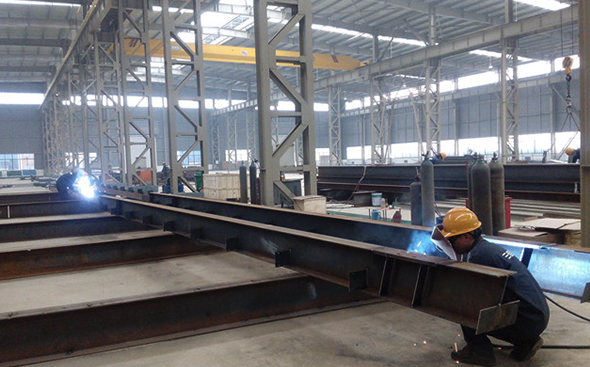
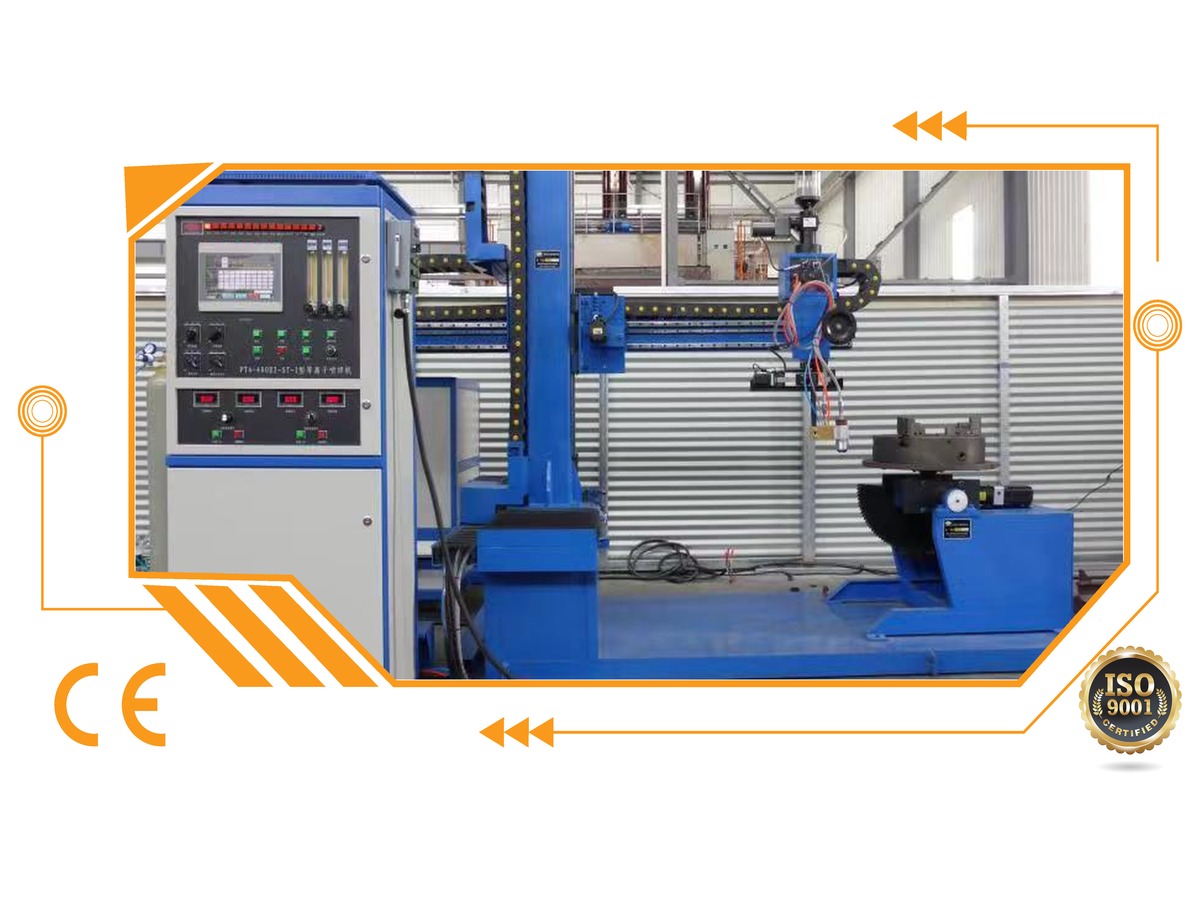
Orbital welding rotates the welding tool 360 degrees around a stationary workpiece. Developed to solve operator inconsistency in TIG welding, it enables uniform welds around pipes and tubes difficult to achieve manually. Computer-controlled processes create high-quality, repeatable welds with minimal operator intervention.
Key Applications
Orbital TIG welding is essential for semiconductor manufacturing (ultra-high purity gas systems), pharmaceutical industry (cleanroom piping), food and beverage (sanitary tubing), aerospace (hydraulic systems), and nuclear power (critical piping systems).
Advantages
Consistent weld quality independent of operator skill, documented and repeatable parameters, reduced heat input, ability to weld exotic alloys, improved productivity through reduced rework, and data acquisition for traceability.
Conclusion
Orbital TIG welding has become indispensable for industries requiring the highest levels of weld quality and purity.
How to Implement This Technology
Follow these key steps for successful implementation:
- Select the appropriate orbital welding head (open or closed) based on pipe diameter and application
- Prepare tube ends with square cut and proper deburring for consistent fit-up
- Insert and clamp tubes in the orbital welding head with proper alignment
- Program weld parameters including pre-purge, weld current, rotation speed, and post-purge
- Initiate the automatic welding cycle and monitor through the control system display
- Perform visual inspection and, if required, radiographic or ultrasonic examination
Frequently Asked Questions
What is orbital TIG welding?
Orbital TIG welding is a mechanized welding process where the welding torch rotates 360 degrees around a stationary pipe or tube. It was developed to eliminate operator error and produce consistent, high-quality welds.
What industries use orbital TIG welding?
Orbital TIG welding is used in semiconductor manufacturing, pharmaceutical production, food and beverage processing, aerospace, nuclear power, and chemical industries where high-purity, defect-free welds are required.
What is the difference between open and closed orbital welding heads?
Closed orbital welding heads enclose the welding arc in a sealed chamber, preventing contamination and particle emission. Open heads are used for larger diameter pipes where accessibility is limited.
Why is orbital welding preferred for high-purity applications?
Orbital welding provides consistent, repeatable weld quality independent of operator skill. It minimizes heat input, reduces contamination risk, and produces smooth, crevice-free joints essential for high-purity applications.
What gases are used in orbital TIG welding?
100% argon is most common. For some exotic alloys, a mixture of 95% argon and 5% hydrogen may be used to improve weld penetration and travel speed.
How to Implement This Technology
Follow these key steps for successful implementation:
- Select the appropriate orbital welding head (open or closed) based on pipe diameter and application
- Prepare tube ends with square cut and proper deburring for consistent fit-up
- Insert and clamp tubes in the orbital welding head with proper alignment
- Program weld parameters including pre-purge, weld current, rotation speed, and post-purge
- Initiate the automatic welding cycle and monitor through the control system display
- Perform visual inspection and, if required, radiographic or ultrasonic examination
Frequently Asked Questions
What is orbital TIG welding?
Orbital TIG welding is a mechanized welding process where the welding torch rotates 360 degrees around a stationary pipe or tube. It was developed to eliminate operator error and produce consistent, high-quality welds.
What industries use orbital TIG welding?
Orbital TIG welding is used in semiconductor manufacturing, pharmaceutical production, food and beverage processing, aerospace, nuclear power, and chemical industries where high-purity, defect-free welds are required.
What is the difference between open and closed orbital welding heads?
Closed orbital welding heads enclose the welding arc in a sealed chamber, preventing contamination and particle emission. Open heads are used for larger diameter pipes where accessibility is limited.
Why is orbital welding preferred for high-purity applications?
Orbital welding provides consistent, repeatable weld quality independent of operator skill. It minimizes heat input, reduces contamination risk, and produces smooth, crevice-free joints essential for high-purity applications.
What gases are used in orbital TIG welding?
100% argon is most common. For some exotic alloys, a mixture of 95% argon and 5% hydrogen may be used to improve weld penetration and travel speed.
How to Implement This Technology
Follow these key steps for successful implementation:
- Select the appropriate orbital welding head (open or closed) based on pipe diameter and application
- Prepare tube ends with square cut and proper deburring for consistent fit-up
- Insert and clamp tubes in the orbital welding head with proper alignment
- Program weld parameters including pre-purge, weld current, rotation speed, and post-purge
- Initiate the automatic welding cycle and monitor through the control system display
- Perform visual inspection and, if required, radiographic or ultrasonic examination
Frequently Asked Questions
What is orbital TIG welding?
Orbital TIG welding is a mechanized welding process where the welding torch rotates 360 degrees around a stationary pipe or tube. It was developed to eliminate operator error and produce consistent, high-quality welds.
What industries use orbital TIG welding?
Orbital TIG welding is used in semiconductor manufacturing, pharmaceutical production, food and beverage processing, aerospace, nuclear power, and chemical industries where high-purity, defect-free welds are required.
What is the difference between open and closed orbital welding heads?
Closed orbital welding heads enclose the welding arc in a sealed chamber, preventing contamination and particle emission. Open heads are used for larger diameter pipes where accessibility is limited.
Why is orbital welding preferred for high-purity applications?
Orbital welding provides consistent, repeatable weld quality independent of operator skill. It minimizes heat input, reduces contamination risk, and produces smooth, crevice-free joints essential for high-purity applications.
What gases are used in orbital TIG welding?
100% argon is most common. For some exotic alloys, a mixture of 95% argon and 5% hydrogen may be used to improve weld penetration and travel speed.
How to Implement This Technology
Follow these key steps for successful implementation:
- Select the appropriate orbital welding head (open or closed) based on pipe diameter and application
- Prepare tube ends with square cut and proper deburring for consistent fit-up
- Insert and clamp tubes in the orbital welding head with proper alignment
- Program weld parameters including pre-purge, weld current, rotation speed, and post-purge
- Initiate the automatic welding cycle and monitor through the control system display
- Perform visual inspection and, if required, radiographic or ultrasonic examination
Frequently Asked Questions
What is orbital TIG welding?
Orbital TIG welding is a mechanized welding process where the welding torch rotates 360 degrees around a stationary pipe or tube. It was developed to eliminate operator error and produce consistent, high-quality welds.
What industries use orbital TIG welding?
Orbital TIG welding is used in semiconductor manufacturing, pharmaceutical production, food and beverage processing, aerospace, nuclear power, and chemical industries where high-purity, defect-free welds are required.
What is the difference between open and closed orbital welding heads?
Closed orbital welding heads enclose the welding arc in a sealed chamber, preventing contamination and particle emission. Open heads are used for larger diameter pipes where accessibility is limited.
Why is orbital welding preferred for high-purity applications?
Orbital welding provides consistent, repeatable weld quality independent of operator skill. It minimizes heat input, reduces contamination risk, and produces smooth, crevice-free joints essential for high-purity applications.
What gases are used in orbital TIG welding?
100% argon is most common. For some exotic alloys, a mixture of 95% argon and 5% hydrogen may be used to improve weld penetration and travel speed.
How to Implement This Technology
Follow these key steps for successful implementation:
- Select the appropriate orbital welding head (open or closed) based on pipe diameter and application
- Prepare tube ends with square cut and proper deburring for consistent fit-up
- Insert and clamp tubes in the orbital welding head with proper alignment
- Program weld parameters including pre-purge, weld current, rotation speed, and post-purge
- Initiate the automatic welding cycle and monitor through the control system display
- Perform visual inspection and, if required, radiographic or ultrasonic examination
Frequently Asked Questions
What is orbital TIG welding?
Orbital TIG welding is a mechanized welding process where the welding torch rotates 360 degrees around a stationary pipe or tube. It was developed to eliminate operator error and produce consistent, high-quality welds.
What industries use orbital TIG welding?
Orbital TIG welding is used in semiconductor manufacturing, pharmaceutical production, food and beverage processing, aerospace, nuclear power, and chemical industries where high-purity, defect-free welds are required.
What is the difference between open and closed orbital welding heads?
Closed orbital welding heads enclose the welding arc in a sealed chamber, preventing contamination and particle emission. Open heads are used for larger diameter pipes where accessibility is limited.
Why is orbital welding preferred for high-purity applications?
Orbital welding provides consistent, repeatable weld quality independent of operator skill. It minimizes heat input, reduces contamination risk, and produces smooth, crevice-free joints essential for high-purity applications.
What gases are used in orbital TIG welding?
100% argon is most common. For some exotic alloys, a mixture of 95% argon and 5% hydrogen may be used to improve weld penetration and travel speed.
How to Implement This Technology
Follow these key steps for successful implementation:
- Select the appropriate orbital welding head (open or closed) based on pipe diameter and application
- Prepare tube ends with square cut and proper deburring for consistent fit-up
- Insert and clamp tubes in the orbital welding head with proper alignment
- Program weld parameters including pre-purge, weld current, rotation speed, and post-purge
- Initiate the automatic welding cycle and monitor through the control system display
- Perform visual inspection and, if required, radiographic or ultrasonic examination
Frequently Asked Questions
What is orbital TIG welding?
Orbital TIG welding is a mechanized welding process where the welding torch rotates 360 degrees around a stationary pipe or tube. It was developed to eliminate operator error and produce consistent, high-quality welds.
What industries use orbital TIG welding?
Orbital TIG welding is used in semiconductor manufacturing, pharmaceutical production, food and beverage processing, aerospace, nuclear power, and chemical industries where high-purity, defect-free welds are required.
What is the difference between open and closed orbital welding heads?
Closed orbital welding heads enclose the welding arc in a sealed chamber, preventing contamination and particle emission. Open heads are used for larger diameter pipes where accessibility is limited.
Why is orbital welding preferred for high-purity applications?
Orbital welding provides consistent, repeatable weld quality independent of operator skill. It minimizes heat input, reduces contamination risk, and produces smooth, crevice-free joints essential for high-purity applications.
What gases are used in orbital TIG welding?
100% argon is most common. For some exotic alloys, a mixture of 95% argon and 5% hydrogen may be used to improve weld penetration and travel speed.
How to Implement This Technology
Follow these key steps for successful implementation:
- Select the appropriate orbital welding head (open or closed) based on pipe diameter and application
- Prepare tube ends with square cut and proper deburring for consistent fit-up
- Insert and clamp tubes in the orbital welding head with proper alignment
- Program weld parameters including pre-purge, weld current, rotation speed, and post-purge
- Initiate the automatic welding cycle and monitor through the control system display
- Perform visual inspection and, if required, radiographic or ultrasonic examination
Frequently Asked Questions
What is orbital TIG welding?
Orbital TIG welding is a mechanized welding process where the welding torch rotates 360 degrees around a stationary pipe or tube. It was developed to eliminate operator error and produce consistent, high-quality welds.
What industries use orbital TIG welding?
Orbital TIG welding is used in semiconductor manufacturing, pharmaceutical production, food and beverage processing, aerospace, nuclear power, and chemical industries where high-purity, defect-free welds are required.
What is the difference between open and closed orbital welding heads?
Closed orbital welding heads enclose the welding arc in a sealed chamber, preventing contamination and particle emission. Open heads are used for larger diameter pipes where accessibility is limited.
Why is orbital welding preferred for high-purity applications?
Orbital welding provides consistent, repeatable weld quality independent of operator skill. It minimizes heat input, reduces contamination risk, and produces smooth, crevice-free joints essential for high-purity applications.
What gases are used in orbital TIG welding?
100% argon is most common. For some exotic alloys, a mixture of 95% argon and 5% hydrogen may be used to improve weld penetration and travel speed.
How to Implement This Technology
Follow these key steps for successful implementation:
- Select the appropriate orbital welding head (open or closed) based on pipe diameter and application
- Prepare tube ends with square cut and proper deburring for consistent fit-up
- Insert and clamp tubes in the orbital welding head with proper alignment
- Program weld parameters including pre-purge, weld current, rotation speed, and post-purge
- Initiate the automatic welding cycle and monitor through the control system display
- Perform visual inspection and, if required, radiographic or ultrasonic examination
Frequently Asked Questions
What is orbital TIG welding?
Orbital TIG welding is a mechanized welding process where the welding torch rotates 360 degrees around a stationary pipe or tube. It was developed to eliminate operator error and produce consistent, high-quality welds.
What industries use orbital TIG welding?
Orbital TIG welding is used in semiconductor manufacturing, pharmaceutical production, food and beverage processing, aerospace, nuclear power, and chemical industries where high-purity, defect-free welds are required.
What is the difference between open and closed orbital welding heads?
Closed orbital welding heads enclose the welding arc in a sealed chamber, preventing contamination and particle emission. Open heads are used for larger diameter pipes where accessibility is limited.
Why is orbital welding preferred for high-purity applications?
Orbital welding provides consistent, repeatable weld quality independent of operator skill. It minimizes heat input, reduces contamination risk, and produces smooth, crevice-free joints essential for high-purity applications.
What gases are used in orbital TIG welding?
100% argon is most common. For some exotic alloys, a mixture of 95% argon and 5% hydrogen may be used to improve weld penetration and travel speed.
How to Implement This Technology
Follow these key steps for successful implementation:
- Select the appropriate orbital welding head (open or closed) based on pipe diameter and application
- Prepare tube ends with square cut and proper deburring for consistent fit-up
- Insert and clamp tubes in the orbital welding head with proper alignment
- Program weld parameters including pre-purge, weld current, rotation speed, and post-purge
- Initiate the automatic welding cycle and monitor through the control system display
- Perform visual inspection and, if required, radiographic or ultrasonic examination
Frequently Asked Questions
What is orbital TIG welding?
Orbital TIG welding is a mechanized welding process where the welding torch rotates 360 degrees around a stationary pipe or tube. It was developed to eliminate operator error and produce consistent, high-quality welds.
What industries use orbital TIG welding?
Orbital TIG welding is used in semiconductor manufacturing, pharmaceutical production, food and beverage processing, aerospace, nuclear power, and chemical industries where high-purity, defect-free welds are required.
What is the difference between open and closed orbital welding heads?
Closed orbital welding heads enclose the welding arc in a sealed chamber, preventing contamination and particle emission. Open heads are used for larger diameter pipes where accessibility is limited.
Why is orbital welding preferred for high-purity applications?
Orbital welding provides consistent, repeatable weld quality independent of operator skill. It minimizes heat input, reduces contamination risk, and produces smooth, crevice-free joints essential for high-purity applications.
What gases are used in orbital TIG welding?
100% argon is most common. For some exotic alloys, a mixture of 95% argon and 5% hydrogen may be used to improve weld penetration and travel speed.
How to Implement This Technology
Follow these key steps for successful implementation:
- Select the appropriate orbital welding head (open or closed) based on pipe diameter and application
- Prepare tube ends with square cut and proper deburring for consistent fit-up
- Insert and clamp tubes in the orbital welding head with proper alignment
- Program weld parameters including pre-purge, weld current, rotation speed, and post-purge
- Initiate the automatic welding cycle and monitor through the control system display
- Perform visual inspection and, if required, radiographic or ultrasonic examination
Frequently Asked Questions
What is orbital TIG welding?
Orbital TIG welding is a mechanized welding process where the welding torch rotates 360 degrees around a stationary pipe or tube. It was developed to eliminate operator error and produce consistent, high-quality welds.
What industries use orbital TIG welding?
Orbital TIG welding is used in semiconductor manufacturing, pharmaceutical production, food and beverage processing, aerospace, nuclear power, and chemical industries where high-purity, defect-free welds are required.
What is the difference between open and closed orbital welding heads?
Closed orbital welding heads enclose the welding arc in a sealed chamber, preventing contamination and particle emission. Open heads are used for larger diameter pipes where accessibility is limited.
Why is orbital welding preferred for high-purity applications?
Orbital welding provides consistent, repeatable weld quality independent of operator skill. It minimizes heat input, reduces contamination risk, and produces smooth, crevice-free joints essential for high-purity applications.
What gases are used in orbital TIG welding?
100% argon is most common. For some exotic alloys, a mixture of 95% argon and 5% hydrogen may be used to improve weld penetration and travel speed.
How to Implement This Technology
Follow these key steps for successful implementation:
- Select the appropriate orbital welding head (open or closed) based on pipe diameter and application
- Prepare tube ends with square cut and proper deburring for consistent fit-up
- Insert and clamp tubes in the orbital welding head with proper alignment
- Program weld parameters including pre-purge, weld current, rotation speed, and post-purge
- Initiate the automatic welding cycle and monitor through the control system display
- Perform visual inspection and, if required, radiographic or ultrasonic examination
Frequently Asked Questions
What is orbital TIG welding?
Orbital TIG welding is a mechanized welding process where the welding torch rotates 360 degrees around a stationary pipe or tube. It was developed to eliminate operator error and produce consistent, high-quality welds.
What industries use orbital TIG welding?
Orbital TIG welding is used in semiconductor manufacturing, pharmaceutical production, food and beverage processing, aerospace, nuclear power, and chemical industries where high-purity, defect-free welds are required.
What is the difference between open and closed orbital welding heads?
Closed orbital welding heads enclose the welding arc in a sealed chamber, preventing contamination and particle emission. Open heads are used for larger diameter pipes where accessibility is limited.
Why is orbital welding preferred for high-purity applications?
Orbital welding provides consistent, repeatable weld quality independent of operator skill. It minimizes heat input, reduces contamination risk, and produces smooth, crevice-free joints essential for high-purity applications.
What gases are used in orbital TIG welding?
100% argon is most common. For some exotic alloys, a mixture of 95% argon and 5% hydrogen may be used to improve weld penetration and travel speed.
How to Implement This Technology
Follow these key steps for successful implementation:
- Select the appropriate orbital welding head (open or closed) based on pipe diameter and application
- Prepare tube ends with square cut and proper deburring for consistent fit-up
- Insert and clamp tubes in the orbital welding head with proper alignment
- Program weld parameters including pre-purge, weld current, rotation speed, and post-purge
- Initiate the automatic welding cycle and monitor through the control system display
- Perform visual inspection and, if required, radiographic or ultrasonic examination
Frequently Asked Questions
What is orbital TIG welding?
Orbital TIG welding is a mechanized welding process where the welding torch rotates 360 degrees around a stationary pipe or tube. It was developed to eliminate operator error and produce consistent, high-quality welds.
What industries use orbital TIG welding?
Orbital TIG welding is used in semiconductor manufacturing, pharmaceutical production, food and beverage processing, aerospace, nuclear power, and chemical industries where high-purity, defect-free welds are required.
What is the difference between open and closed orbital welding heads?
Closed orbital welding heads enclose the welding arc in a sealed chamber, preventing contamination and particle emission. Open heads are used for larger diameter pipes where accessibility is limited.
Why is orbital welding preferred for high-purity applications?
Orbital welding provides consistent, repeatable weld quality independent of operator skill. It minimizes heat input, reduces contamination risk, and produces smooth, crevice-free joints essential for high-purity applications.
What gases are used in orbital TIG welding?
100% argon is most common. For some exotic alloys, a mixture of 95% argon and 5% hydrogen may be used to improve weld penetration and travel speed.
How to Implement This Technology
Follow these key steps for successful implementation:
- Select the appropriate orbital welding head (open or closed) based on pipe diameter and application
- Prepare tube ends with square cut and proper deburring for consistent fit-up
- Insert and clamp tubes in the orbital welding head with proper alignment
- Program weld parameters including pre-purge, weld current, rotation speed, and post-purge
- Initiate the automatic welding cycle and monitor through the control system display
- Perform visual inspection and, if required, radiographic or ultrasonic examination
Frequently Asked Questions
What is orbital TIG welding?
Orbital TIG welding is a mechanized welding process where the welding torch rotates 360 degrees around a stationary pipe or tube. It was developed to eliminate operator error and produce consistent, high-quality welds.
What industries use orbital TIG welding?
Orbital TIG welding is used in semiconductor manufacturing, pharmaceutical production, food and beverage processing, aerospace, nuclear power, and chemical industries where high-purity, defect-free welds are required.
What is the difference between open and closed orbital welding heads?
Closed orbital welding heads enclose the welding arc in a sealed chamber, preventing contamination and particle emission. Open heads are used for larger diameter pipes where accessibility is limited.
Why is orbital welding preferred for high-purity applications?
Orbital welding provides consistent, repeatable weld quality independent of operator skill. It minimizes heat input, reduces contamination risk, and produces smooth, crevice-free joints essential for high-purity applications.
What gases are used in orbital TIG welding?
100% argon is most common. For some exotic alloys, a mixture of 95% argon and 5% hydrogen may be used to improve weld penetration and travel speed.
How to Implement This Technology
Follow these key steps for successful implementation:
- Select the appropriate orbital welding head (open or closed) based on pipe diameter and application
- Prepare tube ends with square cut and proper deburring for consistent fit-up
- Insert and clamp tubes in the orbital welding head with proper alignment
- Program weld parameters including pre-purge, weld current, rotation speed, and post-purge
- Initiate the automatic welding cycle and monitor through the control system display
- Perform visual inspection and, if required, radiographic or ultrasonic examination
Frequently Asked Questions
What is orbital TIG welding?
Orbital TIG welding is a mechanized welding process where the welding torch rotates 360 degrees around a stationary pipe or tube. It was developed to eliminate operator error and produce consistent, high-quality welds.
What industries use orbital TIG welding?
Orbital TIG welding is used in semiconductor manufacturing, pharmaceutical production, food and beverage processing, aerospace, nuclear power, and chemical industries where high-purity, defect-free welds are required.
What is the difference between open and closed orbital welding heads?
Closed orbital welding heads enclose the welding arc in a sealed chamber, preventing contamination and particle emission. Open heads are used for larger diameter pipes where accessibility is limited.
Why is orbital welding preferred for high-purity applications?
Orbital welding provides consistent, repeatable weld quality independent of operator skill. It minimizes heat input, reduces contamination risk, and produces smooth, crevice-free joints essential for high-purity applications.
What gases are used in orbital TIG welding?
100% argon is most common. For some exotic alloys, a mixture of 95% argon and 5% hydrogen may be used to improve weld penetration and travel speed.
How to Implement This Technology
Follow these key steps for successful implementation:
- Select the appropriate orbital welding head (open or closed) based on pipe diameter and application
- Prepare tube ends with square cut and proper deburring for consistent fit-up
- Insert and clamp tubes in the orbital welding head with proper alignment
- Program weld parameters including pre-purge, weld current, rotation speed, and post-purge
- Initiate the automatic welding cycle and monitor through the control system display
- Perform visual inspection and, if required, radiographic or ultrasonic examination
Frequently Asked Questions
What is orbital TIG welding?
Orbital TIG welding is a mechanized welding process where the welding torch rotates 360 degrees around a stationary pipe or tube. It was developed to eliminate operator error and produce consistent, high-quality welds.
What industries use orbital TIG welding?
Orbital TIG welding is used in semiconductor manufacturing, pharmaceutical production, food and beverage processing, aerospace, nuclear power, and chemical industries where high-purity, defect-free welds are required.
What is the difference between open and closed orbital welding heads?
Closed orbital welding heads enclose the welding arc in a sealed chamber, preventing contamination and particle emission. Open heads are used for larger diameter pipes where accessibility is limited.
Why is orbital welding preferred for high-purity applications?
Orbital welding provides consistent, repeatable weld quality independent of operator skill. It minimizes heat input, reduces contamination risk, and produces smooth, crevice-free joints essential for high-purity applications.
What gases are used in orbital TIG welding?
100% argon is most common. For some exotic alloys, a mixture of 95% argon and 5% hydrogen may be used to improve weld penetration and travel speed.
How to Implement This Technology
Follow these key steps for successful implementation:
- Select the appropriate orbital welding head (open or closed) based on pipe diameter and application
- Prepare tube ends with square cut and proper deburring for consistent fit-up
- Insert and clamp tubes in the orbital welding head with proper alignment
- Program weld parameters including pre-purge, weld current, rotation speed, and post-purge
- Initiate the automatic welding cycle and monitor through the control system display
- Perform visual inspection and, if required, radiographic or ultrasonic examination
Frequently Asked Questions
What is orbital TIG welding?
Orbital TIG welding is a mechanized welding process where the welding torch rotates 360 degrees around a stationary pipe or tube. It was developed to eliminate operator error and produce consistent, high-quality welds.
What industries use orbital TIG welding?
Orbital TIG welding is used in semiconductor manufacturing, pharmaceutical production, food and beverage processing, aerospace, nuclear power, and chemical industries where high-purity, defect-free welds are required.
What is the difference between open and closed orbital welding heads?
Closed orbital welding heads enclose the welding arc in a sealed chamber, preventing contamination and particle emission. Open heads are used for larger diameter pipes where accessibility is limited.
Why is orbital welding preferred for high-purity applications?
Orbital welding provides consistent, repeatable weld quality independent of operator skill. It minimizes heat input, reduces contamination risk, and produces smooth, crevice-free joints essential for high-purity applications.
What gases are used in orbital TIG welding?
100% argon is most common. For some exotic alloys, a mixture of 95% argon and 5% hydrogen may be used to improve weld penetration and travel speed.
How to Implement This Technology
Follow these key steps for successful implementation:
- Select the appropriate orbital welding head (open or closed) based on pipe diameter and application
- Prepare tube ends with square cut and proper deburring for consistent fit-up
- Insert and clamp tubes in the orbital welding head with proper alignment
- Program weld parameters including pre-purge, weld current, rotation speed, and post-purge
- Initiate the automatic welding cycle and monitor through the control system display
- Perform visual inspection and, if required, radiographic or ultrasonic examination
Frequently Asked Questions
What is orbital TIG welding?
Orbital TIG welding is a mechanized welding process where the welding torch rotates 360 degrees around a stationary pipe or tube. It was developed to eliminate operator error and produce consistent, high-quality welds.
What industries use orbital TIG welding?
Orbital TIG welding is used in semiconductor manufacturing, pharmaceutical production, food and beverage processing, aerospace, nuclear power, and chemical industries where high-purity, defect-free welds are required.
What is the difference between open and closed orbital welding heads?
Closed orbital welding heads enclose the welding arc in a sealed chamber, preventing contamination and particle emission. Open heads are used for larger diameter pipes where accessibility is limited.
Why is orbital welding preferred for high-purity applications?
Orbital welding provides consistent, repeatable weld quality independent of operator skill. It minimizes heat input, reduces contamination risk, and produces smooth, crevice-free joints essential for high-purity applications.
What gases are used in orbital TIG welding?
100% argon is most common. For some exotic alloys, a mixture of 95% argon and 5% hydrogen may be used to improve weld penetration and travel speed.
How to Implement This Technology
Follow these key steps for successful implementation:
- Select the appropriate orbital welding head (open or closed) based on pipe diameter and application
- Prepare tube ends with square cut and proper deburring for consistent fit-up
- Insert and clamp tubes in the orbital welding head with proper alignment
- Program weld parameters including pre-purge, weld current, rotation speed, and post-purge
- Initiate the automatic welding cycle and monitor through the control system display
- Perform visual inspection and, if required, radiographic or ultrasonic examination
Frequently Asked Questions
What is orbital TIG welding?
Orbital TIG welding is a mechanized welding process where the welding torch rotates 360 degrees around a stationary pipe or tube. It was developed to eliminate operator error and produce consistent, high-quality welds.
What industries use orbital TIG welding?
Orbital TIG welding is used in semiconductor manufacturing, pharmaceutical production, food and beverage processing, aerospace, nuclear power, and chemical industries where high-purity, defect-free welds are required.
What is the difference between open and closed orbital welding heads?
Closed orbital welding heads enclose the welding arc in a sealed chamber, preventing contamination and particle emission. Open heads are used for larger diameter pipes where accessibility is limited.
Why is orbital welding preferred for high-purity applications?
Orbital welding provides consistent, repeatable weld quality independent of operator skill. It minimizes heat input, reduces contamination risk, and produces smooth, crevice-free joints essential for high-purity applications.
What gases are used in orbital TIG welding?
100% argon is most common. For some exotic alloys, a mixture of 95% argon and 5% hydrogen may be used to improve weld penetration and travel speed.
How to Implement This Technology
Follow these key steps for successful implementation:
- Select the appropriate orbital welding head (open or closed) based on pipe diameter and application
- Prepare tube ends with square cut and proper deburring for consistent fit-up
- Insert and clamp tubes in the orbital welding head with proper alignment
- Program weld parameters including pre-purge, weld current, rotation speed, and post-purge
- Initiate the automatic welding cycle and monitor through the control system display
- Perform visual inspection and, if required, radiographic or ultrasonic examination
Frequently Asked Questions
What is orbital TIG welding?
Orbital TIG welding is a mechanized welding process where the welding torch rotates 360 degrees around a stationary pipe or tube. It was developed to eliminate operator error and produce consistent, high-quality welds.
What industries use orbital TIG welding?
Orbital TIG welding is used in semiconductor manufacturing, pharmaceutical production, food and beverage processing, aerospace, nuclear power, and chemical industries where high-purity, defect-free welds are required.
What is the difference between open and closed orbital welding heads?
Closed orbital welding heads enclose the welding arc in a sealed chamber, preventing contamination and particle emission. Open heads are used for larger diameter pipes where accessibility is limited.
Why is orbital welding preferred for high-purity applications?
Orbital welding provides consistent, repeatable weld quality independent of operator skill. It minimizes heat input, reduces contamination risk, and produces smooth, crevice-free joints essential for high-purity applications.
What gases are used in orbital TIG welding?
100% argon is most common. For some exotic alloys, a mixture of 95% argon and 5% hydrogen may be used to improve weld penetration and travel speed.
How to Implement This Technology
Follow these key steps for successful implementation:
- Select the appropriate orbital welding head (open or closed) based on pipe diameter and application
- Prepare tube ends with square cut and proper deburring for consistent fit-up
- Insert and clamp tubes in the orbital welding head with proper alignment
- Program weld parameters including pre-purge, weld current, rotation speed, and post-purge
- Initiate the automatic welding cycle and monitor through the control system display
- Perform visual inspection and, if required, radiographic or ultrasonic examination
Frequently Asked Questions
What is orbital TIG welding?
Orbital TIG welding is a mechanized welding process where the welding torch rotates 360 degrees around a stationary pipe or tube. It was developed to eliminate operator error and produce consistent, high-quality welds.
What industries use orbital TIG welding?
Orbital TIG welding is used in semiconductor manufacturing, pharmaceutical production, food and beverage processing, aerospace, nuclear power, and chemical industries where high-purity, defect-free welds are required.
What is the difference between open and closed orbital welding heads?
Closed orbital welding heads enclose the welding arc in a sealed chamber, preventing contamination and particle emission. Open heads are used for larger diameter pipes where accessibility is limited.
Why is orbital welding preferred for high-purity applications?
Orbital welding provides consistent, repeatable weld quality independent of operator skill. It minimizes heat input, reduces contamination risk, and produces smooth, crevice-free joints essential for high-purity applications.
What gases are used in orbital TIG welding?
100% argon is most common. For some exotic alloys, a mixture of 95% argon and 5% hydrogen may be used to improve weld penetration and travel speed.
How to Implement This Technology
Follow these key steps for successful implementation:
- Select the appropriate orbital welding head (open or closed) based on pipe diameter and application
- Prepare tube ends with square cut and proper deburring for consistent fit-up
- Insert and clamp tubes in the orbital welding head with proper alignment
- Program weld parameters including pre-purge, weld current, rotation speed, and post-purge
- Initiate the automatic welding cycle and monitor through the control system display
- Perform visual inspection and, if required, radiographic or ultrasonic examination
Frequently Asked Questions
What is orbital TIG welding?
Orbital TIG welding is a mechanized welding process where the welding torch rotates 360 degrees around a stationary pipe or tube. It was developed to eliminate operator error and produce consistent, high-quality welds.
What industries use orbital TIG welding?
Orbital TIG welding is used in semiconductor manufacturing, pharmaceutical production, food and beverage processing, aerospace, nuclear power, and chemical industries where high-purity, defect-free welds are required.
What is the difference between open and closed orbital welding heads?
Closed orbital welding heads enclose the welding arc in a sealed chamber, preventing contamination and particle emission. Open heads are used for larger diameter pipes where accessibility is limited.
Why is orbital welding preferred for high-purity applications?
Orbital welding provides consistent, repeatable weld quality independent of operator skill. It minimizes heat input, reduces contamination risk, and produces smooth, crevice-free joints essential for high-purity applications.
What gases are used in orbital TIG welding?
100% argon is most common. For some exotic alloys, a mixture of 95% argon and 5% hydrogen may be used to improve weld penetration and travel speed.
How to Implement This Technology
Follow these key steps for successful implementation:
- Select the appropriate orbital welding head (open or closed) based on pipe diameter and application
- Prepare tube ends with square cut and proper deburring for consistent fit-up
- Insert and clamp tubes in the orbital welding head with proper alignment
- Program weld parameters including pre-purge, weld current, rotation speed, and post-purge
- Initiate the automatic welding cycle and monitor through the control system display
- Perform visual inspection and, if required, radiographic or ultrasonic examination
Frequently Asked Questions
What is orbital TIG welding?
Orbital TIG welding is a mechanized welding process where the welding torch rotates 360 degrees around a stationary pipe or tube. It was developed to eliminate operator error and produce consistent, high-quality welds.
What industries use orbital TIG welding?
Orbital TIG welding is used in semiconductor manufacturing, pharmaceutical production, food and beverage processing, aerospace, nuclear power, and chemical industries where high-purity, defect-free welds are required.
What is the difference between open and closed orbital welding heads?
Closed orbital welding heads enclose the welding arc in a sealed chamber, preventing contamination and particle emission. Open heads are used for larger diameter pipes where accessibility is limited.
Why is orbital welding preferred for high-purity applications?
Orbital welding provides consistent, repeatable weld quality independent of operator skill. It minimizes heat input, reduces contamination risk, and produces smooth, crevice-free joints essential for high-purity applications.
What gases are used in orbital TIG welding?
100% argon is most common. For some exotic alloys, a mixture of 95% argon and 5% hydrogen may be used to improve weld penetration and travel speed.
How to Implement This Technology
Follow these key steps for successful implementation:
- Select the appropriate orbital welding head (open or closed) based on pipe diameter and application
- Prepare tube ends with square cut and proper deburring for consistent fit-up
- Insert and clamp tubes in the orbital welding head with proper alignment
- Program weld parameters including pre-purge, weld current, rotation speed, and post-purge
- Initiate the automatic welding cycle and monitor through the control system display
- Perform visual inspection and, if required, radiographic or ultrasonic examination
Frequently Asked Questions
What is orbital TIG welding?
Orbital TIG welding is a mechanized welding process where the welding torch rotates 360 degrees around a stationary pipe or tube. It was developed to eliminate operator error and produce consistent, high-quality welds.
What industries use orbital TIG welding?
Orbital TIG welding is used in semiconductor manufacturing, pharmaceutical production, food and beverage processing, aerospace, nuclear power, and chemical industries where high-purity, defect-free welds are required.
What is the difference between open and closed orbital welding heads?
Closed orbital welding heads enclose the welding arc in a sealed chamber, preventing contamination and particle emission. Open heads are used for larger diameter pipes where accessibility is limited.
Why is orbital welding preferred for high-purity applications?
Orbital welding provides consistent, repeatable weld quality independent of operator skill. It minimizes heat input, reduces contamination risk, and produces smooth, crevice-free joints essential for high-purity applications.
What gases are used in orbital TIG welding?
100% argon is most common. For some exotic alloys, a mixture of 95% argon and 5% hydrogen may be used to improve weld penetration and travel speed.
How to Implement This Technology
Follow these key steps for successful implementation:
- Select the appropriate orbital welding head (open or closed) based on pipe diameter and application
- Prepare tube ends with square cut and proper deburring for consistent fit-up
- Insert and clamp tubes in the orbital welding head with proper alignment
- Program weld parameters including pre-purge, weld current, rotation speed, and post-purge
- Initiate the automatic welding cycle and monitor through the control system display
- Perform visual inspection and, if required, radiographic or ultrasonic examination
Frequently Asked Questions
What is orbital TIG welding?
Orbital TIG welding is a mechanized welding process where the welding torch rotates 360 degrees around a stationary pipe or tube. It was developed to eliminate operator error and produce consistent, high-quality welds.
What industries use orbital TIG welding?
Orbital TIG welding is used in semiconductor manufacturing, pharmaceutical production, food and beverage processing, aerospace, nuclear power, and chemical industries where high-purity, defect-free welds are required.
What is the difference between open and closed orbital welding heads?
Closed orbital welding heads enclose the welding arc in a sealed chamber, preventing contamination and particle emission. Open heads are used for larger diameter pipes where accessibility is limited.
Why is orbital welding preferred for high-purity applications?
Orbital welding provides consistent, repeatable weld quality independent of operator skill. It minimizes heat input, reduces contamination risk, and produces smooth, crevice-free joints essential for high-purity applications.
What gases are used in orbital TIG welding?
100% argon is most common. For some exotic alloys, a mixture of 95% argon and 5% hydrogen may be used to improve weld penetration and travel speed.
How to Implement This Technology
Follow these key steps for successful implementation:
- Select the appropriate orbital welding head (open or closed) based on pipe diameter and application
- Prepare tube ends with square cut and proper deburring for consistent fit-up
- Insert and clamp tubes in the orbital welding head with proper alignment
- Program weld parameters including pre-purge, weld current, rotation speed, and post-purge
- Initiate the automatic welding cycle and monitor through the control system display
- Perform visual inspection and, if required, radiographic or ultrasonic examination
Frequently Asked Questions
What is orbital TIG welding?
Orbital TIG welding is a mechanized welding process where the welding torch rotates 360 degrees around a stationary pipe or tube. It was developed to eliminate operator error and produce consistent, high-quality welds.
What industries use orbital TIG welding?
Orbital TIG welding is used in semiconductor manufacturing, pharmaceutical production, food and beverage processing, aerospace, nuclear power, and chemical industries where high-purity, defect-free welds are required.
What is the difference between open and closed orbital welding heads?
Closed orbital welding heads enclose the welding arc in a sealed chamber, preventing contamination and particle emission. Open heads are used for larger diameter pipes where accessibility is limited.
Why is orbital welding preferred for high-purity applications?
Orbital welding provides consistent, repeatable weld quality independent of operator skill. It minimizes heat input, reduces contamination risk, and produces smooth, crevice-free joints essential for high-purity applications.
What gases are used in orbital TIG welding?
100% argon is most common. For some exotic alloys, a mixture of 95% argon and 5% hydrogen may be used to improve weld penetration and travel speed.
How to Implement This Technology
Follow these key steps for successful implementation:
- Select the appropriate orbital welding head (open or closed) based on pipe diameter and application
- Prepare tube ends with square cut and proper deburring for consistent fit-up
- Insert and clamp tubes in the orbital welding head with proper alignment
- Program weld parameters including pre-purge, weld current, rotation speed, and post-purge
- Initiate the automatic welding cycle and monitor through the control system display
- Perform visual inspection and, if required, radiographic or ultrasonic examination
Frequently Asked Questions
What is orbital TIG welding?
Orbital TIG welding is a mechanized welding process where the welding torch rotates 360 degrees around a stationary pipe or tube. It was developed to eliminate operator error and produce consistent, high-quality welds.
What industries use orbital TIG welding?
Orbital TIG welding is used in semiconductor manufacturing, pharmaceutical production, food and beverage processing, aerospace, nuclear power, and chemical industries where high-purity, defect-free welds are required.
What is the difference between open and closed orbital welding heads?
Closed orbital welding heads enclose the welding arc in a sealed chamber, preventing contamination and particle emission. Open heads are used for larger diameter pipes where accessibility is limited.
Why is orbital welding preferred for high-purity applications?
Orbital welding provides consistent, repeatable weld quality independent of operator skill. It minimizes heat input, reduces contamination risk, and produces smooth, crevice-free joints essential for high-purity applications.
What gases are used in orbital TIG welding?
100% argon is most common. For some exotic alloys, a mixture of 95% argon and 5% hydrogen may be used to improve weld penetration and travel speed.
How to Implement This Technology
Follow these key steps for successful implementation:
- Select the appropriate orbital welding head (open or closed) based on pipe diameter and application
- Prepare tube ends with square cut and proper deburring for consistent fit-up
- Insert and clamp tubes in the orbital welding head with proper alignment
- Program weld parameters including pre-purge, weld current, rotation speed, and post-purge
- Initiate the automatic welding cycle and monitor through the control system display
- Perform visual inspection and, if required, radiographic or ultrasonic examination
Frequently Asked Questions
What is orbital TIG welding?
Orbital TIG welding is a mechanized welding process where the welding torch rotates 360 degrees around a stationary pipe or tube. It was developed to eliminate operator error and produce consistent, high-quality welds.
What industries use orbital TIG welding?
Orbital TIG welding is used in semiconductor manufacturing, pharmaceutical production, food and beverage processing, aerospace, nuclear power, and chemical industries where high-purity, defect-free welds are required.
What is the difference between open and closed orbital welding heads?
Closed orbital welding heads enclose the welding arc in a sealed chamber, preventing contamination and particle emission. Open heads are used for larger diameter pipes where accessibility is limited.
Why is orbital welding preferred for high-purity applications?
Orbital welding provides consistent, repeatable weld quality independent of operator skill. It minimizes heat input, reduces contamination risk, and produces smooth, crevice-free joints essential for high-purity applications.
What gases are used in orbital TIG welding?
100% argon is most common. For some exotic alloys, a mixture of 95% argon and 5% hydrogen may be used to improve weld penetration and travel speed.
How to Implement This Technology
Follow these key steps for successful implementation:
- Select the appropriate orbital welding head (open or closed) based on pipe diameter and application
- Prepare tube ends with square cut and proper deburring for consistent fit-up
- Insert and clamp tubes in the orbital welding head with proper alignment
- Program weld parameters including pre-purge, weld current, rotation speed, and post-purge
- Initiate the automatic welding cycle and monitor through the control system display
- Perform visual inspection and, if required, radiographic or ultrasonic examination
Frequently Asked Questions
What is orbital TIG welding?
Orbital TIG welding is a mechanized welding process where the welding torch rotates 360 degrees around a stationary pipe or tube. It was developed to eliminate operator error and produce consistent, high-quality welds.
What industries use orbital TIG welding?
Orbital TIG welding is used in semiconductor manufacturing, pharmaceutical production, food and beverage processing, aerospace, nuclear power, and chemical industries where high-purity, defect-free welds are required.
What is the difference between open and closed orbital welding heads?
Closed orbital welding heads enclose the welding arc in a sealed chamber, preventing contamination and particle emission. Open heads are used for larger diameter pipes where accessibility is limited.
Why is orbital welding preferred for high-purity applications?
Orbital welding provides consistent, repeatable weld quality independent of operator skill. It minimizes heat input, reduces contamination risk, and produces smooth, crevice-free joints essential for high-purity applications.
What gases are used in orbital TIG welding?
100% argon is most common. For some exotic alloys, a mixture of 95% argon and 5% hydrogen may be used to improve weld penetration and travel speed.
How to Implement This Technology
Follow these key steps for successful implementation:
- Select the appropriate orbital welding head (open or closed) based on pipe diameter and application
- Prepare tube ends with square cut and proper deburring for consistent fit-up
- Insert and clamp tubes in the orbital welding head with proper alignment
- Program weld parameters including pre-purge, weld current, rotation speed, and post-purge
- Initiate the automatic welding cycle and monitor through the control system display
- Perform visual inspection and, if required, radiographic or ultrasonic examination
Frequently Asked Questions
What is orbital TIG welding?
Orbital TIG welding is a mechanized welding process where the welding torch rotates 360 degrees around a stationary pipe or tube. It was developed to eliminate operator error and produce consistent, high-quality welds.
What industries use orbital TIG welding?
Orbital TIG welding is used in semiconductor manufacturing, pharmaceutical production, food and beverage processing, aerospace, nuclear power, and chemical industries where high-purity, defect-free welds are required.
What is the difference between open and closed orbital welding heads?
Closed orbital welding heads enclose the welding arc in a sealed chamber, preventing contamination and particle emission. Open heads are used for larger diameter pipes where accessibility is limited.
Why is orbital welding preferred for high-purity applications?
Orbital welding provides consistent, repeatable weld quality independent of operator skill. It minimizes heat input, reduces contamination risk, and produces smooth, crevice-free joints essential for high-purity applications.
What gases are used in orbital TIG welding?
100% argon is most common. For some exotic alloys, a mixture of 95% argon and 5% hydrogen may be used to improve weld penetration and travel speed.