




The Rise of Automated TIG Welding
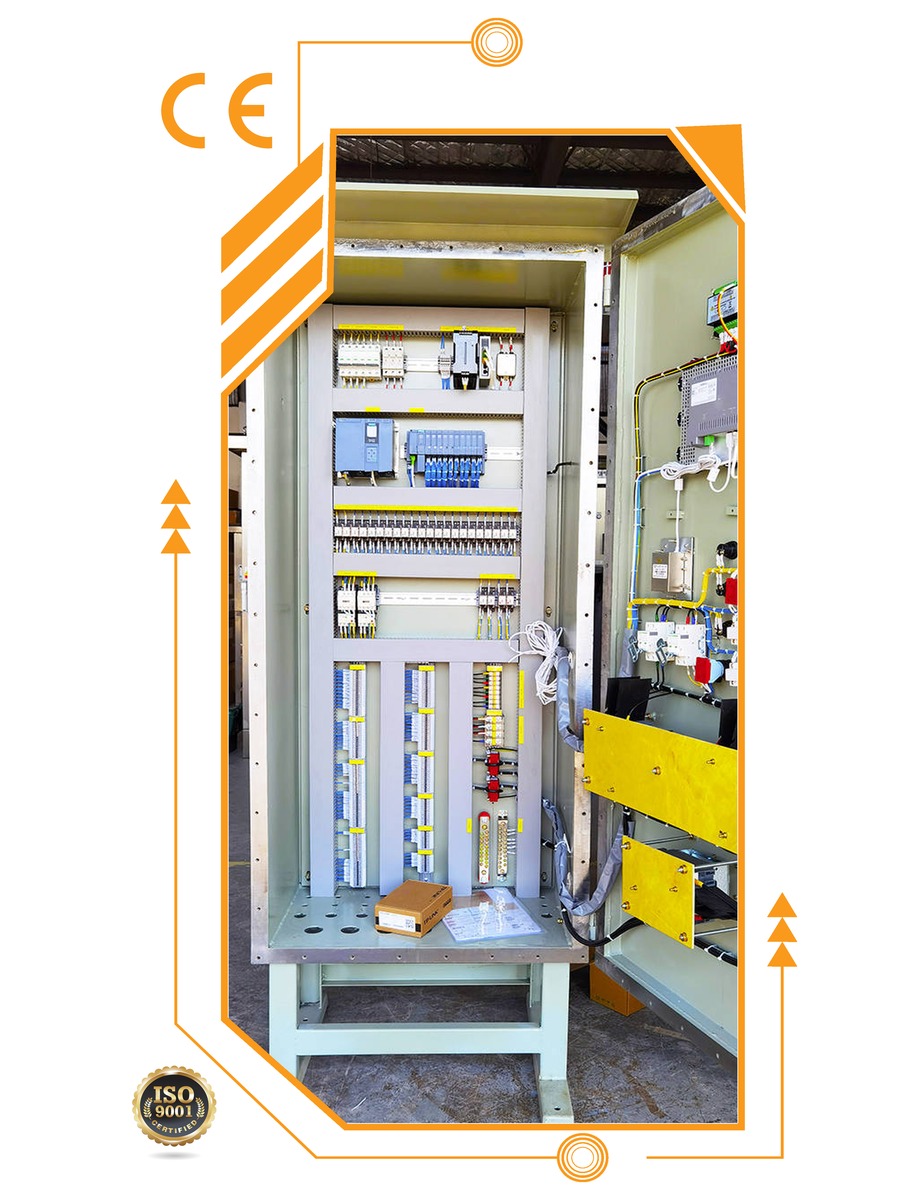
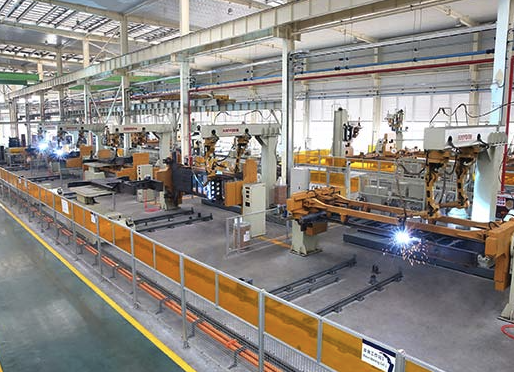
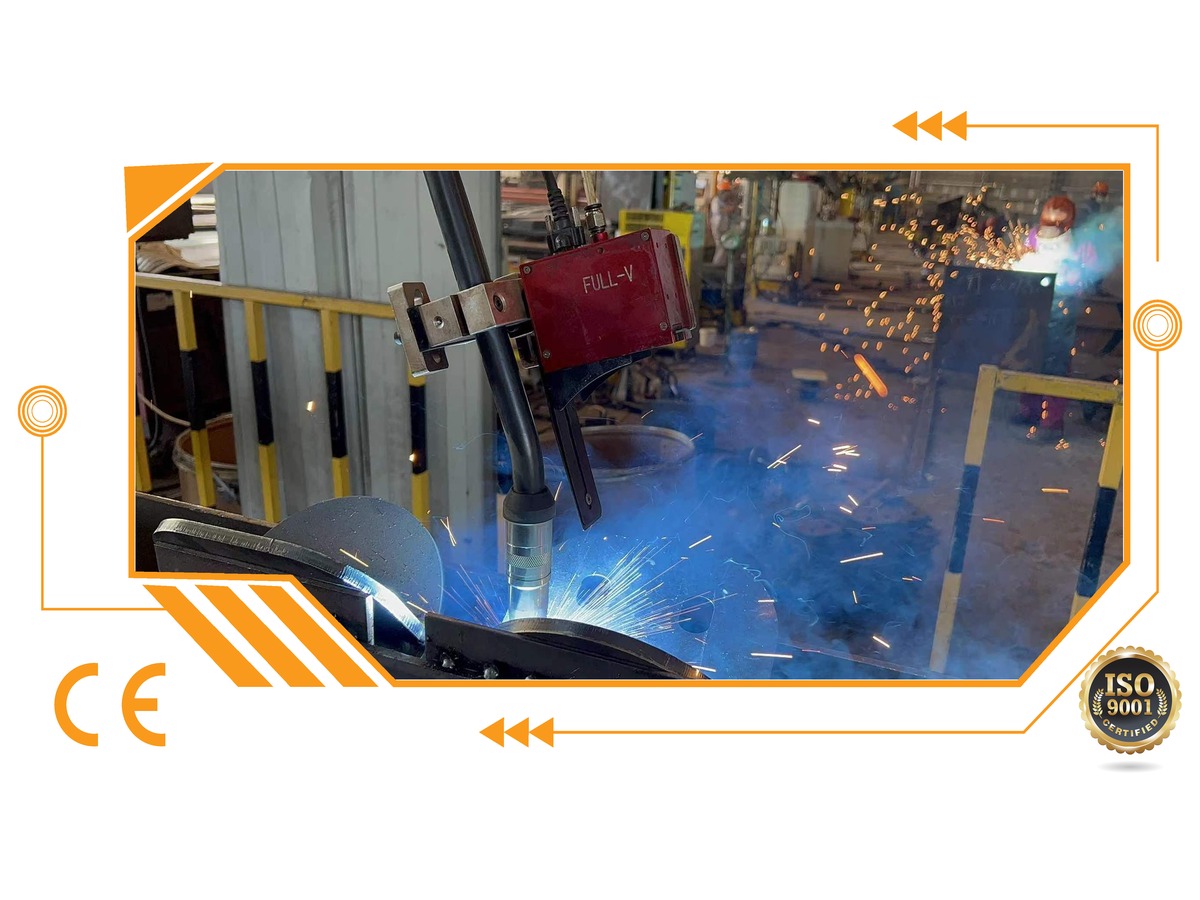
Automated TIG welding technology can weld pipe, tube, and tube sheet applications with or without filler wire, withstanding severe mechanical stress, absorbing high dynamic loads, and providing excellent corrosion resistance. Complex welding sequences can be programmed in advance and stored.
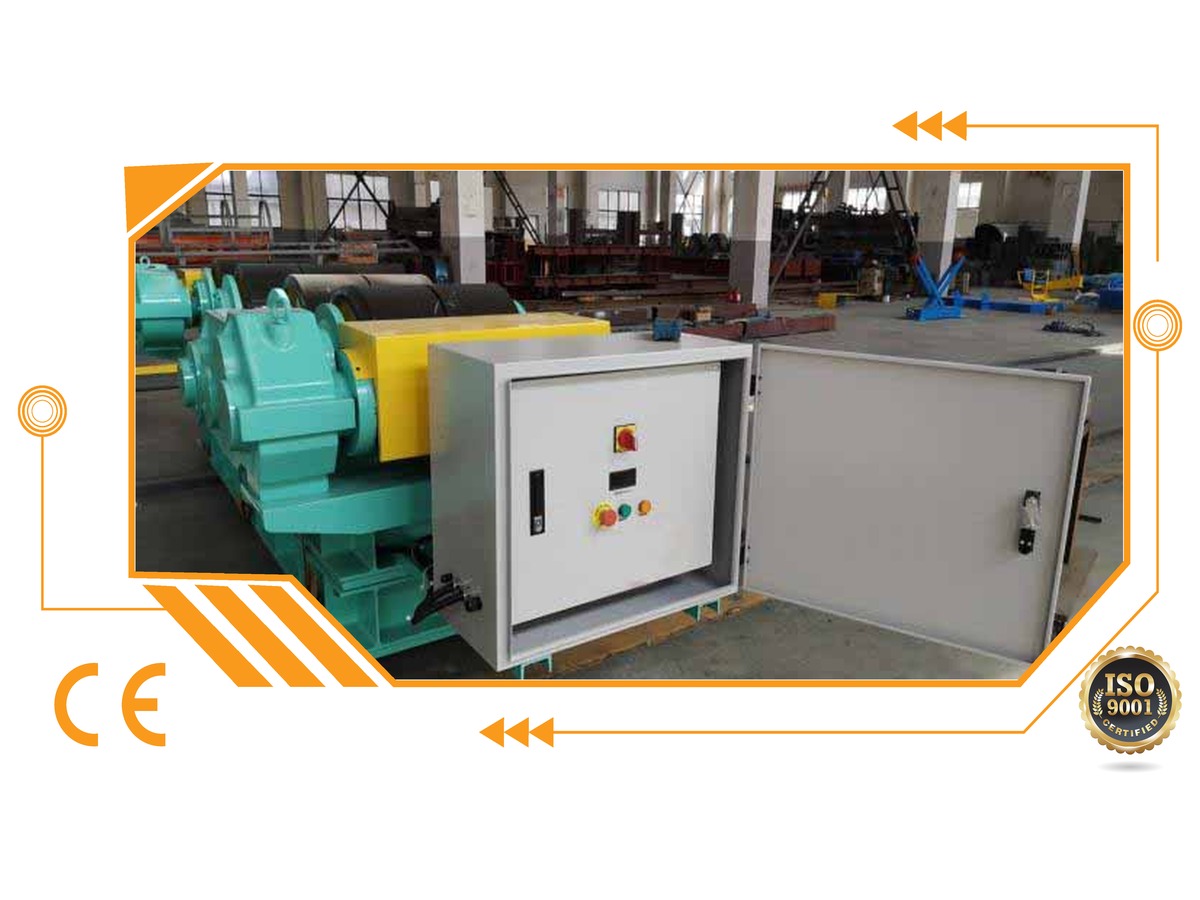
Key Components
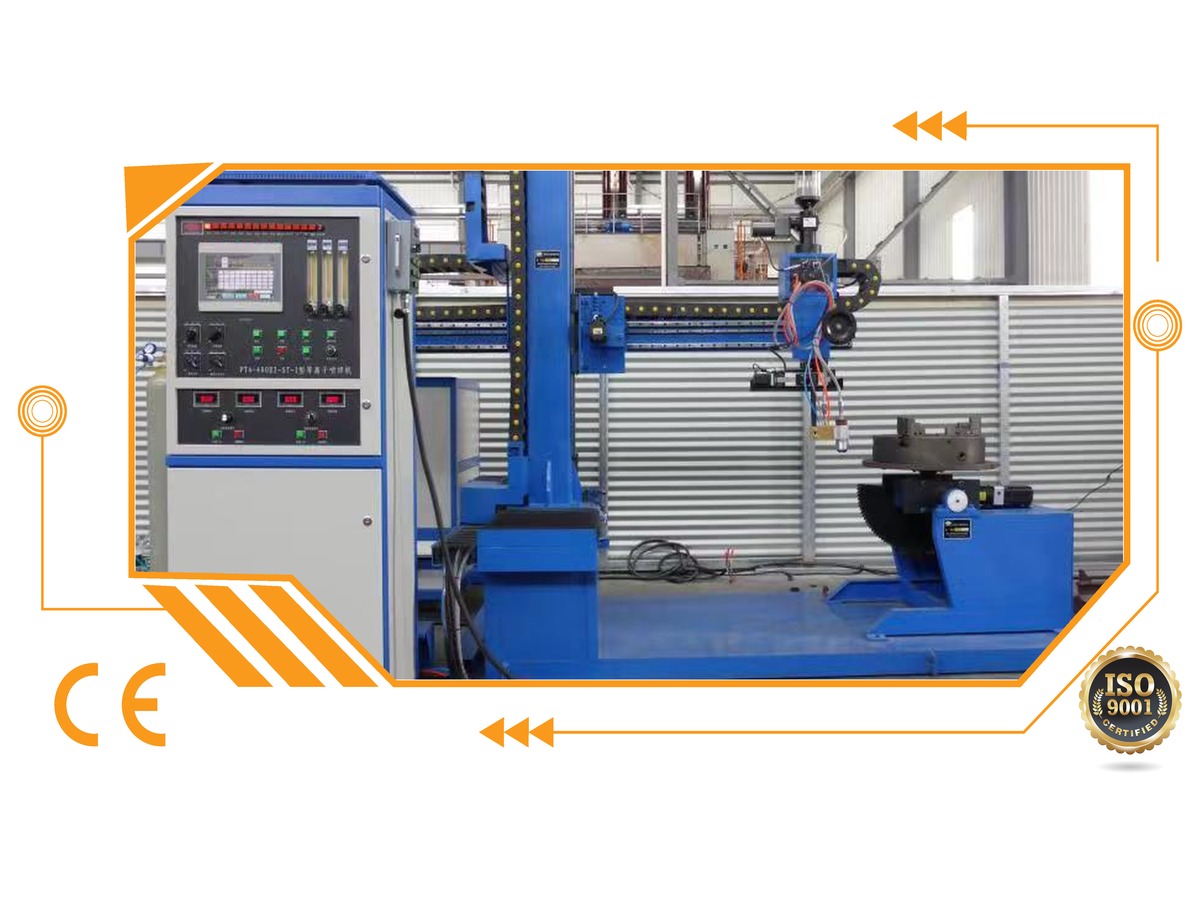
- Welding power source with GUI-based programming
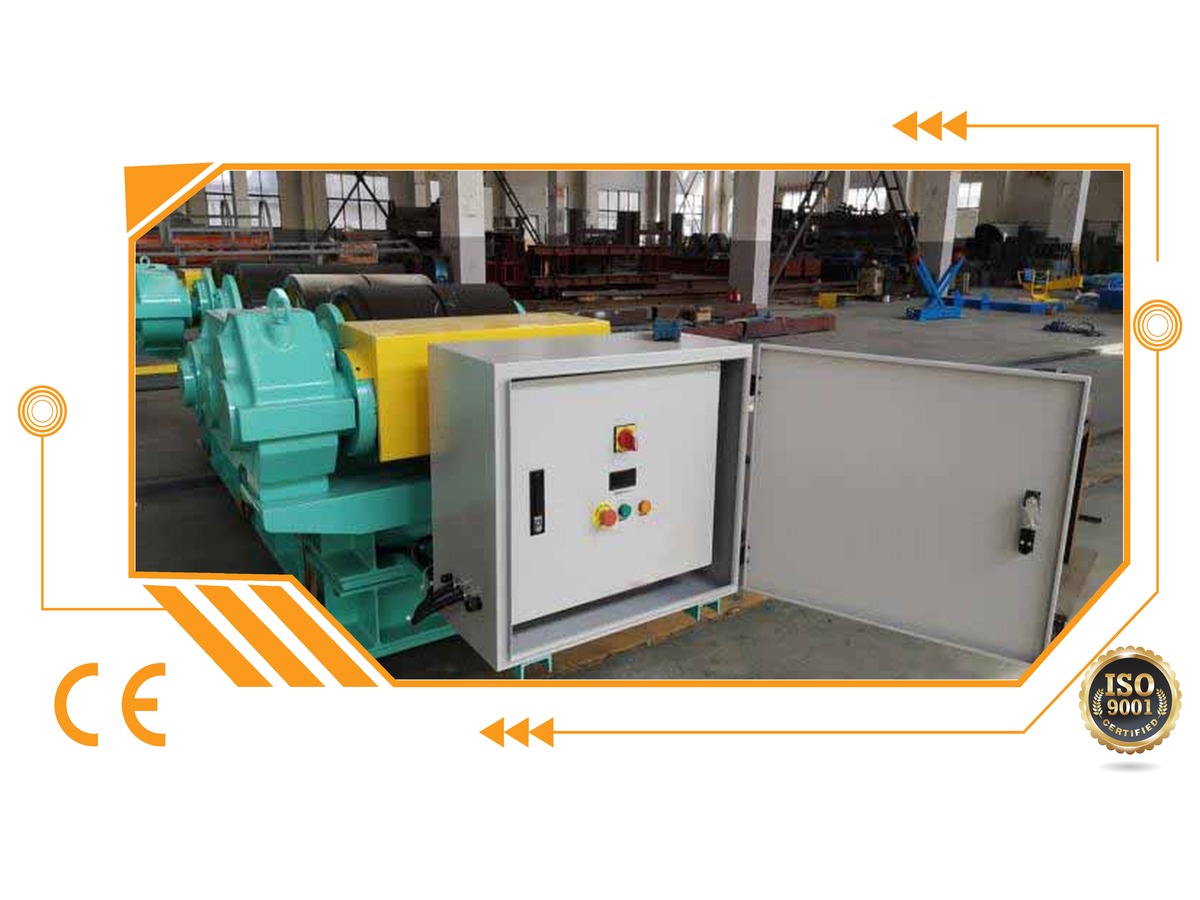
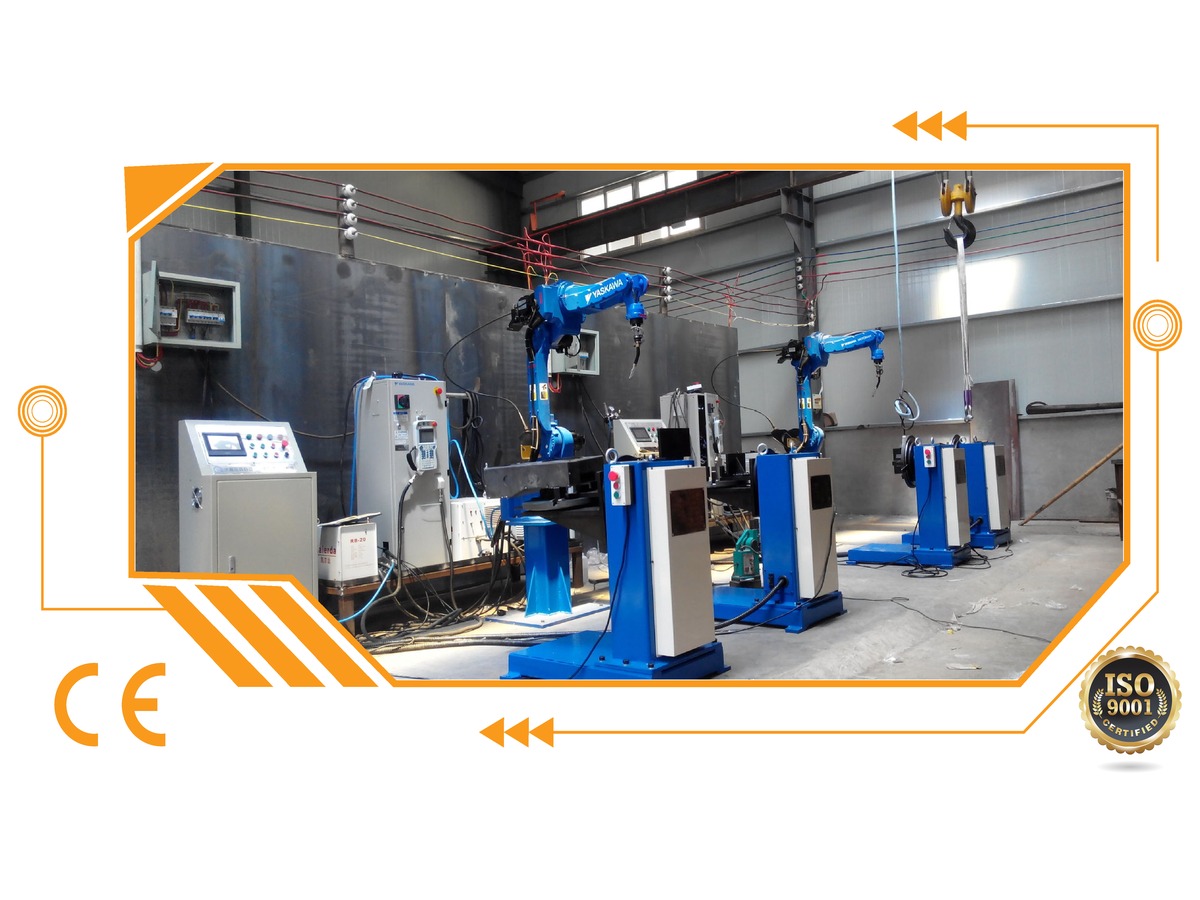
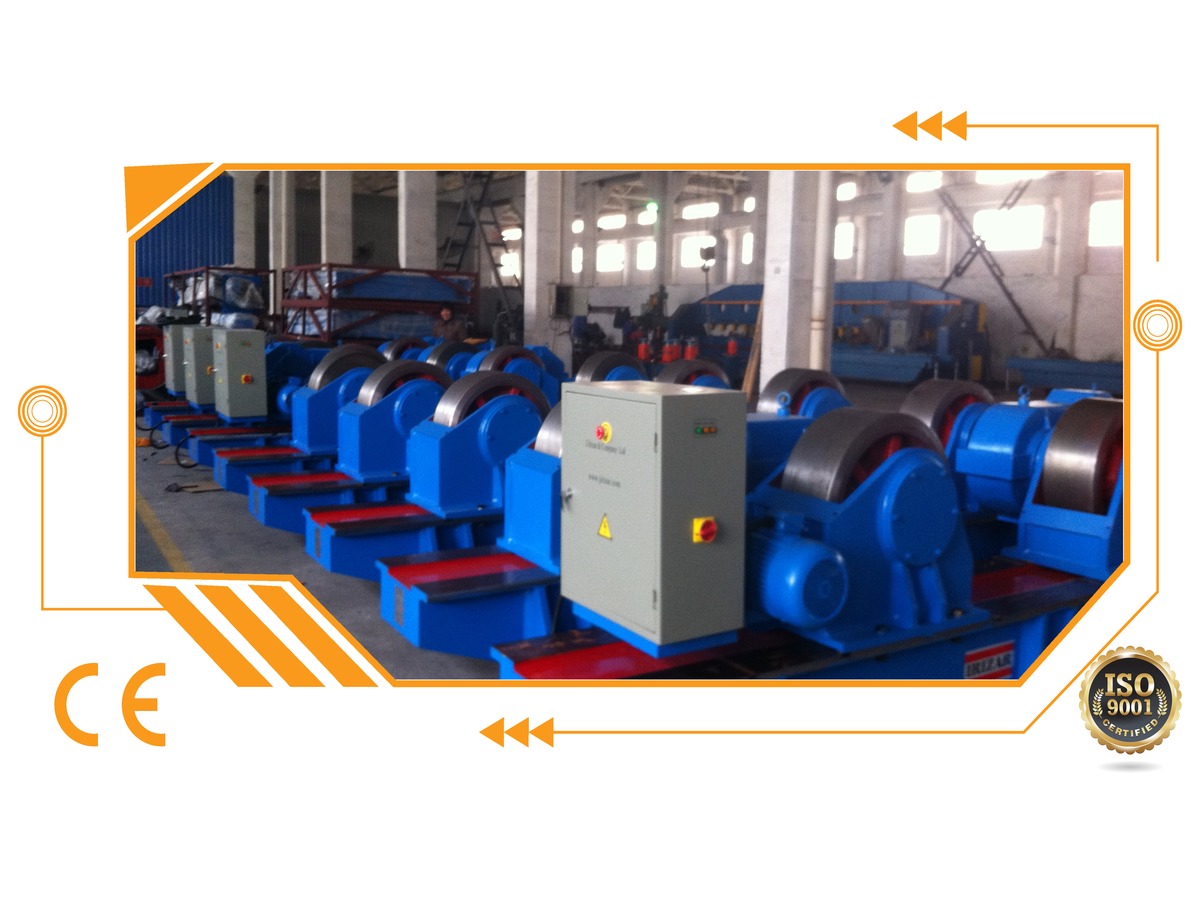
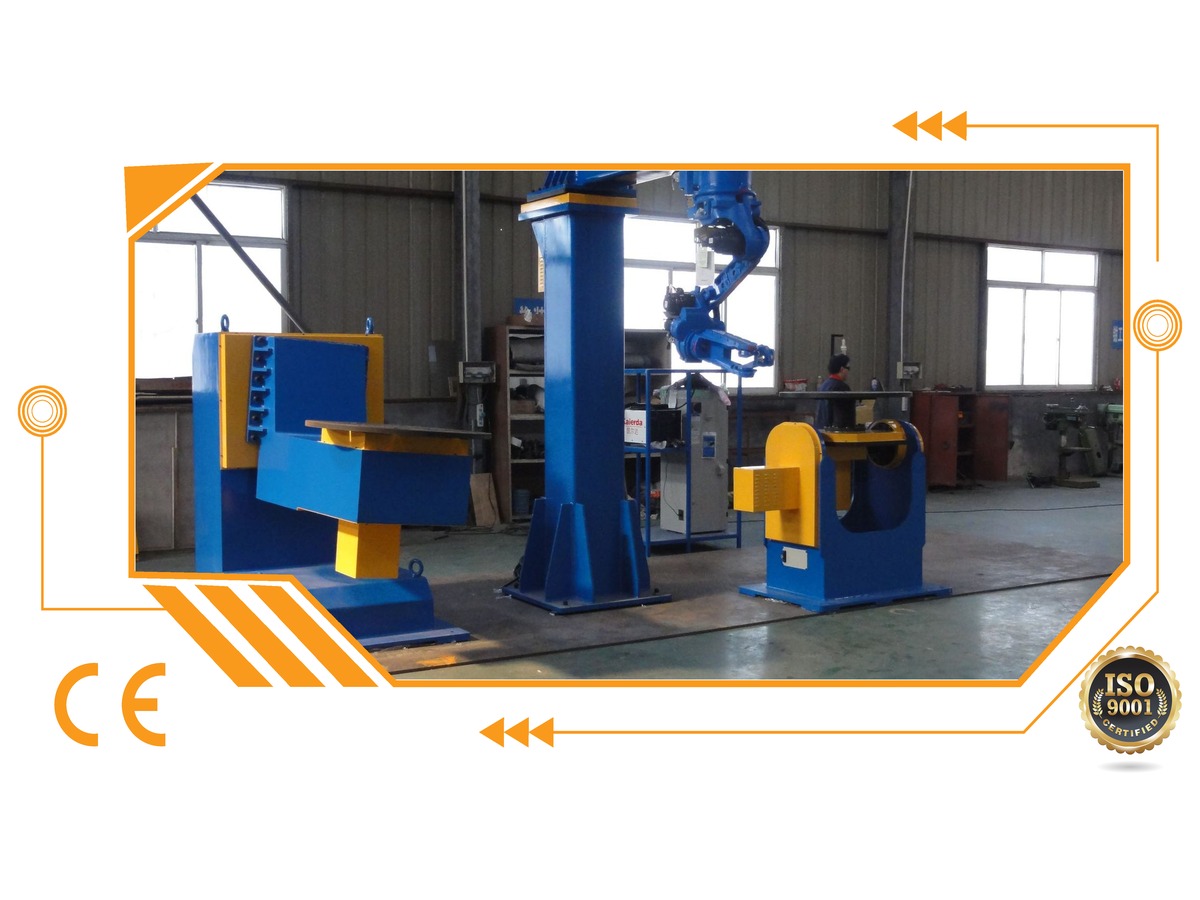
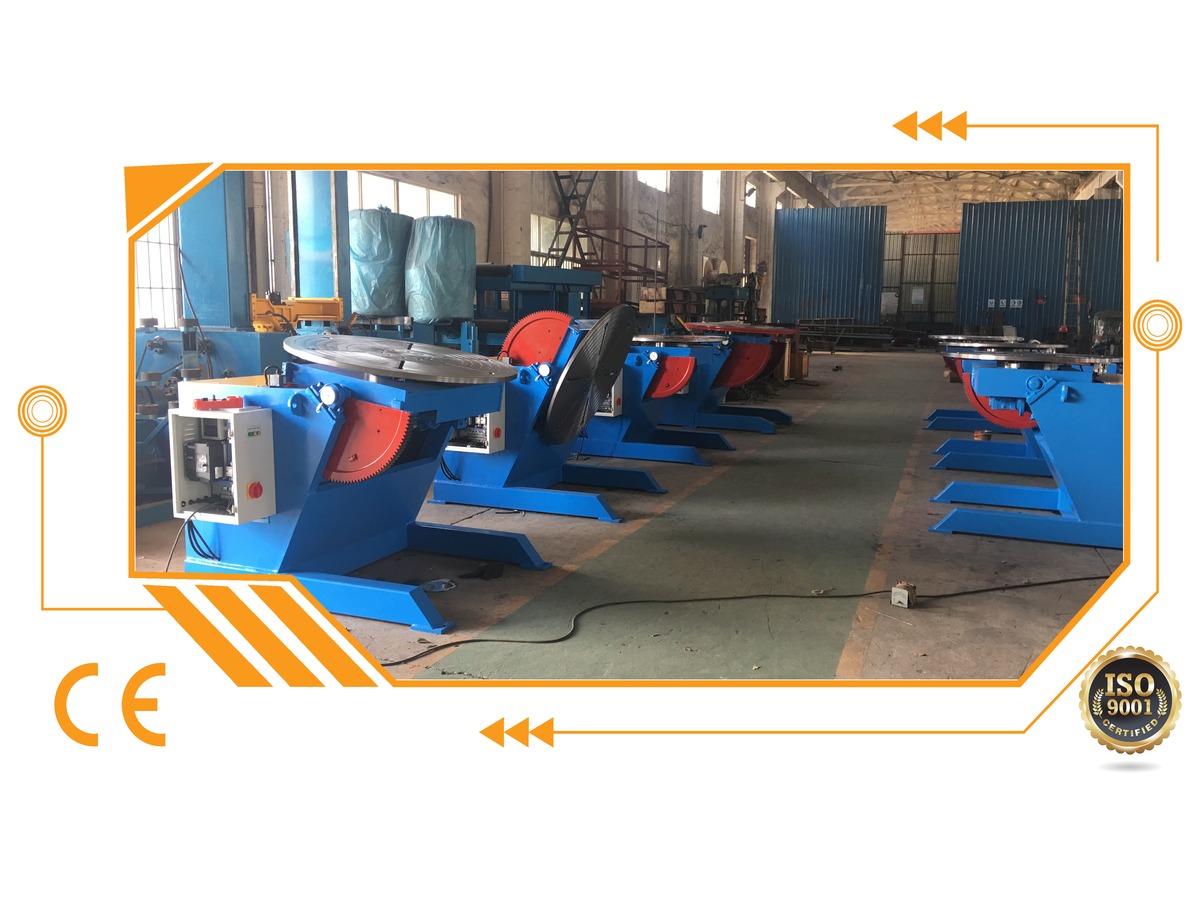
- Positioning equipment: turntables, turning gear, positioners
- Welding head on manipulators for precise torch positioning
- Hot or cold wire feeder
- Data acquisition for quality documentation
Applications
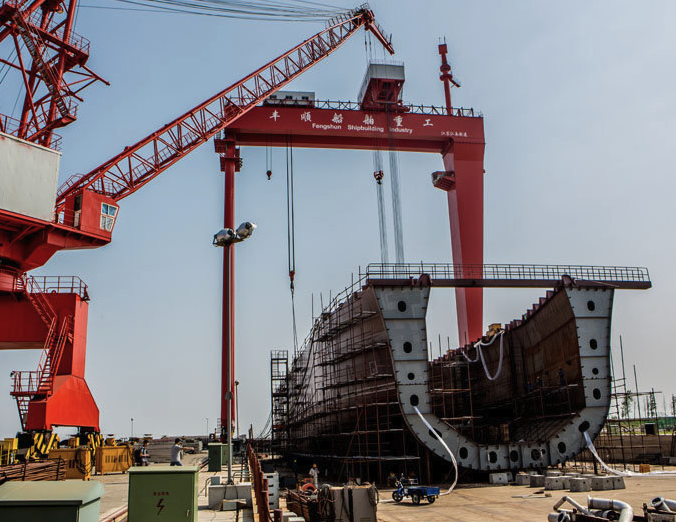
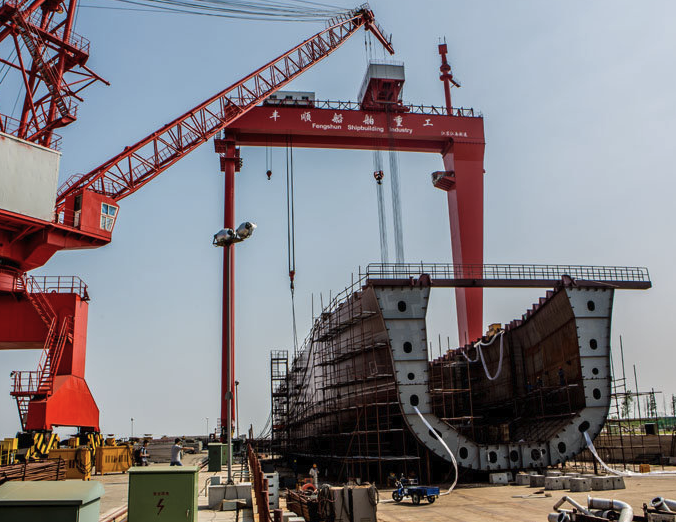
Nuclear industry (rod control mechanisms), chemical and petrochemical (pressure vessels), power generation (boilers and heat exchangers), shipbuilding (pipe prefabrication), and pharmaceutical (sanitary tubing).
Conclusion
Automated TIG welding represents the convergence of traditional welding expertise with modern control technology, delivering higher quality, greater productivity, and improved traceability.
How to Implement This Technology
Follow these key steps for successful implementation:
- Assess the welding application requirements including material, joint type, and production volume
- Select the appropriate automation level: mechanized, automated, or robotic TIG welding
- Design the work cell including positioning equipment, torch manipulator, and safety systems
- Program welding sequences using the graphical user interface and store parameters
- Validate the system through test welds and quality inspection
- Train operators on system operation, monitoring, and troubleshooting
Frequently Asked Questions
What is automated TIG welding?
Automated TIG welding uses computer-controlled equipment to perform Tungsten Inert Gas welding with minimal operator intervention. It includes programmable power sources, robotic manipulators, and wire feeders.
What are the main components of an automated TIG system?
A complete automated TIG system includes a programmable welding power source, welding torch/manipulator, positioning equipment (turntable, positioner, column and boom), wire feeder, control system with GUI, and data acquisition for quality documentation.
What industries benefit most from automated TIG welding?
Nuclear power (control rod mechanisms), pressure vessel manufacturing (boilers, heat exchangers), shipbuilding (pipe prefabrication), chemical processing, and pharmaceutical industries all benefit significantly from automated TIG welding.
How does automated TIG improve productivity?
Automated TIG welding reduces cycle time by 30-70% compared to manual welding, eliminates rework due to consistent quality, and allows one operator to manage multiple welding stations simultaneously.
Can automated TIG welding handle different materials?
Yes. Automated TIG welding can weld carbon steel, stainless steel, aluminum, titanium, nickel alloys, and exotic materials. The control system can store parameters for different materials and joint configurations.
How to Implement This Technology
Follow these key steps for successful implementation:
- Assess the welding application requirements including material, joint type, and production volume
- Select the appropriate automation level: mechanized, automated, or robotic TIG welding
- Design the work cell including positioning equipment, torch manipulator, and safety systems
- Program welding sequences using the graphical user interface and store parameters
- Validate the system through test welds and quality inspection
- Train operators on system operation, monitoring, and troubleshooting
Frequently Asked Questions
What is automated TIG welding?
Automated TIG welding uses computer-controlled equipment to perform Tungsten Inert Gas welding with minimal operator intervention. It includes programmable power sources, robotic manipulators, and wire feeders.
What are the main components of an automated TIG system?
A complete automated TIG system includes a programmable welding power source, welding torch/manipulator, positioning equipment (turntable, positioner, column and boom), wire feeder, control system with GUI, and data acquisition for quality documentation.
What industries benefit most from automated TIG welding?
Nuclear power (control rod mechanisms), pressure vessel manufacturing (boilers, heat exchangers), shipbuilding (pipe prefabrication), chemical processing, and pharmaceutical industries all benefit significantly from automated TIG welding.
How does automated TIG improve productivity?
Automated TIG welding reduces cycle time by 30-70% compared to manual welding, eliminates rework due to consistent quality, and allows one operator to manage multiple welding stations simultaneously.
Can automated TIG welding handle different materials?
Yes. Automated TIG welding can weld carbon steel, stainless steel, aluminum, titanium, nickel alloys, and exotic materials. The control system can store parameters for different materials and joint configurations.
How to Implement This Technology
Follow these key steps for successful implementation:
- Assess the welding application requirements including material, joint type, and production volume
- Select the appropriate automation level: mechanized, automated, or robotic TIG welding
- Design the work cell including positioning equipment, torch manipulator, and safety systems
- Program welding sequences using the graphical user interface and store parameters
- Validate the system through test welds and quality inspection
- Train operators on system operation, monitoring, and troubleshooting
Frequently Asked Questions
What is automated TIG welding?
Automated TIG welding uses computer-controlled equipment to perform Tungsten Inert Gas welding with minimal operator intervention. It includes programmable power sources, robotic manipulators, and wire feeders.
What are the main components of an automated TIG system?
A complete automated TIG system includes a programmable welding power source, welding torch/manipulator, positioning equipment (turntable, positioner, column and boom), wire feeder, control system with GUI, and data acquisition for quality documentation.
What industries benefit most from automated TIG welding?
Nuclear power (control rod mechanisms), pressure vessel manufacturing (boilers, heat exchangers), shipbuilding (pipe prefabrication), chemical processing, and pharmaceutical industries all benefit significantly from automated TIG welding.
How does automated TIG improve productivity?
Automated TIG welding reduces cycle time by 30-70% compared to manual welding, eliminates rework due to consistent quality, and allows one operator to manage multiple welding stations simultaneously.
Can automated TIG welding handle different materials?
Yes. Automated TIG welding can weld carbon steel, stainless steel, aluminum, titanium, nickel alloys, and exotic materials. The control system can store parameters for different materials and joint configurations.
How to Implement This Technology
Follow these key steps for successful implementation:
- Assess the welding application requirements including material, joint type, and production volume
- Select the appropriate automation level: mechanized, automated, or robotic TIG welding
- Design the work cell including positioning equipment, torch manipulator, and safety systems
- Program welding sequences using the graphical user interface and store parameters
- Validate the system through test welds and quality inspection
- Train operators on system operation, monitoring, and troubleshooting
Frequently Asked Questions
What is automated TIG welding?
Automated TIG welding uses computer-controlled equipment to perform Tungsten Inert Gas welding with minimal operator intervention. It includes programmable power sources, robotic manipulators, and wire feeders.
What are the main components of an automated TIG system?
A complete automated TIG system includes a programmable welding power source, welding torch/manipulator, positioning equipment (turntable, positioner, column and boom), wire feeder, control system with GUI, and data acquisition for quality documentation.
What industries benefit most from automated TIG welding?
Nuclear power (control rod mechanisms), pressure vessel manufacturing (boilers, heat exchangers), shipbuilding (pipe prefabrication), chemical processing, and pharmaceutical industries all benefit significantly from automated TIG welding.
How does automated TIG improve productivity?
Automated TIG welding reduces cycle time by 30-70% compared to manual welding, eliminates rework due to consistent quality, and allows one operator to manage multiple welding stations simultaneously.
Can automated TIG welding handle different materials?
Yes. Automated TIG welding can weld carbon steel, stainless steel, aluminum, titanium, nickel alloys, and exotic materials. The control system can store parameters for different materials and joint configurations.
How to Implement This Technology
Follow these key steps for successful implementation:
- Assess the welding application requirements including material, joint type, and production volume
- Select the appropriate automation level: mechanized, automated, or robotic TIG welding
- Design the work cell including positioning equipment, torch manipulator, and safety systems
- Program welding sequences using the graphical user interface and store parameters
- Validate the system through test welds and quality inspection
- Train operators on system operation, monitoring, and troubleshooting
Frequently Asked Questions
What is automated TIG welding?
Automated TIG welding uses computer-controlled equipment to perform Tungsten Inert Gas welding with minimal operator intervention. It includes programmable power sources, robotic manipulators, and wire feeders.
What are the main components of an automated TIG system?
A complete automated TIG system includes a programmable welding power source, welding torch/manipulator, positioning equipment (turntable, positioner, column and boom), wire feeder, control system with GUI, and data acquisition for quality documentation.
What industries benefit most from automated TIG welding?
Nuclear power (control rod mechanisms), pressure vessel manufacturing (boilers, heat exchangers), shipbuilding (pipe prefabrication), chemical processing, and pharmaceutical industries all benefit significantly from automated TIG welding.
How does automated TIG improve productivity?
Automated TIG welding reduces cycle time by 30-70% compared to manual welding, eliminates rework due to consistent quality, and allows one operator to manage multiple welding stations simultaneously.
Can automated TIG welding handle different materials?
Yes. Automated TIG welding can weld carbon steel, stainless steel, aluminum, titanium, nickel alloys, and exotic materials. The control system can store parameters for different materials and joint configurations.
How to Implement This Technology
Follow these key steps for successful implementation:
- Assess the welding application requirements including material, joint type, and production volume
- Select the appropriate automation level: mechanized, automated, or robotic TIG welding
- Design the work cell including positioning equipment, torch manipulator, and safety systems
- Program welding sequences using the graphical user interface and store parameters
- Validate the system through test welds and quality inspection
- Train operators on system operation, monitoring, and troubleshooting
Frequently Asked Questions
What is automated TIG welding?
Automated TIG welding uses computer-controlled equipment to perform Tungsten Inert Gas welding with minimal operator intervention. It includes programmable power sources, robotic manipulators, and wire feeders.
What are the main components of an automated TIG system?
A complete automated TIG system includes a programmable welding power source, welding torch/manipulator, positioning equipment (turntable, positioner, column and boom), wire feeder, control system with GUI, and data acquisition for quality documentation.
What industries benefit most from automated TIG welding?
Nuclear power (control rod mechanisms), pressure vessel manufacturing (boilers, heat exchangers), shipbuilding (pipe prefabrication), chemical processing, and pharmaceutical industries all benefit significantly from automated TIG welding.
How does automated TIG improve productivity?
Automated TIG welding reduces cycle time by 30-70% compared to manual welding, eliminates rework due to consistent quality, and allows one operator to manage multiple welding stations simultaneously.
Can automated TIG welding handle different materials?
Yes. Automated TIG welding can weld carbon steel, stainless steel, aluminum, titanium, nickel alloys, and exotic materials. The control system can store parameters for different materials and joint configurations.
How to Implement This Technology
Follow these key steps for successful implementation:
- Assess the welding application requirements including material, joint type, and production volume
- Select the appropriate automation level: mechanized, automated, or robotic TIG welding
- Design the work cell including positioning equipment, torch manipulator, and safety systems
- Program welding sequences using the graphical user interface and store parameters
- Validate the system through test welds and quality inspection
- Train operators on system operation, monitoring, and troubleshooting
Frequently Asked Questions
What is automated TIG welding?
Automated TIG welding uses computer-controlled equipment to perform Tungsten Inert Gas welding with minimal operator intervention. It includes programmable power sources, robotic manipulators, and wire feeders.
What are the main components of an automated TIG system?
A complete automated TIG system includes a programmable welding power source, welding torch/manipulator, positioning equipment (turntable, positioner, column and boom), wire feeder, control system with GUI, and data acquisition for quality documentation.
What industries benefit most from automated TIG welding?
Nuclear power (control rod mechanisms), pressure vessel manufacturing (boilers, heat exchangers), shipbuilding (pipe prefabrication), chemical processing, and pharmaceutical industries all benefit significantly from automated TIG welding.
How does automated TIG improve productivity?
Automated TIG welding reduces cycle time by 30-70% compared to manual welding, eliminates rework due to consistent quality, and allows one operator to manage multiple welding stations simultaneously.
Can automated TIG welding handle different materials?
Yes. Automated TIG welding can weld carbon steel, stainless steel, aluminum, titanium, nickel alloys, and exotic materials. The control system can store parameters for different materials and joint configurations.
How to Implement This Technology
Follow these key steps for successful implementation:
- Assess the welding application requirements including material, joint type, and production volume
- Select the appropriate automation level: mechanized, automated, or robotic TIG welding
- Design the work cell including positioning equipment, torch manipulator, and safety systems
- Program welding sequences using the graphical user interface and store parameters
- Validate the system through test welds and quality inspection
- Train operators on system operation, monitoring, and troubleshooting
Frequently Asked Questions
What is automated TIG welding?
Automated TIG welding uses computer-controlled equipment to perform Tungsten Inert Gas welding with minimal operator intervention. It includes programmable power sources, robotic manipulators, and wire feeders.
What are the main components of an automated TIG system?
A complete automated TIG system includes a programmable welding power source, welding torch/manipulator, positioning equipment (turntable, positioner, column and boom), wire feeder, control system with GUI, and data acquisition for quality documentation.
What industries benefit most from automated TIG welding?
Nuclear power (control rod mechanisms), pressure vessel manufacturing (boilers, heat exchangers), shipbuilding (pipe prefabrication), chemical processing, and pharmaceutical industries all benefit significantly from automated TIG welding.
How does automated TIG improve productivity?
Automated TIG welding reduces cycle time by 30-70% compared to manual welding, eliminates rework due to consistent quality, and allows one operator to manage multiple welding stations simultaneously.
Can automated TIG welding handle different materials?
Yes. Automated TIG welding can weld carbon steel, stainless steel, aluminum, titanium, nickel alloys, and exotic materials. The control system can store parameters for different materials and joint configurations.
How to Implement This Technology
Follow these key steps for successful implementation:
- Assess the welding application requirements including material, joint type, and production volume
- Select the appropriate automation level: mechanized, automated, or robotic TIG welding
- Design the work cell including positioning equipment, torch manipulator, and safety systems
- Program welding sequences using the graphical user interface and store parameters
- Validate the system through test welds and quality inspection
- Train operators on system operation, monitoring, and troubleshooting
Frequently Asked Questions
What is automated TIG welding?
Automated TIG welding uses computer-controlled equipment to perform Tungsten Inert Gas welding with minimal operator intervention. It includes programmable power sources, robotic manipulators, and wire feeders.
What are the main components of an automated TIG system?
A complete automated TIG system includes a programmable welding power source, welding torch/manipulator, positioning equipment (turntable, positioner, column and boom), wire feeder, control system with GUI, and data acquisition for quality documentation.
What industries benefit most from automated TIG welding?
Nuclear power (control rod mechanisms), pressure vessel manufacturing (boilers, heat exchangers), shipbuilding (pipe prefabrication), chemical processing, and pharmaceutical industries all benefit significantly from automated TIG welding.
How does automated TIG improve productivity?
Automated TIG welding reduces cycle time by 30-70% compared to manual welding, eliminates rework due to consistent quality, and allows one operator to manage multiple welding stations simultaneously.
Can automated TIG welding handle different materials?
Yes. Automated TIG welding can weld carbon steel, stainless steel, aluminum, titanium, nickel alloys, and exotic materials. The control system can store parameters for different materials and joint configurations.
How to Implement This Technology
Follow these key steps for successful implementation:
- Assess the welding application requirements including material, joint type, and production volume
- Select the appropriate automation level: mechanized, automated, or robotic TIG welding
- Design the work cell including positioning equipment, torch manipulator, and safety systems
- Program welding sequences using the graphical user interface and store parameters
- Validate the system through test welds and quality inspection
- Train operators on system operation, monitoring, and troubleshooting
Frequently Asked Questions
What is automated TIG welding?
Automated TIG welding uses computer-controlled equipment to perform Tungsten Inert Gas welding with minimal operator intervention. It includes programmable power sources, robotic manipulators, and wire feeders.
What are the main components of an automated TIG system?
A complete automated TIG system includes a programmable welding power source, welding torch/manipulator, positioning equipment (turntable, positioner, column and boom), wire feeder, control system with GUI, and data acquisition for quality documentation.
What industries benefit most from automated TIG welding?
Nuclear power (control rod mechanisms), pressure vessel manufacturing (boilers, heat exchangers), shipbuilding (pipe prefabrication), chemical processing, and pharmaceutical industries all benefit significantly from automated TIG welding.
How does automated TIG improve productivity?
Automated TIG welding reduces cycle time by 30-70% compared to manual welding, eliminates rework due to consistent quality, and allows one operator to manage multiple welding stations simultaneously.
Can automated TIG welding handle different materials?
Yes. Automated TIG welding can weld carbon steel, stainless steel, aluminum, titanium, nickel alloys, and exotic materials. The control system can store parameters for different materials and joint configurations.
How to Implement This Technology
Follow these key steps for successful implementation:
- Assess the welding application requirements including material, joint type, and production volume
- Select the appropriate automation level: mechanized, automated, or robotic TIG welding
- Design the work cell including positioning equipment, torch manipulator, and safety systems
- Program welding sequences using the graphical user interface and store parameters
- Validate the system through test welds and quality inspection
- Train operators on system operation, monitoring, and troubleshooting
Frequently Asked Questions
What is automated TIG welding?
Automated TIG welding uses computer-controlled equipment to perform Tungsten Inert Gas welding with minimal operator intervention. It includes programmable power sources, robotic manipulators, and wire feeders.
What are the main components of an automated TIG system?
A complete automated TIG system includes a programmable welding power source, welding torch/manipulator, positioning equipment (turntable, positioner, column and boom), wire feeder, control system with GUI, and data acquisition for quality documentation.
What industries benefit most from automated TIG welding?
Nuclear power (control rod mechanisms), pressure vessel manufacturing (boilers, heat exchangers), shipbuilding (pipe prefabrication), chemical processing, and pharmaceutical industries all benefit significantly from automated TIG welding.
How does automated TIG improve productivity?
Automated TIG welding reduces cycle time by 30-70% compared to manual welding, eliminates rework due to consistent quality, and allows one operator to manage multiple welding stations simultaneously.
Can automated TIG welding handle different materials?
Yes. Automated TIG welding can weld carbon steel, stainless steel, aluminum, titanium, nickel alloys, and exotic materials. The control system can store parameters for different materials and joint configurations.
How to Implement This Technology
Follow these key steps for successful implementation:
- Assess the welding application requirements including material, joint type, and production volume
- Select the appropriate automation level: mechanized, automated, or robotic TIG welding
- Design the work cell including positioning equipment, torch manipulator, and safety systems
- Program welding sequences using the graphical user interface and store parameters
- Validate the system through test welds and quality inspection
- Train operators on system operation, monitoring, and troubleshooting
Frequently Asked Questions
What is automated TIG welding?
Automated TIG welding uses computer-controlled equipment to perform Tungsten Inert Gas welding with minimal operator intervention. It includes programmable power sources, robotic manipulators, and wire feeders.
What are the main components of an automated TIG system?
A complete automated TIG system includes a programmable welding power source, welding torch/manipulator, positioning equipment (turntable, positioner, column and boom), wire feeder, control system with GUI, and data acquisition for quality documentation.
What industries benefit most from automated TIG welding?
Nuclear power (control rod mechanisms), pressure vessel manufacturing (boilers, heat exchangers), shipbuilding (pipe prefabrication), chemical processing, and pharmaceutical industries all benefit significantly from automated TIG welding.
How does automated TIG improve productivity?
Automated TIG welding reduces cycle time by 30-70% compared to manual welding, eliminates rework due to consistent quality, and allows one operator to manage multiple welding stations simultaneously.
Can automated TIG welding handle different materials?
Yes. Automated TIG welding can weld carbon steel, stainless steel, aluminum, titanium, nickel alloys, and exotic materials. The control system can store parameters for different materials and joint configurations.
How to Implement This Technology
Follow these key steps for successful implementation:
- Assess the welding application requirements including material, joint type, and production volume
- Select the appropriate automation level: mechanized, automated, or robotic TIG welding
- Design the work cell including positioning equipment, torch manipulator, and safety systems
- Program welding sequences using the graphical user interface and store parameters
- Validate the system through test welds and quality inspection
- Train operators on system operation, monitoring, and troubleshooting
Frequently Asked Questions
What is automated TIG welding?
Automated TIG welding uses computer-controlled equipment to perform Tungsten Inert Gas welding with minimal operator intervention. It includes programmable power sources, robotic manipulators, and wire feeders.
What are the main components of an automated TIG system?
A complete automated TIG system includes a programmable welding power source, welding torch/manipulator, positioning equipment (turntable, positioner, column and boom), wire feeder, control system with GUI, and data acquisition for quality documentation.
What industries benefit most from automated TIG welding?
Nuclear power (control rod mechanisms), pressure vessel manufacturing (boilers, heat exchangers), shipbuilding (pipe prefabrication), chemical processing, and pharmaceutical industries all benefit significantly from automated TIG welding.
How does automated TIG improve productivity?
Automated TIG welding reduces cycle time by 30-70% compared to manual welding, eliminates rework due to consistent quality, and allows one operator to manage multiple welding stations simultaneously.
Can automated TIG welding handle different materials?
Yes. Automated TIG welding can weld carbon steel, stainless steel, aluminum, titanium, nickel alloys, and exotic materials. The control system can store parameters for different materials and joint configurations.
How to Implement This Technology
Follow these key steps for successful implementation:
- Assess the welding application requirements including material, joint type, and production volume
- Select the appropriate automation level: mechanized, automated, or robotic TIG welding
- Design the work cell including positioning equipment, torch manipulator, and safety systems
- Program welding sequences using the graphical user interface and store parameters
- Validate the system through test welds and quality inspection
- Train operators on system operation, monitoring, and troubleshooting
Frequently Asked Questions
What is automated TIG welding?
Automated TIG welding uses computer-controlled equipment to perform Tungsten Inert Gas welding with minimal operator intervention. It includes programmable power sources, robotic manipulators, and wire feeders.
What are the main components of an automated TIG system?
A complete automated TIG system includes a programmable welding power source, welding torch/manipulator, positioning equipment (turntable, positioner, column and boom), wire feeder, control system with GUI, and data acquisition for quality documentation.
What industries benefit most from automated TIG welding?
Nuclear power (control rod mechanisms), pressure vessel manufacturing (boilers, heat exchangers), shipbuilding (pipe prefabrication), chemical processing, and pharmaceutical industries all benefit significantly from automated TIG welding.
How does automated TIG improve productivity?
Automated TIG welding reduces cycle time by 30-70% compared to manual welding, eliminates rework due to consistent quality, and allows one operator to manage multiple welding stations simultaneously.
Can automated TIG welding handle different materials?
Yes. Automated TIG welding can weld carbon steel, stainless steel, aluminum, titanium, nickel alloys, and exotic materials. The control system can store parameters for different materials and joint configurations.
How to Implement This Technology
Follow these key steps for successful implementation:
- Assess the welding application requirements including material, joint type, and production volume
- Select the appropriate automation level: mechanized, automated, or robotic TIG welding
- Design the work cell including positioning equipment, torch manipulator, and safety systems
- Program welding sequences using the graphical user interface and store parameters
- Validate the system through test welds and quality inspection
- Train operators on system operation, monitoring, and troubleshooting
Frequently Asked Questions
What is automated TIG welding?
Automated TIG welding uses computer-controlled equipment to perform Tungsten Inert Gas welding with minimal operator intervention. It includes programmable power sources, robotic manipulators, and wire feeders.
What are the main components of an automated TIG system?
A complete automated TIG system includes a programmable welding power source, welding torch/manipulator, positioning equipment (turntable, positioner, column and boom), wire feeder, control system with GUI, and data acquisition for quality documentation.
What industries benefit most from automated TIG welding?
Nuclear power (control rod mechanisms), pressure vessel manufacturing (boilers, heat exchangers), shipbuilding (pipe prefabrication), chemical processing, and pharmaceutical industries all benefit significantly from automated TIG welding.
How does automated TIG improve productivity?
Automated TIG welding reduces cycle time by 30-70% compared to manual welding, eliminates rework due to consistent quality, and allows one operator to manage multiple welding stations simultaneously.
Can automated TIG welding handle different materials?
Yes. Automated TIG welding can weld carbon steel, stainless steel, aluminum, titanium, nickel alloys, and exotic materials. The control system can store parameters for different materials and joint configurations.
How to Implement This Technology
Follow these key steps for successful implementation:
- Assess the welding application requirements including material, joint type, and production volume
- Select the appropriate automation level: mechanized, automated, or robotic TIG welding
- Design the work cell including positioning equipment, torch manipulator, and safety systems
- Program welding sequences using the graphical user interface and store parameters
- Validate the system through test welds and quality inspection
- Train operators on system operation, monitoring, and troubleshooting
Frequently Asked Questions
What is automated TIG welding?
Automated TIG welding uses computer-controlled equipment to perform Tungsten Inert Gas welding with minimal operator intervention. It includes programmable power sources, robotic manipulators, and wire feeders.
What are the main components of an automated TIG system?
A complete automated TIG system includes a programmable welding power source, welding torch/manipulator, positioning equipment (turntable, positioner, column and boom), wire feeder, control system with GUI, and data acquisition for quality documentation.
What industries benefit most from automated TIG welding?
Nuclear power (control rod mechanisms), pressure vessel manufacturing (boilers, heat exchangers), shipbuilding (pipe prefabrication), chemical processing, and pharmaceutical industries all benefit significantly from automated TIG welding.
How does automated TIG improve productivity?
Automated TIG welding reduces cycle time by 30-70% compared to manual welding, eliminates rework due to consistent quality, and allows one operator to manage multiple welding stations simultaneously.
Can automated TIG welding handle different materials?
Yes. Automated TIG welding can weld carbon steel, stainless steel, aluminum, titanium, nickel alloys, and exotic materials. The control system can store parameters for different materials and joint configurations.
How to Implement This Technology
Follow these key steps for successful implementation:
- Assess the welding application requirements including material, joint type, and production volume
- Select the appropriate automation level: mechanized, automated, or robotic TIG welding
- Design the work cell including positioning equipment, torch manipulator, and safety systems
- Program welding sequences using the graphical user interface and store parameters
- Validate the system through test welds and quality inspection
- Train operators on system operation, monitoring, and troubleshooting
Frequently Asked Questions
What is automated TIG welding?
Automated TIG welding uses computer-controlled equipment to perform Tungsten Inert Gas welding with minimal operator intervention. It includes programmable power sources, robotic manipulators, and wire feeders.
What are the main components of an automated TIG system?
A complete automated TIG system includes a programmable welding power source, welding torch/manipulator, positioning equipment (turntable, positioner, column and boom), wire feeder, control system with GUI, and data acquisition for quality documentation.
What industries benefit most from automated TIG welding?
Nuclear power (control rod mechanisms), pressure vessel manufacturing (boilers, heat exchangers), shipbuilding (pipe prefabrication), chemical processing, and pharmaceutical industries all benefit significantly from automated TIG welding.
How does automated TIG improve productivity?
Automated TIG welding reduces cycle time by 30-70% compared to manual welding, eliminates rework due to consistent quality, and allows one operator to manage multiple welding stations simultaneously.
Can automated TIG welding handle different materials?
Yes. Automated TIG welding can weld carbon steel, stainless steel, aluminum, titanium, nickel alloys, and exotic materials. The control system can store parameters for different materials and joint configurations.
How to Implement This Technology
Follow these key steps for successful implementation:
- Assess the welding application requirements including material, joint type, and production volume
- Select the appropriate automation level: mechanized, automated, or robotic TIG welding
- Design the work cell including positioning equipment, torch manipulator, and safety systems
- Program welding sequences using the graphical user interface and store parameters
- Validate the system through test welds and quality inspection
- Train operators on system operation, monitoring, and troubleshooting
Frequently Asked Questions
What is automated TIG welding?
Automated TIG welding uses computer-controlled equipment to perform Tungsten Inert Gas welding with minimal operator intervention. It includes programmable power sources, robotic manipulators, and wire feeders.
What are the main components of an automated TIG system?
A complete automated TIG system includes a programmable welding power source, welding torch/manipulator, positioning equipment (turntable, positioner, column and boom), wire feeder, control system with GUI, and data acquisition for quality documentation.
What industries benefit most from automated TIG welding?
Nuclear power (control rod mechanisms), pressure vessel manufacturing (boilers, heat exchangers), shipbuilding (pipe prefabrication), chemical processing, and pharmaceutical industries all benefit significantly from automated TIG welding.
How does automated TIG improve productivity?
Automated TIG welding reduces cycle time by 30-70% compared to manual welding, eliminates rework due to consistent quality, and allows one operator to manage multiple welding stations simultaneously.
Can automated TIG welding handle different materials?
Yes. Automated TIG welding can weld carbon steel, stainless steel, aluminum, titanium, nickel alloys, and exotic materials. The control system can store parameters for different materials and joint configurations.
How to Implement This Technology
Follow these key steps for successful implementation:
- Assess the welding application requirements including material, joint type, and production volume
- Select the appropriate automation level: mechanized, automated, or robotic TIG welding
- Design the work cell including positioning equipment, torch manipulator, and safety systems
- Program welding sequences using the graphical user interface and store parameters
- Validate the system through test welds and quality inspection
- Train operators on system operation, monitoring, and troubleshooting
Frequently Asked Questions
What is automated TIG welding?
Automated TIG welding uses computer-controlled equipment to perform Tungsten Inert Gas welding with minimal operator intervention. It includes programmable power sources, robotic manipulators, and wire feeders.
What are the main components of an automated TIG system?
A complete automated TIG system includes a programmable welding power source, welding torch/manipulator, positioning equipment (turntable, positioner, column and boom), wire feeder, control system with GUI, and data acquisition for quality documentation.
What industries benefit most from automated TIG welding?
Nuclear power (control rod mechanisms), pressure vessel manufacturing (boilers, heat exchangers), shipbuilding (pipe prefabrication), chemical processing, and pharmaceutical industries all benefit significantly from automated TIG welding.
How does automated TIG improve productivity?
Automated TIG welding reduces cycle time by 30-70% compared to manual welding, eliminates rework due to consistent quality, and allows one operator to manage multiple welding stations simultaneously.
Can automated TIG welding handle different materials?
Yes. Automated TIG welding can weld carbon steel, stainless steel, aluminum, titanium, nickel alloys, and exotic materials. The control system can store parameters for different materials and joint configurations.
How to Implement This Technology
Follow these key steps for successful implementation:
- Assess the welding application requirements including material, joint type, and production volume
- Select the appropriate automation level: mechanized, automated, or robotic TIG welding
- Design the work cell including positioning equipment, torch manipulator, and safety systems
- Program welding sequences using the graphical user interface and store parameters
- Validate the system through test welds and quality inspection
- Train operators on system operation, monitoring, and troubleshooting
Frequently Asked Questions
What is automated TIG welding?
Automated TIG welding uses computer-controlled equipment to perform Tungsten Inert Gas welding with minimal operator intervention. It includes programmable power sources, robotic manipulators, and wire feeders.
What are the main components of an automated TIG system?
A complete automated TIG system includes a programmable welding power source, welding torch/manipulator, positioning equipment (turntable, positioner, column and boom), wire feeder, control system with GUI, and data acquisition for quality documentation.
What industries benefit most from automated TIG welding?
Nuclear power (control rod mechanisms), pressure vessel manufacturing (boilers, heat exchangers), shipbuilding (pipe prefabrication), chemical processing, and pharmaceutical industries all benefit significantly from automated TIG welding.
How does automated TIG improve productivity?
Automated TIG welding reduces cycle time by 30-70% compared to manual welding, eliminates rework due to consistent quality, and allows one operator to manage multiple welding stations simultaneously.
Can automated TIG welding handle different materials?
Yes. Automated TIG welding can weld carbon steel, stainless steel, aluminum, titanium, nickel alloys, and exotic materials. The control system can store parameters for different materials and joint configurations.
How to Implement This Technology
Follow these key steps for successful implementation:
- Assess the welding application requirements including material, joint type, and production volume
- Select the appropriate automation level: mechanized, automated, or robotic TIG welding
- Design the work cell including positioning equipment, torch manipulator, and safety systems
- Program welding sequences using the graphical user interface and store parameters
- Validate the system through test welds and quality inspection
- Train operators on system operation, monitoring, and troubleshooting
Frequently Asked Questions
What is automated TIG welding?
Automated TIG welding uses computer-controlled equipment to perform Tungsten Inert Gas welding with minimal operator intervention. It includes programmable power sources, robotic manipulators, and wire feeders.
What are the main components of an automated TIG system?
A complete automated TIG system includes a programmable welding power source, welding torch/manipulator, positioning equipment (turntable, positioner, column and boom), wire feeder, control system with GUI, and data acquisition for quality documentation.
What industries benefit most from automated TIG welding?
Nuclear power (control rod mechanisms), pressure vessel manufacturing (boilers, heat exchangers), shipbuilding (pipe prefabrication), chemical processing, and pharmaceutical industries all benefit significantly from automated TIG welding.
How does automated TIG improve productivity?
Automated TIG welding reduces cycle time by 30-70% compared to manual welding, eliminates rework due to consistent quality, and allows one operator to manage multiple welding stations simultaneously.
Can automated TIG welding handle different materials?
Yes. Automated TIG welding can weld carbon steel, stainless steel, aluminum, titanium, nickel alloys, and exotic materials. The control system can store parameters for different materials and joint configurations.
How to Implement This Technology
Follow these key steps for successful implementation:
- Assess the welding application requirements including material, joint type, and production volume
- Select the appropriate automation level: mechanized, automated, or robotic TIG welding
- Design the work cell including positioning equipment, torch manipulator, and safety systems
- Program welding sequences using the graphical user interface and store parameters
- Validate the system through test welds and quality inspection
- Train operators on system operation, monitoring, and troubleshooting
Frequently Asked Questions
What is automated TIG welding?
Automated TIG welding uses computer-controlled equipment to perform Tungsten Inert Gas welding with minimal operator intervention. It includes programmable power sources, robotic manipulators, and wire feeders.
What are the main components of an automated TIG system?
A complete automated TIG system includes a programmable welding power source, welding torch/manipulator, positioning equipment (turntable, positioner, column and boom), wire feeder, control system with GUI, and data acquisition for quality documentation.
What industries benefit most from automated TIG welding?
Nuclear power (control rod mechanisms), pressure vessel manufacturing (boilers, heat exchangers), shipbuilding (pipe prefabrication), chemical processing, and pharmaceutical industries all benefit significantly from automated TIG welding.
How does automated TIG improve productivity?
Automated TIG welding reduces cycle time by 30-70% compared to manual welding, eliminates rework due to consistent quality, and allows one operator to manage multiple welding stations simultaneously.
Can automated TIG welding handle different materials?
Yes. Automated TIG welding can weld carbon steel, stainless steel, aluminum, titanium, nickel alloys, and exotic materials. The control system can store parameters for different materials and joint configurations.
How to Implement This Technology
Follow these key steps for successful implementation:
- Assess the welding application requirements including material, joint type, and production volume
- Select the appropriate automation level: mechanized, automated, or robotic TIG welding
- Design the work cell including positioning equipment, torch manipulator, and safety systems
- Program welding sequences using the graphical user interface and store parameters
- Validate the system through test welds and quality inspection
- Train operators on system operation, monitoring, and troubleshooting
Frequently Asked Questions
What is automated TIG welding?
Automated TIG welding uses computer-controlled equipment to perform Tungsten Inert Gas welding with minimal operator intervention. It includes programmable power sources, robotic manipulators, and wire feeders.
What are the main components of an automated TIG system?
A complete automated TIG system includes a programmable welding power source, welding torch/manipulator, positioning equipment (turntable, positioner, column and boom), wire feeder, control system with GUI, and data acquisition for quality documentation.
What industries benefit most from automated TIG welding?
Nuclear power (control rod mechanisms), pressure vessel manufacturing (boilers, heat exchangers), shipbuilding (pipe prefabrication), chemical processing, and pharmaceutical industries all benefit significantly from automated TIG welding.
How does automated TIG improve productivity?
Automated TIG welding reduces cycle time by 30-70% compared to manual welding, eliminates rework due to consistent quality, and allows one operator to manage multiple welding stations simultaneously.
Can automated TIG welding handle different materials?
Yes. Automated TIG welding can weld carbon steel, stainless steel, aluminum, titanium, nickel alloys, and exotic materials. The control system can store parameters for different materials and joint configurations.
How to Implement This Technology
Follow these key steps for successful implementation:
- Assess the welding application requirements including material, joint type, and production volume
- Select the appropriate automation level: mechanized, automated, or robotic TIG welding
- Design the work cell including positioning equipment, torch manipulator, and safety systems
- Program welding sequences using the graphical user interface and store parameters
- Validate the system through test welds and quality inspection
- Train operators on system operation, monitoring, and troubleshooting
Frequently Asked Questions
What is automated TIG welding?
Automated TIG welding uses computer-controlled equipment to perform Tungsten Inert Gas welding with minimal operator intervention. It includes programmable power sources, robotic manipulators, and wire feeders.
What are the main components of an automated TIG system?
A complete automated TIG system includes a programmable welding power source, welding torch/manipulator, positioning equipment (turntable, positioner, column and boom), wire feeder, control system with GUI, and data acquisition for quality documentation.
What industries benefit most from automated TIG welding?
Nuclear power (control rod mechanisms), pressure vessel manufacturing (boilers, heat exchangers), shipbuilding (pipe prefabrication), chemical processing, and pharmaceutical industries all benefit significantly from automated TIG welding.
How does automated TIG improve productivity?
Automated TIG welding reduces cycle time by 30-70% compared to manual welding, eliminates rework due to consistent quality, and allows one operator to manage multiple welding stations simultaneously.
Can automated TIG welding handle different materials?
Yes. Automated TIG welding can weld carbon steel, stainless steel, aluminum, titanium, nickel alloys, and exotic materials. The control system can store parameters for different materials and joint configurations.
How to Implement This Technology
Follow these key steps for successful implementation:
- Assess the welding application requirements including material, joint type, and production volume
- Select the appropriate automation level: mechanized, automated, or robotic TIG welding
- Design the work cell including positioning equipment, torch manipulator, and safety systems
- Program welding sequences using the graphical user interface and store parameters
- Validate the system through test welds and quality inspection
- Train operators on system operation, monitoring, and troubleshooting
Frequently Asked Questions
What is automated TIG welding?
Automated TIG welding uses computer-controlled equipment to perform Tungsten Inert Gas welding with minimal operator intervention. It includes programmable power sources, robotic manipulators, and wire feeders.
What are the main components of an automated TIG system?
A complete automated TIG system includes a programmable welding power source, welding torch/manipulator, positioning equipment (turntable, positioner, column and boom), wire feeder, control system with GUI, and data acquisition for quality documentation.
What industries benefit most from automated TIG welding?
Nuclear power (control rod mechanisms), pressure vessel manufacturing (boilers, heat exchangers), shipbuilding (pipe prefabrication), chemical processing, and pharmaceutical industries all benefit significantly from automated TIG welding.
How does automated TIG improve productivity?
Automated TIG welding reduces cycle time by 30-70% compared to manual welding, eliminates rework due to consistent quality, and allows one operator to manage multiple welding stations simultaneously.
Can automated TIG welding handle different materials?
Yes. Automated TIG welding can weld carbon steel, stainless steel, aluminum, titanium, nickel alloys, and exotic materials. The control system can store parameters for different materials and joint configurations.
How to Implement This Technology
Follow these key steps for successful implementation:
- Assess the welding application requirements including material, joint type, and production volume
- Select the appropriate automation level: mechanized, automated, or robotic TIG welding
- Design the work cell including positioning equipment, torch manipulator, and safety systems
- Program welding sequences using the graphical user interface and store parameters
- Validate the system through test welds and quality inspection
- Train operators on system operation, monitoring, and troubleshooting
Frequently Asked Questions
What is automated TIG welding?
Automated TIG welding uses computer-controlled equipment to perform Tungsten Inert Gas welding with minimal operator intervention. It includes programmable power sources, robotic manipulators, and wire feeders.
What are the main components of an automated TIG system?
A complete automated TIG system includes a programmable welding power source, welding torch/manipulator, positioning equipment (turntable, positioner, column and boom), wire feeder, control system with GUI, and data acquisition for quality documentation.
What industries benefit most from automated TIG welding?
Nuclear power (control rod mechanisms), pressure vessel manufacturing (boilers, heat exchangers), shipbuilding (pipe prefabrication), chemical processing, and pharmaceutical industries all benefit significantly from automated TIG welding.
How does automated TIG improve productivity?
Automated TIG welding reduces cycle time by 30-70% compared to manual welding, eliminates rework due to consistent quality, and allows one operator to manage multiple welding stations simultaneously.
Can automated TIG welding handle different materials?
Yes. Automated TIG welding can weld carbon steel, stainless steel, aluminum, titanium, nickel alloys, and exotic materials. The control system can store parameters for different materials and joint configurations.
How to Implement This Technology
Follow these key steps for successful implementation:
- Assess the welding application requirements including material, joint type, and production volume
- Select the appropriate automation level: mechanized, automated, or robotic TIG welding
- Design the work cell including positioning equipment, torch manipulator, and safety systems
- Program welding sequences using the graphical user interface and store parameters
- Validate the system through test welds and quality inspection
- Train operators on system operation, monitoring, and troubleshooting
Frequently Asked Questions
What is automated TIG welding?
Automated TIG welding uses computer-controlled equipment to perform Tungsten Inert Gas welding with minimal operator intervention. It includes programmable power sources, robotic manipulators, and wire feeders.
What are the main components of an automated TIG system?
A complete automated TIG system includes a programmable welding power source, welding torch/manipulator, positioning equipment (turntable, positioner, column and boom), wire feeder, control system with GUI, and data acquisition for quality documentation.
What industries benefit most from automated TIG welding?
Nuclear power (control rod mechanisms), pressure vessel manufacturing (boilers, heat exchangers), shipbuilding (pipe prefabrication), chemical processing, and pharmaceutical industries all benefit significantly from automated TIG welding.
How does automated TIG improve productivity?
Automated TIG welding reduces cycle time by 30-70% compared to manual welding, eliminates rework due to consistent quality, and allows one operator to manage multiple welding stations simultaneously.
Can automated TIG welding handle different materials?
Yes. Automated TIG welding can weld carbon steel, stainless steel, aluminum, titanium, nickel alloys, and exotic materials. The control system can store parameters for different materials and joint configurations.
How to Implement This Technology
Follow these key steps for successful implementation:
- Assess the welding application requirements including material, joint type, and production volume
- Select the appropriate automation level: mechanized, automated, or robotic TIG welding
- Design the work cell including positioning equipment, torch manipulator, and safety systems
- Program welding sequences using the graphical user interface and store parameters
- Validate the system through test welds and quality inspection
- Train operators on system operation, monitoring, and troubleshooting
Frequently Asked Questions
What is automated TIG welding?
Automated TIG welding uses computer-controlled equipment to perform Tungsten Inert Gas welding with minimal operator intervention. It includes programmable power sources, robotic manipulators, and wire feeders.
What are the main components of an automated TIG system?
A complete automated TIG system includes a programmable welding power source, welding torch/manipulator, positioning equipment (turntable, positioner, column and boom), wire feeder, control system with GUI, and data acquisition for quality documentation.
What industries benefit most from automated TIG welding?
Nuclear power (control rod mechanisms), pressure vessel manufacturing (boilers, heat exchangers), shipbuilding (pipe prefabrication), chemical processing, and pharmaceutical industries all benefit significantly from automated TIG welding.
How does automated TIG improve productivity?
Automated TIG welding reduces cycle time by 30-70% compared to manual welding, eliminates rework due to consistent quality, and allows one operator to manage multiple welding stations simultaneously.
Can automated TIG welding handle different materials?
Yes. Automated TIG welding can weld carbon steel, stainless steel, aluminum, titanium, nickel alloys, and exotic materials. The control system can store parameters for different materials and joint configurations.
How to Implement This Technology
Follow these key steps for successful implementation:
- Assess the welding application requirements including material, joint type, and production volume
- Select the appropriate automation level: mechanized, automated, or robotic TIG welding
- Design the work cell including positioning equipment, torch manipulator, and safety systems
- Program welding sequences using the graphical user interface and store parameters
- Validate the system through test welds and quality inspection
- Train operators on system operation, monitoring, and troubleshooting
Frequently Asked Questions
What is automated TIG welding?
Automated TIG welding uses computer-controlled equipment to perform Tungsten Inert Gas welding with minimal operator intervention. It includes programmable power sources, robotic manipulators, and wire feeders.
What are the main components of an automated TIG system?
A complete automated TIG system includes a programmable welding power source, welding torch/manipulator, positioning equipment (turntable, positioner, column and boom), wire feeder, control system with GUI, and data acquisition for quality documentation.
What industries benefit most from automated TIG welding?
Nuclear power (control rod mechanisms), pressure vessel manufacturing (boilers, heat exchangers), shipbuilding (pipe prefabrication), chemical processing, and pharmaceutical industries all benefit significantly from automated TIG welding.
How does automated TIG improve productivity?
Automated TIG welding reduces cycle time by 30-70% compared to manual welding, eliminates rework due to consistent quality, and allows one operator to manage multiple welding stations simultaneously.
Can automated TIG welding handle different materials?
Yes. Automated TIG welding can weld carbon steel, stainless steel, aluminum, titanium, nickel alloys, and exotic materials. The control system can store parameters for different materials and joint configurations.