BIQEE: Embodied AI for Smart Welding

Live News

28.3°C
  • California
May 9, 2026
Follow Us:
BIQEE: Embodied AI for Smart WeldingBlogWeld NewsAerospace and Defense: Precision Welding for Mission-Critical Applications

Aerospace and Defense: Precision Welding for Mission-Critical Applications

When Failure Is Not an Option

In aerospace and defense, welded components operate under extreme conditions — cryogenic temperatures in space, superheated exhaust gases, high-G structural loads, and corrosive marine environments. The margin for error is zero. A defective weld on a rocket engine, aircraft landing gear, or submarine hull can have catastrophic consequences.

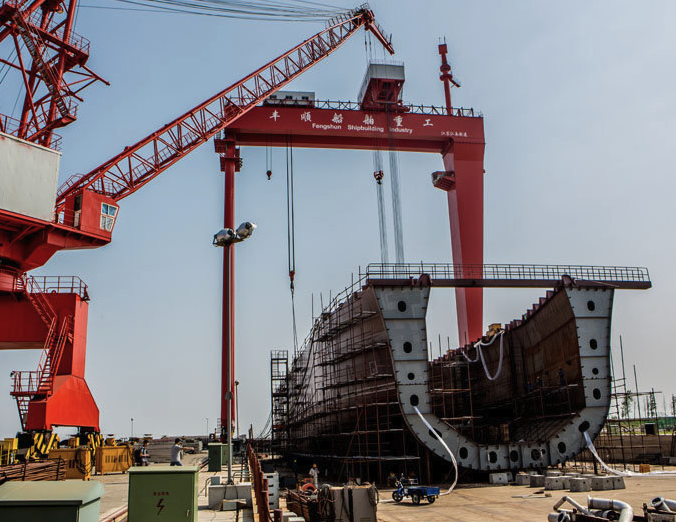
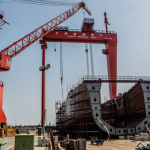
Aerospace and Defense: Precisi - Industry Application

Materials That Push Boundaries

Aerospace welding involves some of the most challenging materials in manufacturing:

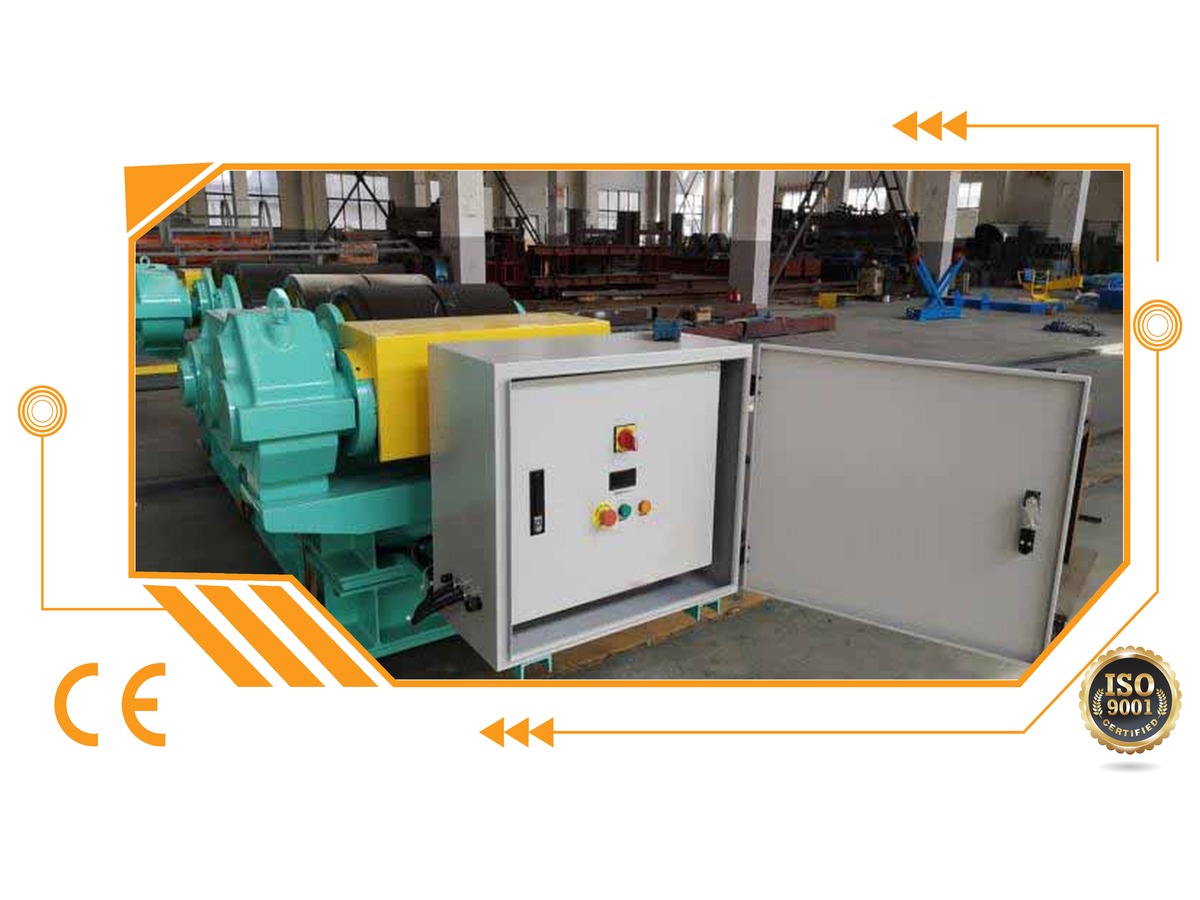
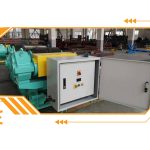
Aerospace and Defense: Precisi - Desan Electric Equipment
  • Titanium alloys: Extremely reactive at elevated temperatures, requiring inert atmosphere chambers or localized shielding
  • Inconel and superalloys: High-temperature strength makes them ideal for engine components but difficult to weld due to cracking susceptibility
  • Aluminum-lithium alloys: Lightweight but prone to porosity and hot cracking during welding
  • Maraging steels: Ultra-high-strength alloys requiring precise heat input control to maintain properties

Welding Processes in Aerospace

  • EBW (Electron Beam Welding): Deep penetration in a vacuum, ideal for titanium and superalloy joints
  • LBW (Laser Beam Welding): Precision welding with minimal heat input for thin-wall structures
  • GTAW (TIG): Manual and automated TIG welding for the highest quality requirements
  • PAW (Plasma Arc Welding): Keyhole welding for deep penetration on stainless steel and titanium
  • FSW (Friction Stir Welding): Solid-state joining of aluminum alloys without melting

Smart Positioning for Aerospace Components

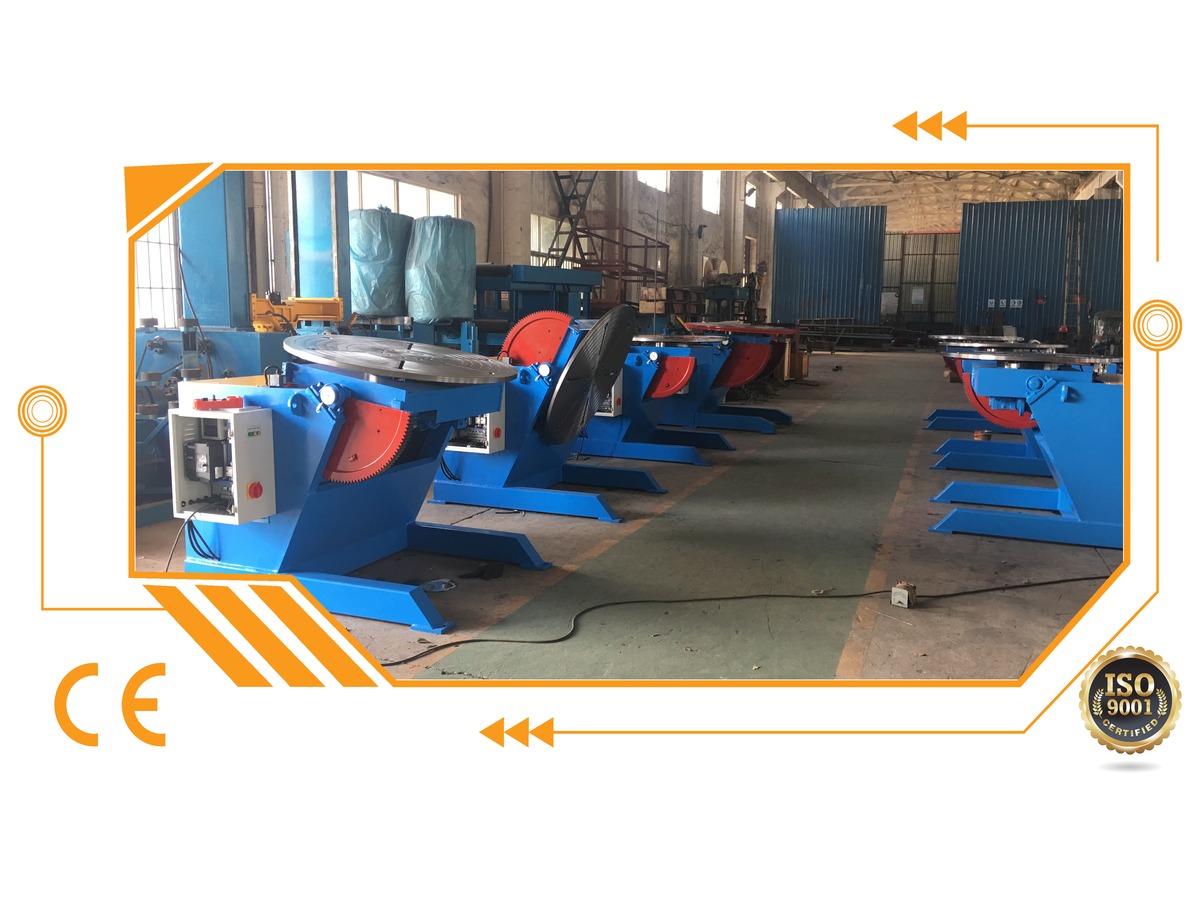
Many aerospace components have complex geometries that demand precise multi-axis positioning during welding. BIQEE’s precision positioners provide:

  • Sub-degree positioning accuracy: Essential for maintaining optimal torch angle on curved surfaces
  • Smooth, vibration-free rotation: Any vibration during TIG welding of thin-wall components can cause defects
  • Programmable motion profiles: Complex weld paths require synchronized positioner and torch motion
  • Clean-room compatible design: For welding in controlled environments

Quality Assurance at Every Step

Aerospace welding requires complete process control and documentation:

  • Welding procedures qualified to AWS D17.x and NAS standards
  • Welder certification to ASME Section IX or equivalent
  • 100% visual and NDT inspection of all critical welds
  • Complete parameter recording for every production weld
  • Full material traceability from mill certification to finished component

Smart welding systems that automate parameter recording and provide real-time process monitoring are becoming standard in aerospace manufacturing, reducing the risk of human error in this unforgiving domain.

The Future: In-Space Welding and Repair

Perhaps the ultimate frontier for welding technology is in-space repair. NASA and international space agencies are developing welding processes that can be performed in microgravity and vacuum. The embodied AI principles being developed for terrestrial welding — autonomous perception, decision-making, and execution — will be essential when a robot must weld in space without real-time human guidance.

Leave a Comment

Your email address will not be published. Required fields are marked *

Related Post