The Data Deluge in Modern Welding
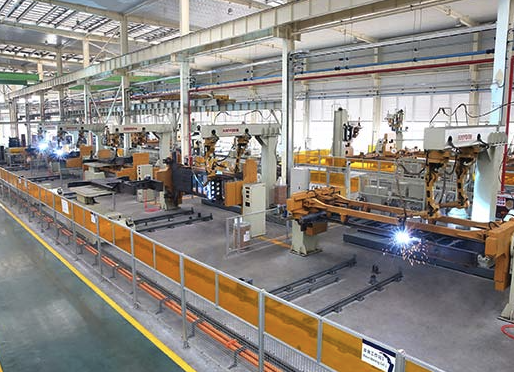
A single automated welding cell generates gigabytes of data per shift. Voltage waveforms, current traces, wire feed speeds, positioner rotations, gas flows, and temperature readings — all sampled hundreds of times per second. Without a structured platform to capture, store, and analyze this data, it’s just noise.

Smart welding data platforms transform this noise into actionable intelligence.
Core Platform Capabilities
Data Ingestion and Storage
A welding data platform must handle high-throughput, time-series data from multiple sources simultaneously. Modern platforms use edge computing for initial processing and cloud storage for long-term retention and advanced analytics.
Real-Time Dashboards
Operators and supervisors need visibility into what’s happening right now. Dashboards display key metrics — arc-on time, defect rates, parameter compliance, equipment status — updated in real time.
Historical Analysis
Querying historical weld data enables trend analysis, root cause investigation, and process optimization. Questions like “Which parameter shifts correlated with the porosity defects in last week’s production?” become answerable in minutes rather than days.

Machine Learning Integration
ML models trained on production data can predict defects, optimize parameters, and recommend maintenance actions. The platform provides the training data infrastructure and model deployment pipeline.
From Data to Decisions
The true value of a welding data platform lies in the decisions it enables:
- Quality decisions: Identifying which welds are likely defective before inspection, focusing NDT resources where they matter most
- Process decisions: Optimizing welding procedures based on statistical analysis of thousands of production welds
- Maintenance decisions: Predicting equipment failures from vibration, temperature, and performance trends
- Business decisions: Accurately costing weld operations based on actual arc-on time, consumable usage, and energy consumption
Interoperability Is Key
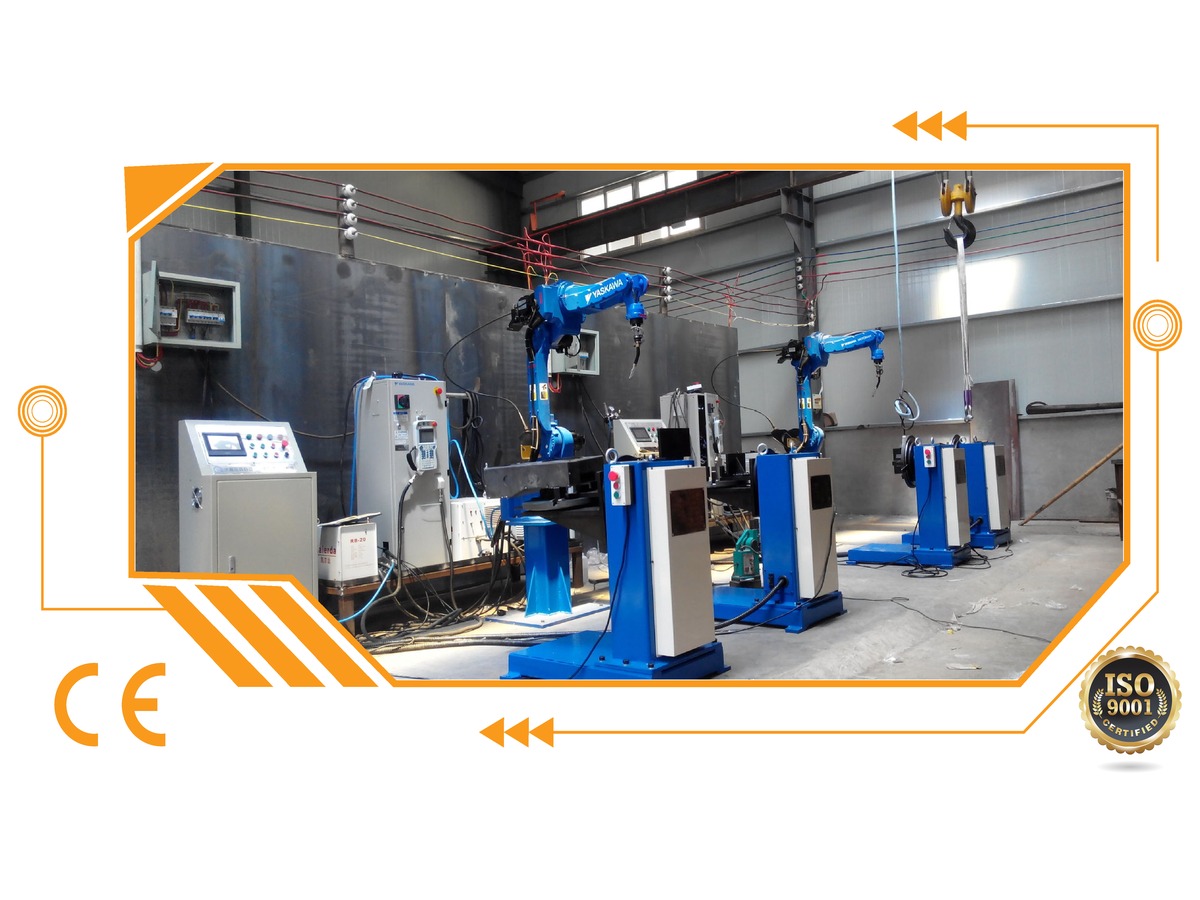
A data platform is only as useful as the data it can access. BIQEE’s smart welding equipment uses open communication standards — OPC-UA, Modbus TCP, and REST APIs — ensuring that positioner data, manipulator telemetry, and controller parameters flow seamlessly into whatever platform you choose.
We believe your data should belong to you, not be locked in a proprietary ecosystem.
Getting Started with Welding Data
You don’t need a massive IT project to start gaining value from welding data. Begin with a single cell: connect the power source and positioner, capture a week of production data, and start asking questions. You’ll be surprised how quickly the data reveals optimization opportunities that were previously invisible.
As your data practice matures, expand to multi-cell monitoring, cross-facility analytics, and AI-driven process optimization. The platform grows with you.