advanced AI automation Accelerates the Revitalization of American Shipbuilding

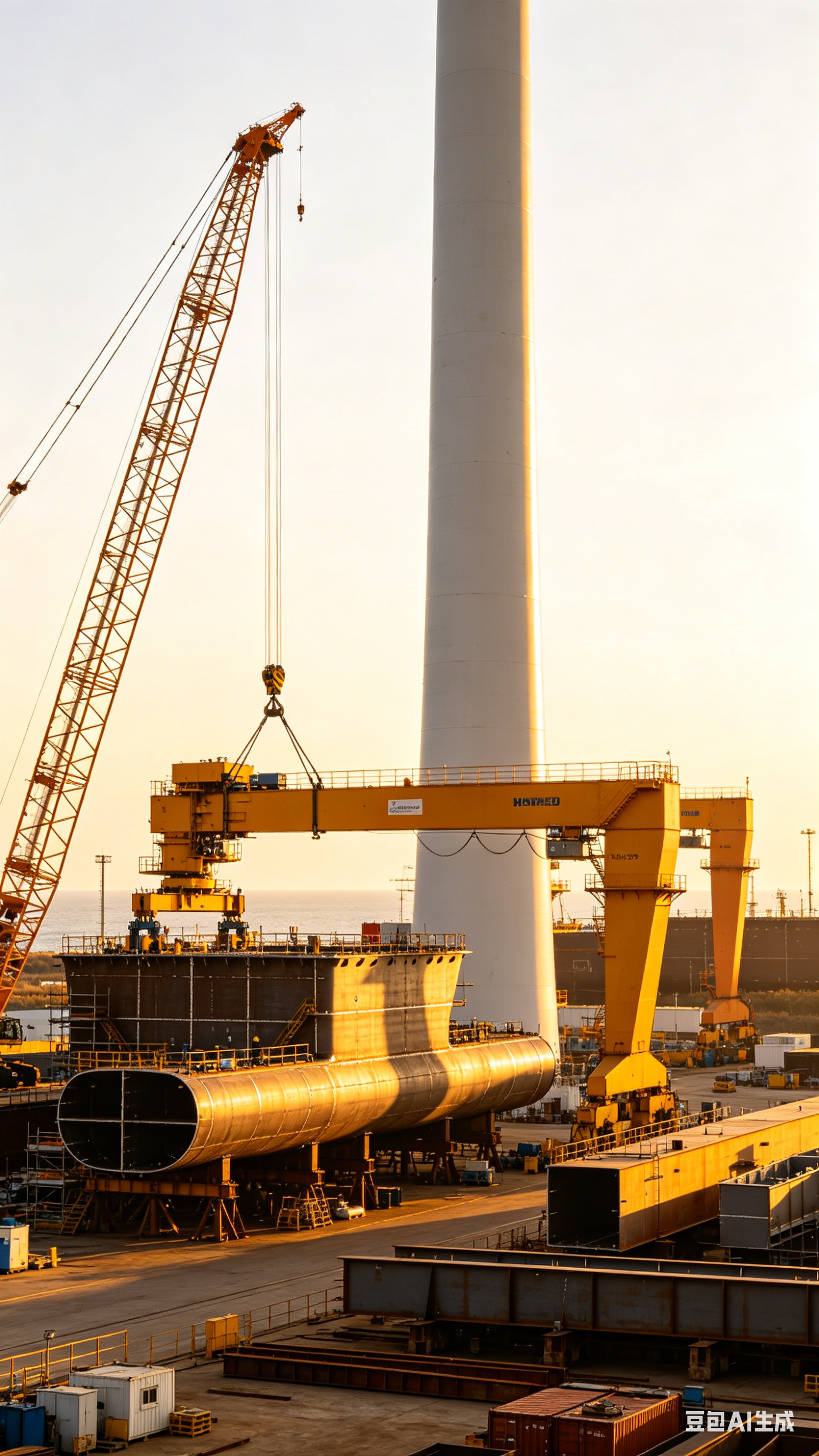
A major autonomous vessel manufacturer is integrating advanced AI automation welding robotics into its Louisiana shipyard, accelerating the production of autonomous maritime vessels and defining next-generation American shipbuilding.
Revitalizing American Shipbuilding with AI
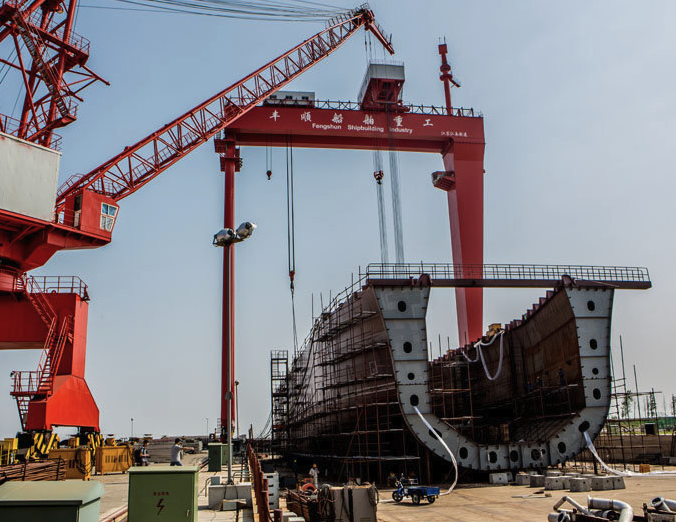
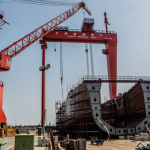
The company is on a mission to revitalize American shipbuilding, creating new domestic capacity through the expansion of its shipyard in Louisiana and the development of a next-generation shipyard. To accelerate the delivery of autonomous maritime vessels, the company announced plans to explore the integration of advanced AI automation for welding robotics across its shipyard operations. These advanced manufacturing technologies are designed to increase safety, improve efficiency, and increase throughput, while bolstering production consistency and quality. This complements significant, ongoing investments in shipyard infrastructure, workforce expansion, and skilled hiring across its Louisiana operations.
Integrating advanced AI automation for Welding Robotics
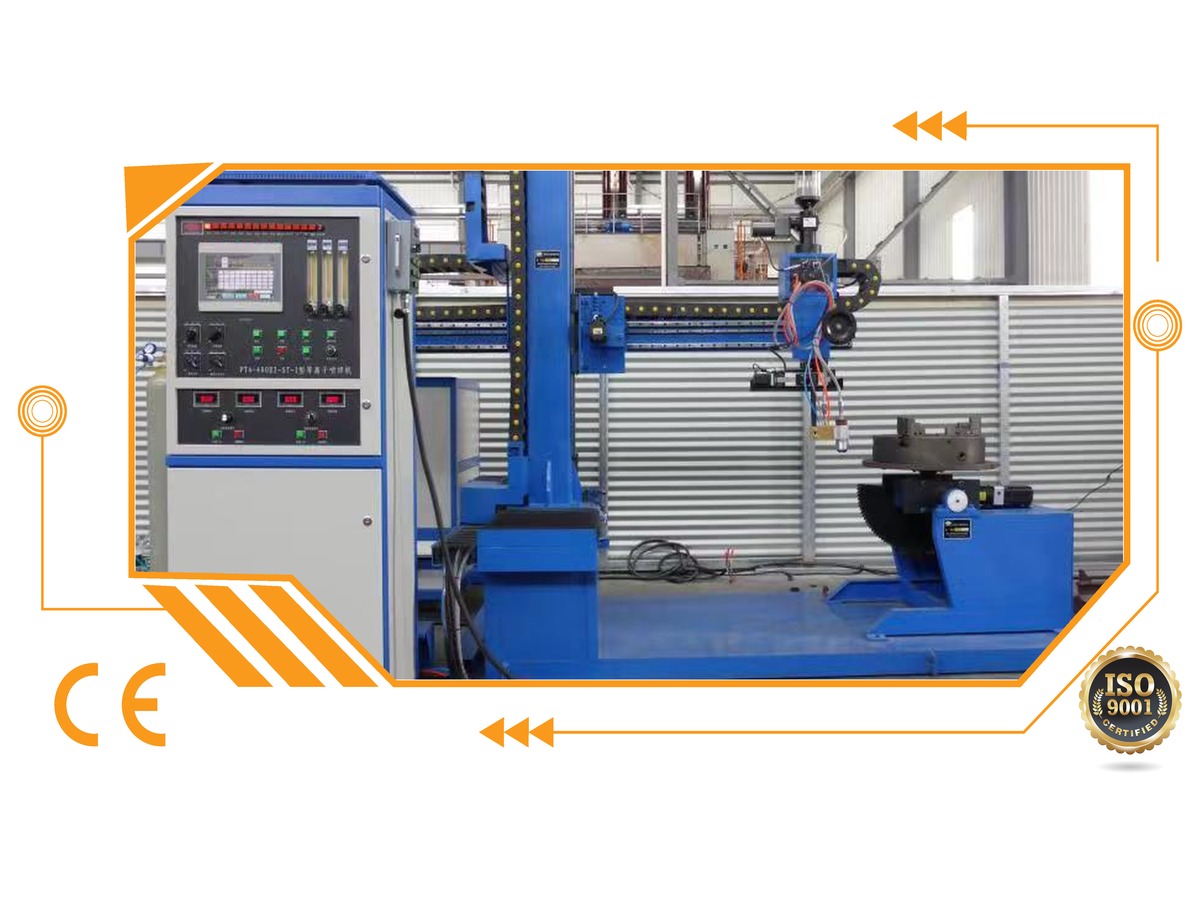
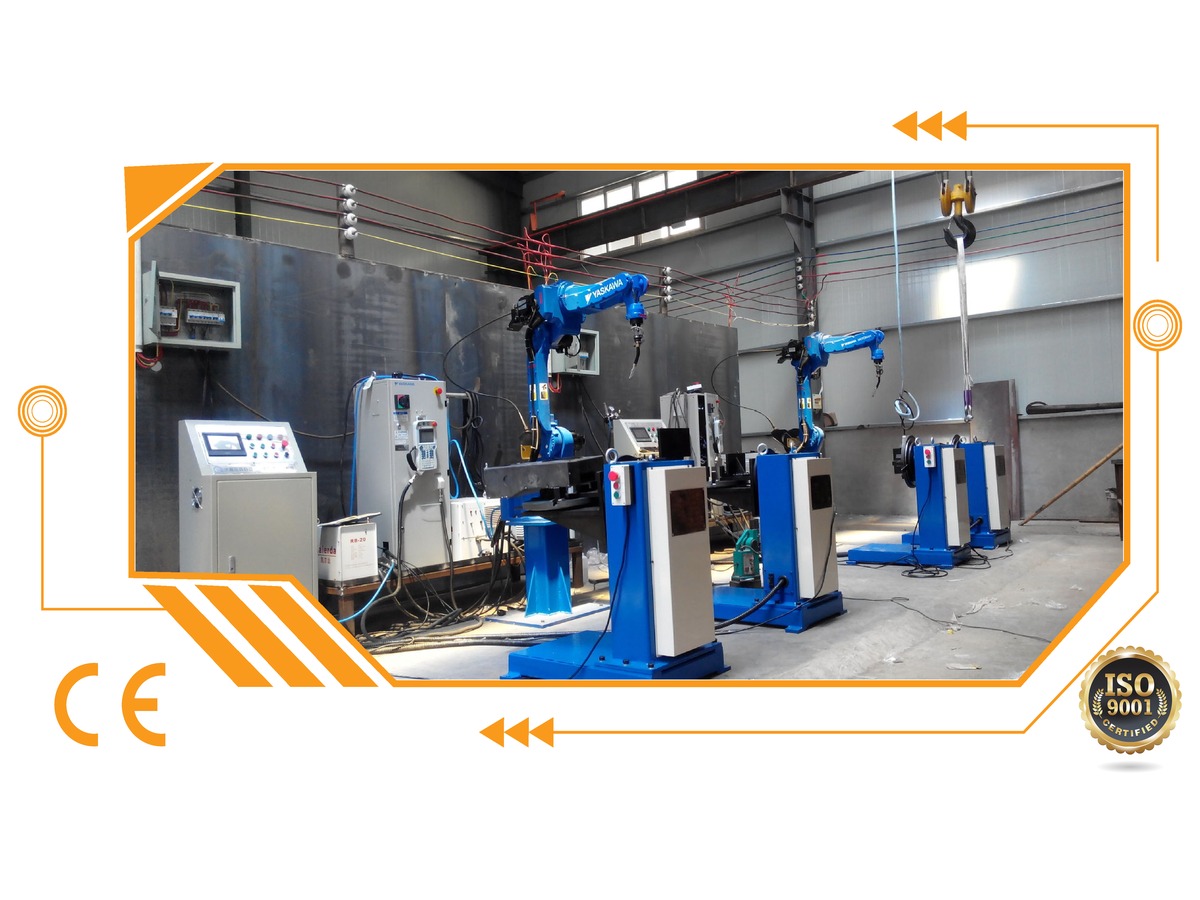
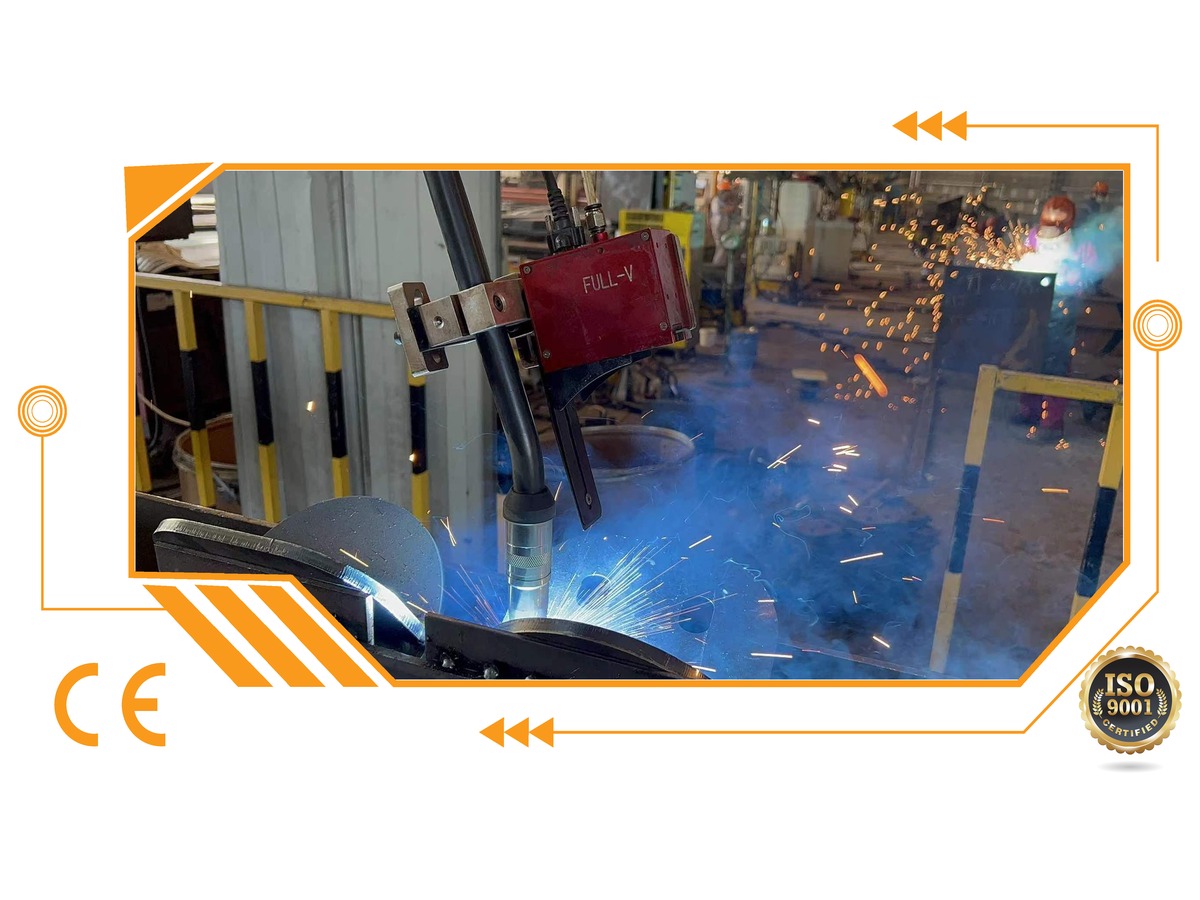
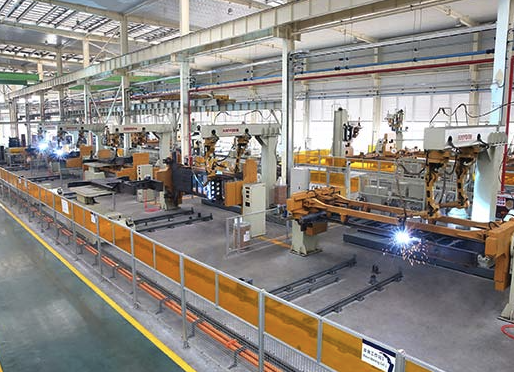
The initial rollout will focus on intelligent welding cells, combining proven welding models with a world-class team of welders to deliver significant advancements in production efficiency, quality, and repeatability.
The welding models combine computer vision, machine learning, AI, and robotics to automate complex welding tasks in heavy manufacturing environments. To date, the advanced AI automation has been trained on tens of millions of welded inches.

The initiative will integrate advanced AI automation systems directly into the shipyard workflow. By pairing advanced AI automation that can see, reason, and adapt in real time with linear production methodologies, the company is defining the next-generation approach to high-volume shipbuilding.
Restoring America’s Maritime Industrial Capacity
Restoring America’s maritime industrial capacity requires rethinking how shipyards are designed and operated from the ground up. We are exploring how advanced AI automation and automation can help advance shipbuilding operations. This collaboration allows us to learn how this technology can be applied within our shipbuilding environments and scaled to support a more modern, resilient production model.
Software-Led Shipbuilding
From its inception, the company has taken a software-led, AI-first approach to autonomous ship design, enabling high performance while reducing complexity and inefficiency. That same systems-driven philosophy extends to the manufacturing approach, where software, data, and intelligent automation drive how work is planned, executed, and scaled.
By testing, evaluating, and ultimately scaling the deployment of these capabilities at its Louisiana shipyard, the company is defining how next-generation manufacturing technologies can further accelerate the production of autonomous ships at speed and scale.
The collaboration is part of a broader effort to deploy advanced manufacturing capabilities and techniques that accelerate shipyard operations, alongside continued investment in the growth of its skilled shipbuilding workforce. Complementary initiatives include evaluating additional automation capabilities to drive process improvements, as well as new software tools to streamline shipyard workflows. Together, these efforts augment the skilled shipbuilding workforce by pairing experienced craftspeople with software-driven capabilities that enable consistent, high-quality production.
Field-Tested Manufacturing and Robotics Integration
Field-tested manufacturing and robotics integration from the Franklin shipyard will serve as the foundation for the design and build-out of the next-generation shipyard. The new shipyard will incorporate automation, advanced manufacturing, and software-defined systems from the outset. By designing the shipyard around robotics-enabled production, the company is establishing a scalable shipbuilding model that enables sustained production capacity for the future of American shipbuilding.