BIQEE: Embodied AI for Smart Welding

Live News

28.3°C
  • California
May 9, 2026
Follow Us:
BIQEE: Embodied AI for Smart WeldingBlogSmart Welding TechnologyRobots as a Service (RaaS) for Welding Automation: A Complete Guide

Robots as a Service (RaaS) for Welding Automation: A Complete Guide

The company
•
November 25, 2025
•
7 min read
What Is RaaS: A Guide to Robots as a Service for Welding Automation

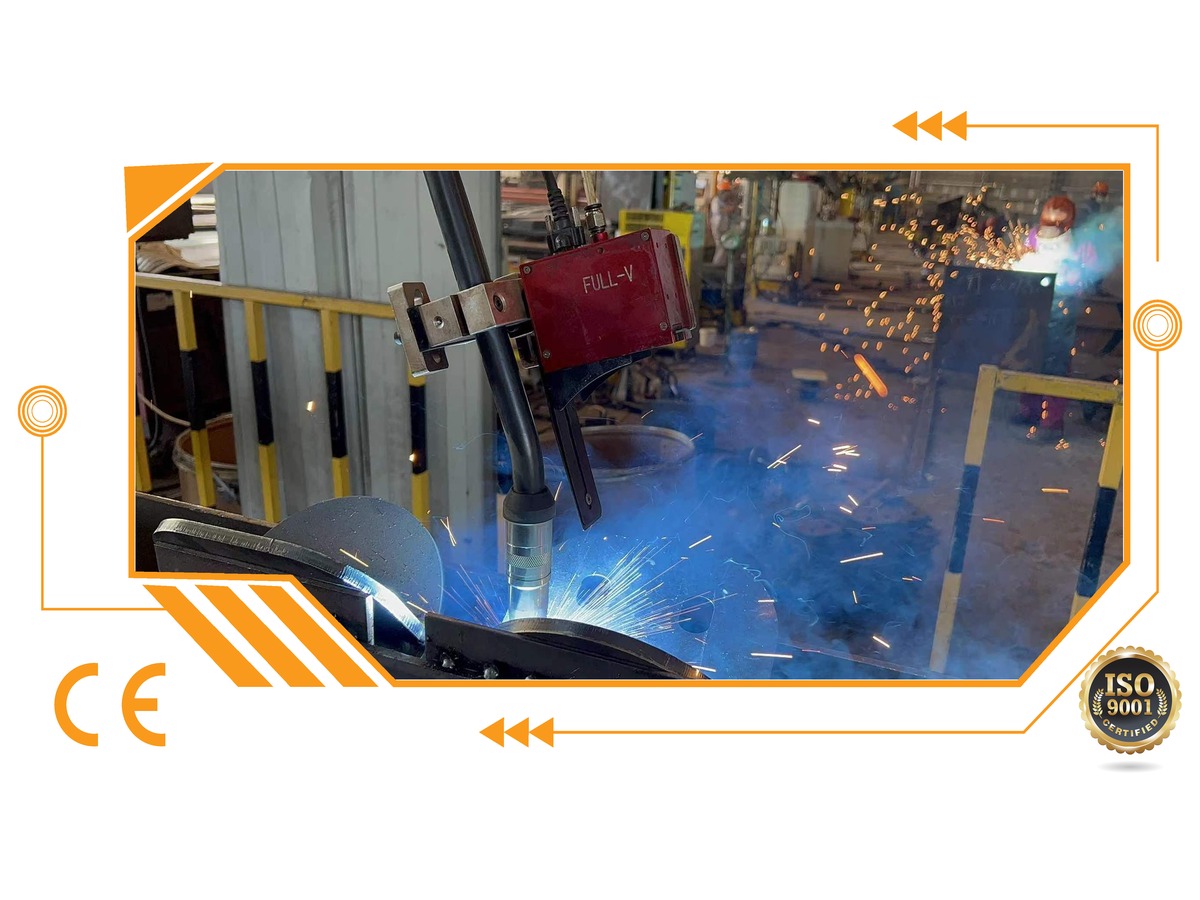
Robots as a Service (RaaS) for - Application

When you buy a robot (or any capital equipment), you’re buying a snapshot in time. That robot will likely be the smartest it will ever be on day one. Every day after that, it’s aging, frozen in the version of software, sensors, and hardware it shipped with.

RaaS stands for Robot as a Service. It is a subscription model for welding automation where manufacturers subscribe to intelligent welding cells instead of buying equipment outright. The subscription bundles hardware, software, maintenance, and support into a single service so manufacturers can access the latest automation technology without the risk and complexity of ownership.

In this guide

Why RaaS works in your favor

The old way one cell two relationships

From owning equipment to subscribing to outcomes

Why manufacturers hesitate and why they come around

Three advantages of RaaS vs CapEx

AI and depreciation schedules

The bottom line on RaaS for welding automation

Why RaaS works in your favor

Every few weeks we hear some version of the same question: “Can we just buy the equipment instead” It is a fair question. For decades manufacturers have treated automation like real estate. You buy a welding cell, depreciate it, and keep it on the floor as long as it still runs.

That model works when the thing you buy changes very little over time. It struggles when the value comes from sensing, software, and advanced AI automation that keep improving. RaaS is not about taking control away. It is about giving manufacturers a simpler, lower risk way to gain welding capacity, quality, and uptime without piling on more complexity.

Short version RaaS turns welding capacity into a service you can count on, not an asset you are stuck with.

The old way one cell two relationships

Here is the pattern most manufacturers are used to. You buy a welding cell or integrated system as a capital purchase, then sign a separate agreement with a service provider to keep it running. That service provider often charges a flat service fee plus materials, or a pay as you go model with frequent change orders and upcharges.

You now have an equipment vendor, a service vendor, and the job of managing the gap between them when something is not working. the company removes that second relationship.

With RaaS, the welding cell, the software, the advanced AI automation, the maintenance, the upgrades, and the on site support all roll into one subscription with one accountable partner. There is no separate service contract, no endless back and forth over change orders, and no finger pointing. You have one team fully responsible for keeping your welding system running.

Manufacturers respond strongly to this model because it matches how they already think about outsourcing pain points rather than adding more headaches.

From owning equipment to subscribing to outcomes

Buying traditional automation as capital expense means buying a snapshot in time. The system is usually at its smartest on day one. After that, new sensors arrive, the software improves, your part mix shifts, and you are left deciding whether to commit more money and internal resources to bolt on upgrades or live with the gap.

RaaS turns that logic on its head. You are not buying a machine. You are buying outcomes:

Welds that follow your welding procedure specifications and meet your quality requirements

Cycle times that keep up with your contract targets

A cell that keeps getting better as the company advanced AI automation learns from more welds

Every improvement we make appears in your system. There are no surprise upgrade invoices, no second or third generation product decisions, and no internal debate about whether to retrofit or wait.

With RaaS, you pay for results, not liability. That is why we refer to InstantROI. The goal is not to own a welding cell. The goal is to see productivity and quality gains as soon as the system reaches your floor.

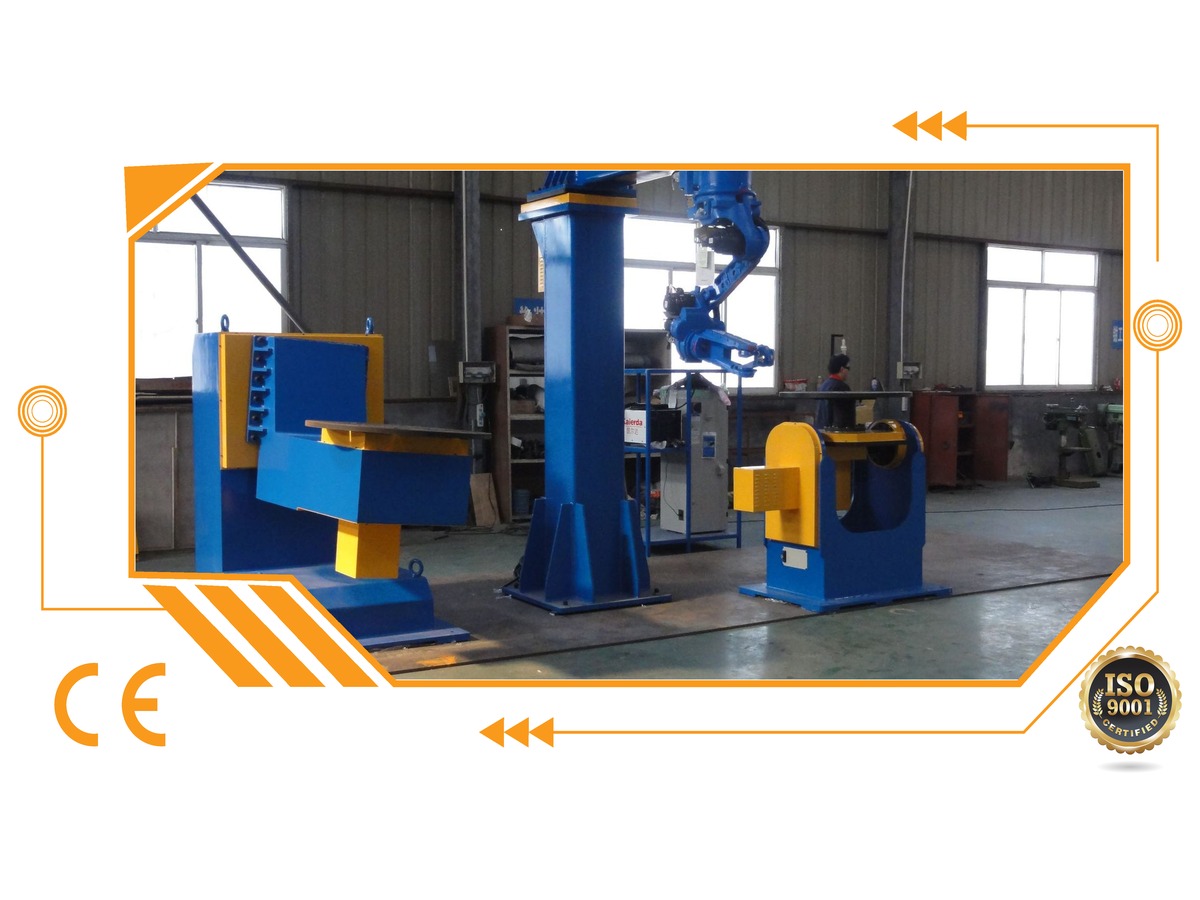
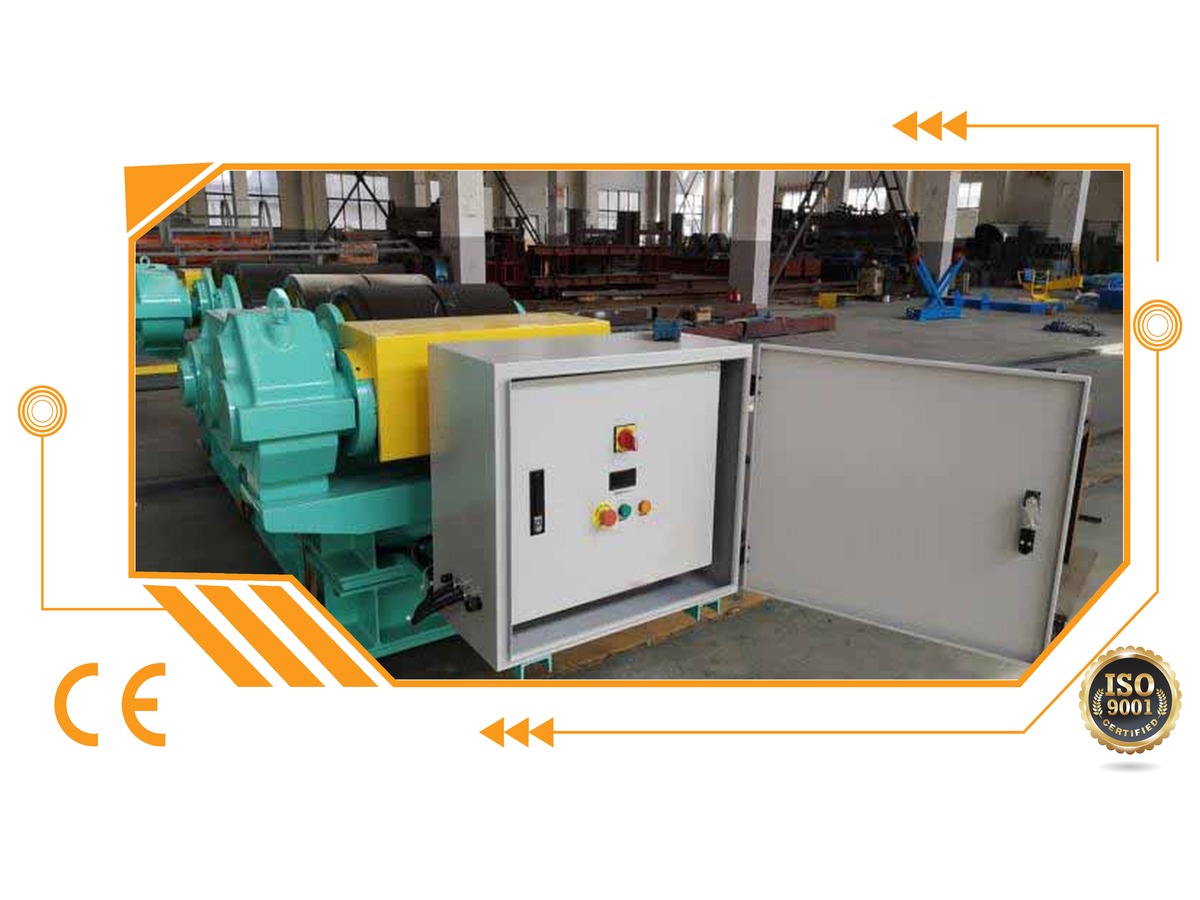
Robots as a Service (RaaS) for - Desan Electric

Before a cell ever ships we run a factory acceptance test against your parts to validate cycle time and weld quality. You know what you are getting before it arrives.

Why manufacturers hesitate and why they come around

For a long time, automation cells have been capital assets. They sit on the balance sheet rather than the monthly income statement. For many manufacturers this is cultural: “We do not like debt.” “We like to own our equipment.” “We have always bought and never subscribed.” That mindset comes from discipline and control. It is not wrong.

But when teams see how RaaS behaves in practice, hesitation usually turns into a sense of relief.

Aligned incentives instead of downtime

In a traditional capital purchase model, if your cell goes down you still own it. You still pay the loan. You may still pay a service provider even while the cell sits under a tarp.

With the company RaaS, you are not charged for any time the cell cannot run due to a the company issue. That flips the relationship. We are directly motivated to get you back up quickly because your uptime is our revenue. You are not pleading with a service vendor while the clock ticks on your investment. You have a partner whose business depends on your welding system running.

No surprise costs and no stranded assets

Manufacturers also worry about being surprised later. What happens when technology moves faster than your depreciation schedule What if a better sensing or vision system becomes available What if new weld procedures demand different capabilities

With RaaS, hardware and software upgrades are included in the subscription. the company keeps ownership, so you avoid repair surprises and depreciation risk. If an upgrade is needed to deliver the outcome we committed to, you get it.

You are never stuck with an expensive cell just because it is on your books. If the system is not the right fit, you do not end up with a stranded asset.

Three advantages of RaaS vs CapEx

Once leadership teams become comfortable with the RaaS model, they usually focus on three core advantages.

Financial benefits

Avoid a major up front investment and preserve cash for other priorities

Unlock reserved capital budgets for strategic projects while treating welding automation as a predictable operating expense

Eliminate the risk of unplanned hardware or software upgrades as technology advances

Work with a consistent monthly expense that supports accurate financial forecasting

Achieve fast return on investment by buying proven throughput and quality outcomes rather than hoping a purchased asset performs as expected

Risk mitigation

Factory acceptance tests validate cycle time and weld quality before a cell ships

Time when the cell cannot run due to a the company issue is not billed to your subscription

the company owns and maintains the system, so you avoid surprise repair costs and depreciation risk

The subscription structure makes it easier to adjust capacity up or down as your business changes

Scalable production without hiring pressure

Increase production across multiple shifts and run overtime hours without additional labor cost

Reduce dependence on a shrinking pool of skilled welders

Avoid the friction of recruiting, training, turnover, and absenteeism

Control quality with consistent weld procedures and complete digital records rather than hoping every new hire welds like your best veteran

RaaS turns welding automation from a one time gamble into a flexible lever you can scale with demand.

AI does not follow a depreciation schedule

The pace of AI advancement is not slowing down to match a five or ten year depreciation schedule. Static ownership models struggle in a world where software, sensing, and models improve every quarter.

RaaS keeps your welding operation in sync with what comes next. There is no drama over obsolescence, no upgrade projects that drag on for months, and no capital locked in outdated technology. You would not buy a phone and expect to use it for fifteen years. Your welding automation should not be locked into that kind of timeline either.

The bottom line on RaaS for welding automation

In a world where advanced AI automation moves fast, owning a welding cell means owning its limits. Subscribing to a the company welding system means staying ahead of those limits.

RaaS is not a finance trick. It is a way to turn welding automation into a service that delivers capacity, quality, and uptime without turning your team into integrators and service coordinators. For modern manufacturers, that is not something to fear. It is a lasting advantage.

←
Back to Blog

Leave a Comment

Your email address will not be published. Required fields are marked *

Related Post