




# Professional MIG Welding Equipment: A Comprehensive Guide for B2B and Foreign Trade Markets
In the global manufacturing and construction industries, professional MIG (Metal Inert Gas) welding equipment has become an indispensable tool for achieving precision, efficiency, and durability in metal fabrication. As businesses expand their operations across borders, the demand for high-quality, reliable welding solutions has surged, particularly in B2B and foreign trade sectors. For companies involved in international trade, selecting the right MIG welding equipment is not just about performance—it’s about meeting global standards, ensuring seamless supply chains, and delivering value to clients worldwide. This article explores the key aspects of professional MIG welding equipment, its applications in B2B contexts, and strategies for leveraging it in foreign trade markets.
## Understanding Professional MIG Welding Equipment
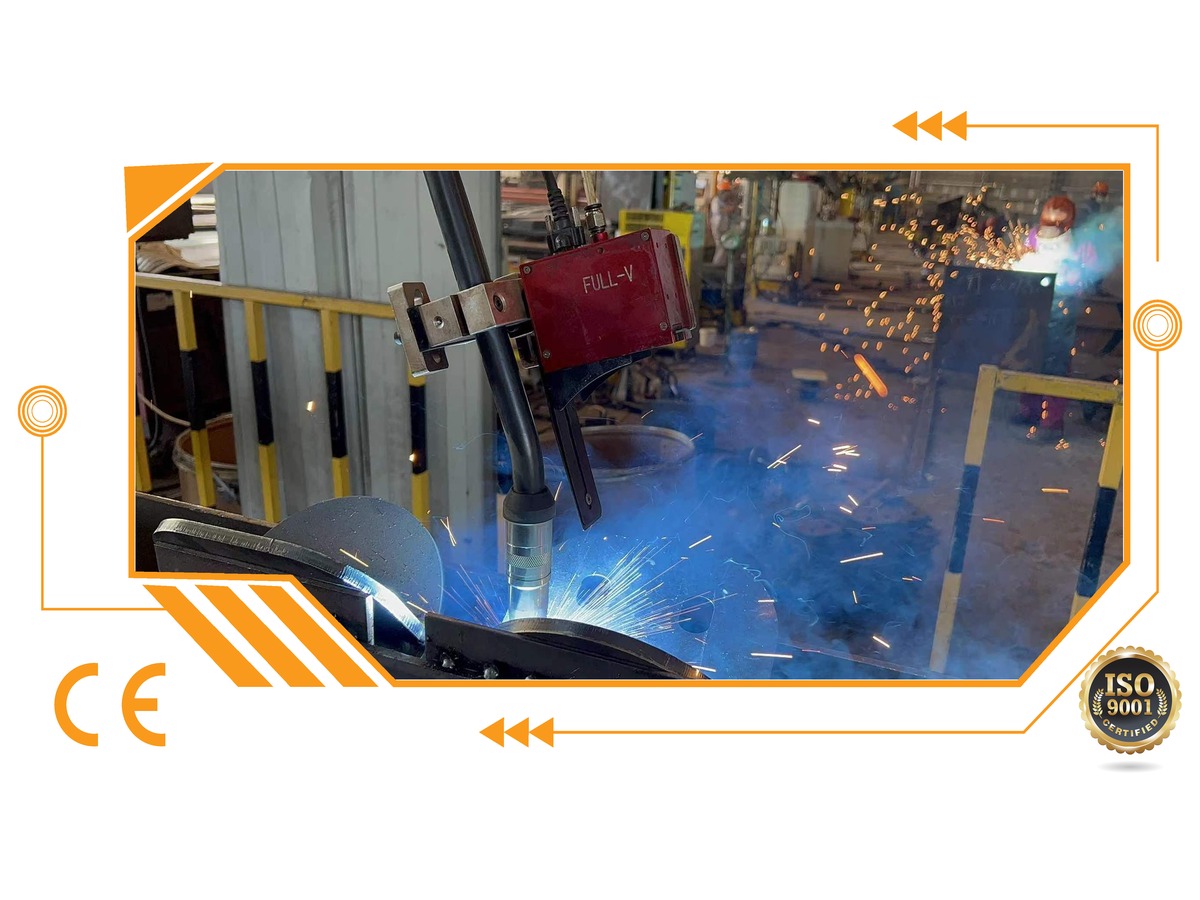
MIG welding, also known as GMAW (Gas Metal Arc Welding), is a versatile and widely used welding process that involves feeding a continuous wire electrode through a welding gun, which melts and joins metal pieces together. The process is protected by a shielding gas, typically a mixture of argon and carbon dioxide, which prevents atmospheric contamination and ensures clean welds. Professional MIG welding equipment is designed for industrial use, offering advanced features such as high precision, adjustable settings, and compatibility with various materials.
For B2B companies and foreign trade businesses, understanding the technical specifications of MIG welders is crucial. Key factors to consider include the power source (transformer or inverter-based), wire feed speed, voltage and amperage ranges, and compatibility with different shielding gases. Additionally, modern MIG welders often come equipped with digital controls, automatic wire feeders, and safety features like arc voltage sensors, which are essential for maintaining quality in large-scale production environments.
## Key Components of Professional MIG Welding Equipment
A professional MIG welding setup typically consists of several critical components that work together to ensure optimal performance. These include:
### 1. Power Supply
The power supply is the heart of the MIG welding system. It provides the necessary electrical energy to melt the wire electrode and create the weld. For B2B applications, industrial-grade power supplies are preferred due to their durability and ability to handle high-duty cycles. In foreign trade contexts, compatibility with different voltage standards (e.g., 220V, 380V) is essential to cater to diverse international markets.
### 2. Wire Feed Unit
The wire feed unit, or wire feeder, controls the speed at which the electrode wire is fed into the weld. Precision in wire feed speed is vital for achieving consistent weld quality, especially in automated welding processes. B2B manufacturers often opt for units with adjustable feed rates and motorized systems to accommodate varying material thicknesses and welding tasks.
### 3. Welding Gun and Nozzle
The welding gun is the interface through which the welder operates. It includes the contact tip, which makes contact with the wire electrode, and the nozzle, which directs the shielding gas. For foreign trade, durability and ease of maintenance are critical factors, as equipment must withstand rigorous use in different climates and environments.
### 4. Shielding Gas Cylinder and Regulator
Shielding gas is crucial for preventing oxidation and ensuring clean, strong welds. Common gases include argon, carbon dioxide, and their mixtures. In B2B contexts, compatibility with local gas supply standards and the availability of replacement cylinders are important considerations for global operations.
### 5. Consumables and Accessories
Consumables such as contact tips, nozzles, and welding wire must be of high quality to ensure longevity and performance. B2B suppliers often provide comprehensive accessory kits tailored to specific welding applications, making them a valuable resource for foreign trade clients.
## Choosing the Right MIG Welding Equipment for B2B Operations
Selecting the appropriate MIG welding equipment for B2B operations requires a strategic approach that balances performance, cost, and scalability. Here are key considerations for businesses involved in foreign trade:
### 1. Durability and Reliability
In B2B environments, equipment must withstand continuous use in demanding conditions. Look for welders with robust construction, high heat resistance, and protection against dust and moisture. For foreign trade, equipment that complies with international safety standards (e.g., ISO, CE, UL) is essential to ensure market access in multiple regions.
### 2. Scalability and Flexibility
B2B companies often serve clients with varying welding needs. Choosing a MIG welder that offers adjustable settings, such as voltage, amperage, and wire feed speed, allows for versatility across different materials and projects. Modular systems that can be upgraded as business needs evolve are particularly advantageous.
### 3. Cost-Effectiveness and ROI
While upfront costs are important, the long-term return on investment (ROI) should be the primary focus. High-quality MIG welders may have a higher initial price but often result in lower maintenance costs, longer lifespan, and higher productivity. For foreign trade, evaluating the total cost of ownership—including logistics, installation, and after-sales support—is crucial.
### 4. Integration with Automation
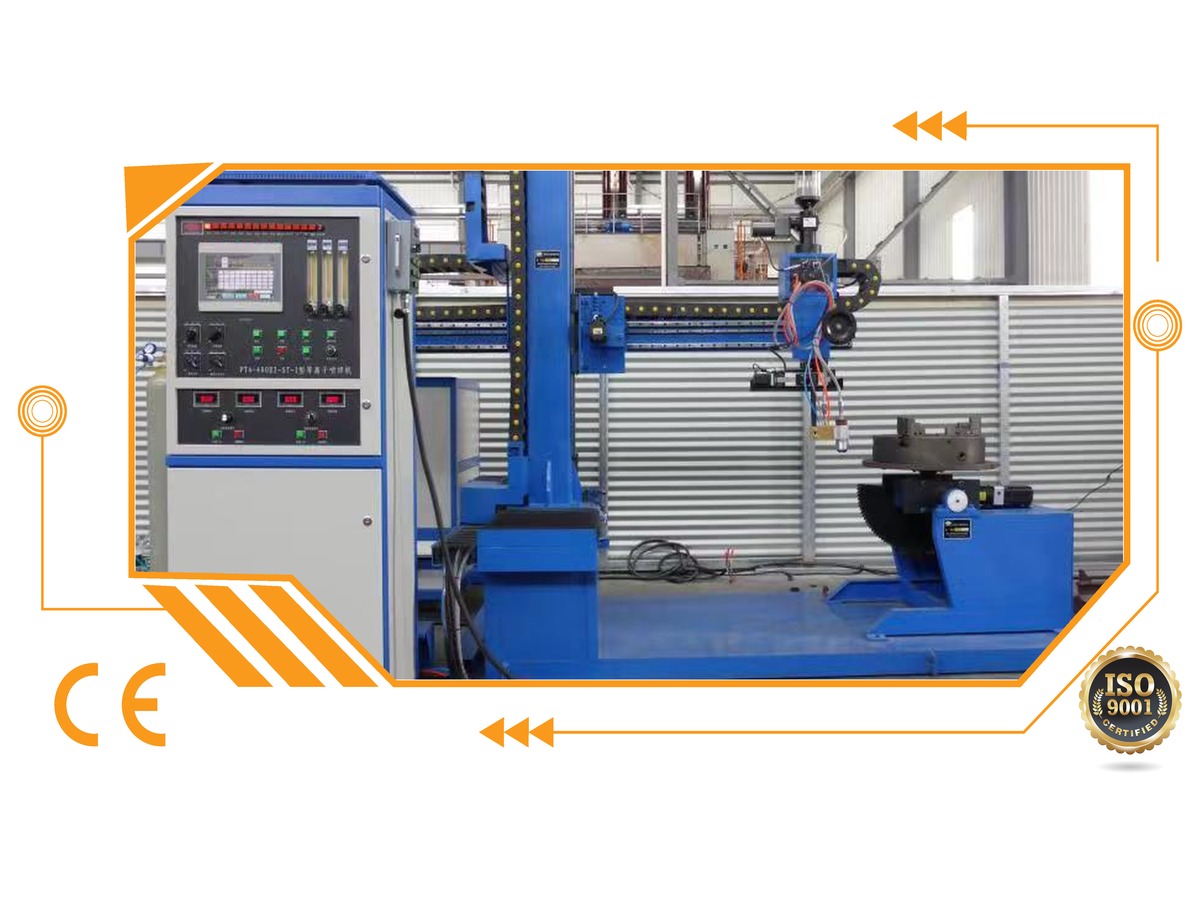
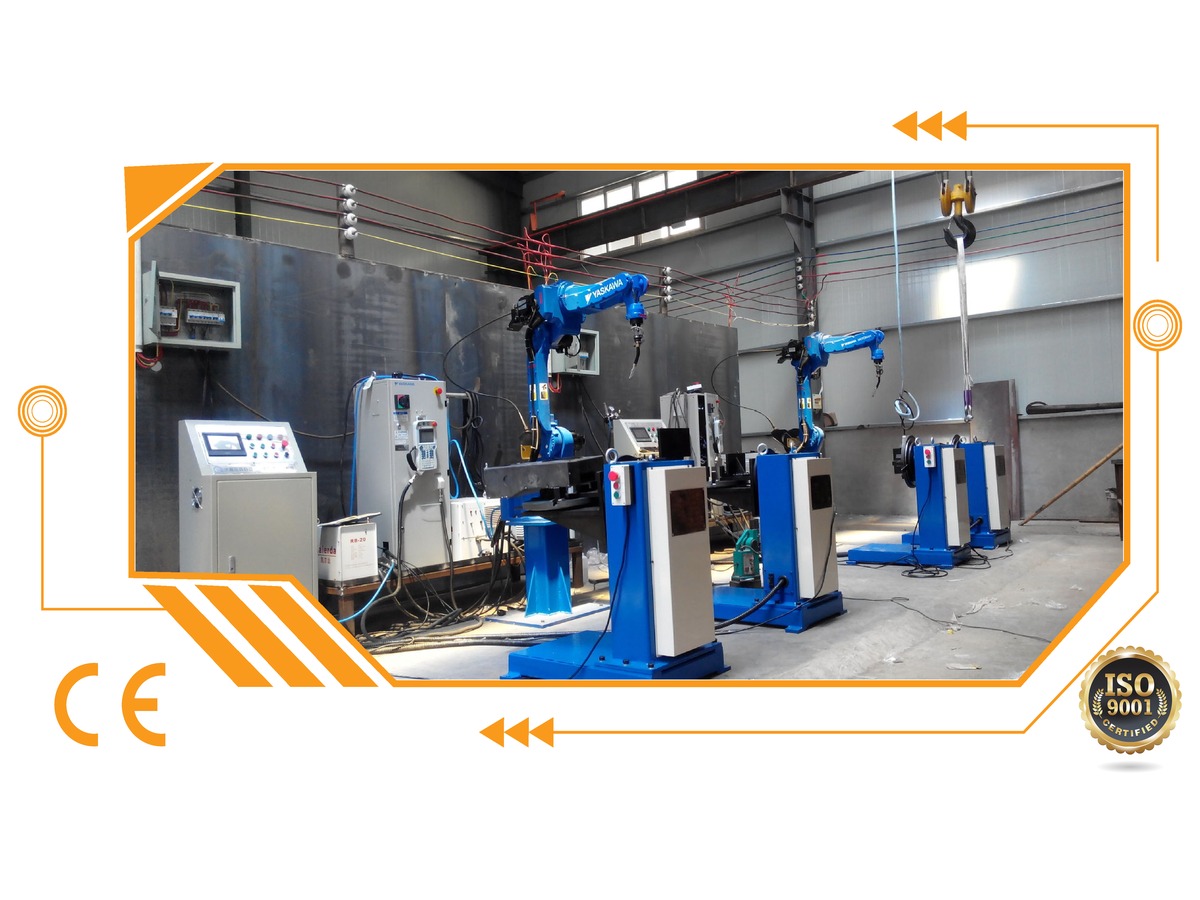
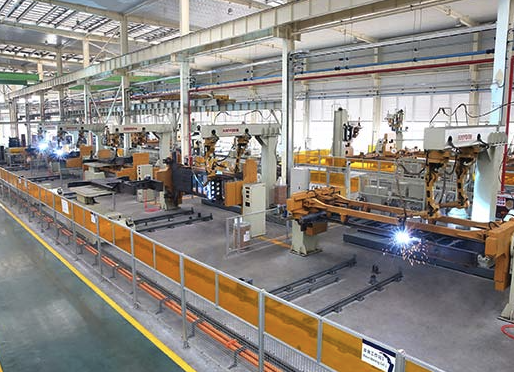
As industries move toward automation, B2B companies should consider MIG welders that are compatible with robotic systems or computer-controlled welding processes. This integration enhances efficiency, reduces human error, and improves consistency in large-scale manufacturing.
## Applications of Professional MIG Welding Equipment in B2B and Foreign Trade
Professional MIG welding equipment finds applications across a wide range of industries, making it a critical asset for B2B and foreign trade businesses. Some of the key sectors include:
### 1. Automotive Manufacturing
The automotive industry relies heavily on MIG welding for assembling vehicle frames, body panels, and exhaust systems. B2B suppliers provide customized welding solutions that meet the stringent quality and safety standards required in this sector. For foreign trade, the ability to adapt to regional manufacturing practices and regulations is a major differentiator.
### 2. Construction and Infrastructure
In construction, MIG welding is used for structural steelwork, pipeline installation, and equipment fabrication. B2B companies often supply welders designed for outdoor use, with features like portability and resistance to harsh weather conditions. For foreign trade, understanding the infrastructure development trends in target markets can help tailor product offerings.
### 3. Aerospace and Defense
The aerospace industry requires high-precision welding for components like aircraft fuselages and engine parts. Professional MIG welders with advanced digital controls and certifications (e.g., ASME, AWS) are essential for B2B clients in this sector. In foreign trade, compliance with international aerospace standards is a key selling point.
### 4. Shipbuilding and Marine Engineering
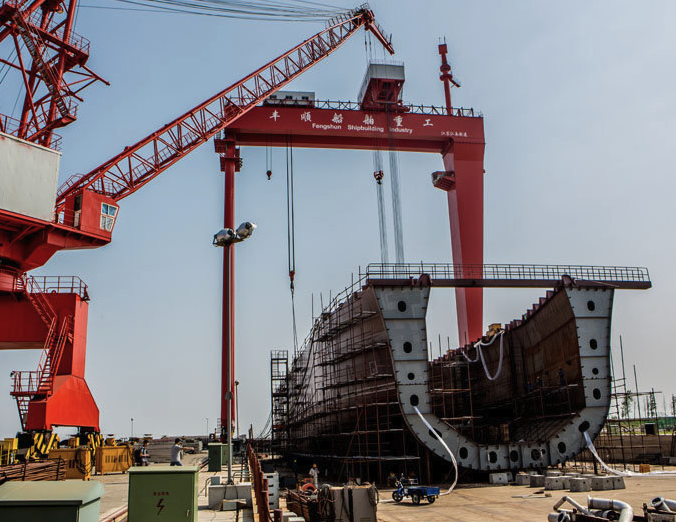
Shipbuilding involves welding large steel structures, requiring MIG welders with high power output and durability. B2B suppliers must ensure their equipment can handle the unique challenges of marine environments, such as corrosion resistance and compatibility with specialized shielding gases.
## Navigating Challenges in Foreign Trade with MIG Welding Equipment
Expanding into foreign trade markets with MIG welding equipment comes with unique challenges that B2B companies must address to succeed. These include:
### 1. Regulatory Compliance
Each country has its own safety and quality standards for welding equipment. B2B suppliers must ensure their products meet certifications such as CE (Europe), UL (North America), and CCC (China). For foreign trade, investing in compliance testing and documentation is essential to avoid delays and legal issues.
### 2. Logistics and Supply Chain Management
Transporting heavy and bulky welding equipment across borders requires careful planning. B2B companies should partner with reliable logistics providers and use packaging that protects the equipment during transit. Additionally, maintaining a global inventory of spare parts and consumables can reduce downtime in international operations.
### 3. After-Sales Support and Customer Service
Providing robust after-sales support is critical for B2B and foreign trade success. This includes offering technical assistance, maintenance services, and training programs tailored to local languages and practices. Companies that build strong relationships with clients through personalized support are more likely to secure repeat business.
### 4. Market-Specific Customization
Different regions have varying welding needs based on local industries and regulations. B2B suppliers must customize their product offerings to align with regional preferences, such as adapting voltage requirements for markets in Asia or Africa.
## Case Studies: B2B Success Stories in MIG Welding Equipment Export
### Case Study 1: European Manufacturer Expands to Southeast Asia
A European welding equipment manufacturer partnered with a local distributor in Vietnam to enter the Southeast Asian market. By customizing their MIG welders to meet local voltage standards and providing on-site training for technicians, the company successfully captured a significant share of the region’s construction industry.
### Case Study 2: Chinese Supplier Targets the Middle East
A Chinese B2B company focused on exporting MIG welders to the Middle East optimized its product line for the region’s oil and gas sector. By ensuring compliance with ISO and OSHA standards and offering Arabic-language technical support, the company became a preferred supplier for major infrastructure projects in the Gulf.
### Case Study 3: German Company Strengthens Ties with African Partners
A German welding equipment provider collaborated with African manufacturers to develop affordable, durable MIG welders tailored for the continent’s industrial needs. By investing in local after-sales networks and training programs, the company established a long-term presence in the region.
## Future Trends in Professional MIG Welding Equipment for B2B and Foreign Trade
The welding industry is evolving rapidly, driven by technological advancements and changing market demands. Here are some trends that B2B companies and foreign trade businesses should watch for:
### 1. Increased Adoption of AI and IoT
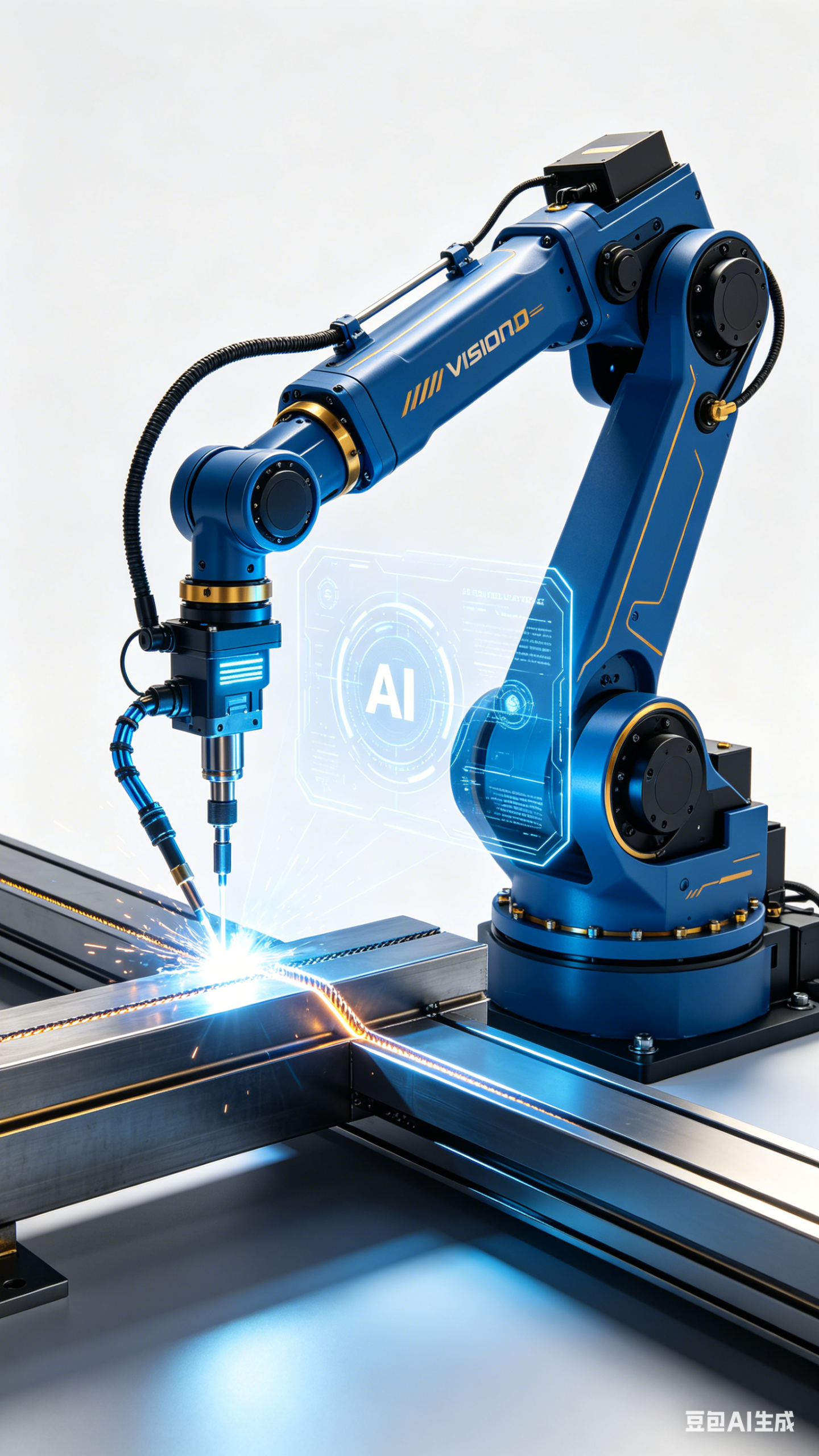
Artificial intelligence (AI) and the Internet of Things (IoT) are transforming MIG welding by enabling predictive maintenance, real-time quality monitoring, and automated welding processes. B2B suppliers that integrate these technologies into their equipment will have a competitive edge in global markets.
### 2. Focus on Sustainability
As environmental regulations tighten, there is growing demand for energy-efficient MIG welders that reduce power consumption and emissions. B2B companies can leverage this trend by highlighting the sustainability of their products in foreign trade campaigns.
### 3. Expansion of Portable and Compact Systems
The need for mobility in construction and fieldwork is driving innovation in portable MIG welding systems. B2B suppliers that offer lightweight, battery-powered welders will appeal to markets with limited infrastructure.
### 4. Customization and Modular Design
Customers in B2B and foreign trade sectors increasingly seek equipment that can be customized to their specific needs. Modular MIG welders that allow for easy upgrades and repairs are likely to dominate the market.
## Conclusion
Professional MIG welding equipment is a cornerstone of modern manufacturing and construction, offering unmatched versatility and efficiency for B2B and foreign trade markets. As global industries continue to evolve, businesses that invest in high-quality, compliant, and adaptable welding solutions will position themselves for long-term success. By understanding the technical requirements, addressing logistical challenges, and staying ahead of industry trends, B2B companies can thrive in the competitive landscape of international trade. Whether you’re expanding into new markets or optimizing your existing operations, professional MIG welding equipment is an investment that delivers lasting value.