




# Smart Automated TIG Welding System: Revolutionizing Precision and Efficiency in B2B and Foreign Trade
In the dynamic world of manufacturing and industrial production, the demand for precision, efficiency, and scalability has never been higher. For B2B enterprises engaged in foreign trade, maintaining a competitive edge requires cutting-edge solutions that align with global standards and customer expectations. Enter the **Smart Automated TIG Welding System**—a technological marvel that redefines the boundaries of welding automation. This article explores how this advanced system is reshaping industries, enhancing productivity, and enabling B2B companies to thrive in the global market.
—
## What Is a Smart Automated TIG Welding System?
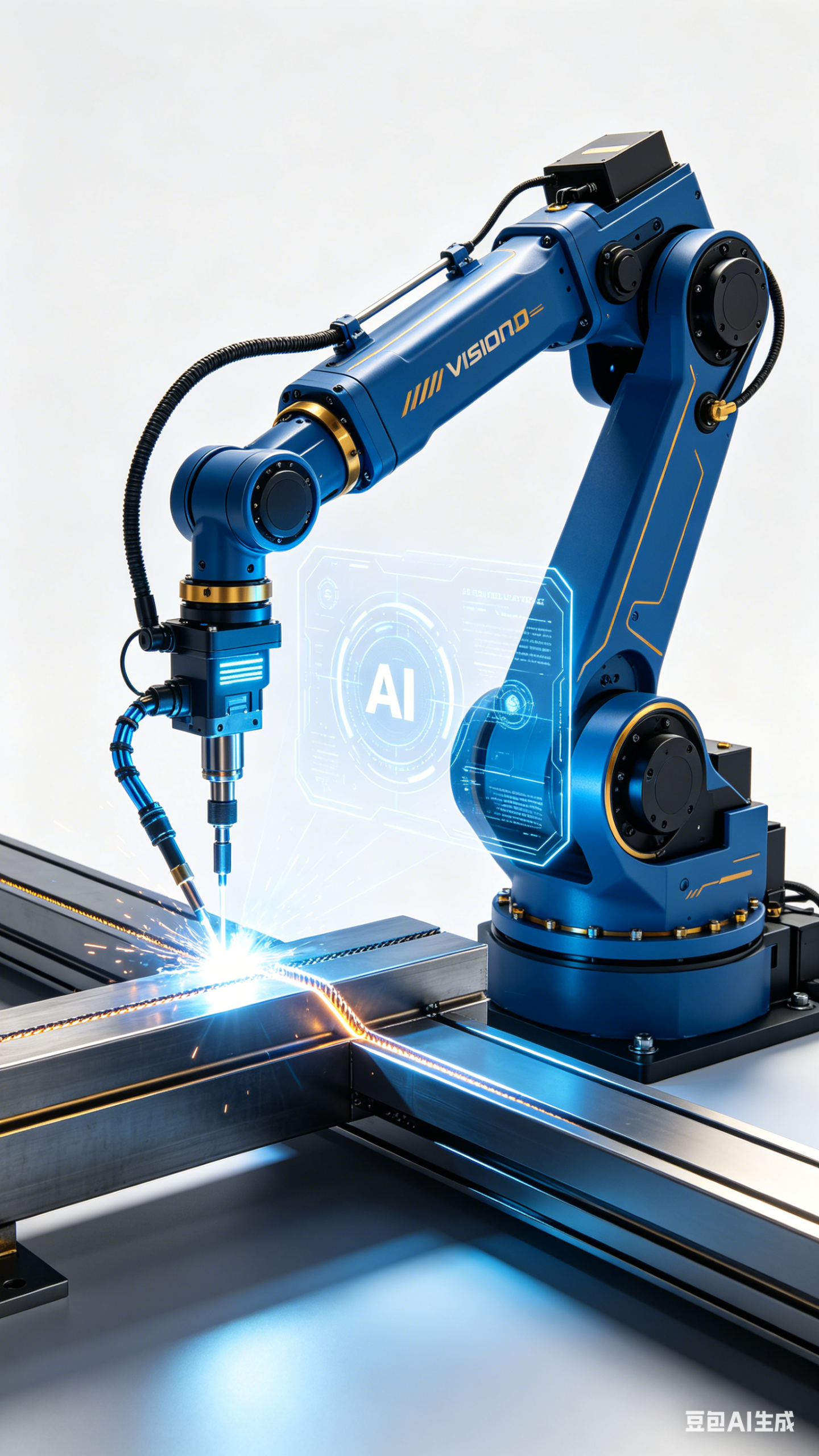
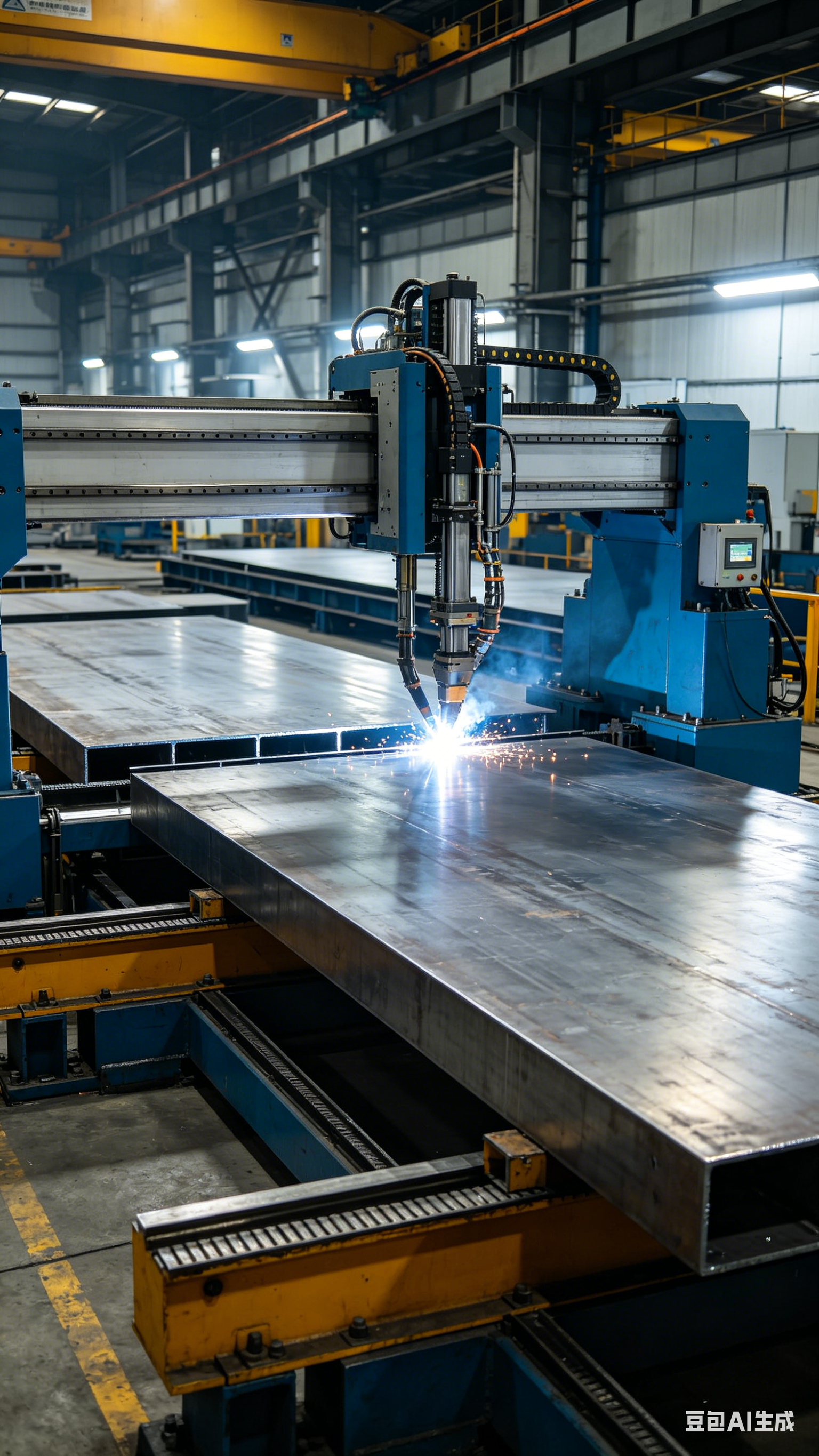
A **Smart Automated TIG Welding System** combines the precision of Tungsten Inert Gas (TIG) welding with the intelligence of automation and robotics. Unlike traditional welding methods, which rely heavily on manual skill and labor, this system leverages sensors, artificial intelligence (AI), and machine learning to perform welds with unparalleled accuracy and consistency. It is designed for industries requiring high-quality, repeatable welds, such as aerospace, automotive, and heavy machinery manufacturing.
### Key Components of the System
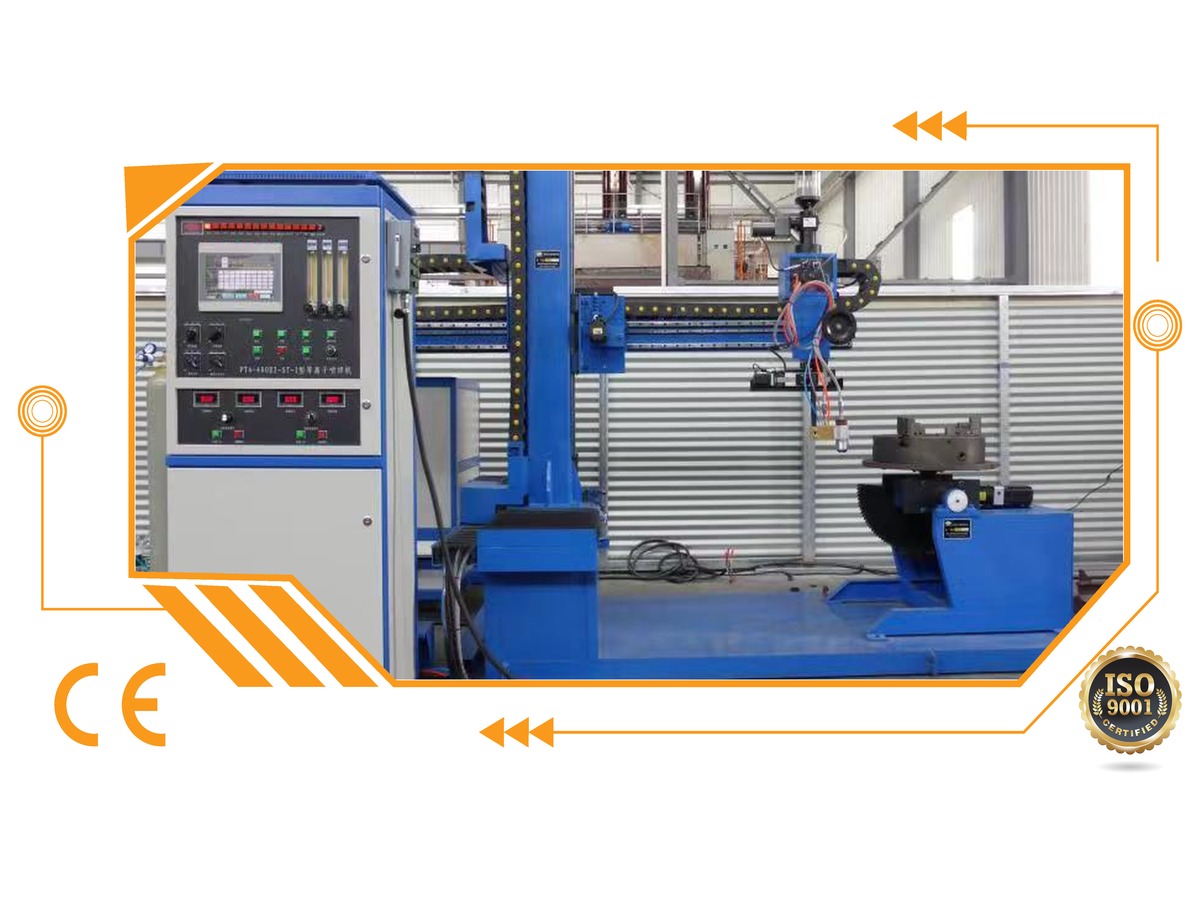
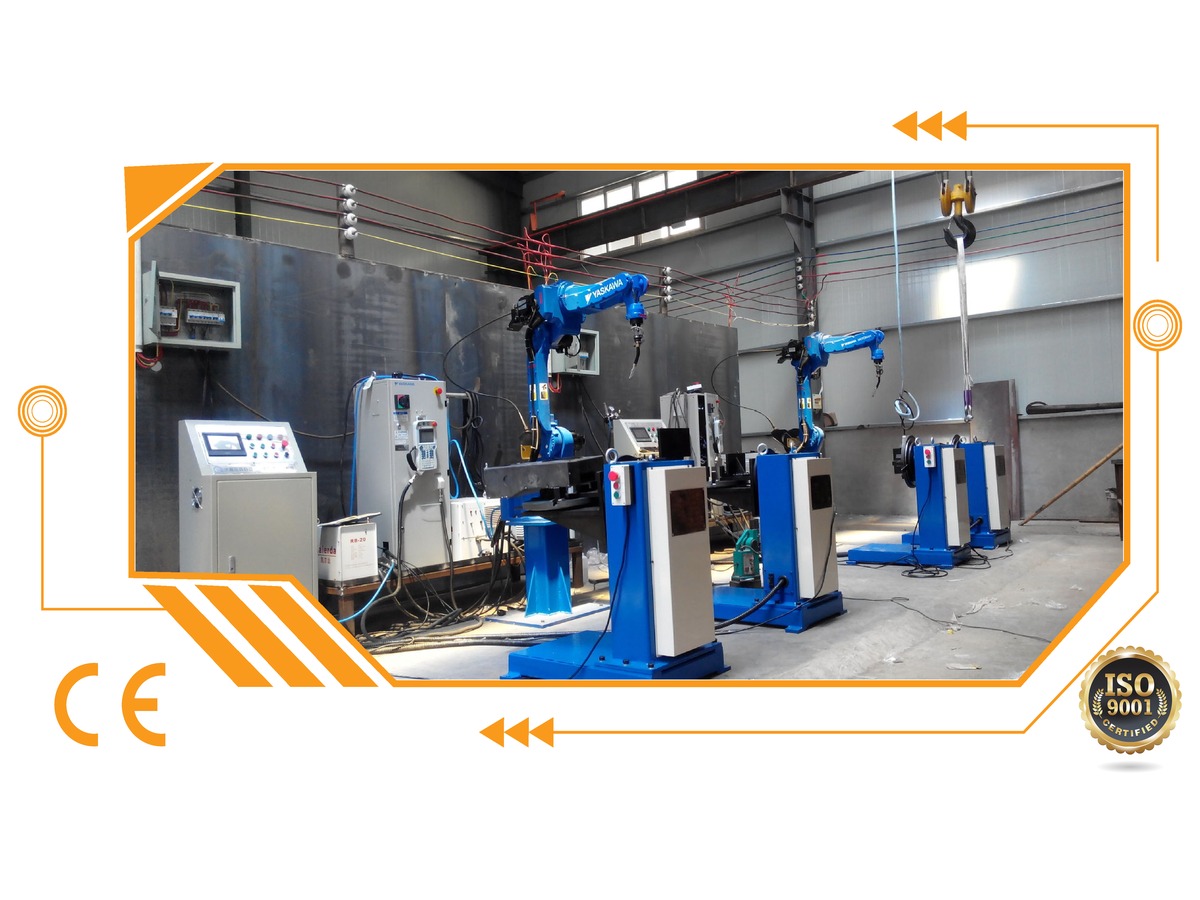
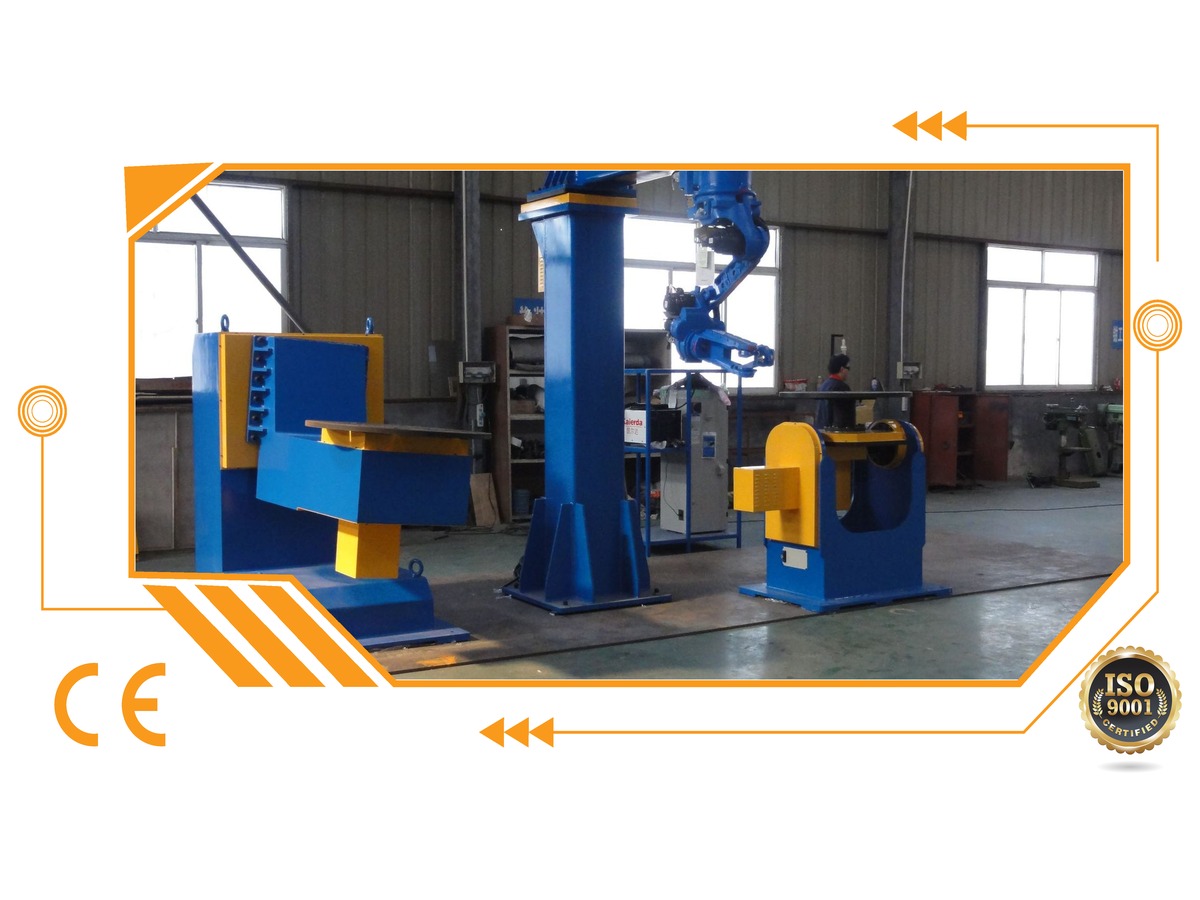
– **Robotic Arms**: Equipped with advanced TIG torches, these arms perform complex welds with minimal human intervention.
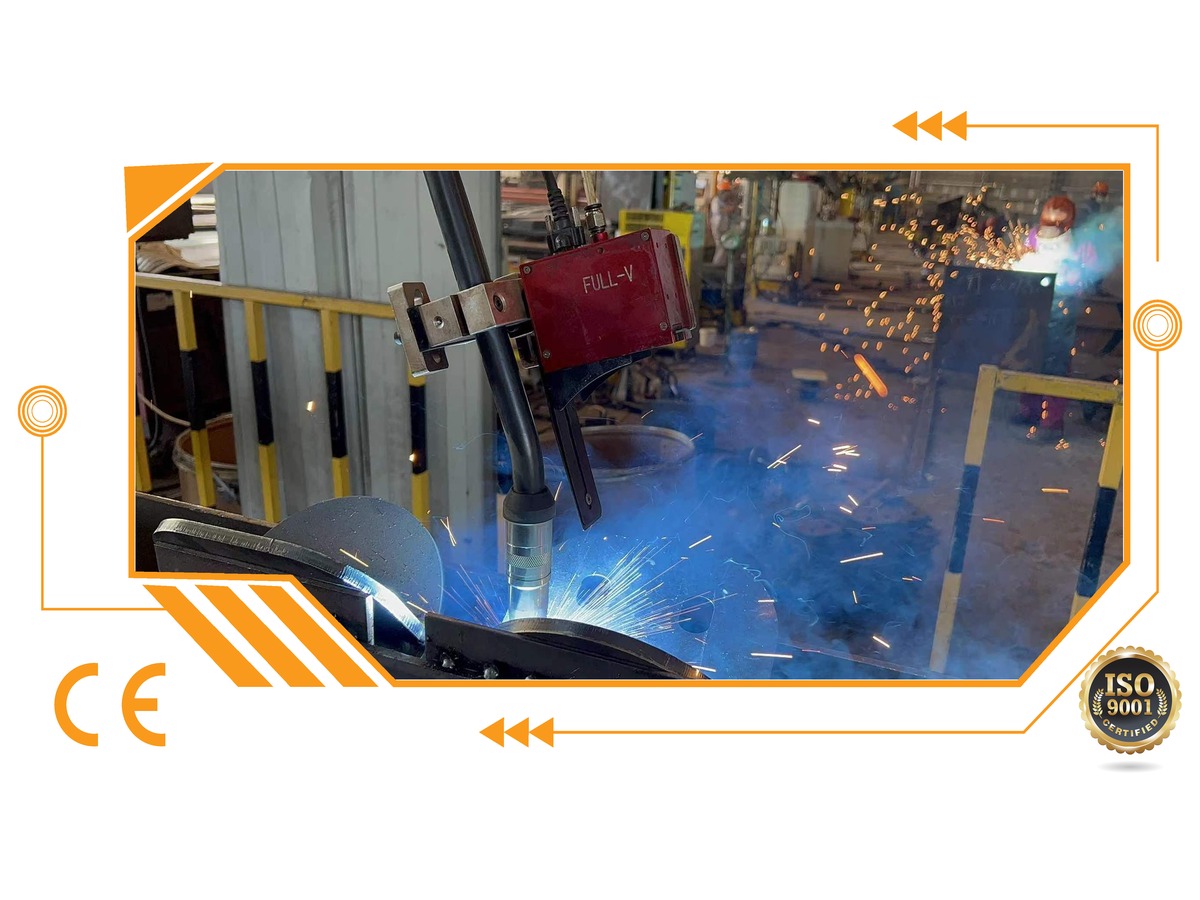
– **Sensors and Cameras**: Real-time monitoring ensures quality control by detecting defects, adjusting parameters, and optimizing the welding process.
– **AI-Powered Software**: Analyzes data from sensors to adapt to material variations, environmental conditions, and design specifications.
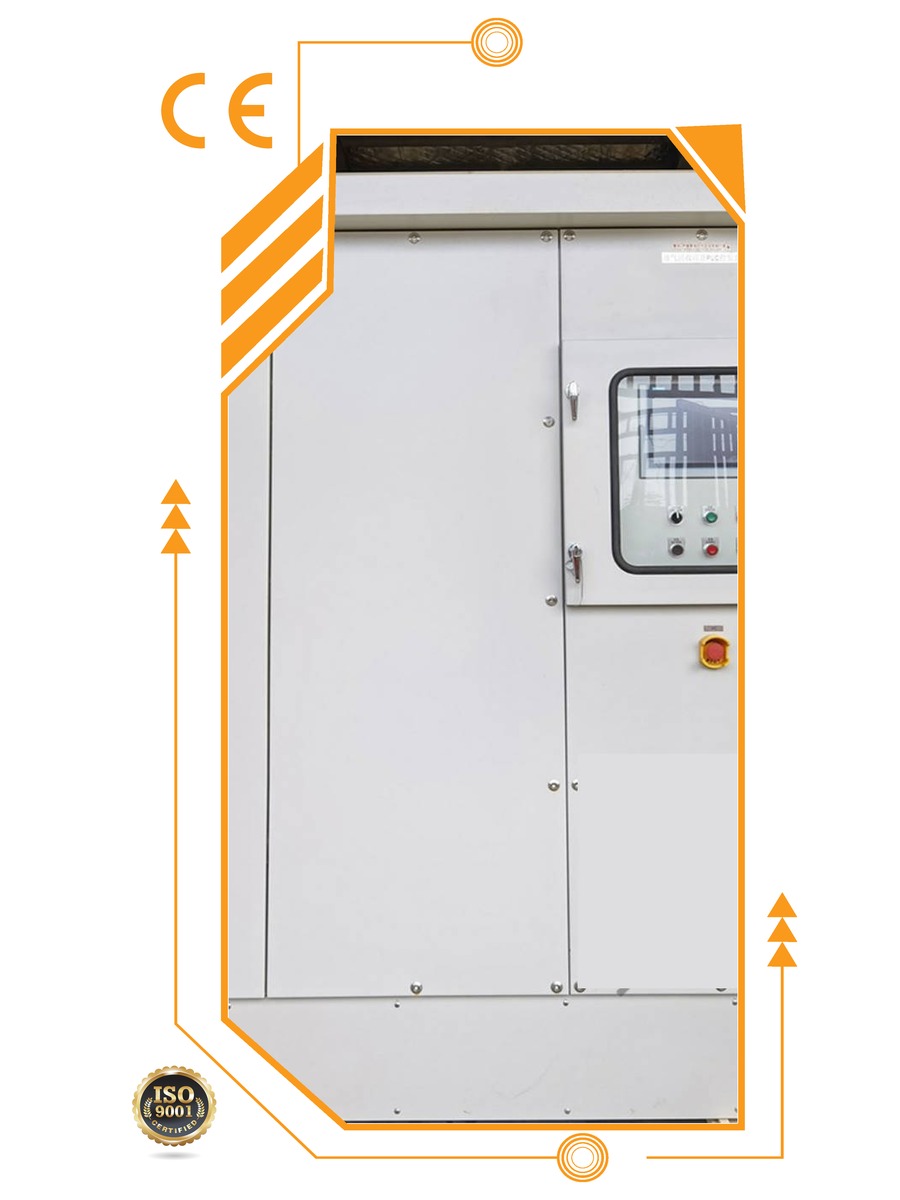
– **User Interface**: A centralized control panel allows operators to monitor progress, adjust settings, and generate reports.
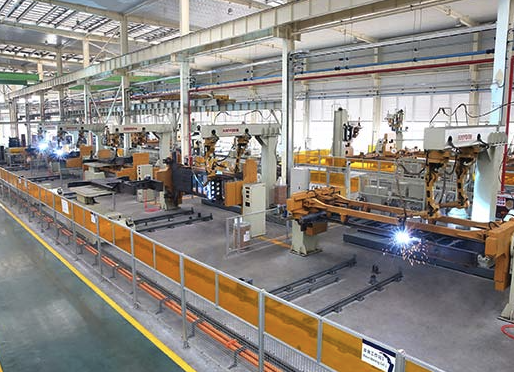
This integration of hardware and software makes the system ideal for B2B applications, where efficiency, reliability, and cost-effectiveness are critical. For companies involved in foreign trade, such a system ensures compliance with international quality standards while reducing production timelines.
—
## Why Smart Automated TIG Welding Systems Are a Game-Changer for B2B Industries
### 1. **Enhanced Precision and Quality**
Manual welding is prone to human error, especially during large-scale production. A **Smart Automated TIG Welding System** eliminates this risk by maintaining consistent weld parameters throughout the process. The AI-driven algorithms adjust variables like arc length, current, and gas flow in real time, ensuring each weld meets exact specifications. This level of precision is particularly valuable in B2B sectors where product quality directly impacts customer satisfaction and repeat business.
### 2. **Increased Productivity and Scalability**
For companies engaged in foreign trade, meeting tight deadlines and large order volumes is a constant challenge. Automated systems can operate 24/7 with minimal downtime, significantly boosting output. Unlike manual welding, which requires frequent breaks and training, these systems streamline workflows, reducing labor costs and accelerating production cycles. This scalability is a major selling point for B2B clients looking to expand their global footprint.
### 3. **Cost-Effectiveness and Resource Optimization**
While the initial investment in a **Smart Automated TIG Welding System** may seem high, the long-term savings are substantial. Reduced material waste, lower energy consumption, and fewer rework hours contribute to a faster return on investment (ROI). Additionally, the system’s ability to minimize defects reduces the need for costly repairs or replacements, making it a financially sound choice for B2B enterprises.
—
## How Smart Automated TIG Welding Systems Benefit Foreign Trade Operations
For companies involved in foreign trade, the ability to deliver high-quality products on time is crucial. A **Smart Automated TIG Welding System** offers several advantages that align with the demands of international markets.
### 1. **Compliance with Global Standards**
Exporting products to different countries often requires adherence to strict quality and safety regulations. Automated systems ensure that welds meet international standards such as ISO 9001 and ASME codes. This compliance is essential for B2B companies seeking to enter competitive markets, as it reduces the risk of product recalls and enhances brand credibility.
### 2. **Customization for Diverse Market Needs**
Foreign trade often involves catering to the unique requirements of clients in different regions. A **Smart Automated TIG Welding System** can be programmed to adapt to various materials, thicknesses, and weld configurations, allowing manufacturers to produce tailored solutions. This flexibility is a key differentiator in B2B negotiations, where customization can be a deciding factor in winning contracts.
### 3. **Reduced Lead Times and Faster Delivery**
Automated systems eliminate the delays caused by manual labor bottlenecks. By streamlining the welding process, companies can fulfill orders more quickly, meeting the expectations of global clients. This speed is particularly important in foreign trade, where timely delivery can strengthen relationships with international partners.
—
## Case Studies: Real-World Applications in B2B and Foreign Trade
### Case Study 1: Aerospace Manufacturing for International Clients
A leading aerospace company in Germany integrated a **Smart Automated TIG Welding System** into its production line to meet the demands of its global clientele. The system enabled the company to produce lightweight, high-strength components with precision, reducing defects by 40% and cutting production time by 30%. This improvement allowed the company to secure long-term contracts with major aviation firms in the U.S. and Asia.
### Case Study 2: Automotive Parts Export to Emerging Markets
An automotive parts manufacturer in South Korea adopted the system to enhance its export capabilities. By automating the welding process for exhaust systems and chassis components, the company reduced labor costs by 25% and improved product consistency. This efficiency helped the manufacturer capture a larger share of the Southeast Asian market, where quality and affordability are key drivers of demand.
—
## Challenges and Considerations for Implementing Smart Automated TIG Welding Systems
While the benefits of a **Smart Automated TIG Welding System** are clear, B2B companies must also consider potential challenges during implementation.
### 1. **Initial Investment and ROI**
The upfront cost of purchasing and installing the system can be substantial. However, companies should conduct a detailed cost-benefit analysis to evaluate long-term savings, including reduced labor expenses, lower defect rates, and increased production capacity. Partnering with experienced B2B suppliers can help mitigate financial risks through flexible payment plans or leasing options.
### 2. **Training and Technical Support**
Operators must be trained to manage the system’s advanced features, from programming the robotic arms to interpreting sensor data. B2B companies should ensure that their workforce receives comprehensive training and that technical support is available to address any issues promptly. Collaborating with vendors that offer post-sales services can enhance the system’s value over time.
### 3. **Integration with Existing Production Lines**
Integrating a **Smart Automated TIG Welding System** into an existing manufacturing setup requires careful planning. Companies must assess their current workflows, identify compatibility issues, and invest in necessary infrastructure upgrades. Working with experts in industrial automation can ensure a seamless transition.
—
## Future Trends: The Evolution of Smart Automated TIG Welding in B2B and Foreign Trade
As technology continues to advance, the capabilities of **Smart Automated TIG Welding Systems** will expand further. Emerging trends such as AI-driven predictive maintenance, integration with Industry 4.0 platforms, and the use of augmented reality (AR) for remote monitoring are expected to redefine the industry.
For B2B companies engaged in foreign trade, these innovations will enable even greater efficiency, reduce downtime, and provide real-time insights into production performance. Additionally, the growing emphasis on sustainability will drive the development of systems that minimize energy consumption and environmental impact—key factors for companies targeting eco-conscious international markets.
—
## Conclusion: Embracing the Future of Welding with Smart Automation
In an increasingly competitive B2B landscape, the **Smart Automated TIG Welding System** stands as a testament to the power of innovation. By combining precision, efficiency, and scalability, it empowers companies to meet the demands of foreign trade while maintaining the highest standards of quality. For manufacturers looking to expand their global reach, investing in this technology is not just an option—it’s a necessity.
As the world becomes more interconnected, the ability to deliver consistent, high-quality products will determine the success of B2B enterprises. A **Smart Automated TIG Welding System** is more than a tool; it’s a strategic asset that can transform operations, enhance profitability, and open doors to new markets. The future of welding is here, and it’s smarter than ever.
—