




Robot welding has become a cornerstone of modern manufacturing, offering unparalleled precision, repeatability, and productivity. This article explores the latest advancements in robotic welding technology and their applications across industries.
Types of Robotic Welding Systems
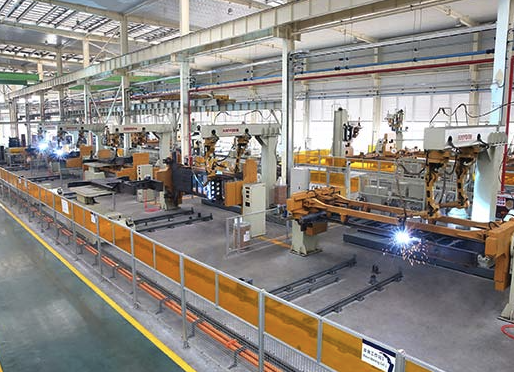
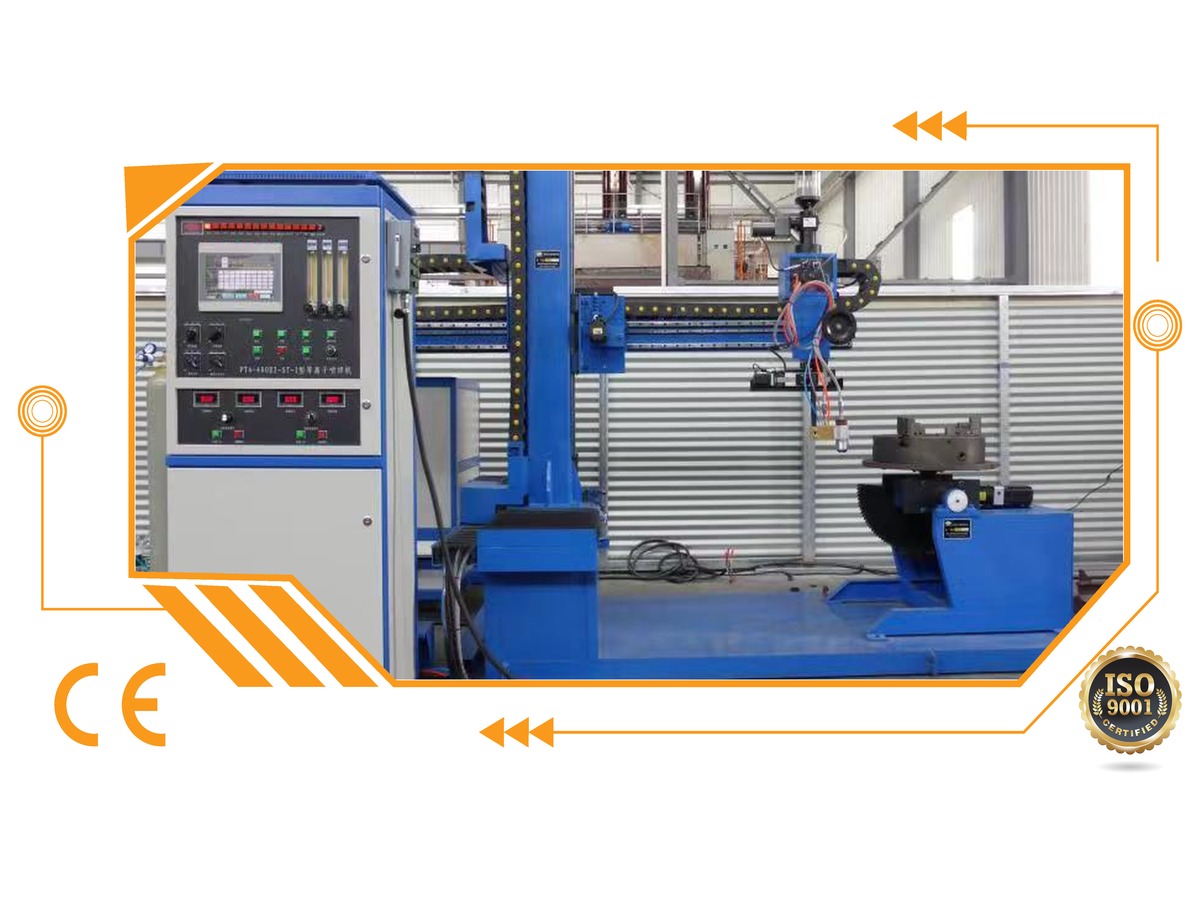
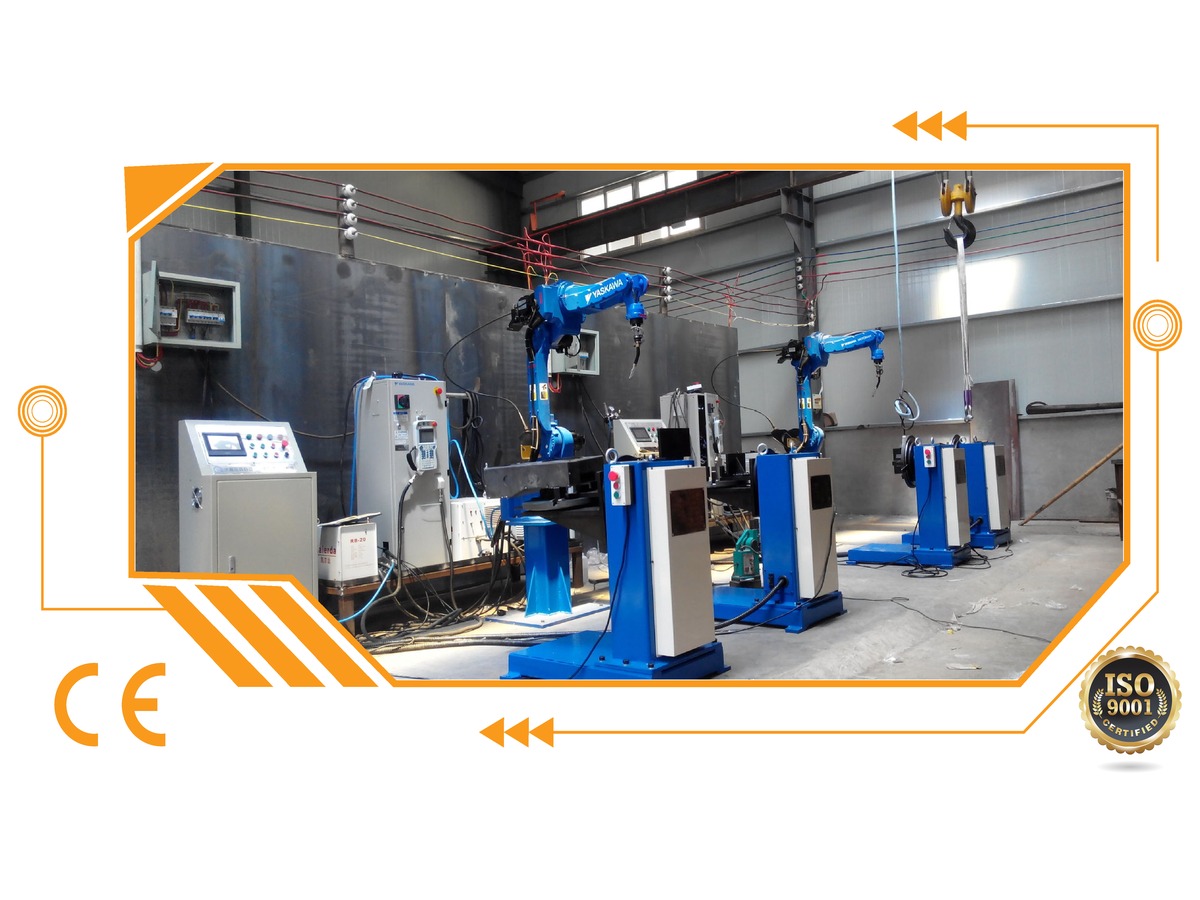
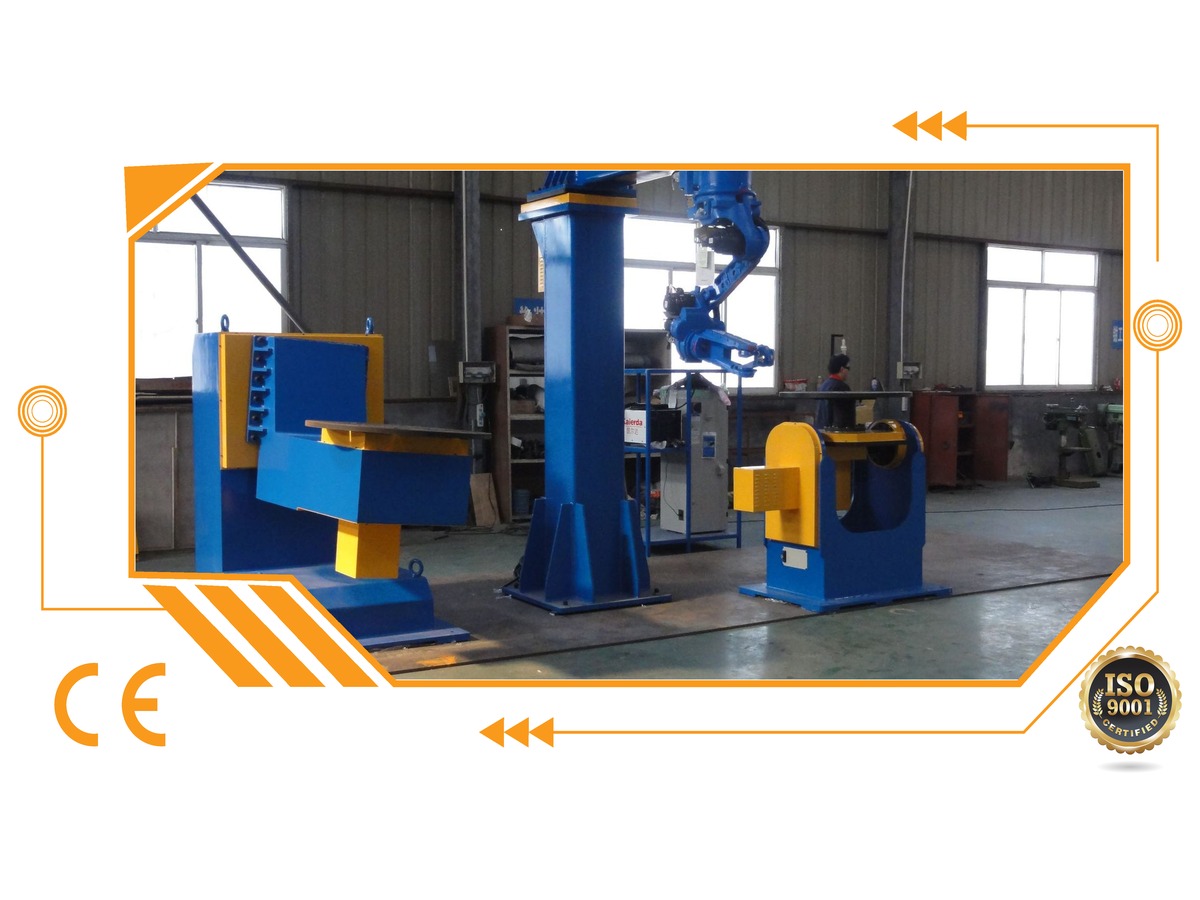
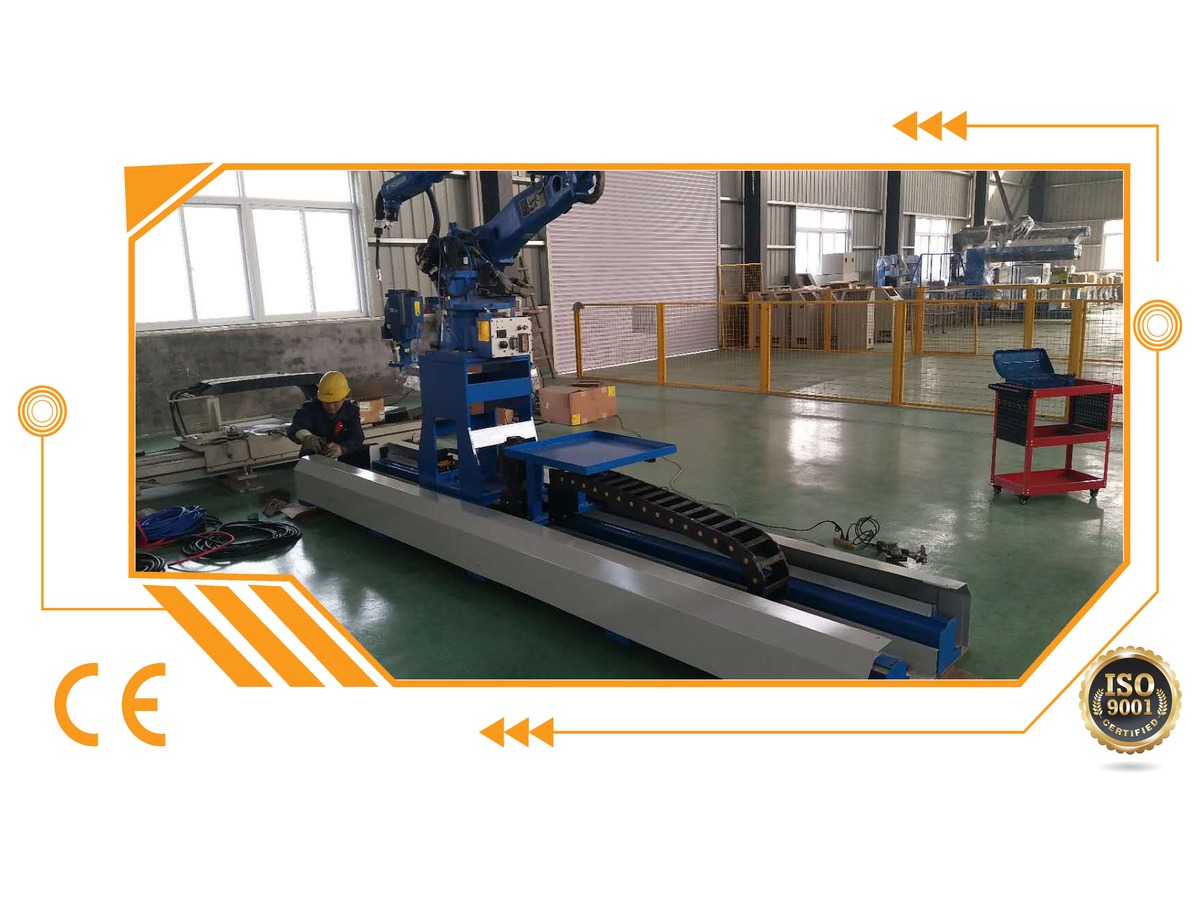
Modern robotic welding systems come in several configurations to suit different applications. Articulated robots with 6-axis freedom offer maximum flexibility for complex weld geometries. Gantry-mounted systems provide extended reach for large structures. Collaborative robots bring automation to smaller workshops with limited floor space.
Key Benefits
- Consistent Quality: Robots eliminate the variability inherent in manual welding, producing uniform welds across every production cycle
- Increased Productivity: Robotic welding systems operate at higher speeds than manual welding and can run continuously
- Reduced Rework: Precision control and repeatable parameters result in fewer defects and less rework
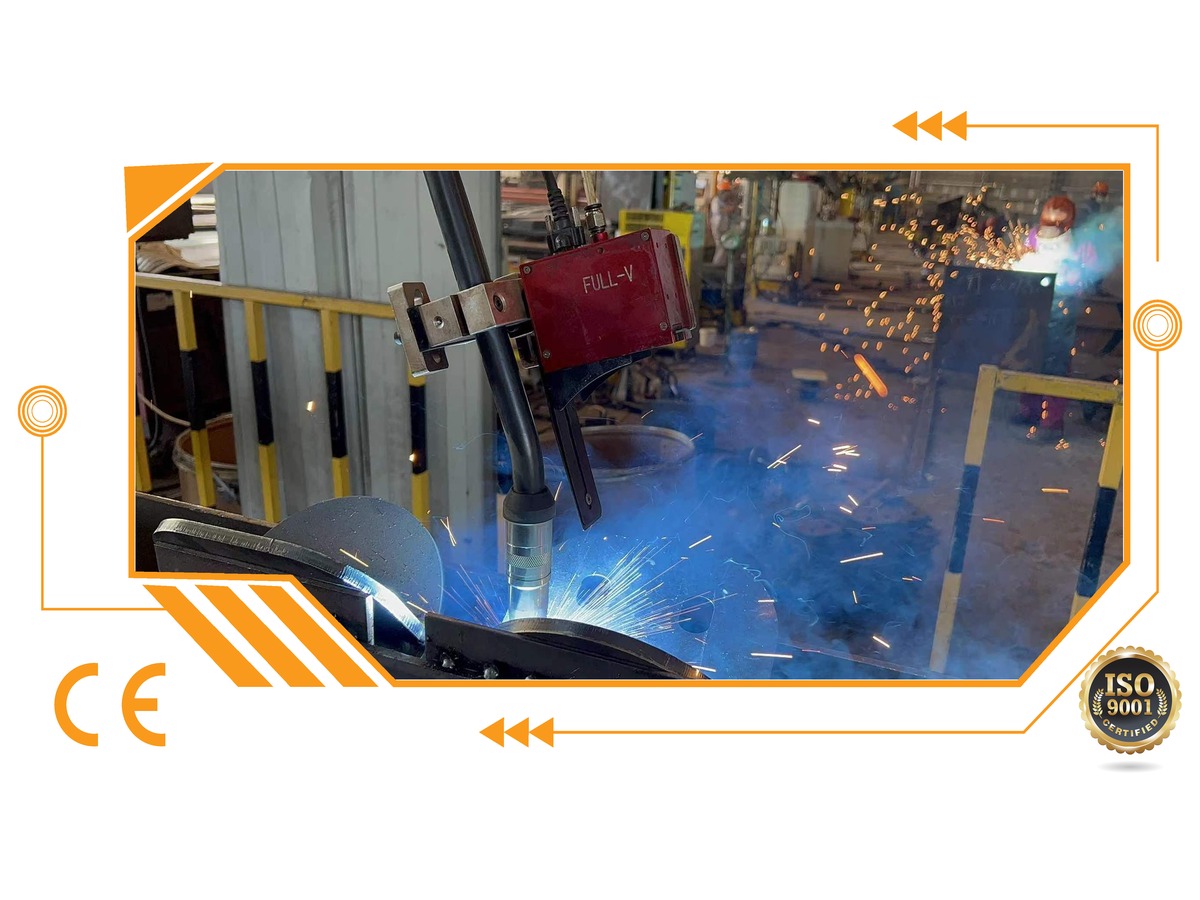
- Enhanced Safety: Robots handle hazardous welding environments, protecting workers from fumes, heat, and radiation
Industry Applications
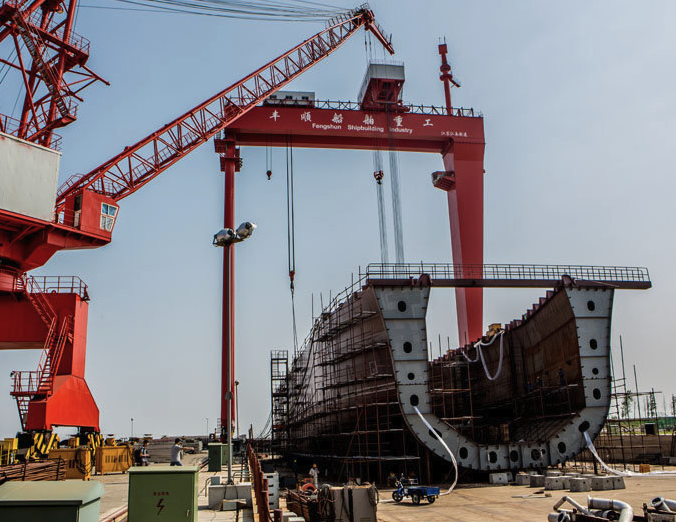
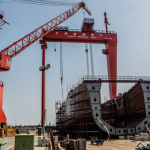
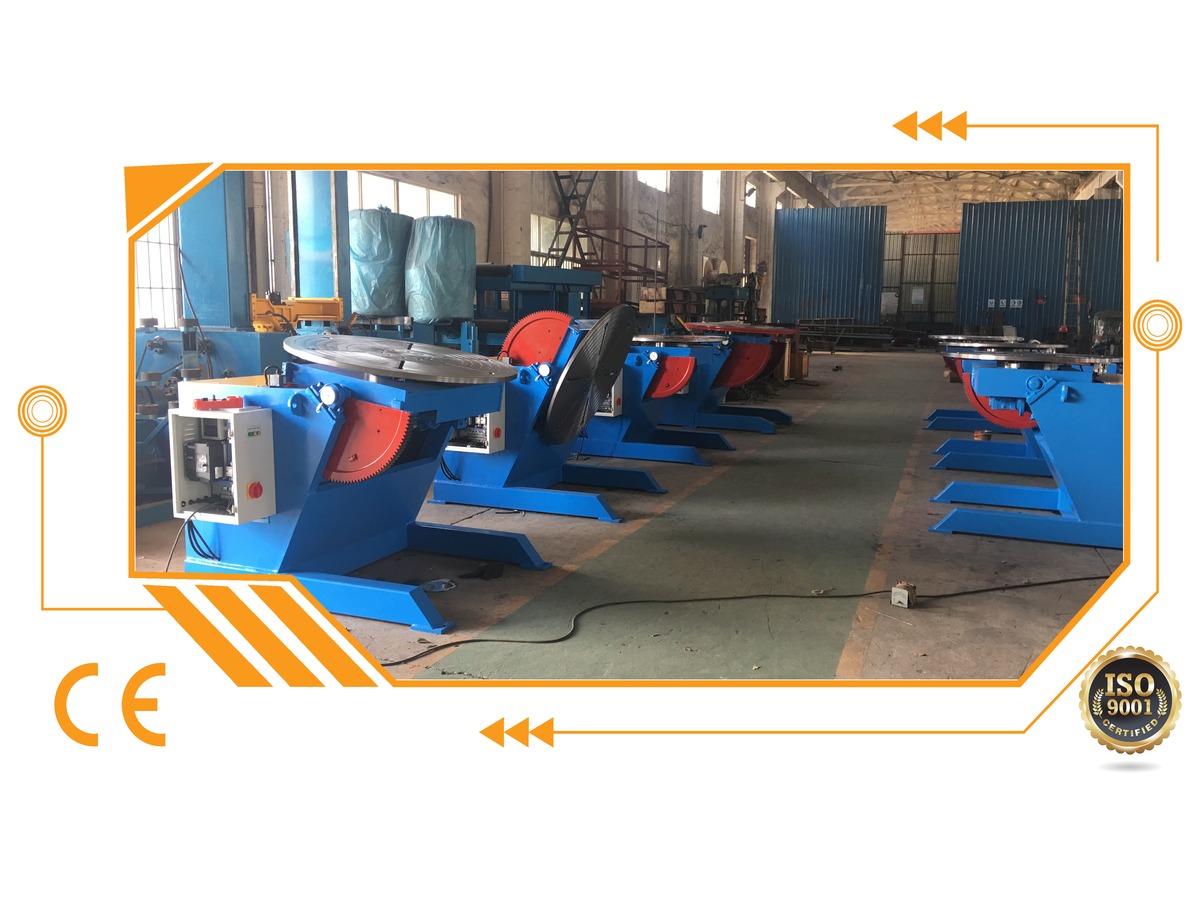
Robotic welding is widely used in automotive manufacturing, heavy equipment production, shipbuilding, structural steel fabrication, pipe and pressure vessel welding, and general manufacturing. Desan Electric provides comprehensive robotic welding solutions tailored to each industry’s unique requirements.
|
DESAN ELECTRIC LTD Industrial Welding Equipment & Automation Solutions T/F: +86-21-33275885 | Email: [email protected]
www.bqeai.com |
Facebook | |