




The Evolution of Fabrication Welding
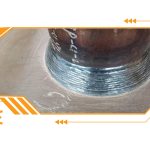
General metal fabrication shops face increasing pressure to deliver higher quality at lower costs. With skilled welder shortages affecting the industry globally, automation offers a practical path to maintaining production capacity while improving weld consistency across diverse workpieces.
Flexible Automation for Job Shops
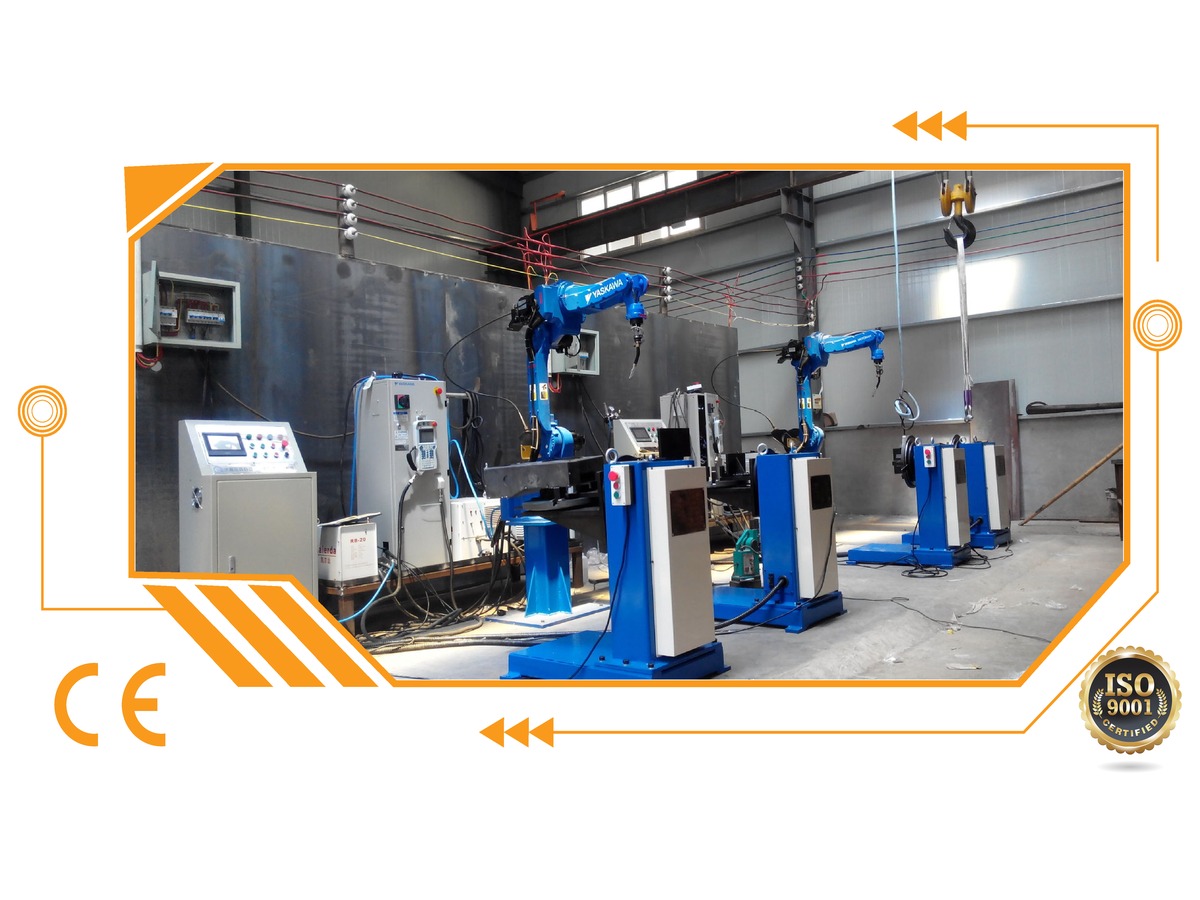
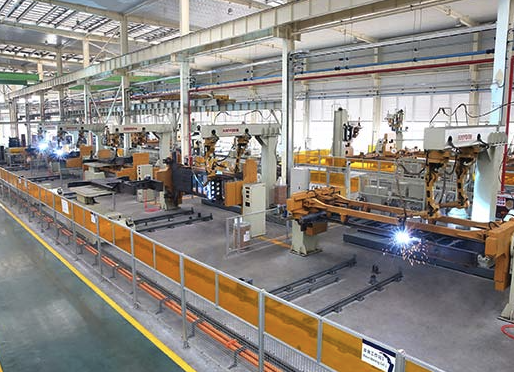
Unlike dedicated production lines, job shops require flexible welding solutions that can handle varying part geometries. Our automated welding positioners allow quick changeover between different workpieces, while programmable welding parameters ensure repeatable quality even for small batch production runs.
Key Automation Solutions for Fabricators
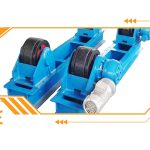
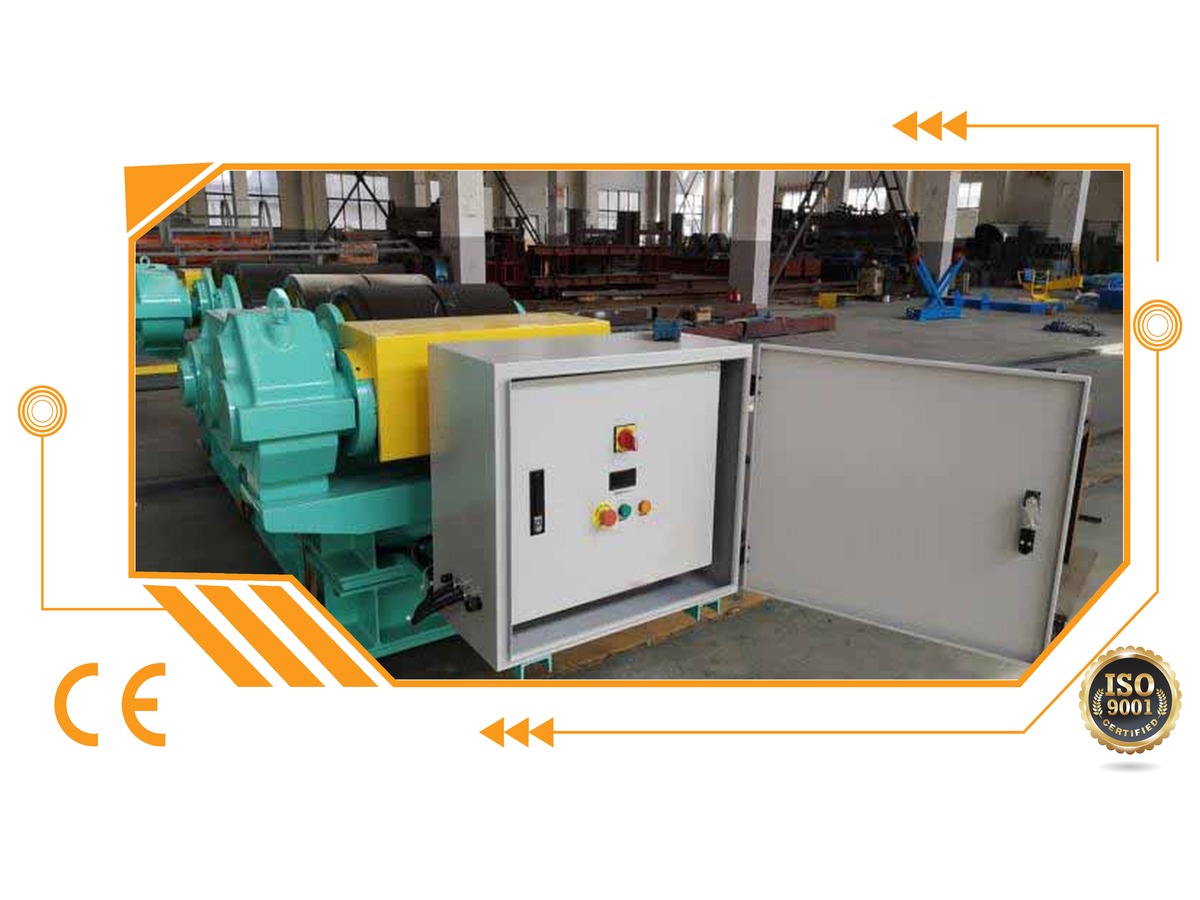
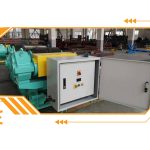
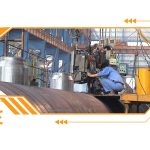
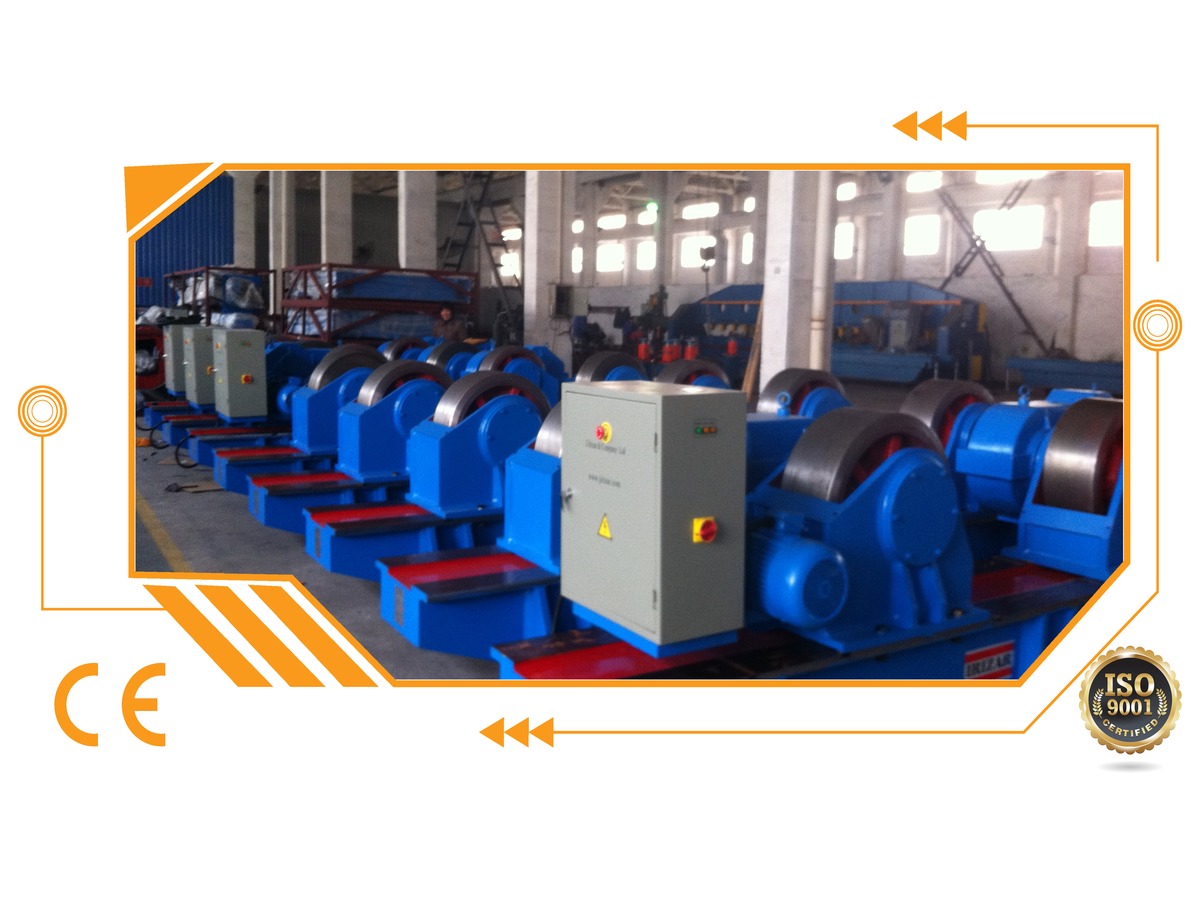
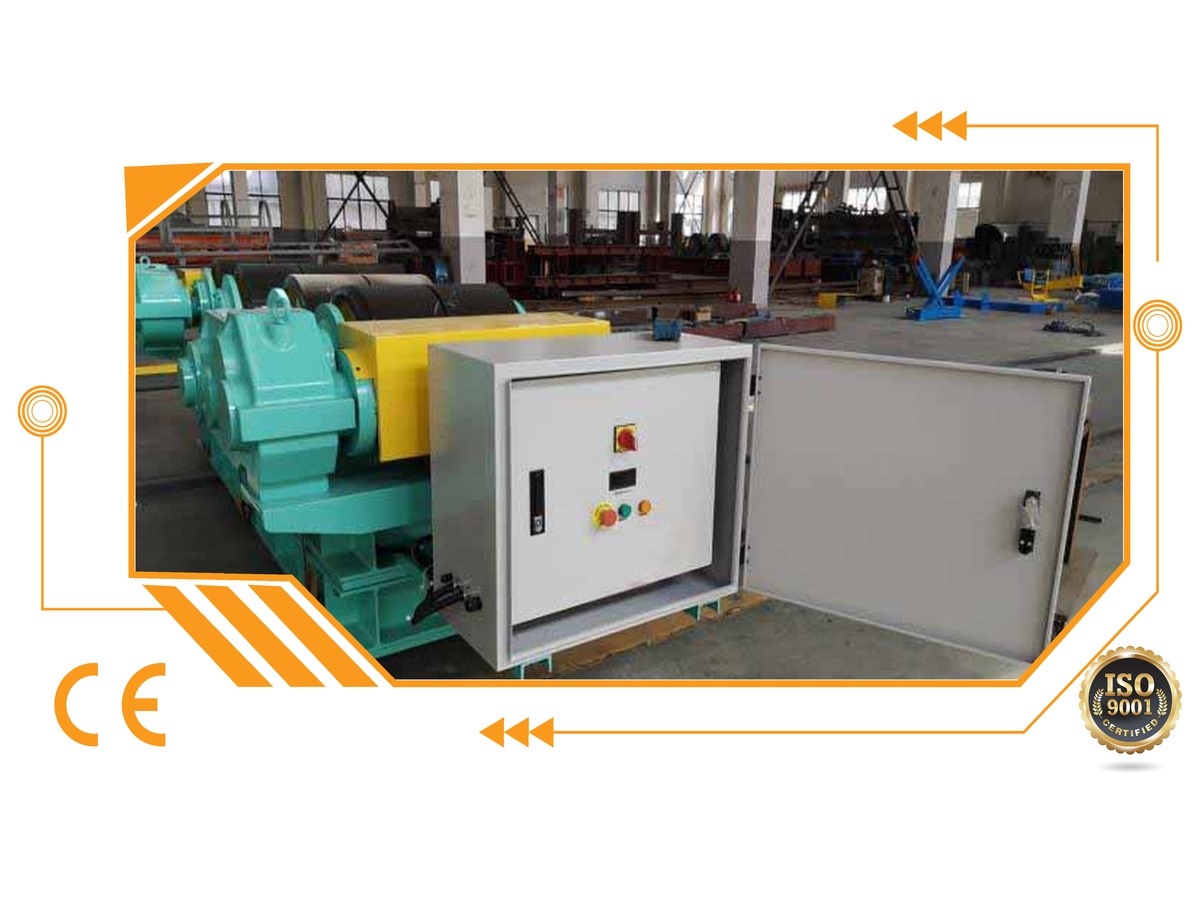
- Welding Rotators – For cylindrical workpiece welding with variable speed control
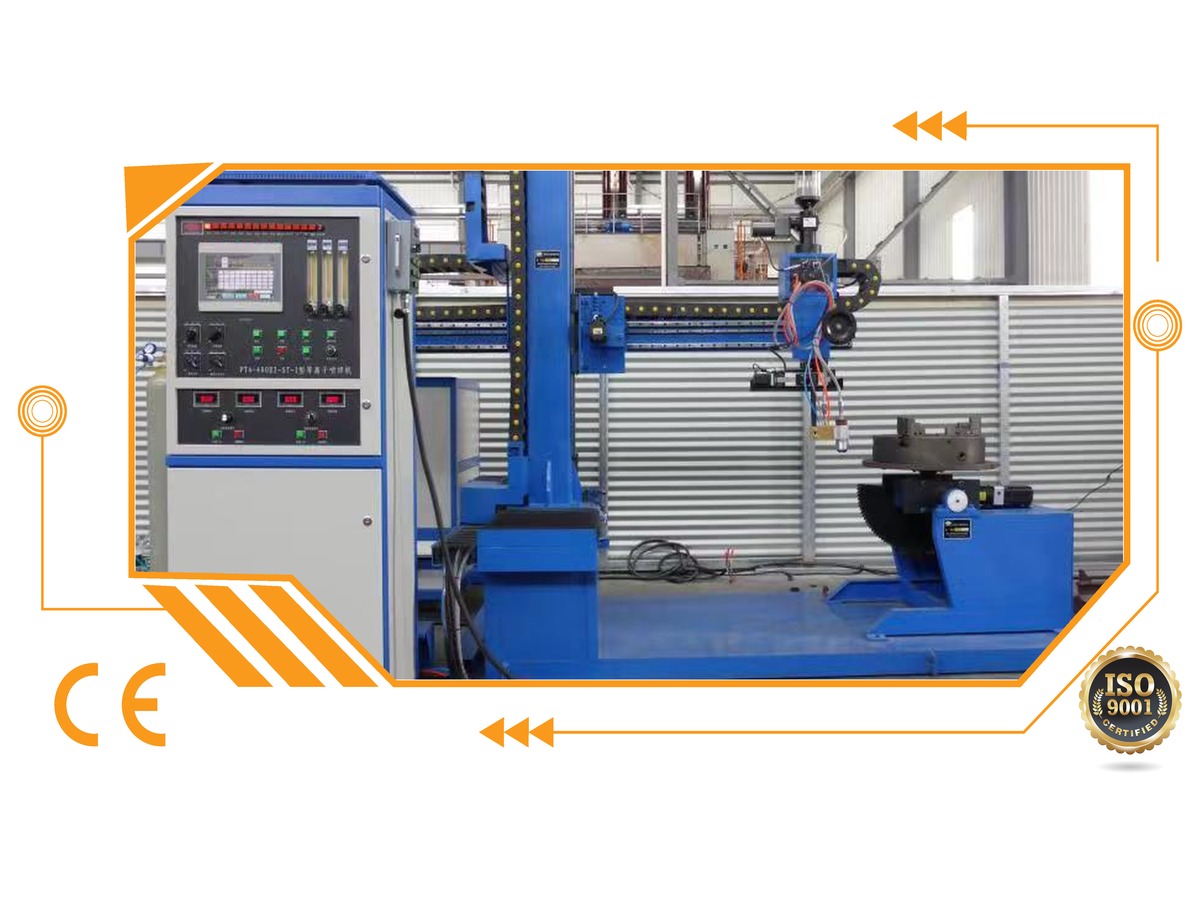
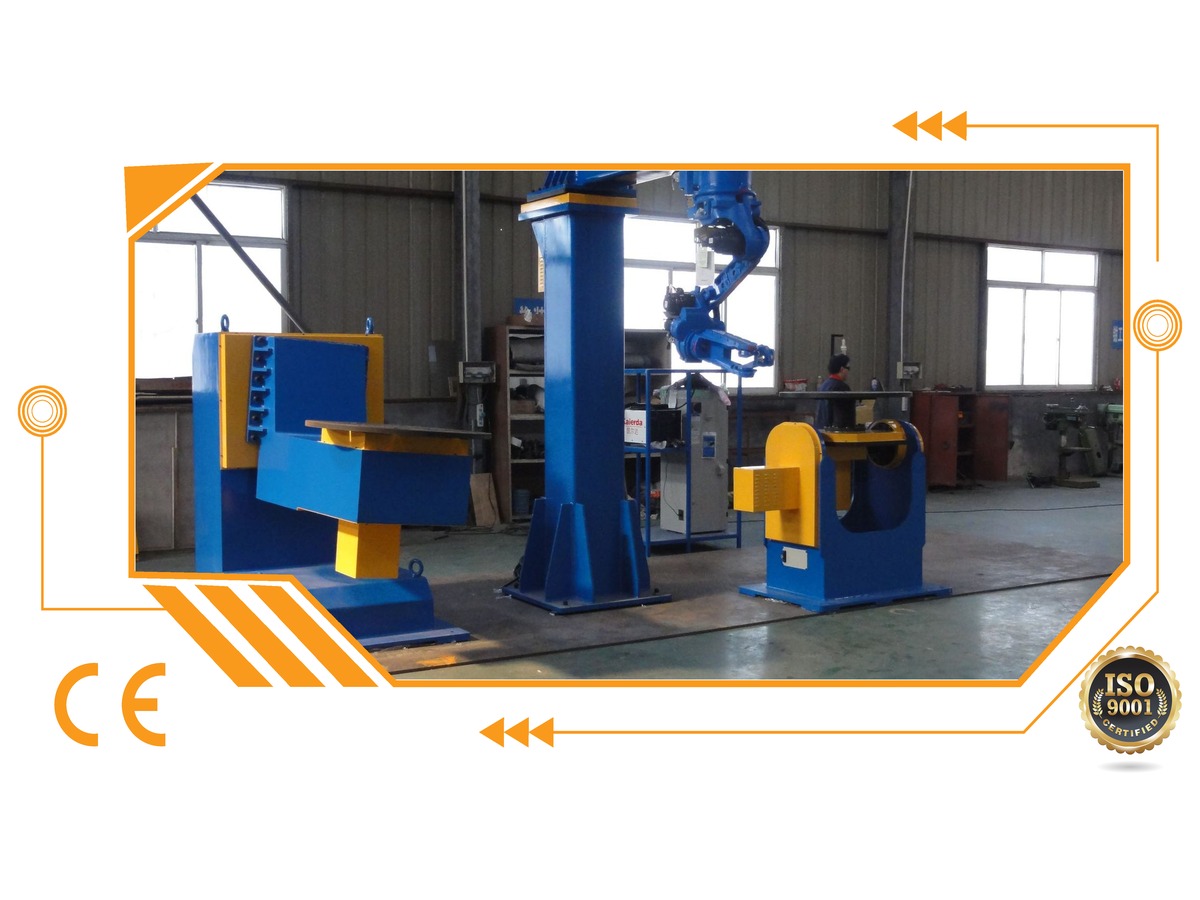
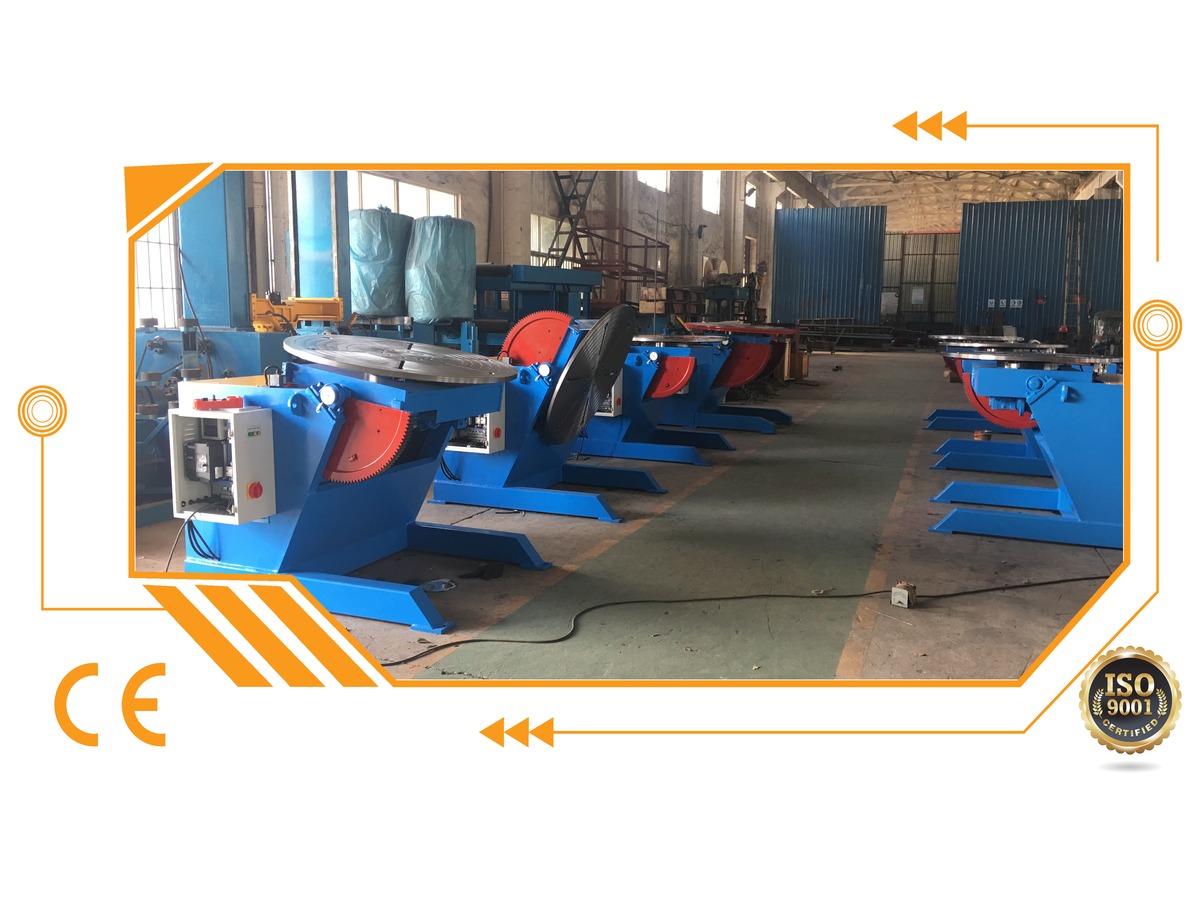
- Welding Positioners – Tilt and rotate capabilities for complex joint geometries
- Column & Boom Systems – Extended reach for large fabrication projects
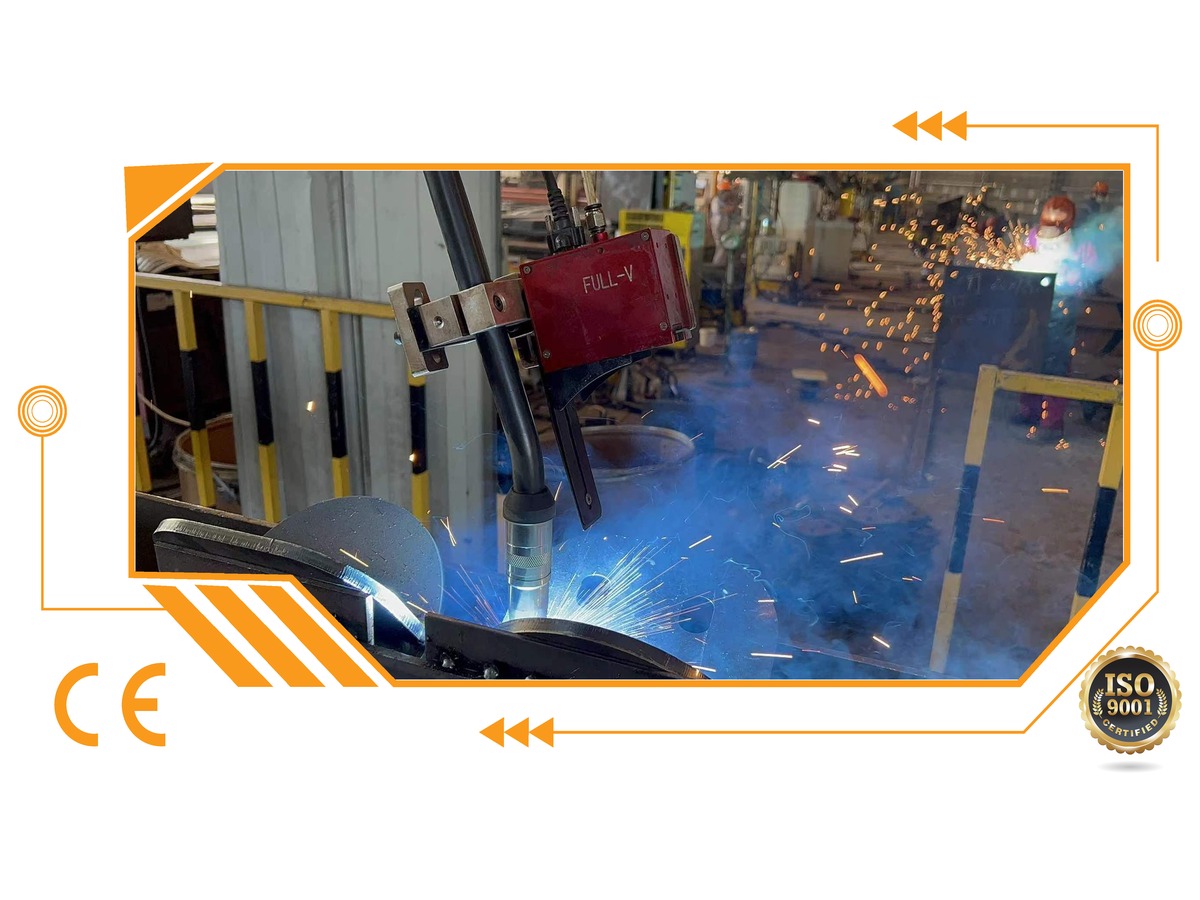
- Automated Welding Carriages – Compact units for repetitive straight seams
Cost-Benefit Analysis
Fabrication shops that implement semi-automated welding solutions typically see ROI within 8-14 months. The combination of reduced rework (from 10% to under 2%), higher deposition rates (3-5 kg/hour vs 1-2 kg/hour manual), and the ability to run one operator across multiple stations makes automation increasingly accessible even for smaller shops.
Conclusion
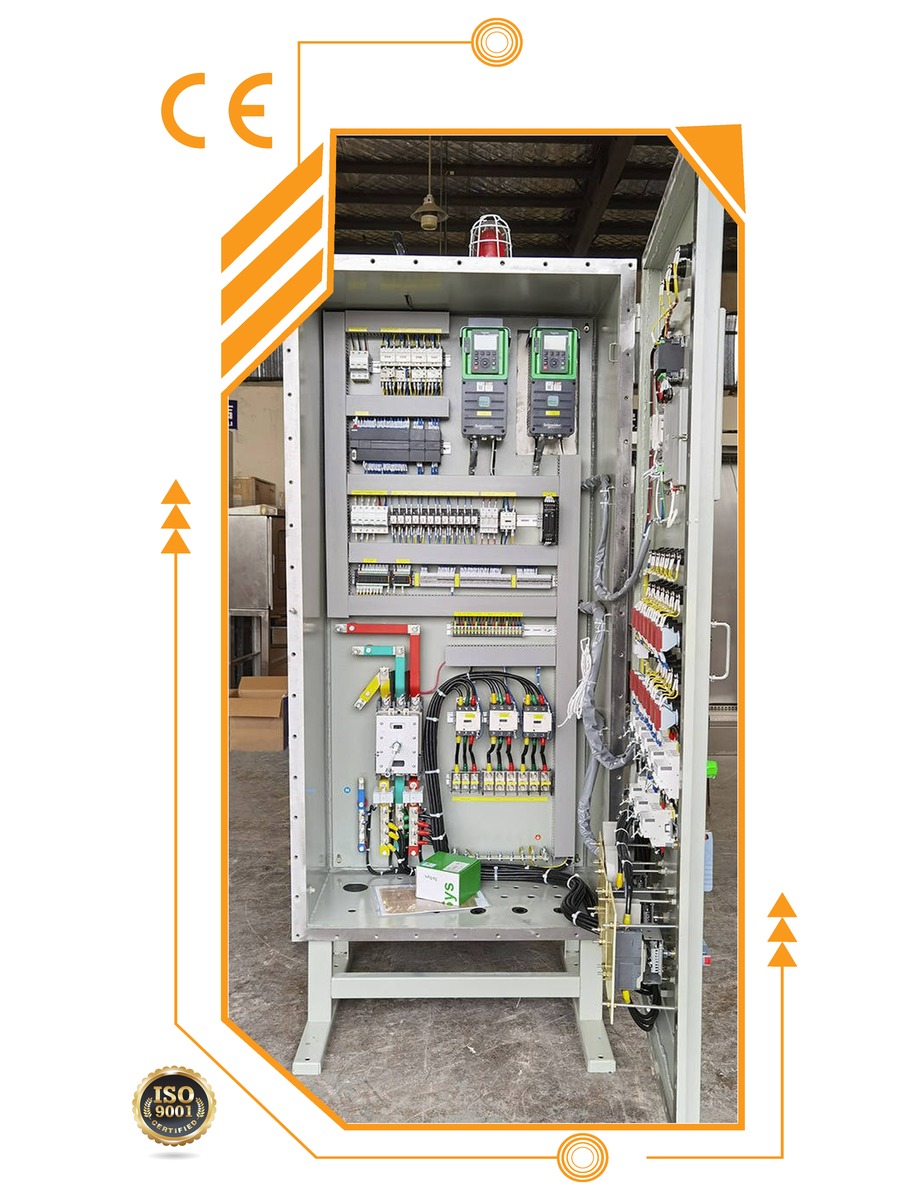
Automation in general fabrication doesn’t have to mean full robotics. Starting with welding positioners and rotators can dramatically improve quality and productivity. Desan Electric offers entry-level to advanced automation solutions suitable for fabrication shops of any size.