




Introduction
Robotic Welding Solutions for Shipbuilding Yards — This article explores the latest advancements in automated welding technology for the shipbuilding sector, highlighting how modern welding solutions improve productivity, quality, and safety in demanding industrial applications.
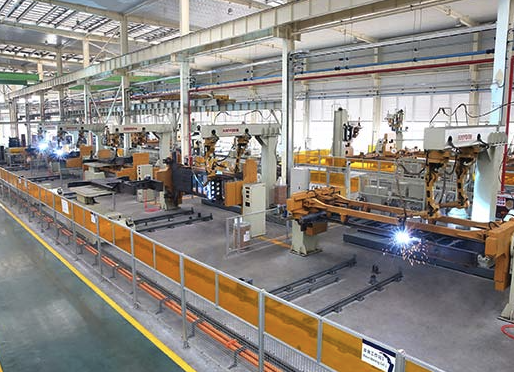
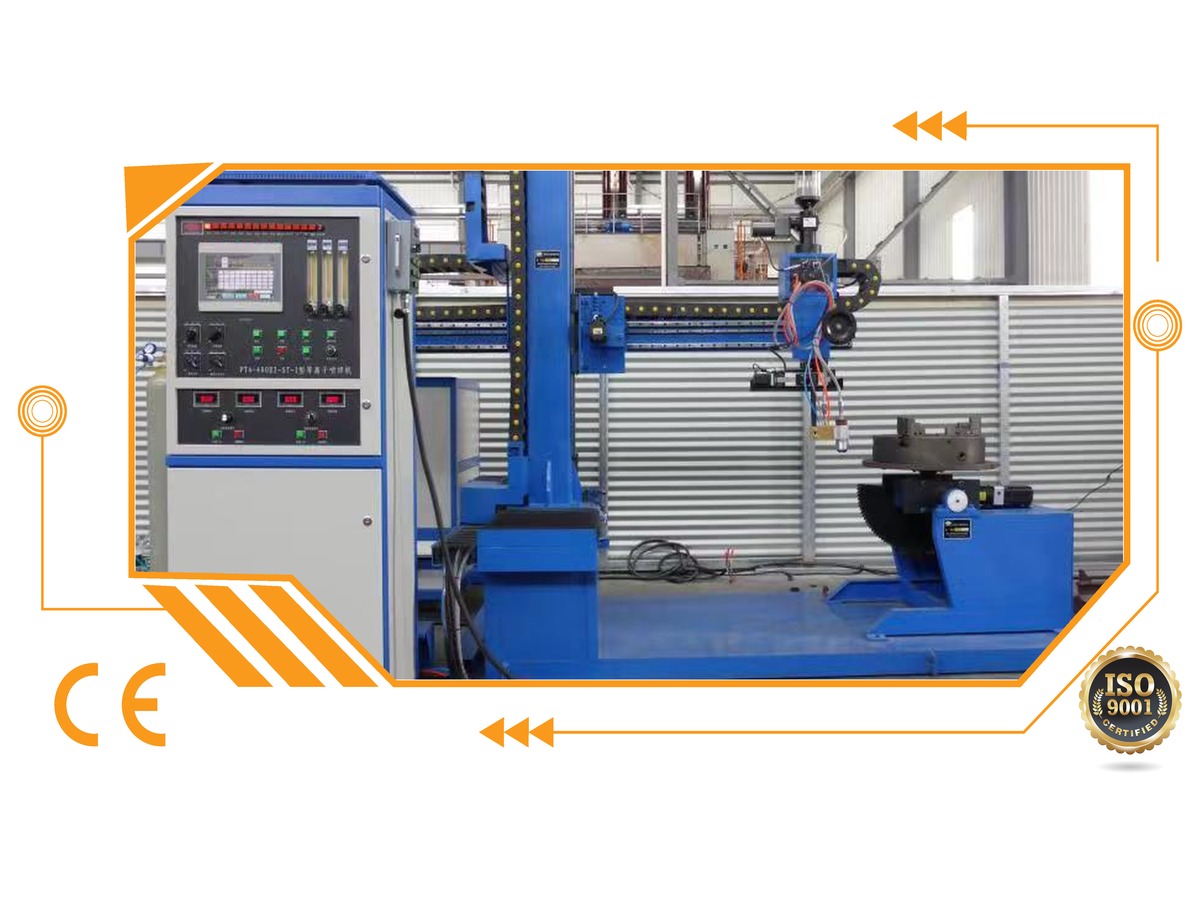
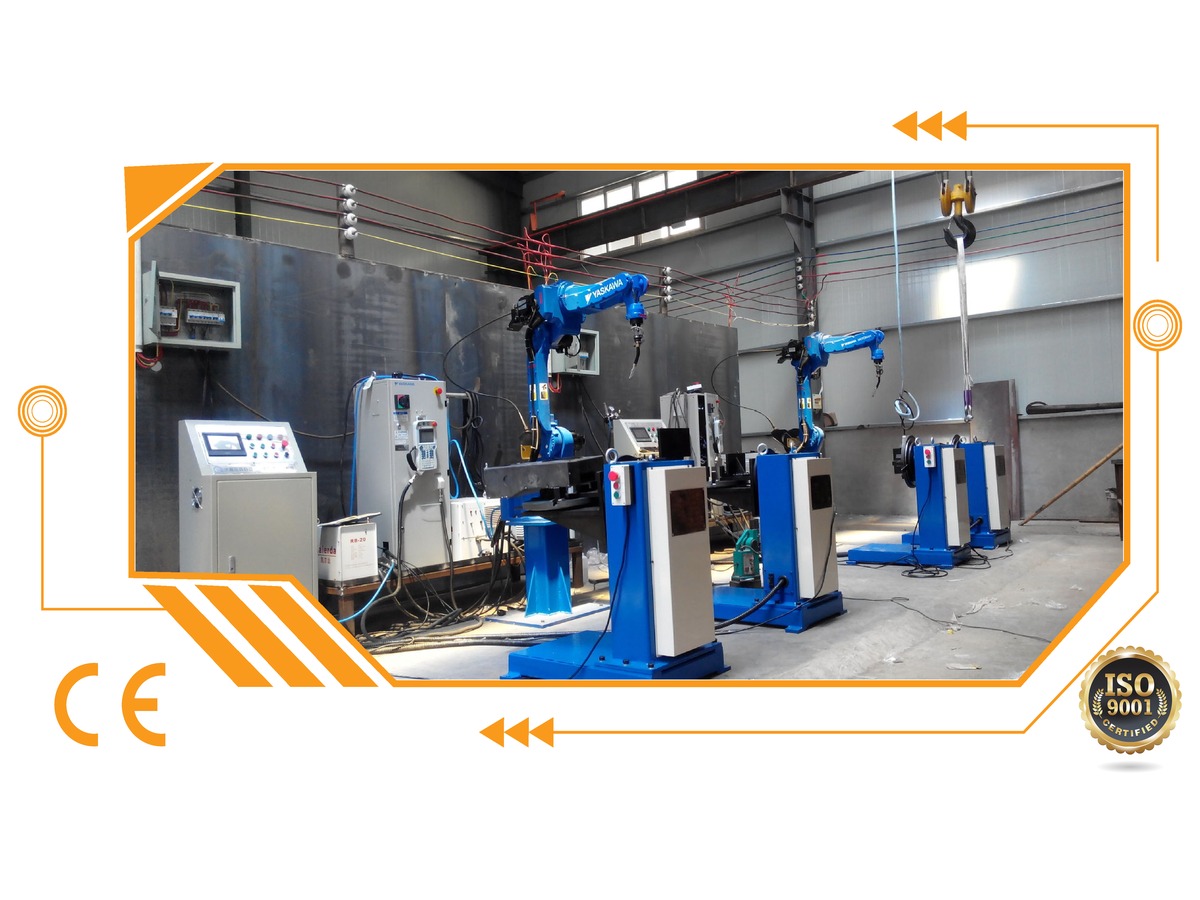
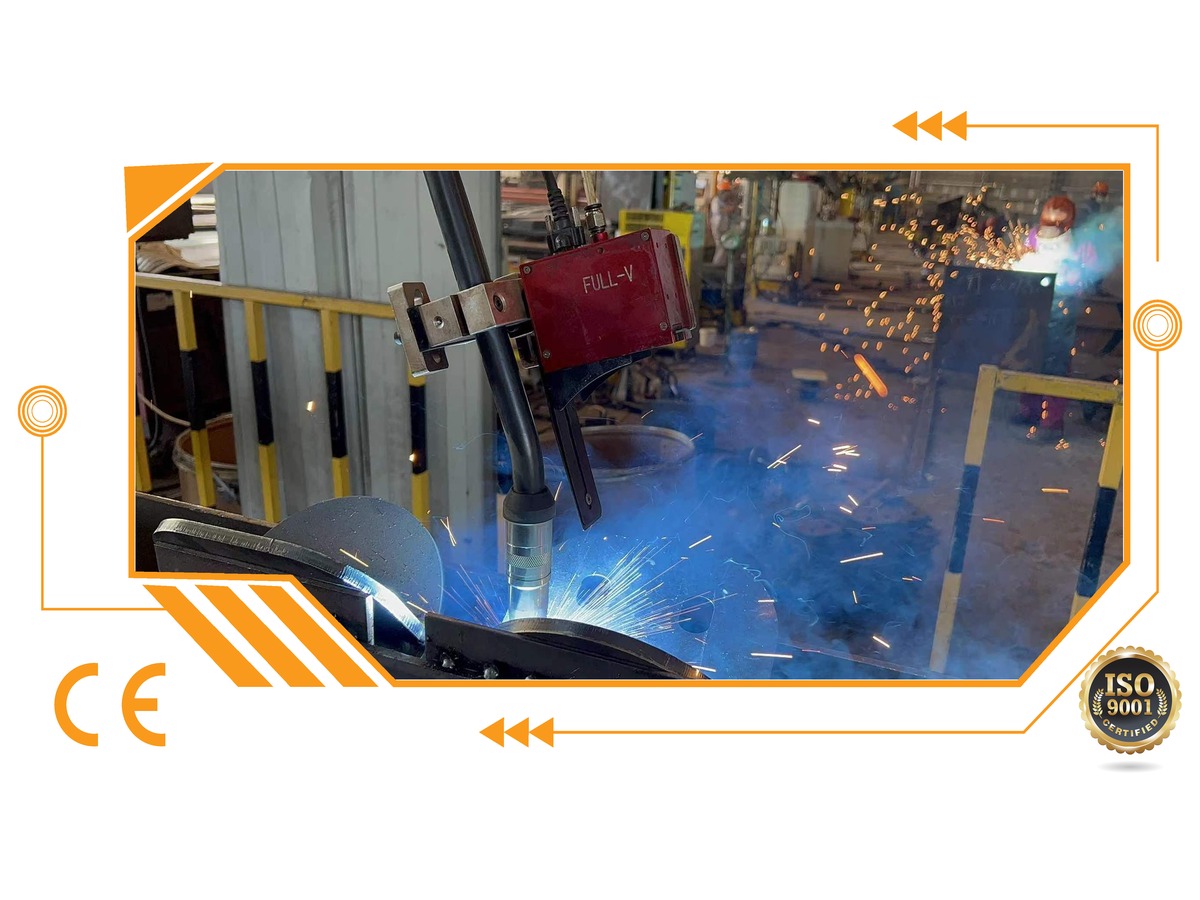
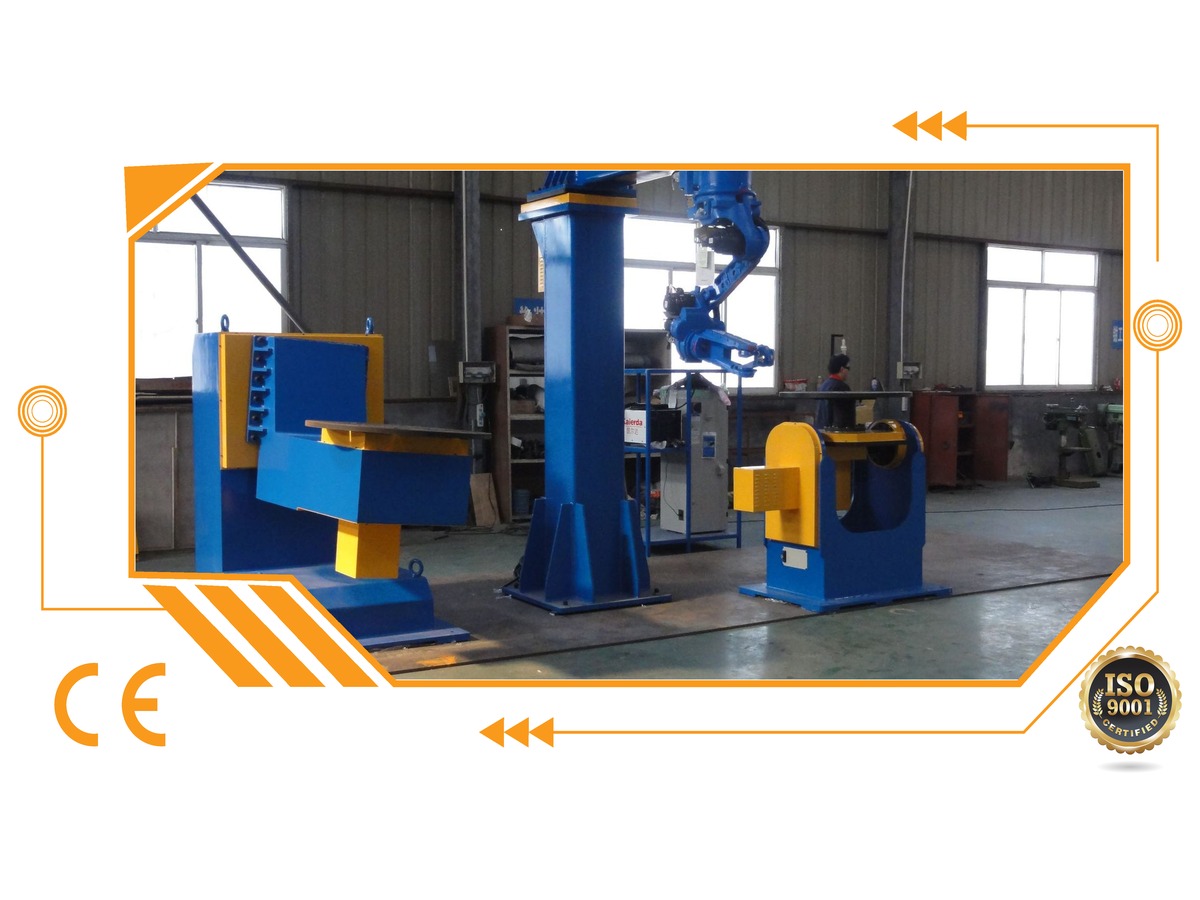
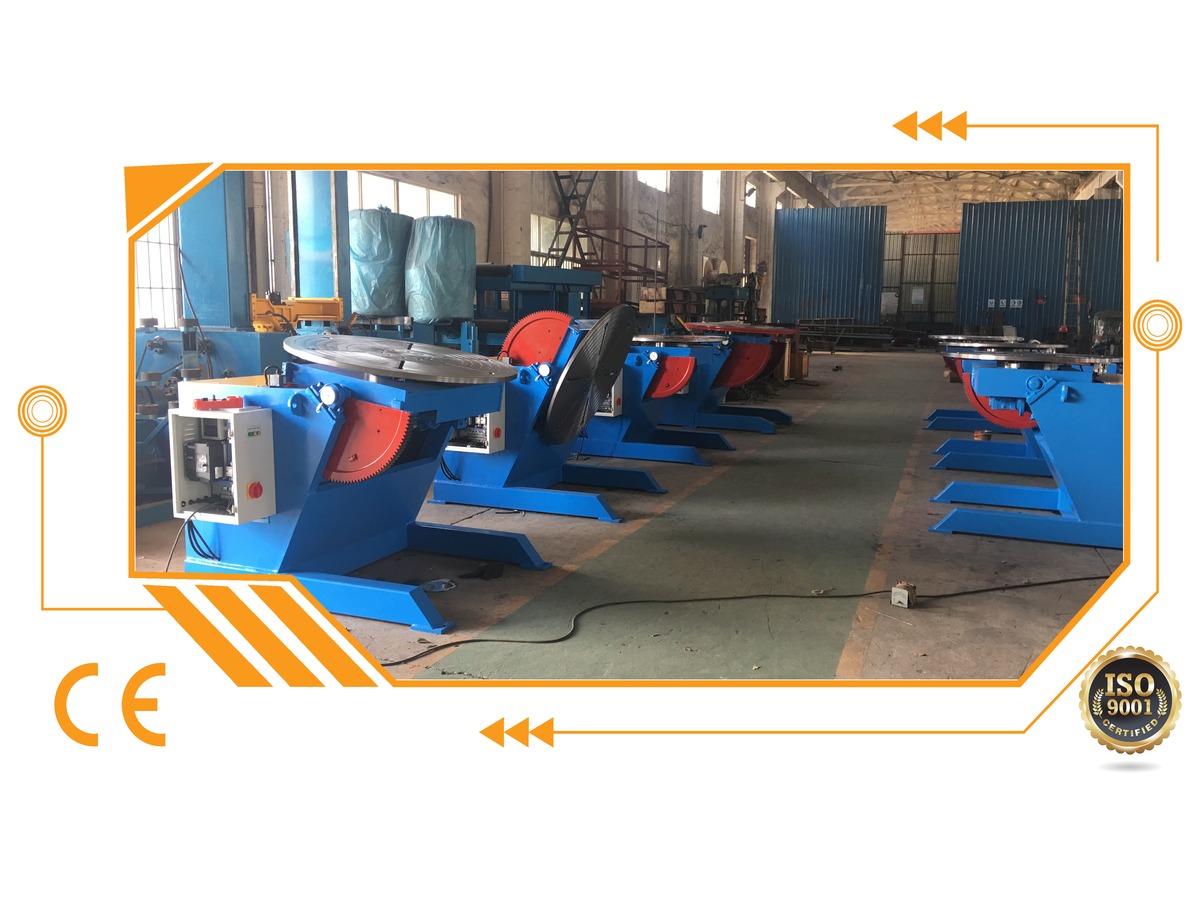
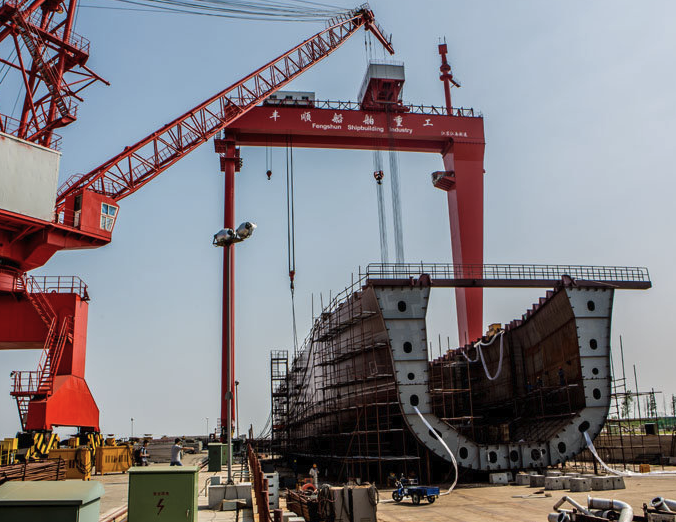
As the shipbuilding industry continues to evolve, the demand for higher welding quality, faster production cycles, and reduced operational costs has driven the adoption of automated welding systems. From robotic welding cells to specialized welding positioners and manipulators, manufacturers are leveraging automation to stay competitive.
Key Technologies
Modern automated welding systems for the shipbuilding sector incorporate several advanced technologies:
- Advanced TIG Welding: Provides precise control for high-quality welds on critical components
- Submerged Arc Welding (SAW): Ideal for thick plate welding with high deposition rates
- Robotic Welding Systems: Programmable automation for complex weld sequences
- Welding Positioners & Manipulators: Enable optimal weld positions for consistent quality
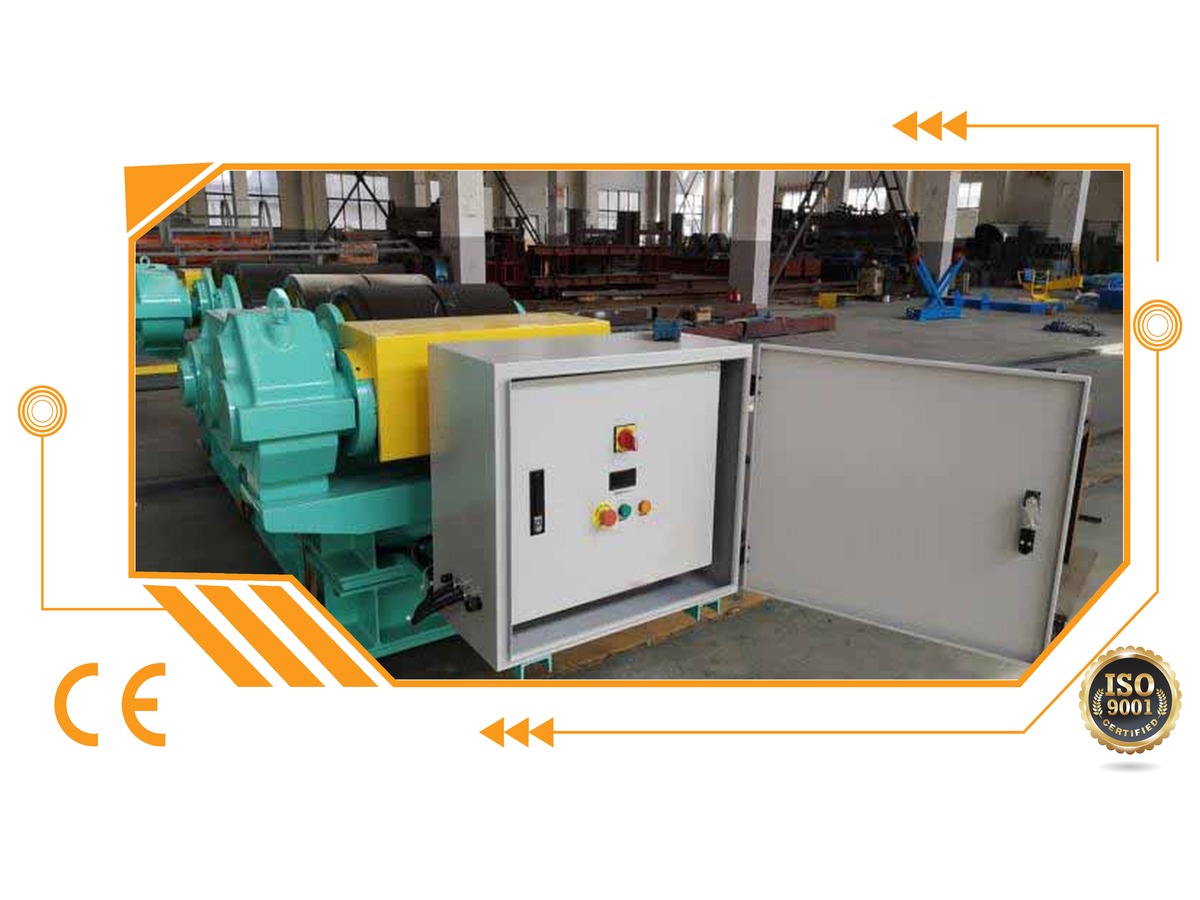
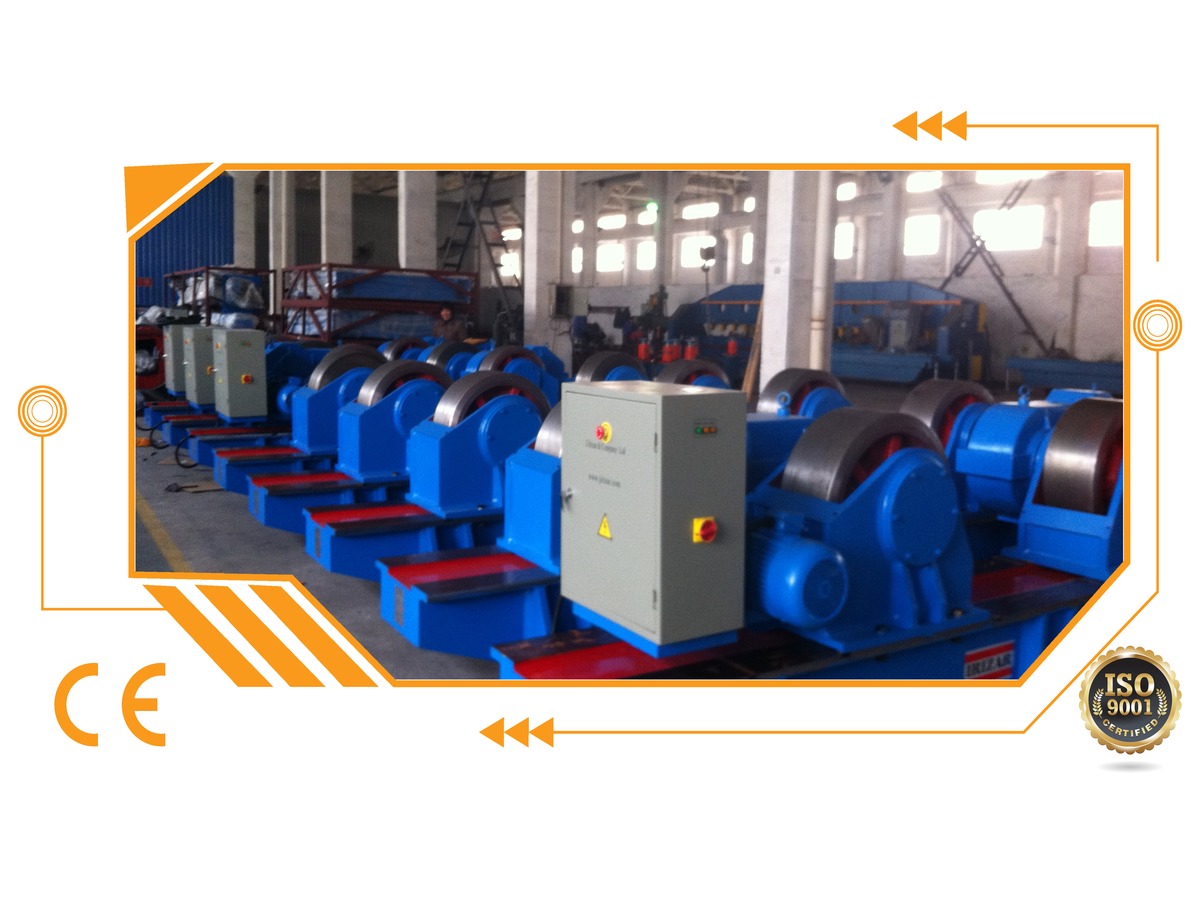
- Welding Rotators: Essential for cylindrical workpiece welding
Benefits of Automation
Companies investing in automated welding solutions for the shipbuilding industry report significant benefits:
| Benefit | Impact |
|---|---|
| Productivity Increase | 30-50% faster production cycles |
| Quality Improvement | Consistent weld quality with fewer defects |
| Cost Reduction | Lower rework costs and reduced labor requirements |
| Safety Enhancement | Reduced operator exposure to welding hazards |
Applications in Shipbuilding
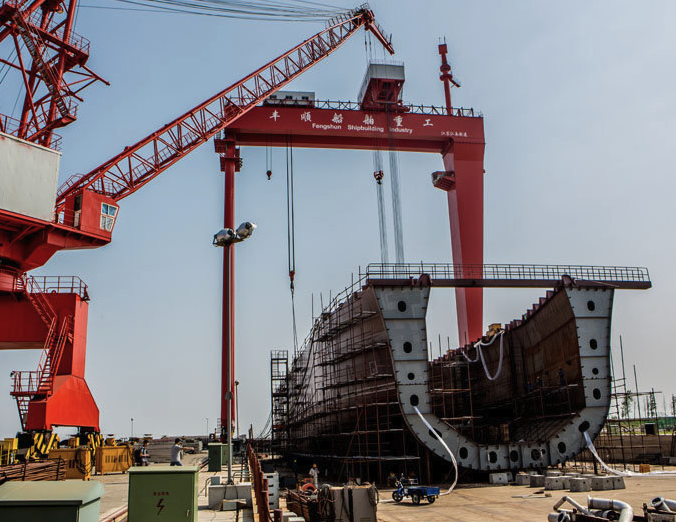
The shipbuilding sector presents unique welding challenges that automated solutions address effectively:
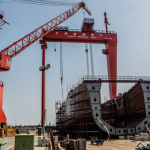
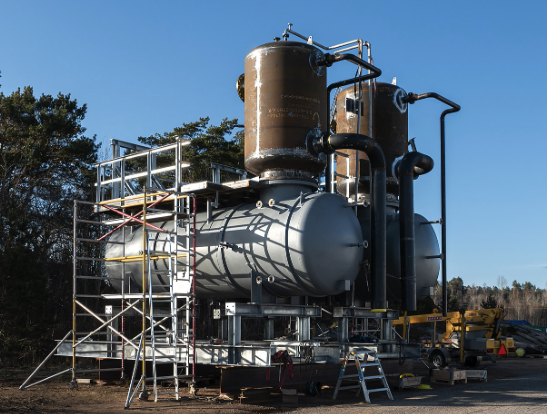
Key applications include structural component welding, pipe and tube welding for fluid systems, heavy plate welding for pressure-containing components, and precision welding for critical assemblies. Each application requires specific welding parameters and equipment configurations.
Frequently Asked Questions
What types of welding are most commonly used in the shipbuilding industry?
TIG welding, SAW (Submerged Arc Welding), and FCAW (Flux Cored Arc Welding) are the most common processes, chosen based on material thickness, joint configuration, and production volume requirements.
How much can automation improve welding productivity?
Automated welding systems typically improve productivity by 30-50% compared to manual welding, with some applications achieving up to 70% improvement in deposition rates.
What is the ROI period for automated welding equipment?
Most companies achieve ROI within 12-18 months through reduced labor costs, improved quality, and higher production throughput.
Conclusion
Automated welding solutions are transforming the shipbuilding industry, offering significant improvements in productivity, quality, and safety. Desan Electric provides a comprehensive range of welding automation equipment tailored to the specific needs of this sector.
For more information about our welding solutions, please contact our sales team at [email protected] or visit www.bqeai.com.