BIQEE: Embodied AI for Smart Welding

Live News

28.3°C
  • California
May 9, 2026
Follow Us:
BIQEE: Embodied AI for Smart WeldingBlogSmart Welding TechnologyAdaptive Welding Parameters: How AI Optimizes Voltage, Speed, and Feed Rate in Real Time

Adaptive Welding Parameters: How AI Optimizes Voltage, Speed, and Feed Rate in Real Time

The Limitation of Fixed Parameters

Conventional welding procedures specify fixed parameters — voltage, current, travel speed, wire feed rate — derived from qualification tests on sample joints. These parameters are optimized for ideal conditions: perfectly prepared joints, consistent material, and stable positioning.

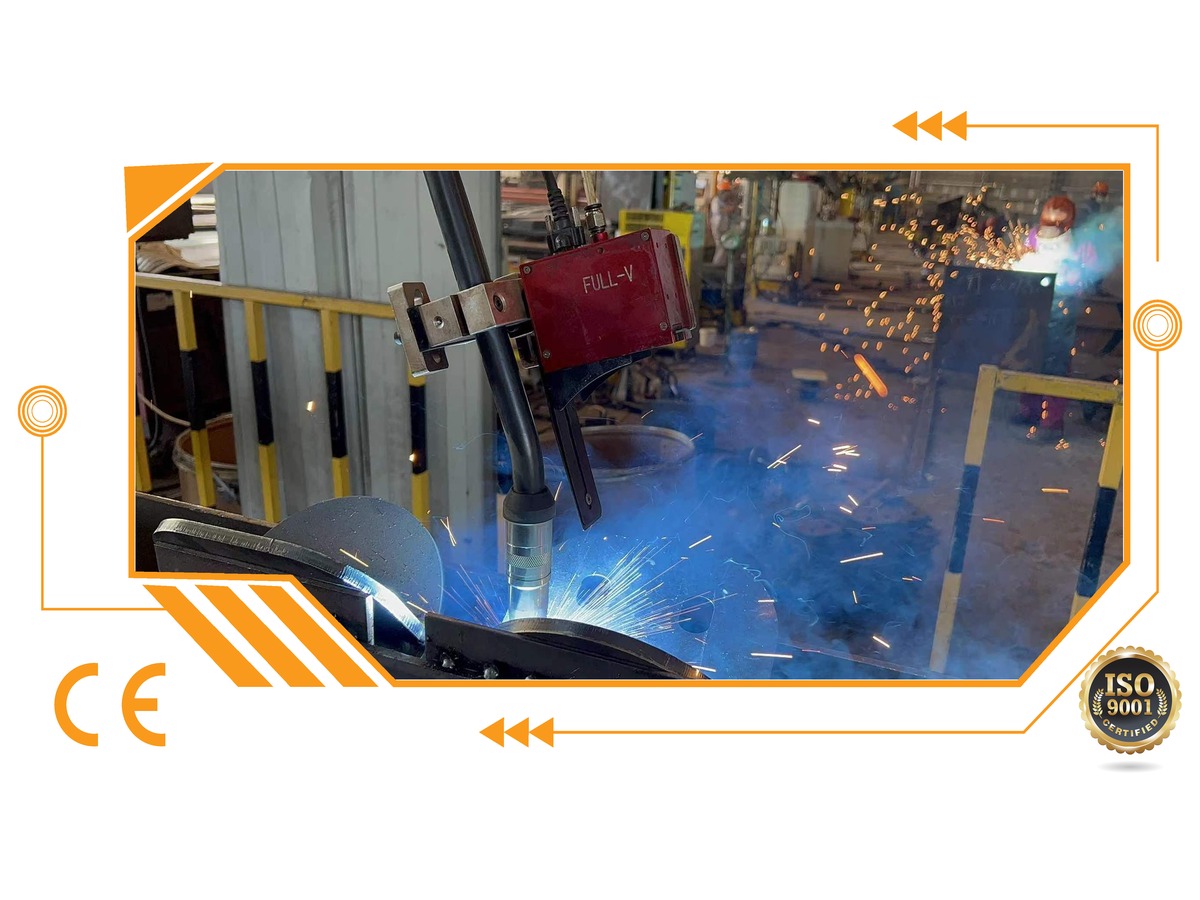
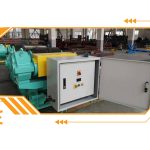
Adaptive Welding Parameters: H - Industry Application

Reality is messier. Gaps vary. Groove angles deviate. Thermal conditions change as the weld progresses. When fixed parameters meet variable conditions, the result is often inconsistent quality, defects, and rework.

Enter Adaptive Parameter Control

Adaptive welding parameter control uses AI to continuously adjust welding parameters in real time based on live sensor feedback. Rather than executing a rigid program, the system responds to actual conditions at the arc.

How It Works

The adaptive control loop operates in milliseconds:

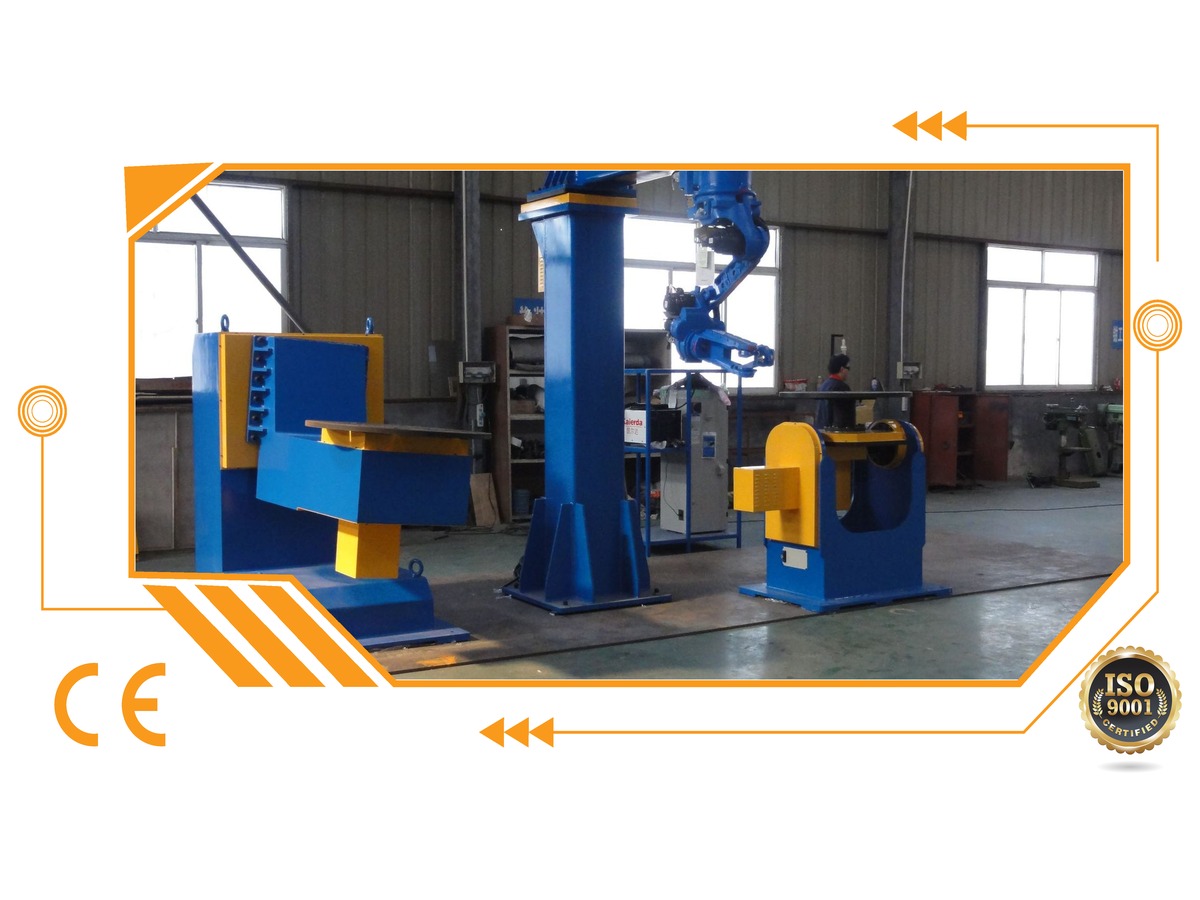
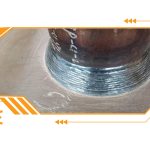
Adaptive Welding Parameters: H - Desan Electric Equipment
  1. Sensing: Laser vision or arc sensors detect joint geometry — groove width, root gap, mismatch height
  2. Analysis: AI models map the detected geometry to optimal parameter sets, trained on thousands of qualified welds
  3. Adjustment: The power source receives updated voltage and current commands; the wire feeder adjusts feed rate; the robot adjusts travel speed
  4. Verification: Arc voltage and current feedback confirm the adjustment achieved the desired result

This loop executes 50-100 times per second, making the welding process truly adaptive.

What Gets Adapted

  • Wire feed speed: Increased for wider gaps, decreased for narrower ones
  • Travel speed: Slowed for thicker sections or larger groove volumes, increased for thin material
  • Arc voltage: Adjusted to maintain optimal arc length and penetration
  • Weave amplitude and frequency: Expanded for wider joints, contracted for narrow ones
  • Positioner rotation speed: Coordinated with travel speed to maintain consistent weld pool behavior

Real-World Impact

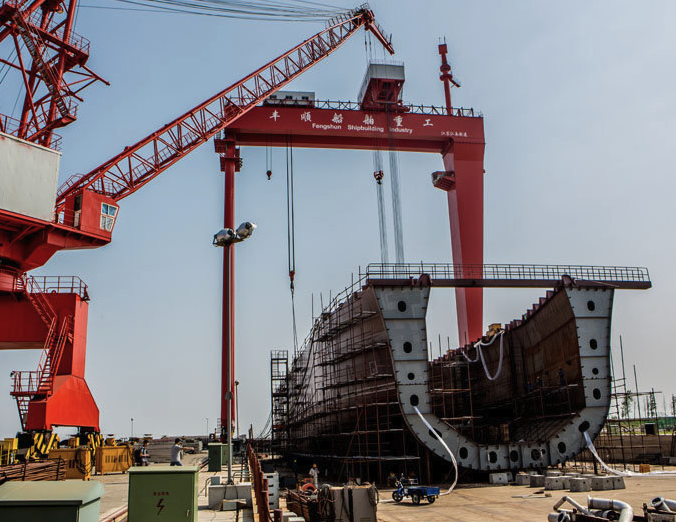
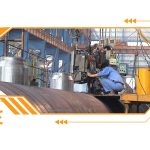
Consider a shipyard welding long fillet joints on hull sections. Thermal distortion changes the joint gap continuously along the weld. With fixed parameters, operators must stop frequently to adjust settings. With adaptive control, the system handles these variations automatically:

  • Gap opens from 2mm to 4mm → wire feed increases 15%, travel speed decreases 10%
  • Gap narrows back to 1mm → parameters return to baseline
  • High-low mismatch detected → weave pattern adjusts to ensure toe blend

Coordinated Positioner Intelligence

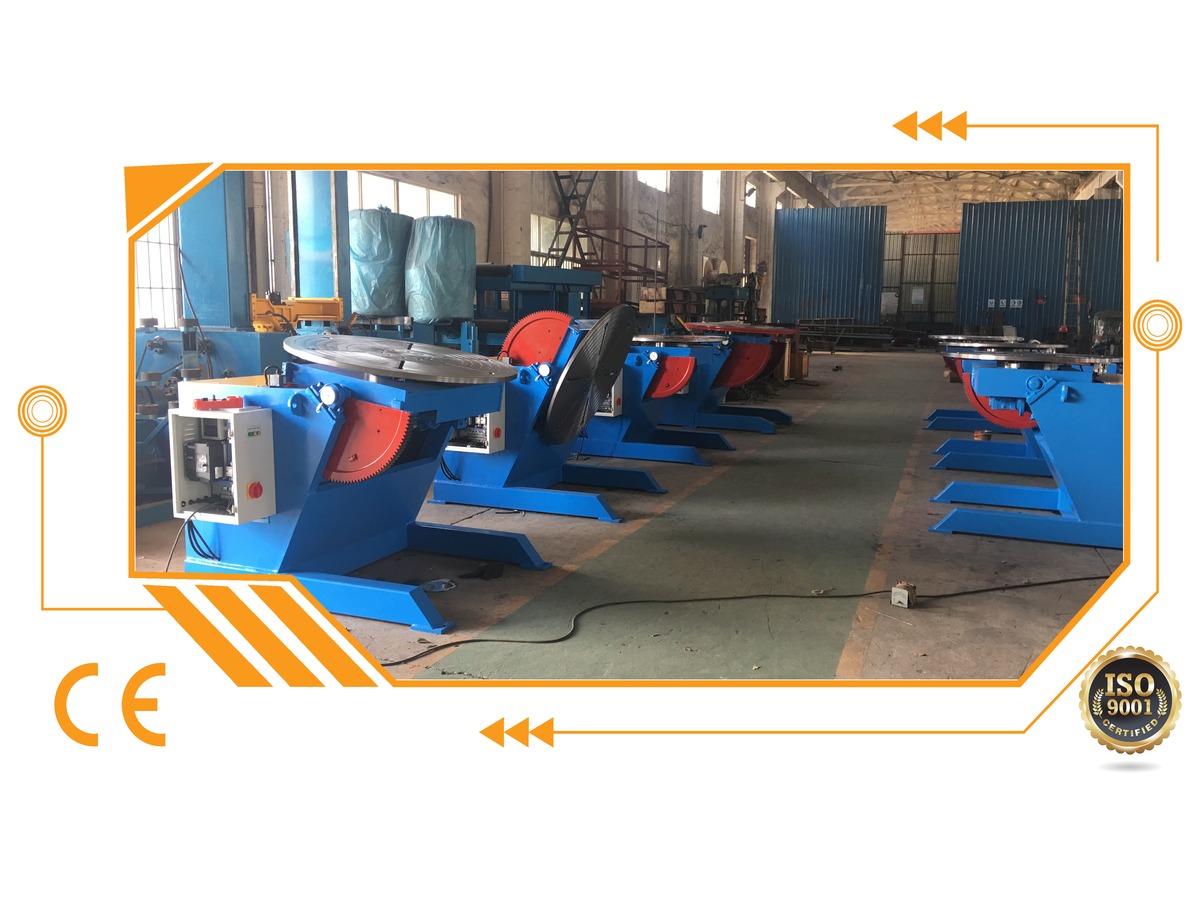
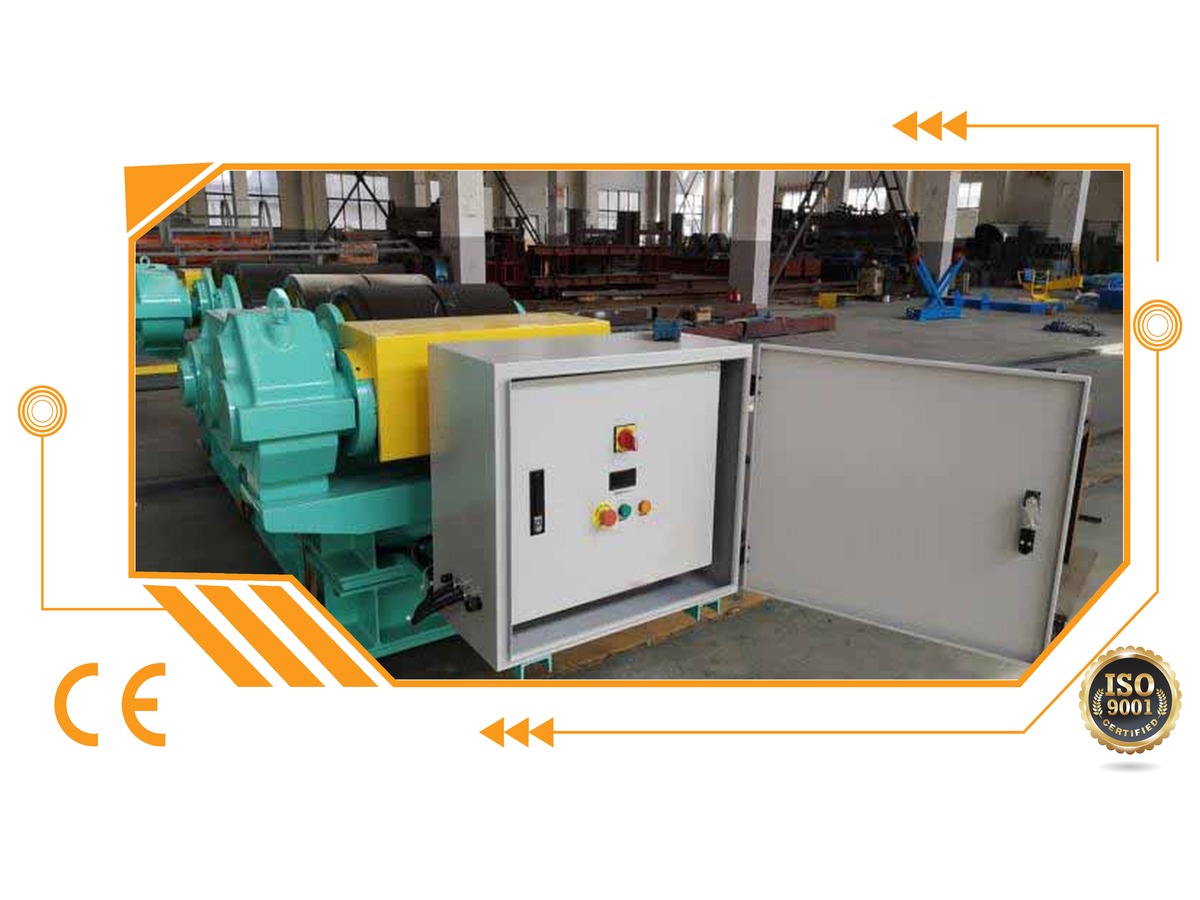
Adaptive welding reaches its full potential when the positioner is part of the intelligence loop. BIQEE’s smart positioners receive parameter change signals and adjust rotation speed in sync with the welding parameters. When the AI slows travel speed for a wider gap, the positioner simultaneously reduces rotation to maintain the optimal welding position.

This coordination between adaptive parameters and intelligent positioning is what separates truly smart welding systems from conventional automation.

Leave a Comment

Your email address will not be published. Required fields are marked *

Related Post