BIQEE: Embodied AI for Smart Welding

Live News

28.3°C
  • California
May 9, 2026
Follow Us:
BIQEE: Embodied AI for Smart WeldingBlogSmart Welding TechnologyIoT-Connected Welding: Real-Time Monitoring and Predictive Quality Control

IoT-Connected Welding: Real-Time Monitoring and Predictive Quality Control

The Rise of Connected Welding

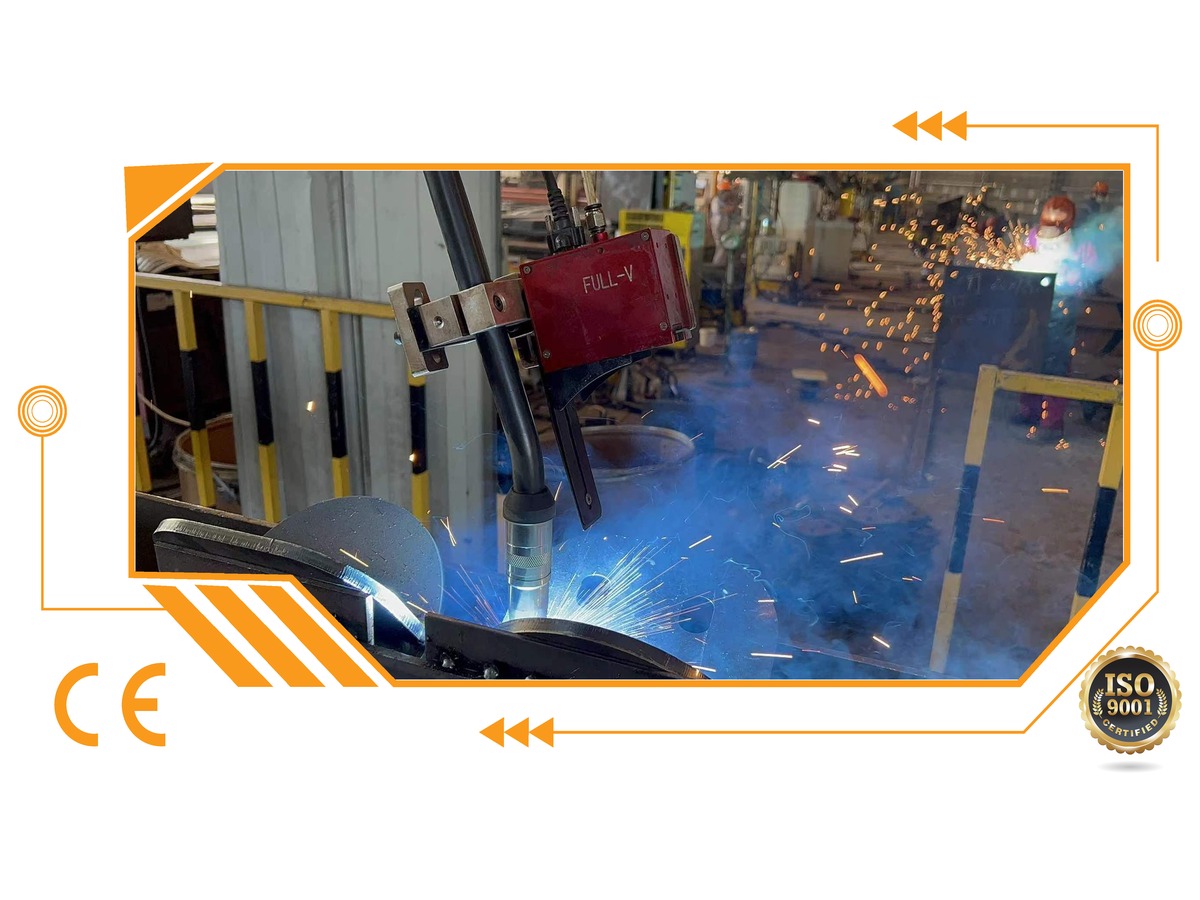
The Industrial Internet of Things (IIoT) is transforming welding from a process that’s monitored after the fact into one that’s controlled in real time. IoT-connected welding systems stream data from every component — power source, wire feeder, positioner, robot, and sensors — to a central platform where it’s analyzed, visualized, and acted upon.

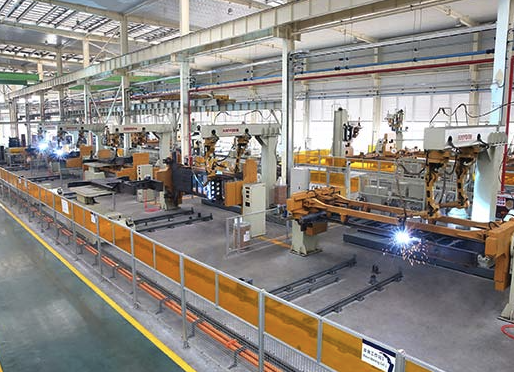
IoT-Connected Welding: Real-Ti - Industry Application

What Gets Monitored

In a fully connected welding cell, the following parameters are continuously captured:

  • Electrical parameters: Voltage, current, and power consumption sampled at kilohertz rates
  • Motion data: Positioner rotation speed, manipulator joint angles, and travel speed
  • Wire feed rate: Actual versus commanded wire feed for consistency tracking
  • Gas flow: Shielding gas pressure and flow rate
  • Temperature: Pre-heat, interpass, and post-weld temperatures
  • Seam tracking: Deviation between planned and actual torch path

From Monitoring to Predictive Quality

Collecting data is only the first step. The real value comes from turning that data into predictive quality control:

IoT-Connected Welding: Real-Ti - Desan Electric Equipment
  1. Anomaly detection: Machine learning models trained on historical weld data identify patterns that precede defects — porosity, undercut, lack of fusion — before they become visible
  2. Real-time alerts: When parameters drift outside acceptable ranges, operators receive instant notifications, enabling intervention before a bad weld is completed
  3. Root cause analysis: When defects are found during inspection, the correlated process data pinpoints the exact moment and parameter that caused the issue
  4. Continuous improvement: Aggregate data across thousands of welds reveals optimization opportunities invisible to manual observation

Integration Architecture

A modern IoT welding system typically uses a layered architecture:

  • Edge layer: Sensors and controllers on the welding equipment collect data and perform local processing
  • Gateway layer: Industrial PCs or edge servers aggregate data from multiple welding cells
  • Cloud layer: Cloud platforms provide storage, advanced analytics, machine learning model training, and dashboards

BIQEE’s Connected Equipment

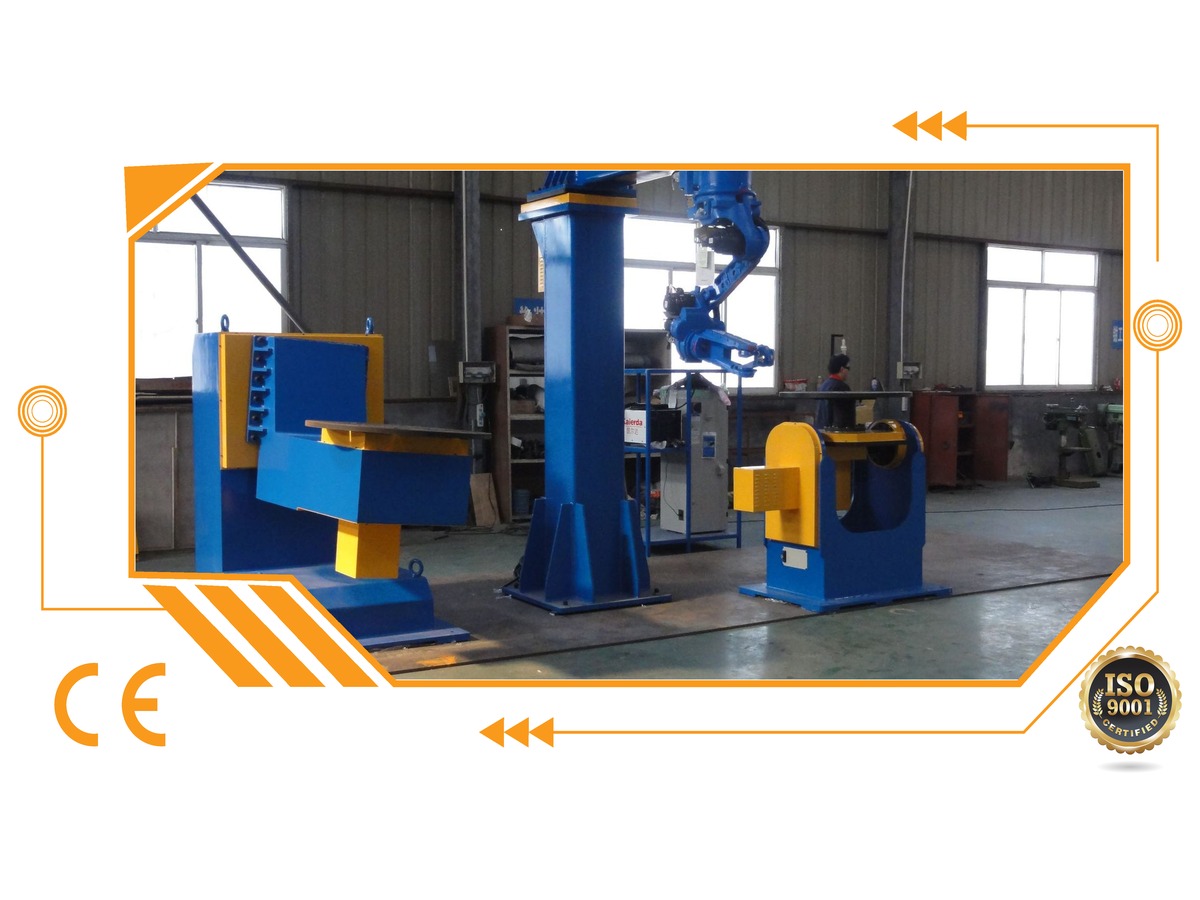
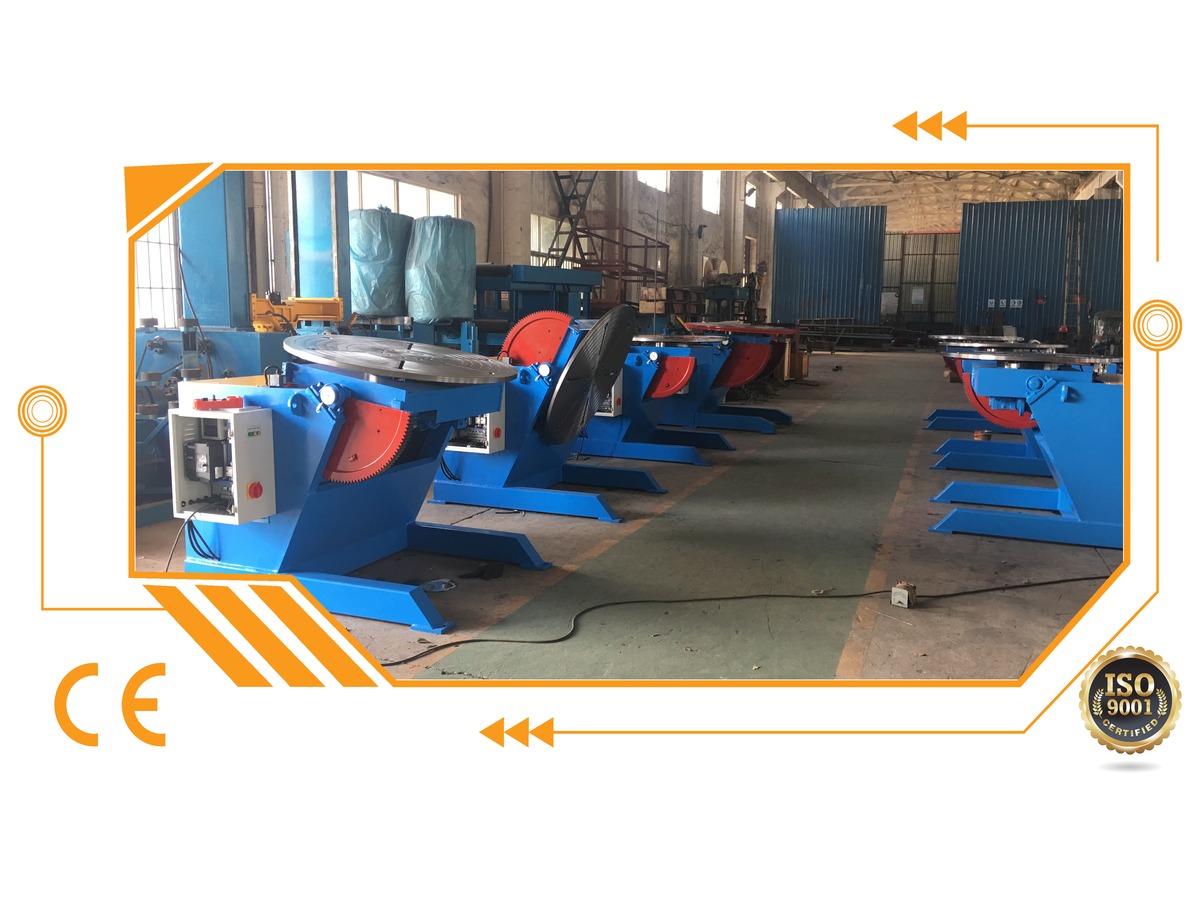
Every BIQEE smart positioner and turning roll ships with built-in connectivity. Rotation speed, torque, tilt angle, and load data are available via standard industrial protocols (OPC-UA, Modbus TCP). This means our equipment plugs directly into your existing IoT infrastructure — no custom integration required.

ROI of Connected Welding

Companies that implement IoT-connected welding typically see:

  • 30-50% reduction in weld defect rates through real-time parameter control
  • 20-40% decrease in rework and scrap costs
  • 15-25% improvement in overall equipment effectiveness (OEE)
  • Measurable reduction in quality inspection costs through statistical process control

Connected welding isn’t a future vision — it’s available today, and the ROI is proven.

Leave a Comment

Your email address will not be published. Required fields are marked *

Related Post