What Is a Digital Twin in Welding?
A digital twin is a virtual replica of a physical welding system — including the robot, positioner, workpiece, and process parameters — that mirrors real-world behavior in real time. It enables operators to simulate, predict, and optimize welding operations before a single arc is struck.

Core Components of a Welding Digital Twin
- 3D Workpiece Model: A geometrically accurate digital model of the workpiece, including joint configurations and material properties
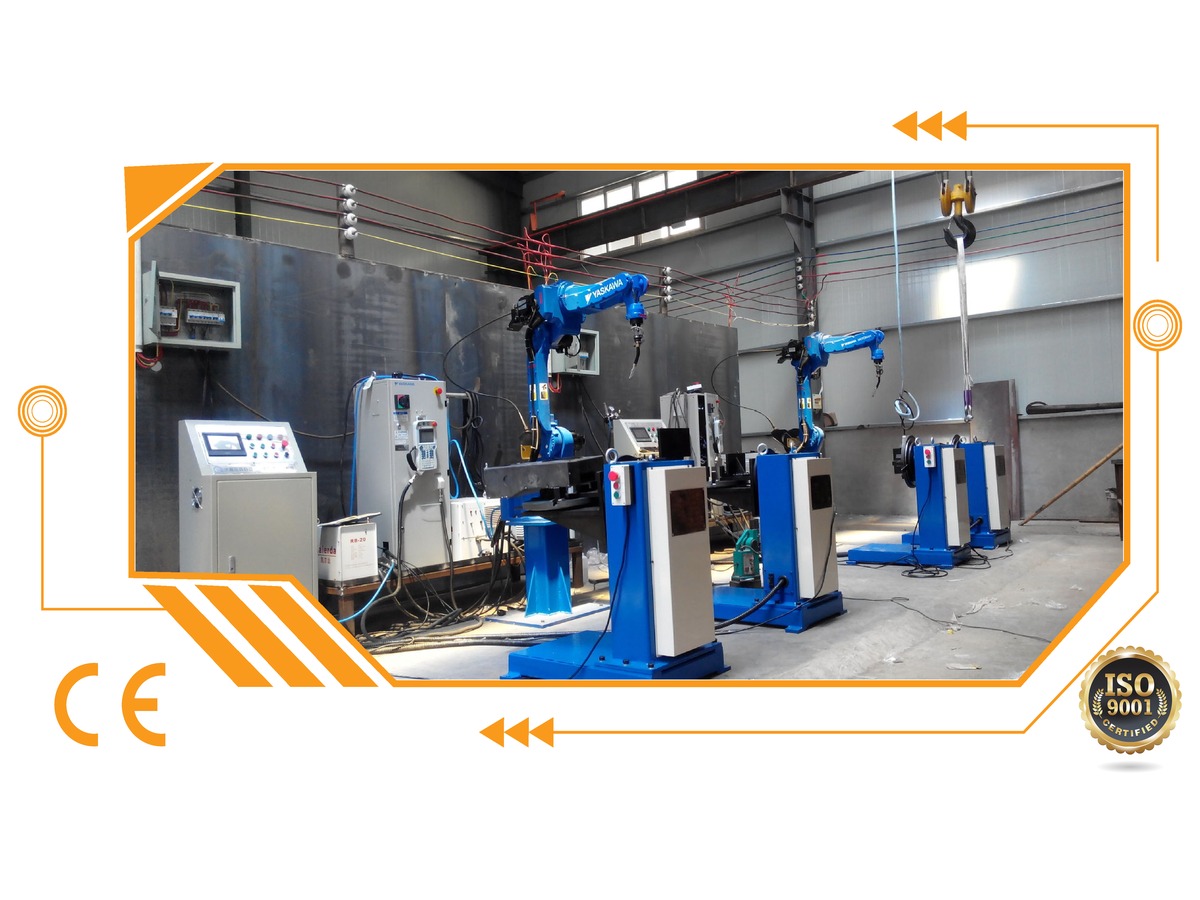
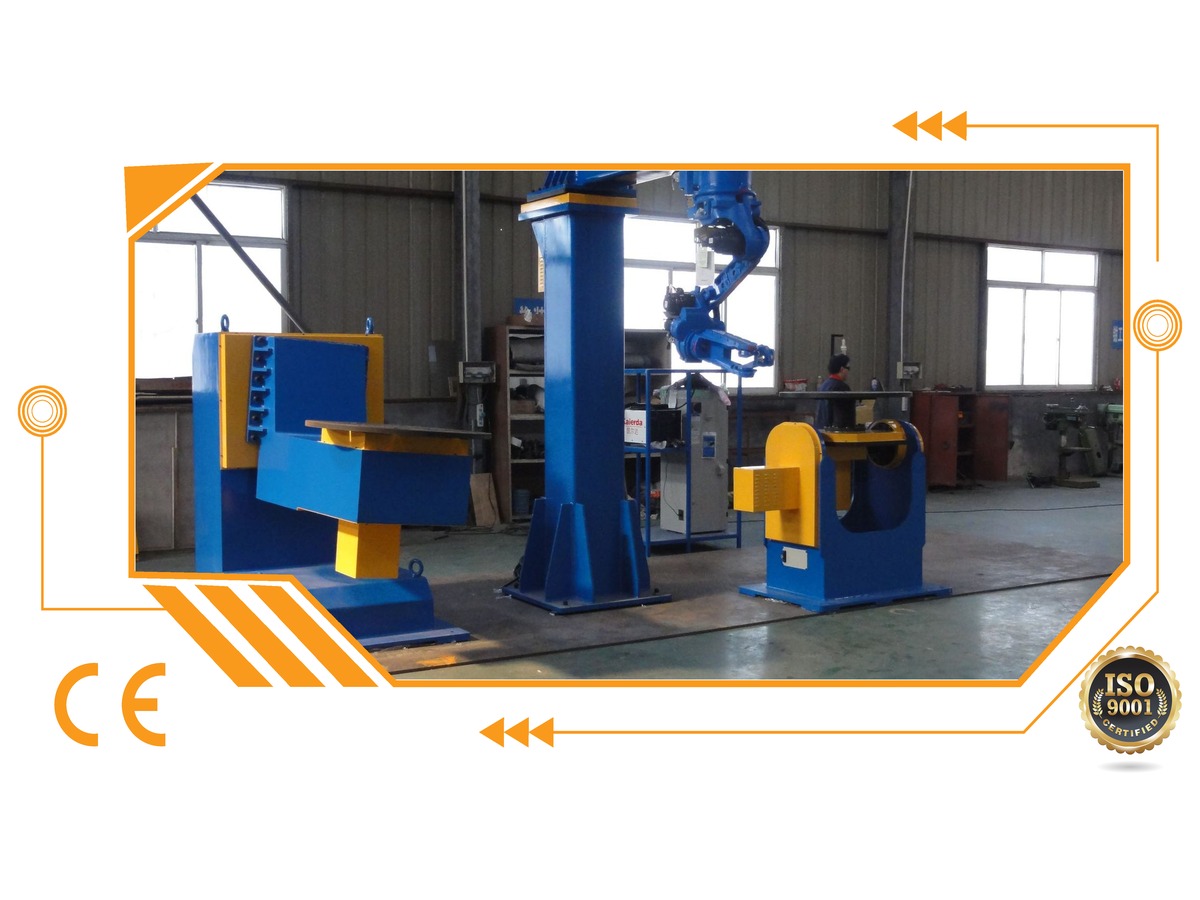
- Robot and Positioner Model: Virtual representations of the welding manipulator and positioner with their kinematic constraints and motion capabilities
- Process Physics Engine: Simulation of heat transfer, melt pool dynamics, and distortion based on welding parameters
- Sensor Data Integration: Real-time data from physical sensors fed back into the digital twin for continuous calibration
Practical Benefits
Digital twins transform welding operations in several ways:

1. Offline Programming and Validation
Instead of teaching robot paths on the shop floor — consuming valuable production time — engineers can program and validate weld paths entirely in the digital environment. Collision checks, reachability analysis, and cycle time optimization all happen virtually.
2. Distortion Prediction and Compensation
Welding induces thermal distortion that can shift joint positions by millimeters. Digital twins simulate the heat-affected zone and predict distortion patterns, enabling pre-compensation of weld paths so the final workpiece meets specifications without rework.
3. Process Parameter Optimization
By running virtual welds with different parameter sets, engineers can identify the optimal combination of voltage, current, travel speed, and wire feed rate for each joint — dramatically reducing the trial-and-error phase.
4. Predictive Maintenance
Sensor data from the physical system feeds into the digital twin, which monitors for deviations that indicate equipment wear or degradation. Maintenance can be scheduled before failures occur.
Digital Twins and Smart Welding Equipment
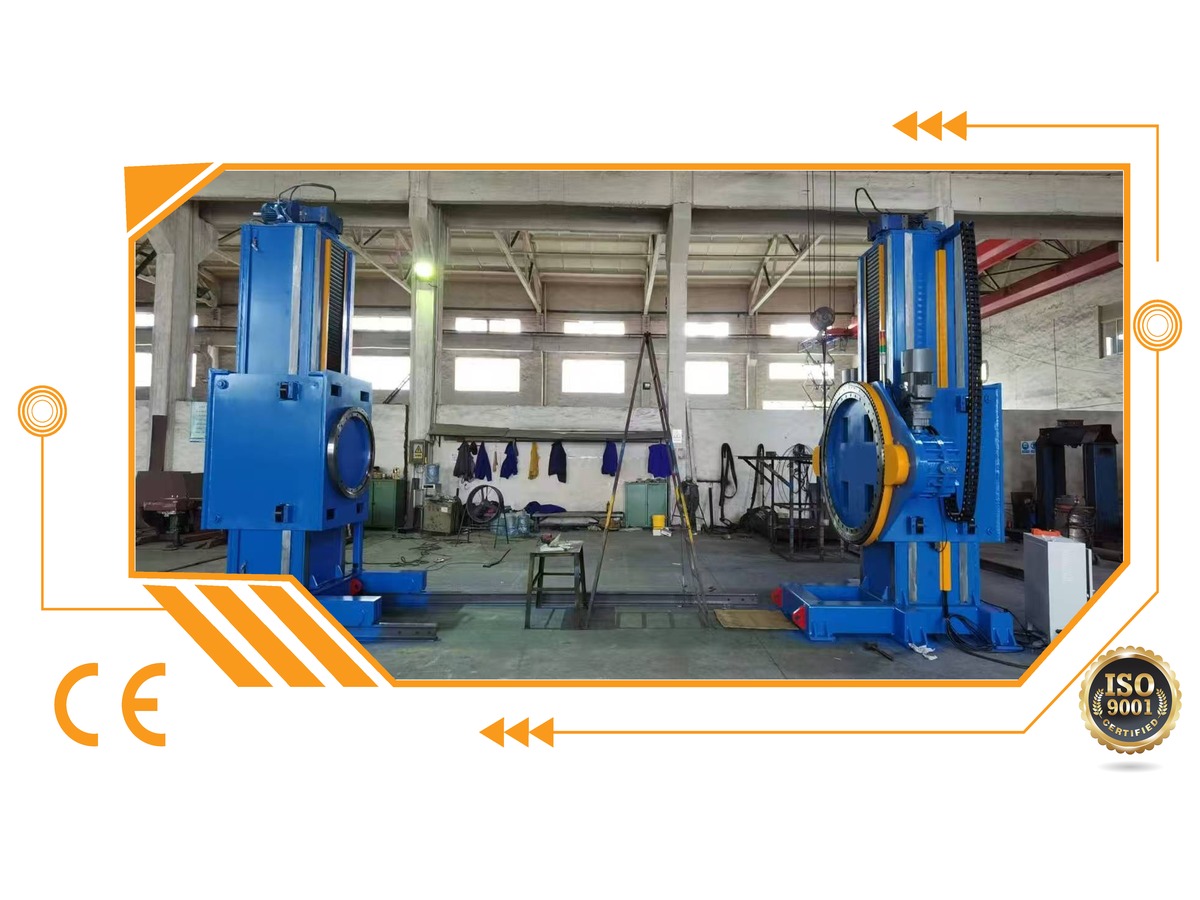
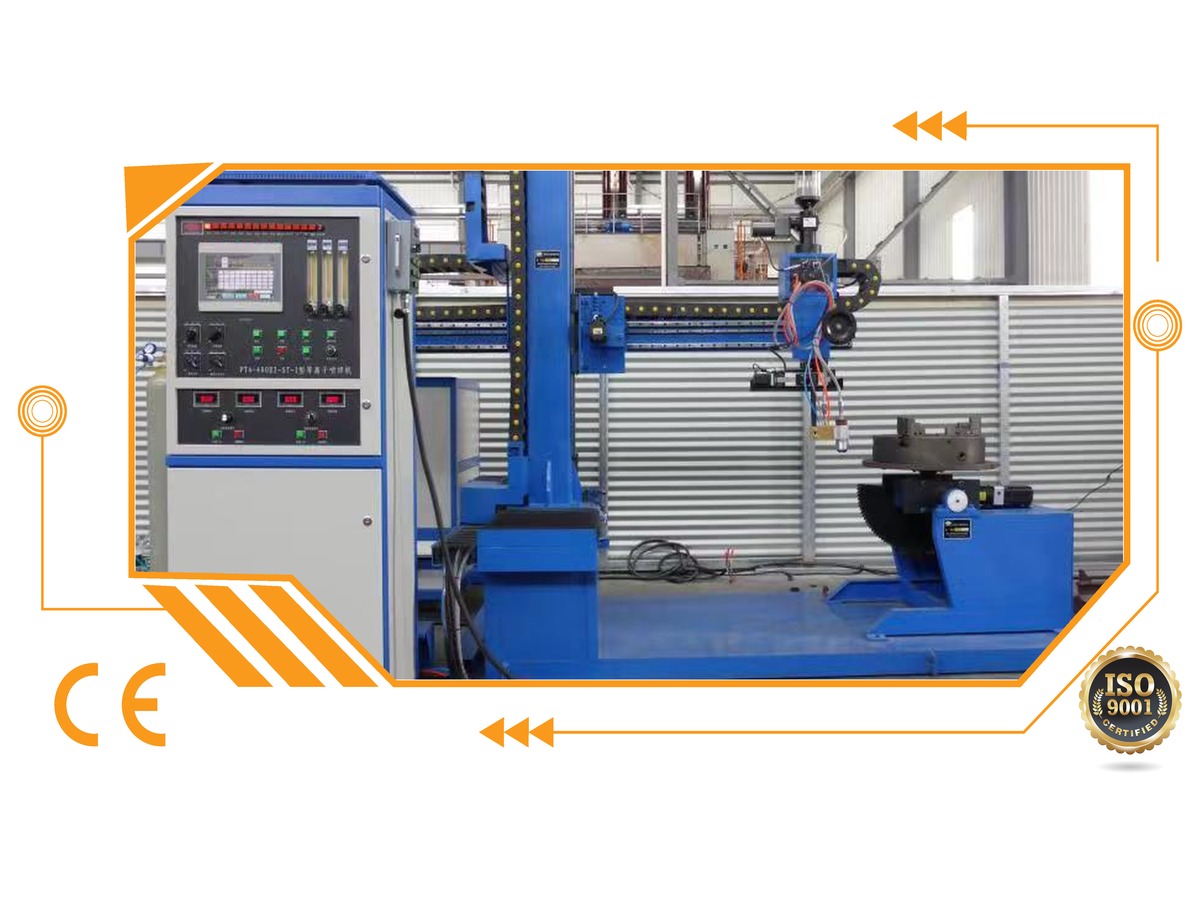
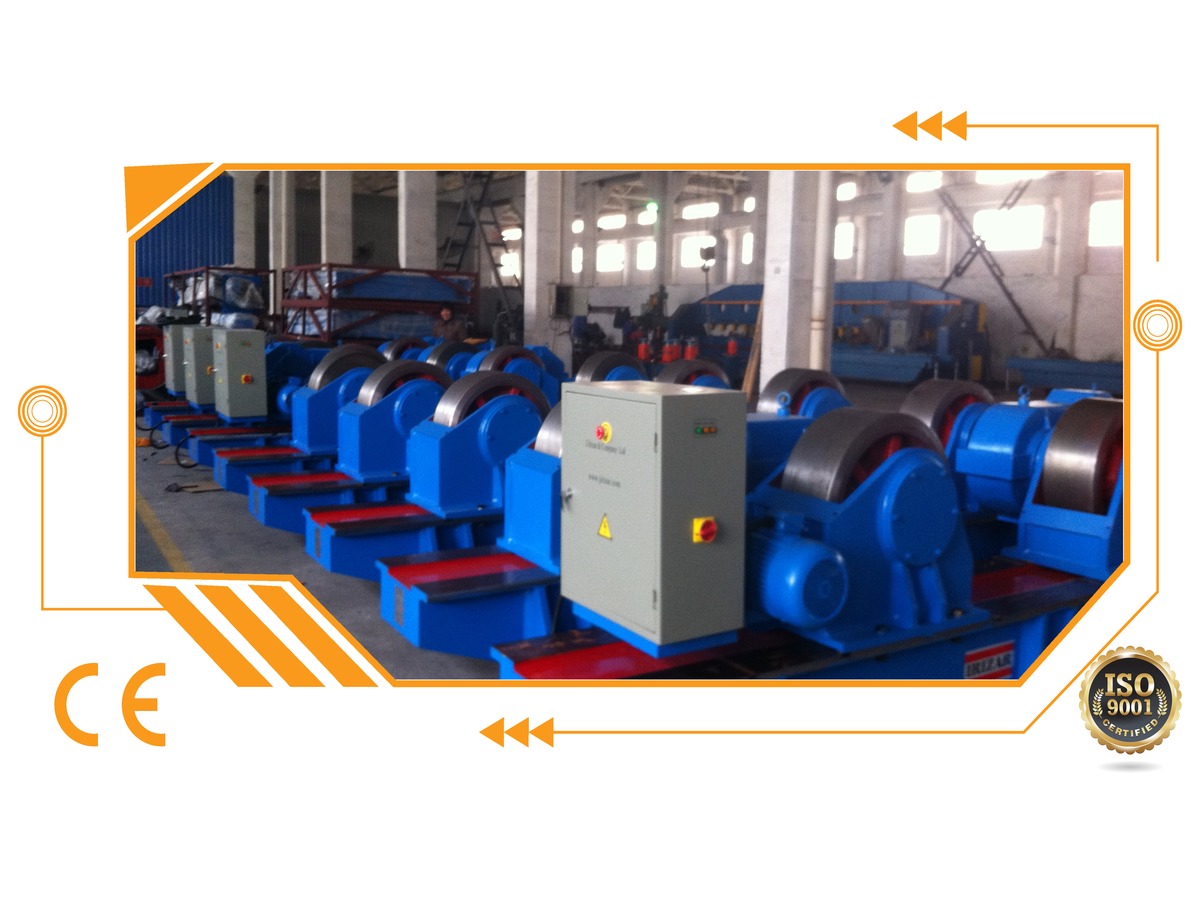
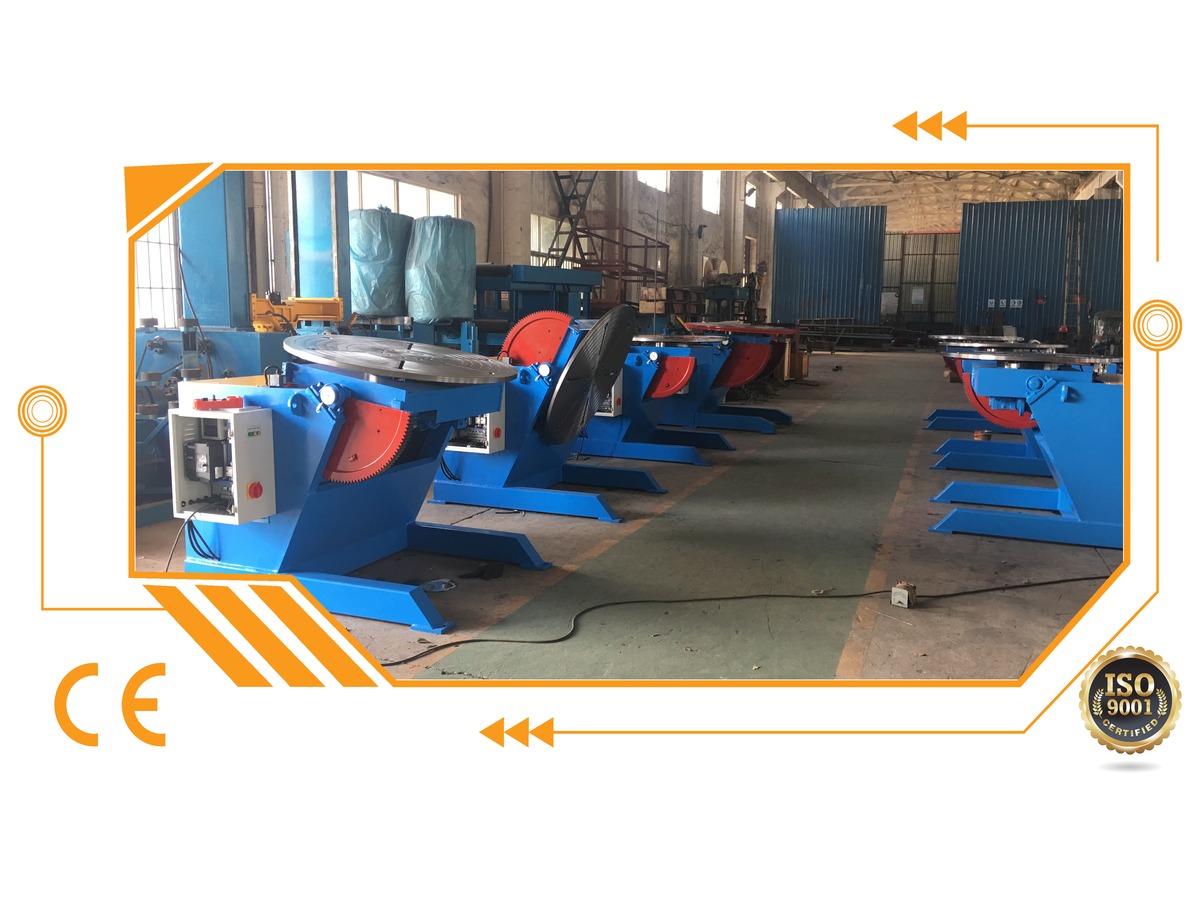
BIQEE’s smart welding positioners and manipulators are designed to integrate seamlessly with digital twin systems. Each unit provides real-time position feedback, load monitoring, and motion data that keeps the digital twin synchronized with physical reality. The positioner’s motion parameters — rotation speed, tilt angle, center of gravity — are all available as data streams for the simulation environment.
Getting Started
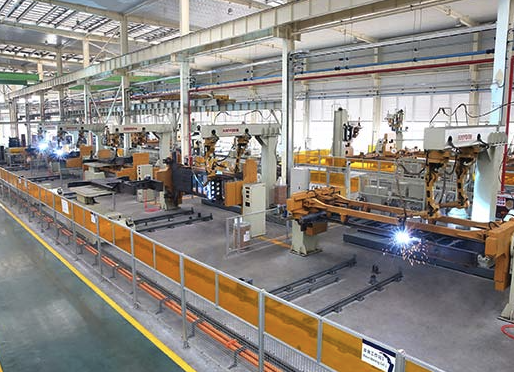
Implementing digital twins doesn’t require a complete system overhaul. Start with a single welding cell: model the robot and positioner, calibrate with real sensor data, and validate against measured weld quality. As confidence grows, expand to multi-cell simulation and full-factory digital twins.
The payoff is clear: less scrap, less downtime, higher quality, and faster ramp-up for new products.