BIQEE: Embodied AI for Smart Welding

Live News

28.3°C
  • California
May 9, 2026
Follow Us:
BIQEE: Embodied AI for Smart WeldingBlogSmart Welding TechnologyFrom Manual to Autonomous: The Evolution Path of Welding Automation

From Manual to Autonomous: The Evolution Path of Welding Automation

Five Levels of Welding Autonomy

Just as autonomous vehicles have defined levels from driver assistance to full autonomy, welding automation can be categorized into five distinct levels. Understanding where your operation sits today — and where it needs to go — is essential for planning your automation journey.

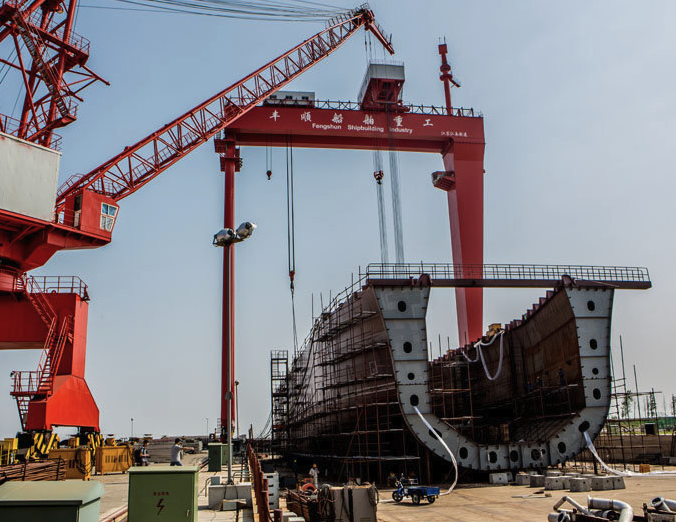
From Manual to Autonomous: The - Industry Application

Level 1: Manual Welding

The welder controls everything: torch position, travel speed, arc parameters. Quality depends entirely on the operator’s skill and consistency. This is where most small shops still operate.

Challenges: Skill shortages, inconsistent quality, low productivity, health hazards.

Level 2: Mechanized Welding

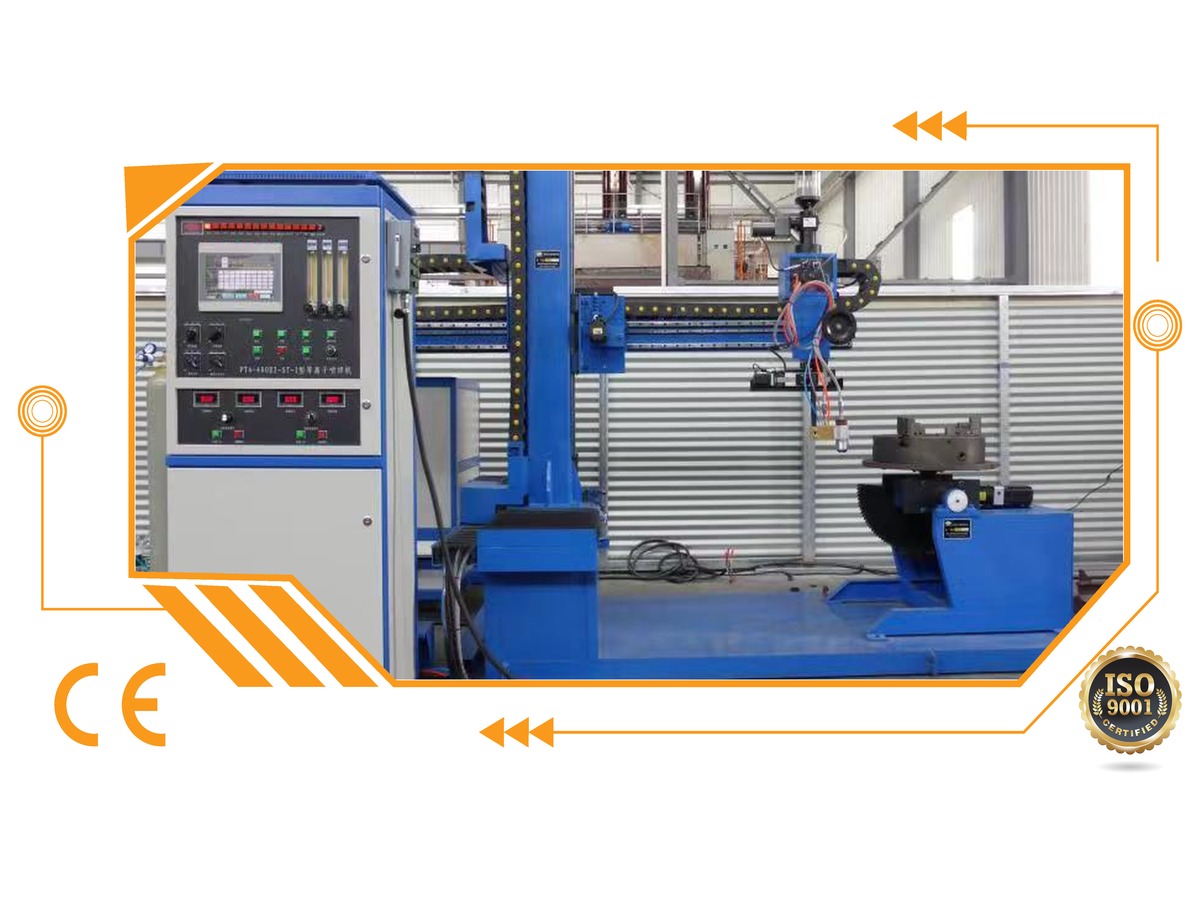
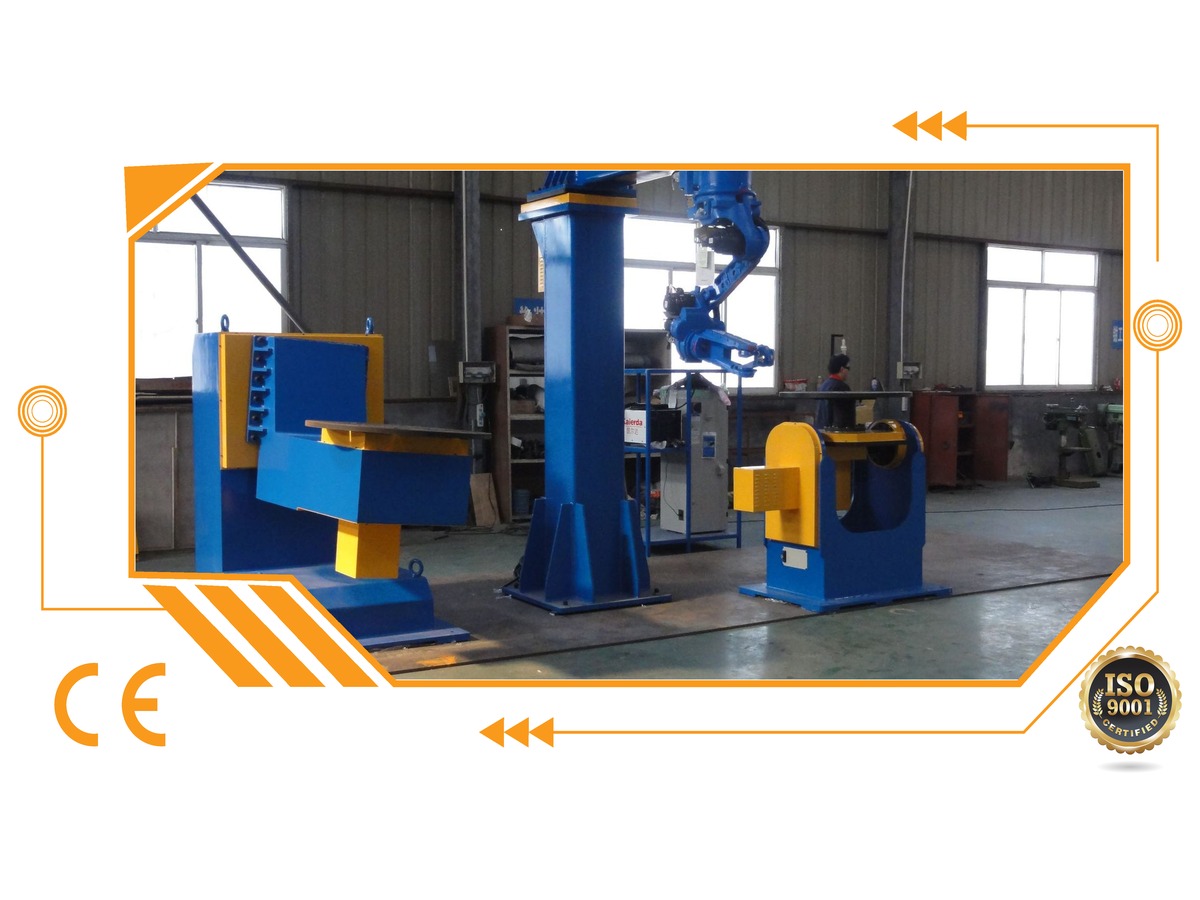
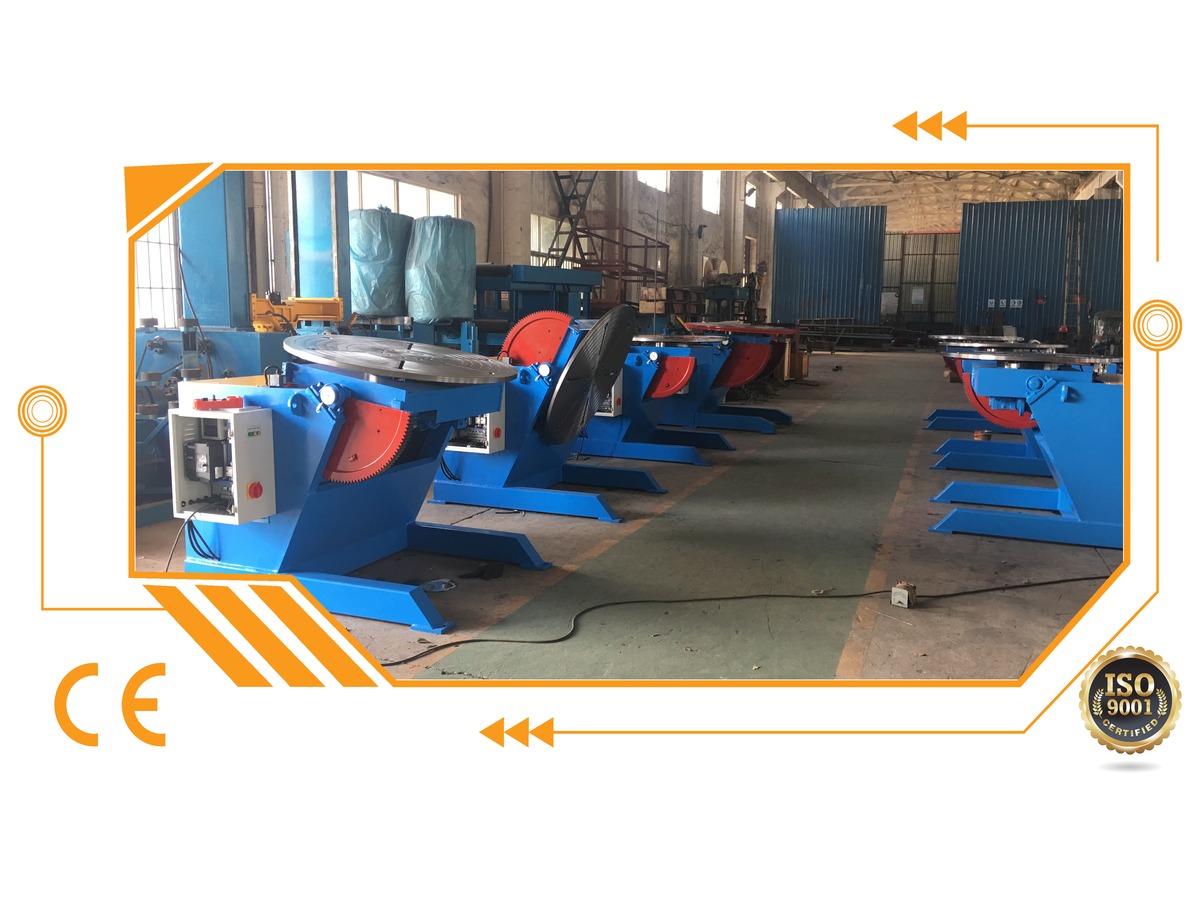
A carriage or tractor moves the torch along a track at a controlled speed. The operator sets parameters and monitors the process. Positioners may be used to rotate the workpiece, but motion is manual or semi-automatic.

Improvement: More consistent travel speed, reduced operator fatigue.

Limitation: Still requires constant operator attention; no adaptation to changing conditions.

Level 3: Robotic Welding (Teach and Repeat)

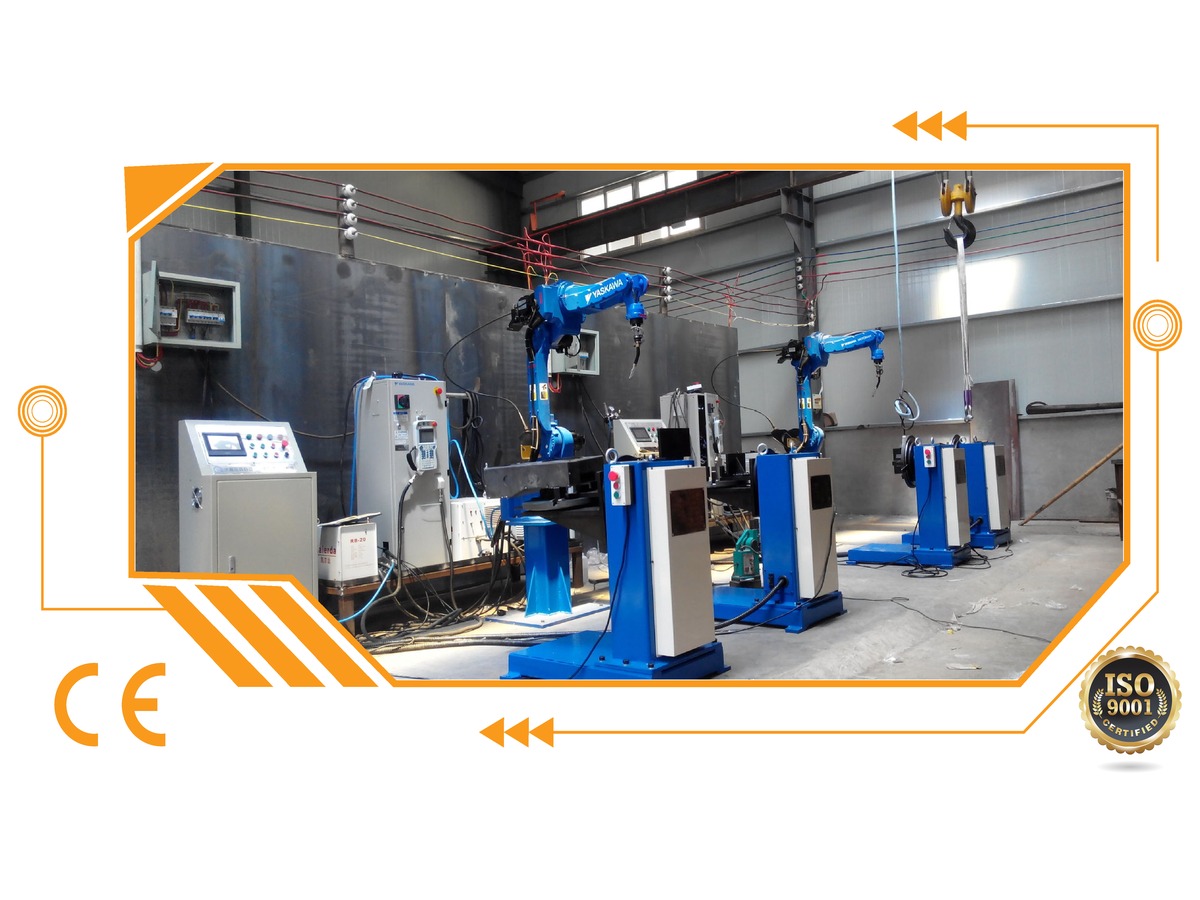
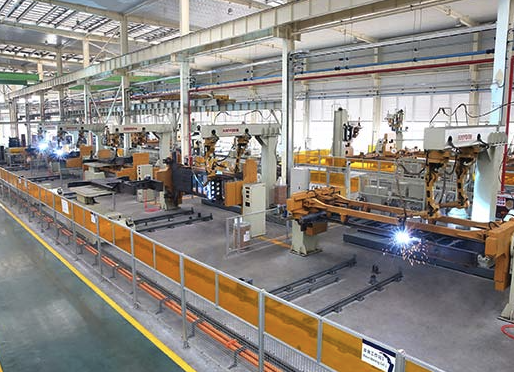
An industrial robot executes a pre-programmed path. An operator teaches the path by jogging the robot through the desired trajectory. The robot repeats it with high precision — but no flexibility.

Improvement: High repeatability, increased speed, reduced labor per weld.

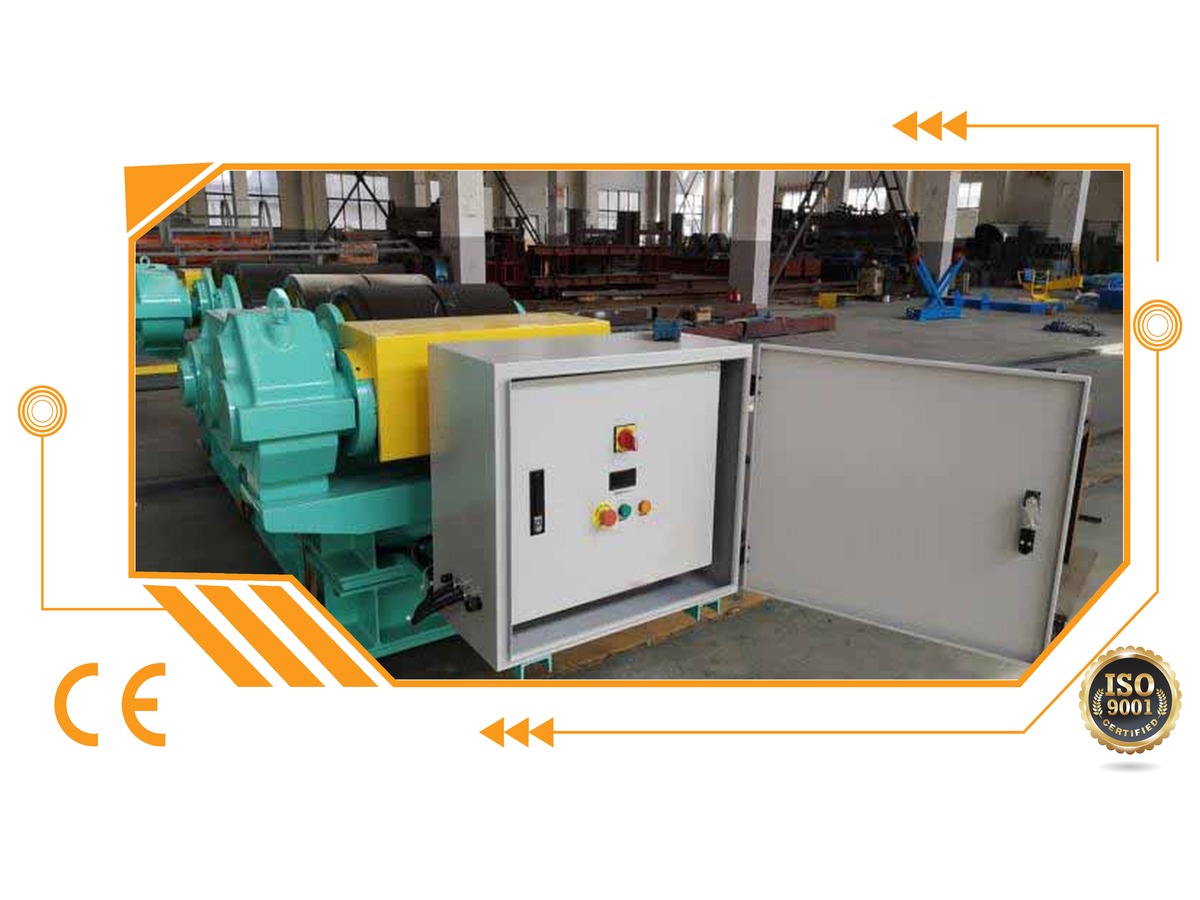
From Manual to Autonomous: The - Desan Electric Equipment

Limitation: Significant programming time; any workpiece variation requires re-teaching; no real-time adaptation.

Level 4: Smart Welding (Sensor-Guided)

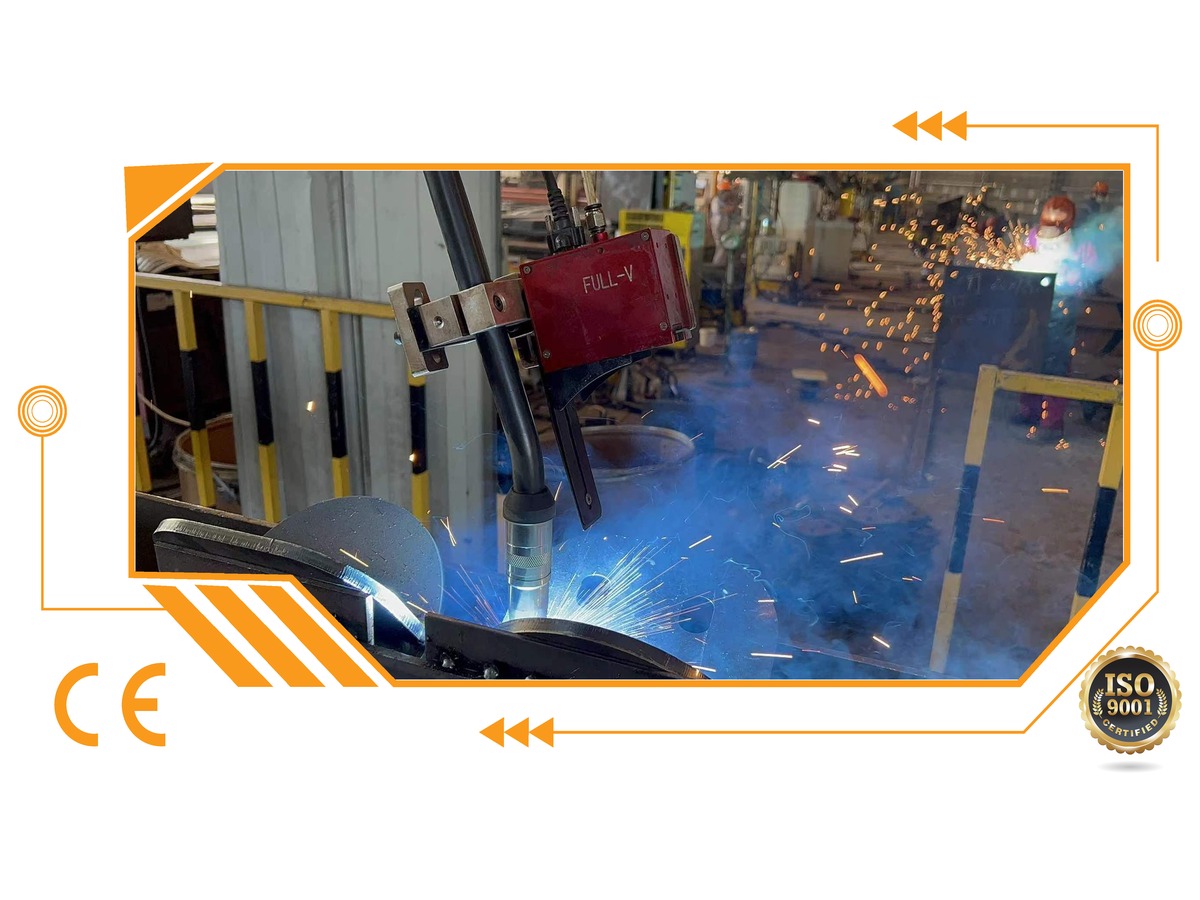
Sensors guide the welding process. Laser vision tracks the seam, arc sensors monitor penetration, and the system makes real-time path corrections. Operators set high-level parameters; the system handles low-level execution.

Improvement: Handles workpiece variation, reduces programming time, improves first-pass quality.

Limitation: System operates within predefined rules; cannot handle truly novel situations.

Level 5: Autonomous Welding (Embodied AI)

The system perceives the workpiece, understands the welding task, plans the optimal approach, executes the weld, and verifies quality — all without human intervention. It learns from each weld and improves over time.

Characteristics:

  • Automatic joint identification and classification
  • AI-generated weld procedures based on material and geometry
  • Self-optimizing parameters throughout the weld
  • Automated quality verification and documentation
  • Continuous learning from production data

Where BIQEE Fits

BIQEE’s product ecosystem supports operations at every level. Our standard positioners serve Level 2-3 operations. Our smart positioners with sensor integration and connectivity enable Level 4. And our embodied AI roadmap is driving toward Level 5 — fully autonomous welding systems that think, adapt, and improve.

Planning Your Evolution

Not every operation needs Level 5 today. The key is to invest in equipment that supports your current needs while providing a clear upgrade path. BIQEE’s modular architecture means you can start at Level 3 and upgrade to Level 4 or 5 as your operation matures, without replacing your existing equipment.

Leave a Comment

Your email address will not be published. Required fields are marked *

Related Post