BIQEE: Embodied AI for Smart Welding

Live News

28.3°C
  • California
May 9, 2026
Follow Us:
BIQEE: Embodied AI for Smart WeldingBlogWeld NewsRenewable Energy Infrastructure: Welding for Wind, Solar, and Hydrogen

Renewable Energy Infrastructure: Welding for Wind, Solar, and Hydrogen

The Green Energy Welding Boom

The global transition to renewable energy is creating unprecedented demand for welded infrastructure. Wind turbine towers, solar panel mounting structures, hydrogen pipelines, and hydroelectric penstocks — all rely on high-quality welding to deliver clean energy reliably and safely. The scale is staggering: the International Energy Agency projects that renewable energy capacity will double by 2030, requiring millions of tons of welded steel structures.

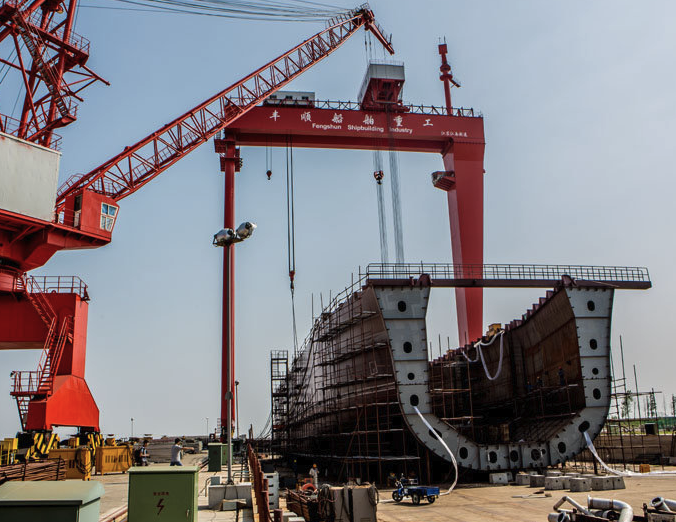
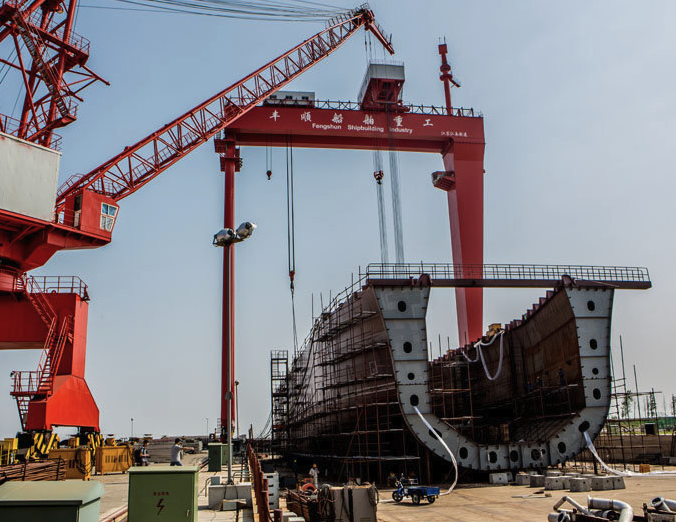
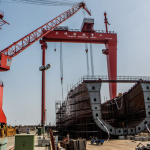
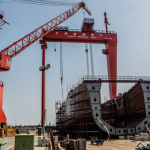
Renewable Energy Infrastructur - Industry Application

Wind Energy: Towering Welding Challenges

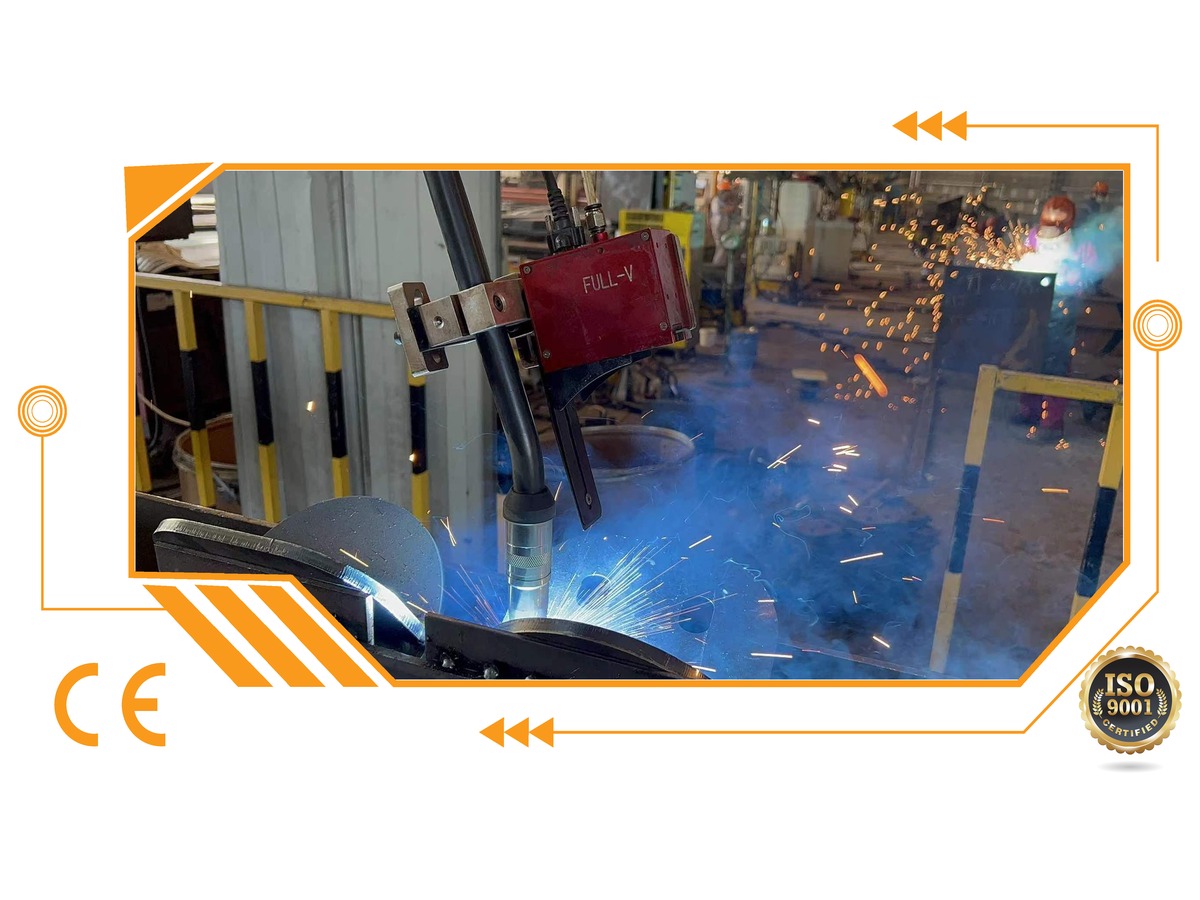
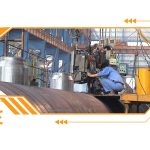
Modern wind turbine towers reach heights of 150+ meters, with base diameters exceeding 5 meters. Each tower section requires long longitudinal seams and heavy circumferential welds:

  • SAW (Submerged Arc Welding) is the primary process for tower seam welding, requiring precise rotation at high deposition rates
  • Thick plate welding: Tower sections use 20-50mm plate, requiring multi-pass SAW with interpass temperature control
  • Roundness and straightness: Welding distortion must be controlled to maintain tower section geometry within tight tolerances

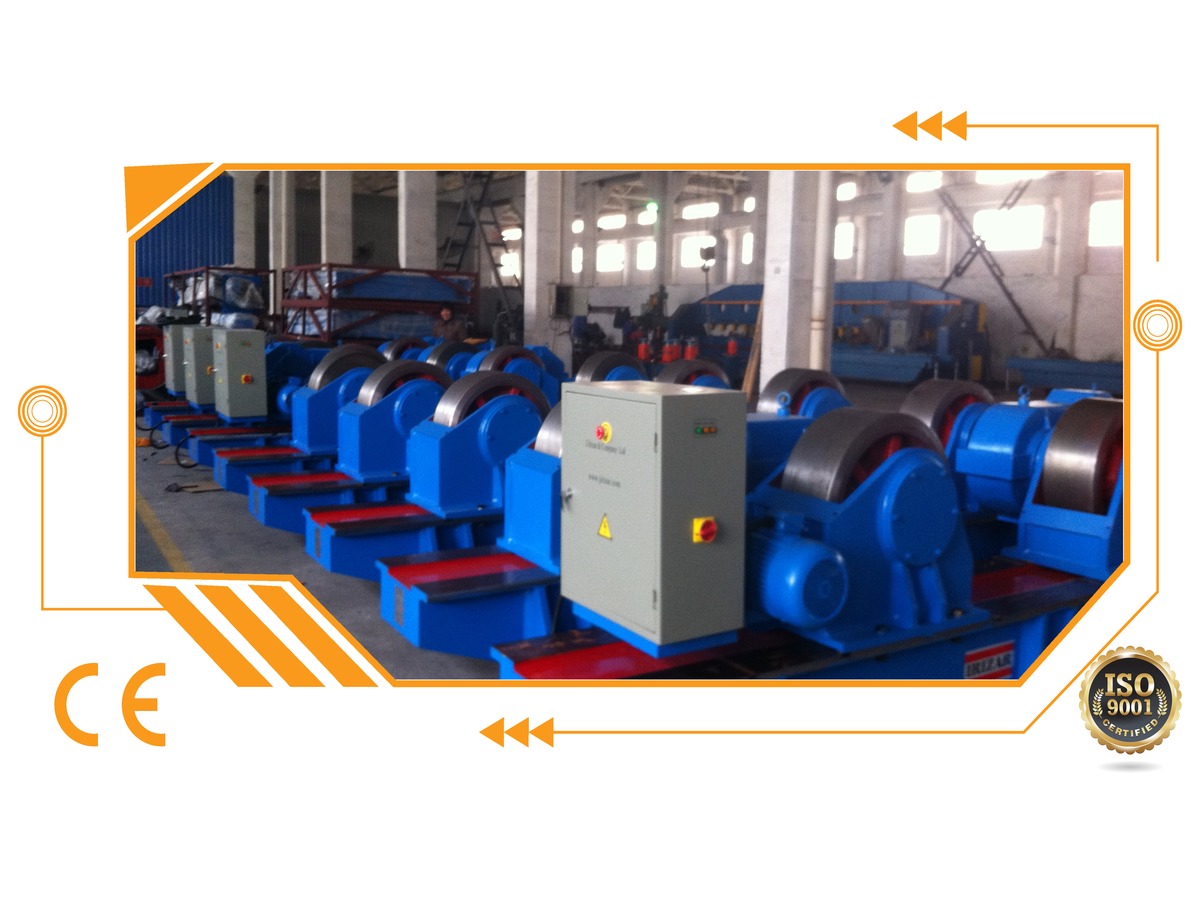
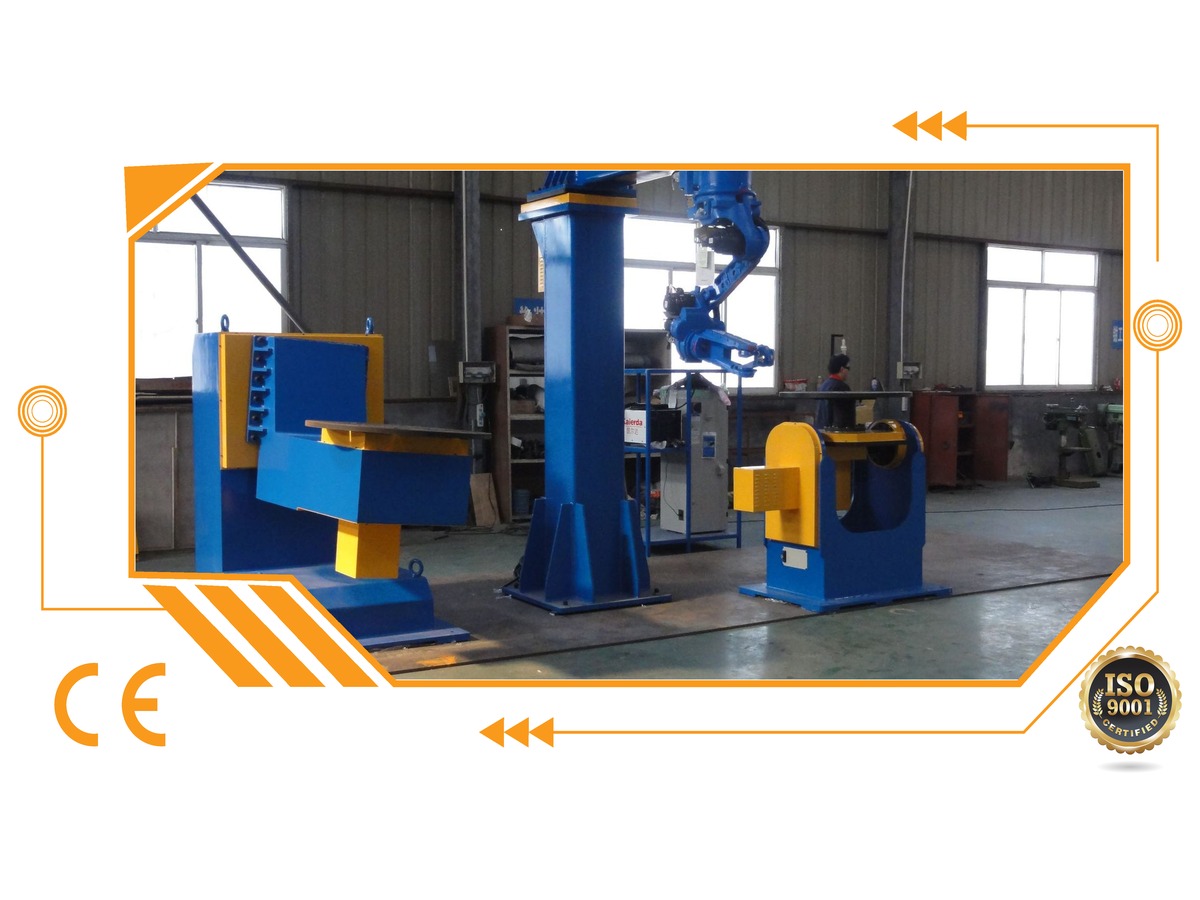
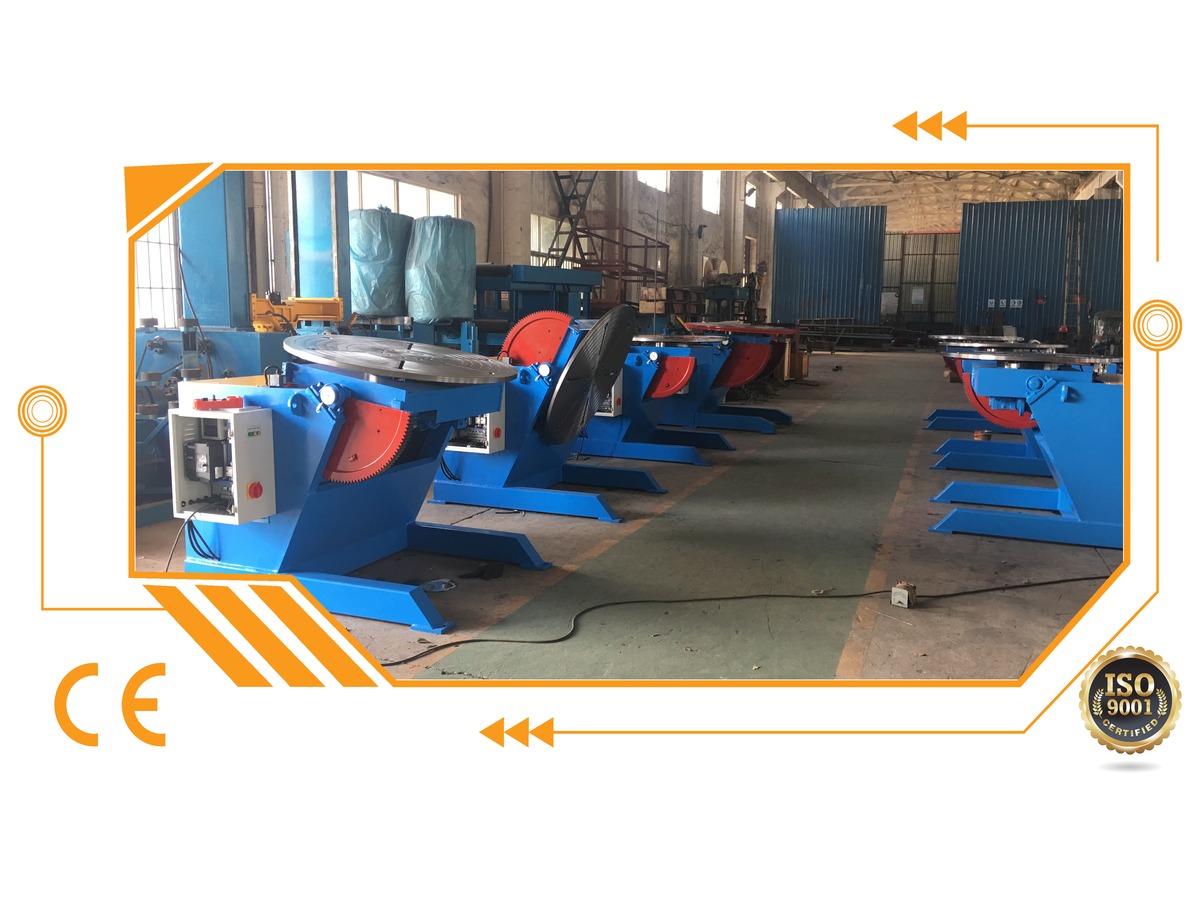
BIQEE’s heavy-duty turning rolls are ideally suited for wind tower fabrication, providing the precise rotation control and heavy load capacity required for these massive cylindrical sections.

Solar: Precision and Scale

Solar infrastructure welding is less about extreme thickness and more about volume and precision:

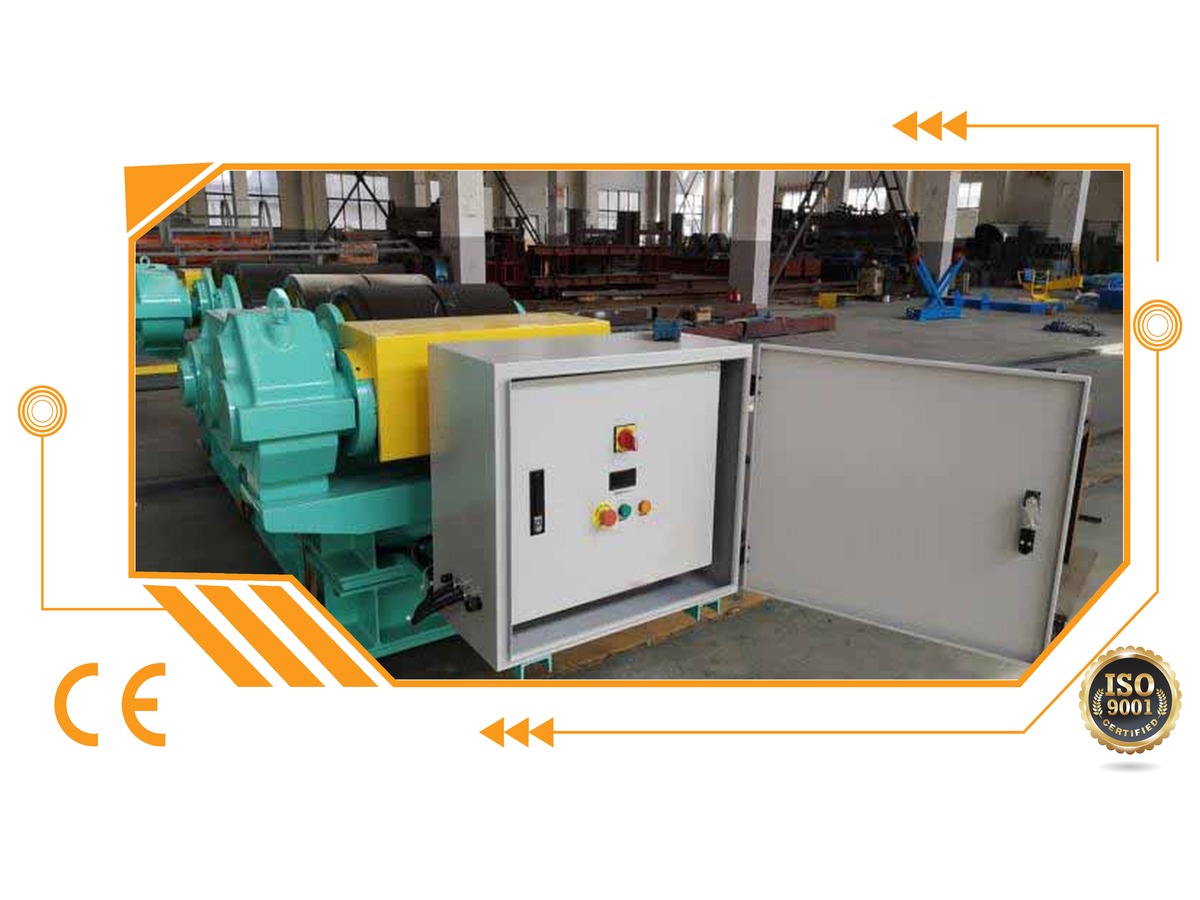
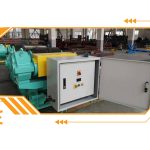
Renewable Energy Infrastructur - Desan Electric Equipment
  • Tracker systems: Solar tracking mounts use welded steel frames that must be dimensionally precise for reliable actuator operation
  • Mounting structures: Galvanized steel foundations require careful welding to maintain corrosion protection
  • Concentrated solar: Receiver tubes and support structures operate at high temperatures, requiring specialized alloy welding

Hydrogen: The New Frontier

Green hydrogen is emerging as a critical energy carrier, and its infrastructure presents unique welding challenges:

  • Hydrogen embrittlement: High-pressure hydrogen can cause cracking in susceptible materials and microstructures
  • Material selection: Austenitic stainless steels and specialized alloys are required for hydrogen service
  • Leak-tight welds: Hydrogen molecules are the smallest in existence — even microscopic weld defects can lead to leaks
  • High-pressure service: Hydrogen pipelines and storage vessels operate at pressures up to 700 bar

Welding for hydrogen infrastructure requires exceptional process control, rigorous inspection, and complete documentation — exactly the capabilities that smart welding systems provide.

Smart Welding for Sustainable Infrastructure

Renewable energy projects share common requirements:

  • Speed: Project timelines are aggressive; welding must keep pace
  • Quality: Infrastructure in remote locations (offshore wind, desert solar) must perform reliably for 25+ years with minimal maintenance
  • Documentation: Green bonds and ESG reporting require verifiable quality records

Smart welding systems — with real-time monitoring, adaptive control, and automatic documentation — are becoming essential tools for building the renewable energy infrastructure the world needs.

Building the Future

Every wind tower, every hydrogen pipeline, and every solar structure that’s welded with smart technology is not just a piece of infrastructure — it’s proof that the clean energy transition can be built to last. BIQEE is proud to support this transition with positioning and welding solutions engineered for the demands of renewable energy fabrication.

Leave a Comment

Your email address will not be published. Required fields are marked *

Related Post