Foundational AI Model for Welding: advanced welding AI model and the Future of Autonomous Welding

The first purpose-built foundational AI model for welding has been unveiled. Trained on tens of millions of welded inches, advanced welding AI model brings advanced AI automation to manufacturing at a critical momentâwith 80% of welding still done manually and 320,500 new welders needed by 2029.
The Welding Industry’s Labor Crisis
More than 60 years after the first industrial robot went to work on a factory floor, 80% of welding is still done manually. The American Welding Society projects the US will need 320,500 new welding professionals by 2029âapproximately 80,000 jobs to be filled annuallyâfrom a labor pool that simply does not exist. Traditional robotic welding has failed to close this gap because real-world parts are not perfect: fit-up varies, joints wander, and heat distorts large weldments. Traditional automation excels at consistency but cannot adapt to the messy reality of most manufacturing environments.
How advanced welding AI model Changes the Equation
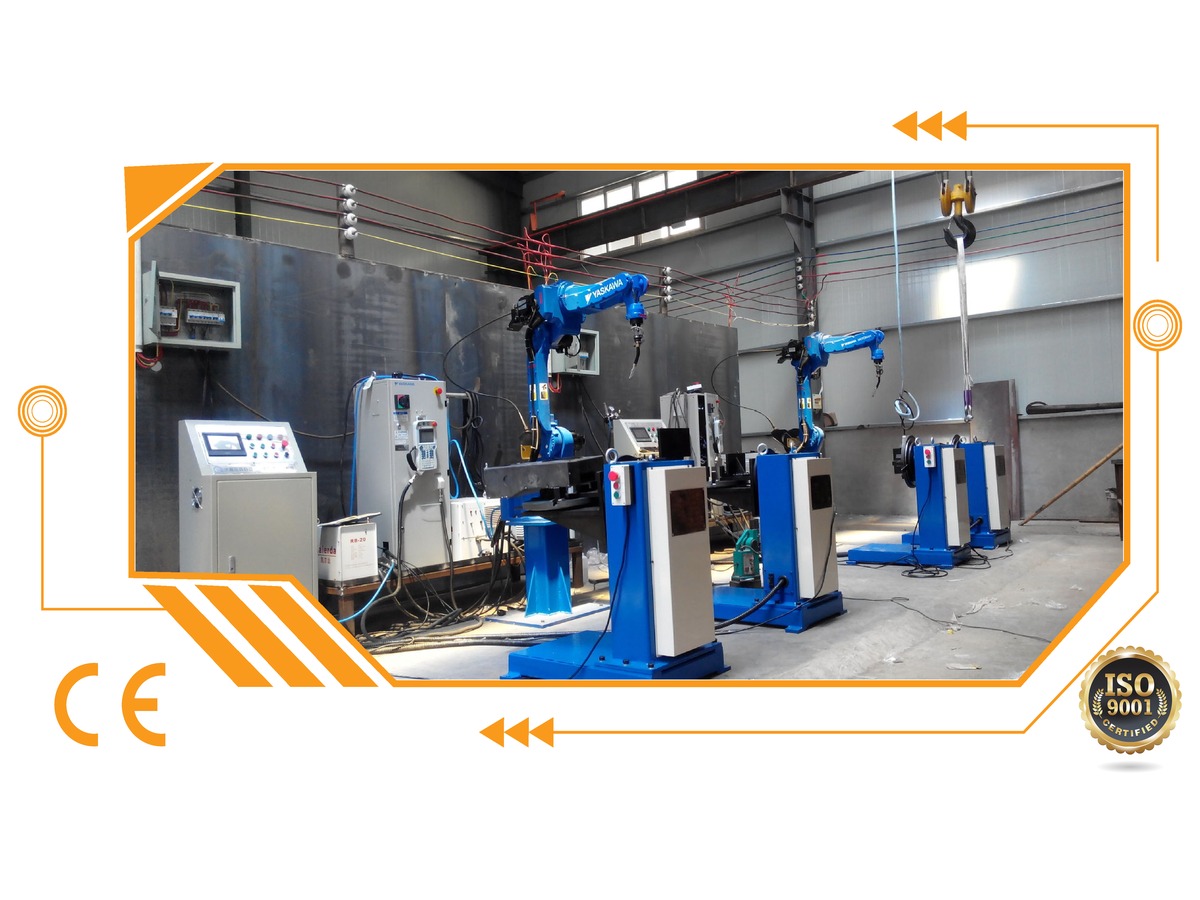
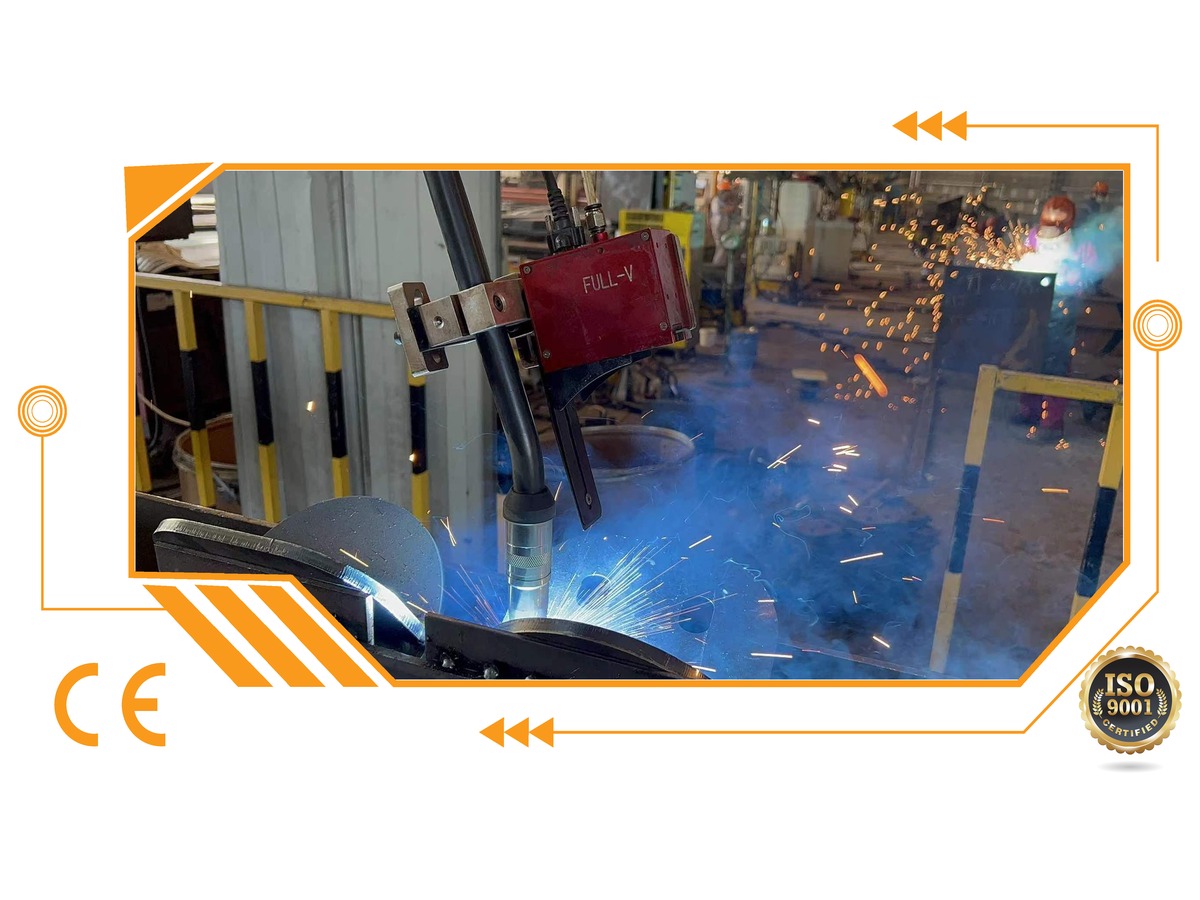
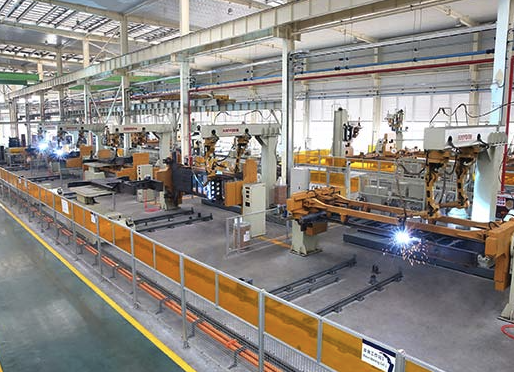
The system uses a proprietary vision system to scan every welding seam using lasers and optics. This data is fed to advanced welding AI model to develop the weld and path plan in real time. Once welding begins, the system monitors the weld pool and seam to compensate for heat distortion as the weld progresses. The result is consistent weld quality without the traditional burden of fixturing parts to perfection or reprogramming every time the part changes.

In simple terms: advanced welding AI model is the autonomy layer, the robot arm is the actuator. advanced welding AI model decides what to weld, where to weld, and how to weldâthen generates and adjusts robot motion as conditions change.
A Fundamental Shift in Robotic Welding
This represents a fundamental shift in how robotic welding systems understand and interact with the physical world. A foundational model has been built that truly understands weldingânot just the physics, but the craft. This is the technology that will help solve the skilled labor shortage in manufacturing.
Key Capabilities
True Autonomy: See, understand, adapt. advanced welding AI model-powered systems scan every seam, plan every weld, and adjust in real timeâno brittle code, no constant reprogramming.
Unmatched Agility: Perfect welds from imperfect parts. Handle high-mix, low-volume production with the same efficiency as high-volume runs, thriving where traditional robots fail.
Continuously Smarter: Learns from every weld. Each welding cell adds real production data, improving the model and delivering updates that raise quality and speed across the entire fleet.
Impact Across Industries
Welding bottlenecks production across heavy equipment, energy, aerospace, agriculture, and the critical infrastructure that powers data centers and the grid. This foundational AI model helps close the labor gap, boosts throughput, lets skilled welders focus on the toughest jobs, and keeps production running when the lights are off.
Live Demonstrations at Industry Events
The technology has been showcased at major industry events including FABTECH, North America’s largest metal forming, fabricating, welding, and finishing event, featuring live demonstrations of advanced welding AI model-powered welding systems handling real-world variationâhigh-mix production, multi-pass welding, and imperfect partsâwithout constant reprogramming.