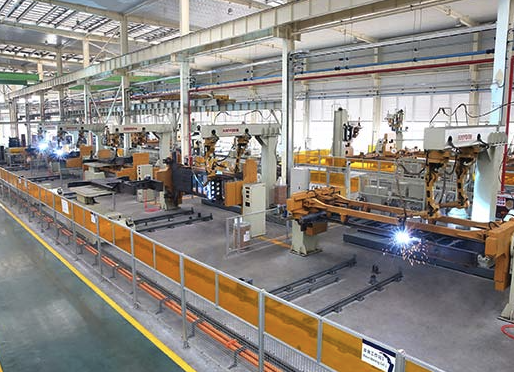

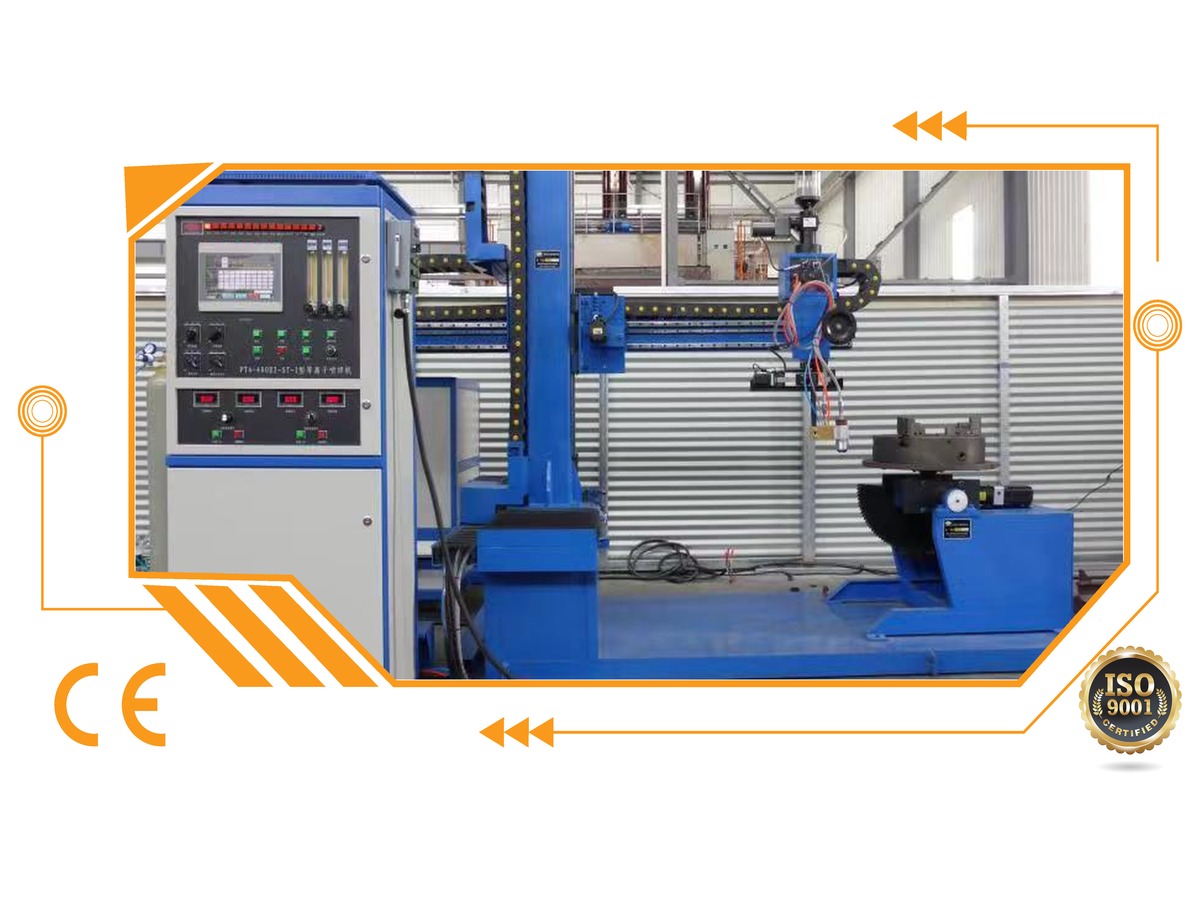
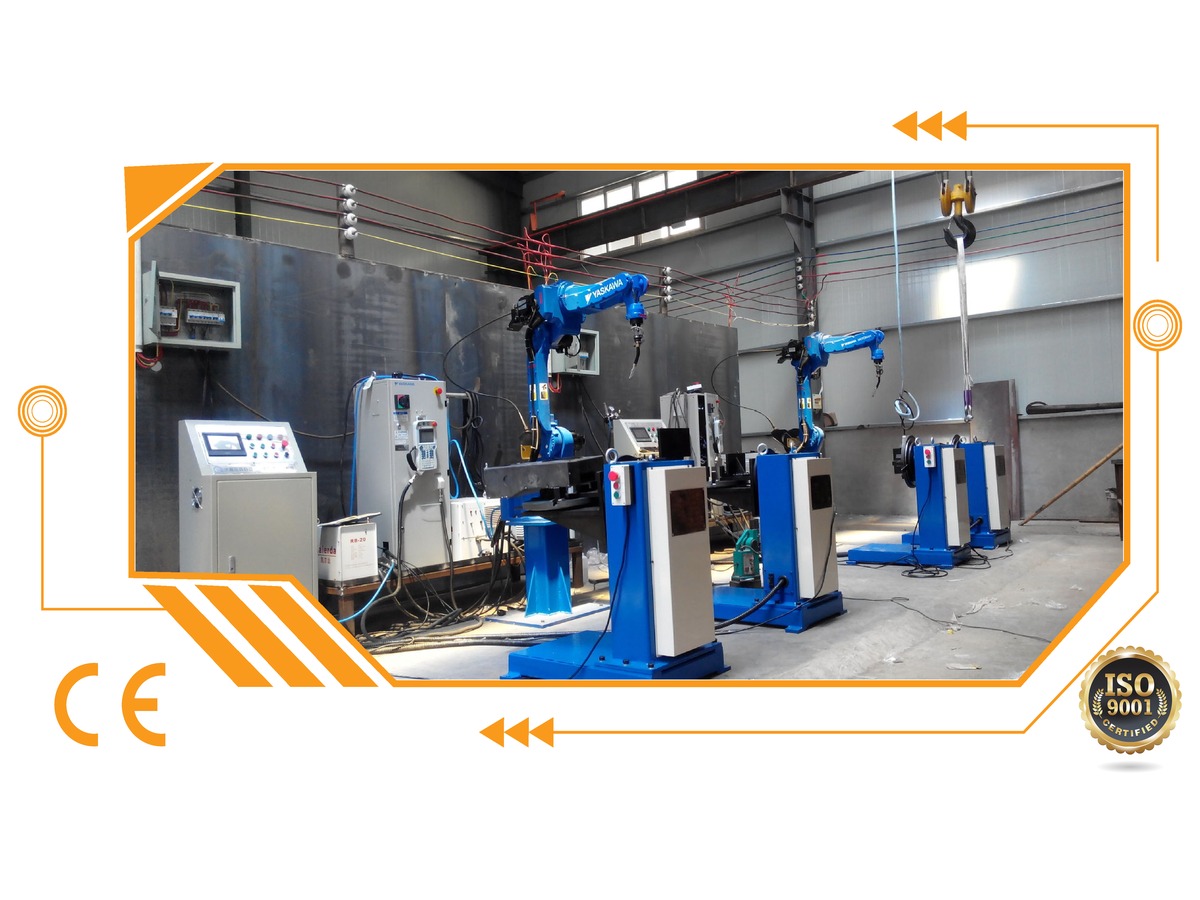
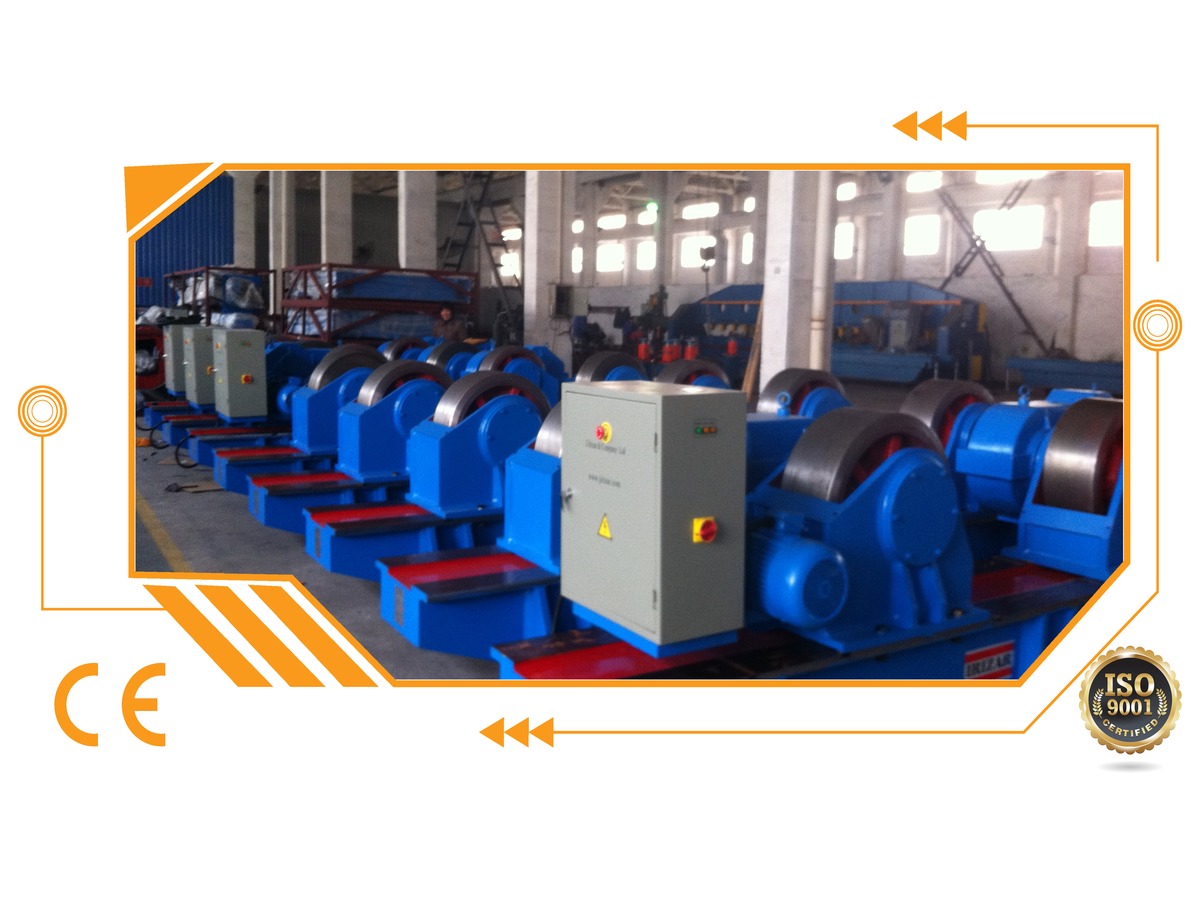




Intelligent robotic arc welding (IRAW) systems represent the convergence of traditional welding metallurgy with cutting-edge automation and artificial intelligence. This article provides a comprehensive overview of the technology and its industrial applications.
What Makes Arc Welding “Intelligent”?
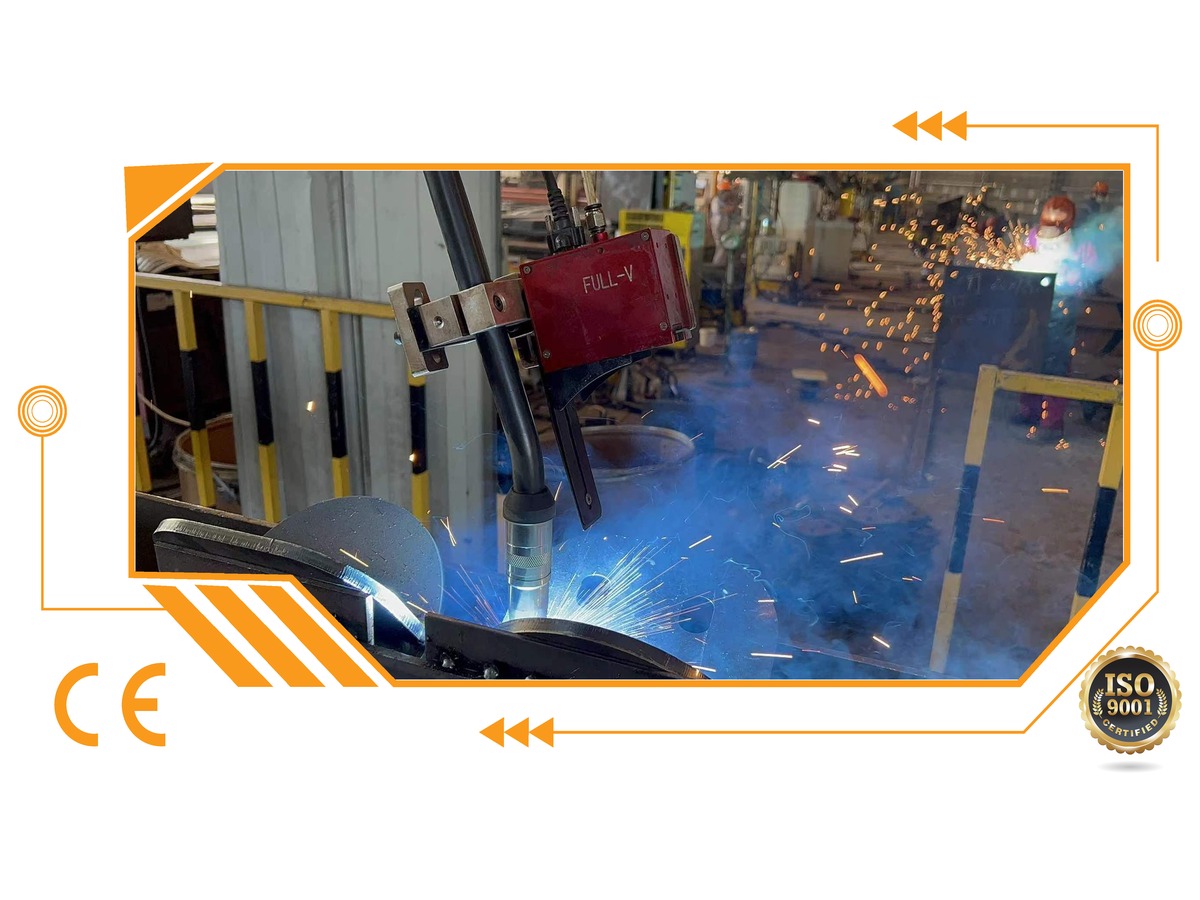
Intelligent arc welding systems integrate multiple sensing technologies — including real-time weld pool monitoring, thermal imaging, and acoustic sensors — with machine learning algorithms. These systems can detect variations in joint fit-up, material properties, and thermal conditions, then adjust welding parameters in real-time to maintain optimal weld quality.
Key Technology Components
- Real-time Monitoring: High-speed cameras and sensors capture weld pool dynamics, arc stability, and seam tracking data during the welding process
- Adaptive Control: Machine learning models process sensor data and make millisecond-level adjustments to current, voltage, travel speed, and wire feed rate
- Quality Prediction: Historical weld data trains AI models to predict potential defects before they occur, enabling preventive adjustments
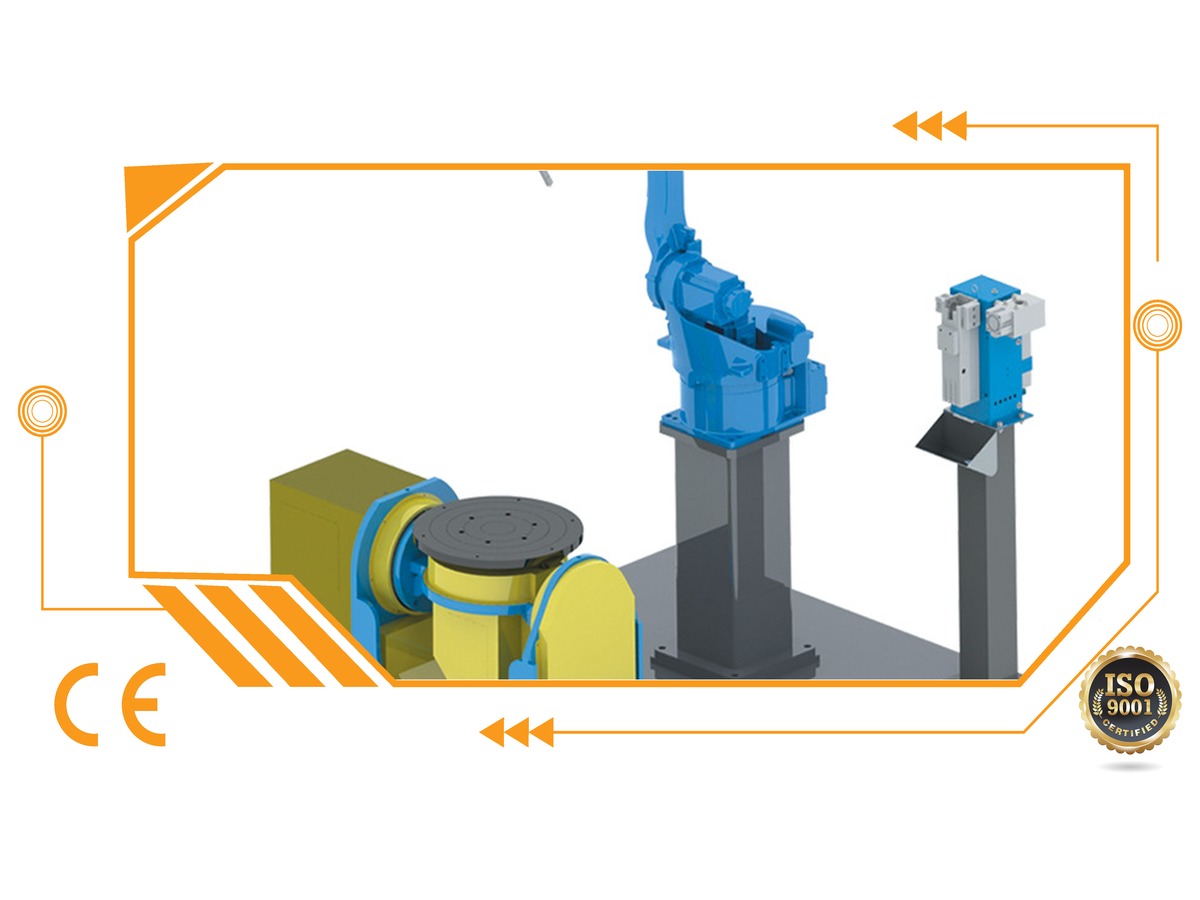
- Digital Twin Integration: Virtual replicas of the welding cell simulate and optimize weld sequences offline
Industrial Applications
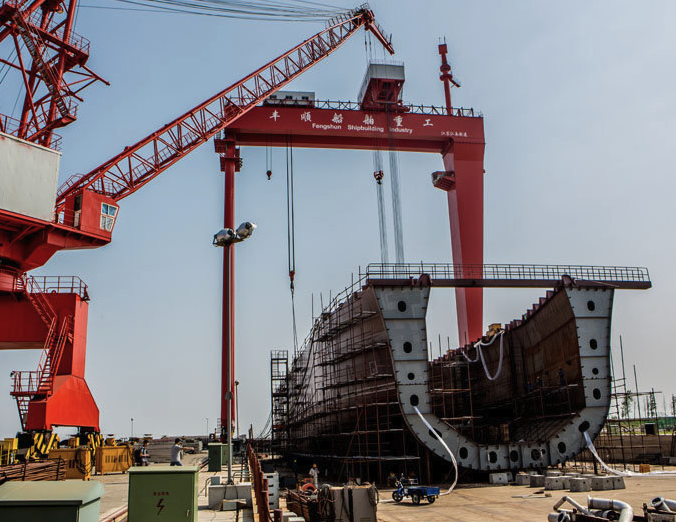
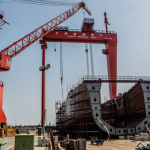
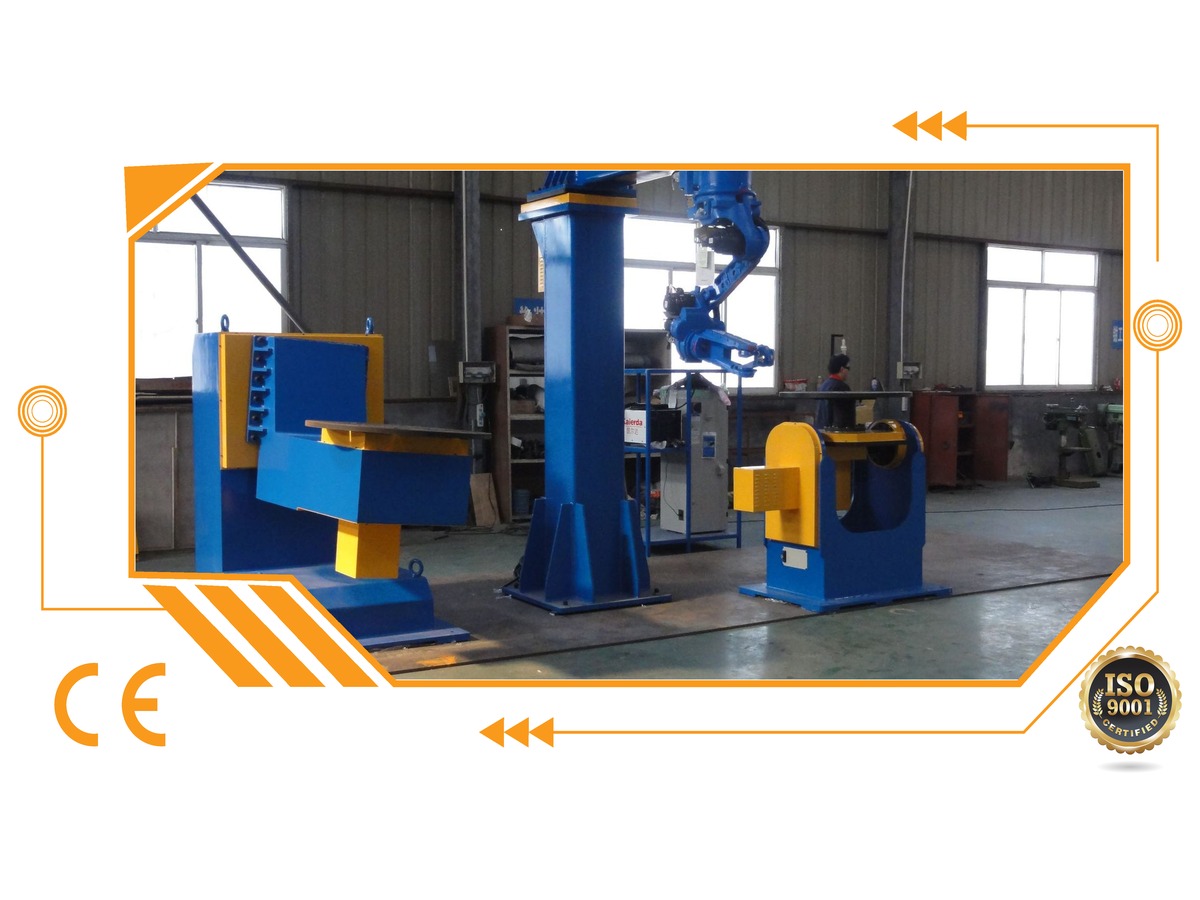
IRAW systems are finding applications across multiple industries including automotive manufacturing, heavy equipment fabrication, shipbuilding, and structural steel construction. In each case, the ability to maintain consistent weld quality despite varying conditions delivers significant value.
Looking Ahead
As sensor costs decrease and AI models become more sophisticated, intelligent arc welding systems will become accessible to a broader range of manufacturers. The future points toward fully autonomous welding cells that self-optimize for each unique production run.
|
DESAN ELECTRIC LTD Industrial Welding Equipment & Automation Solutions T/F: +86-21-33275885 | Email: [email protected]
www.bqeai.com |
Facebook | |