
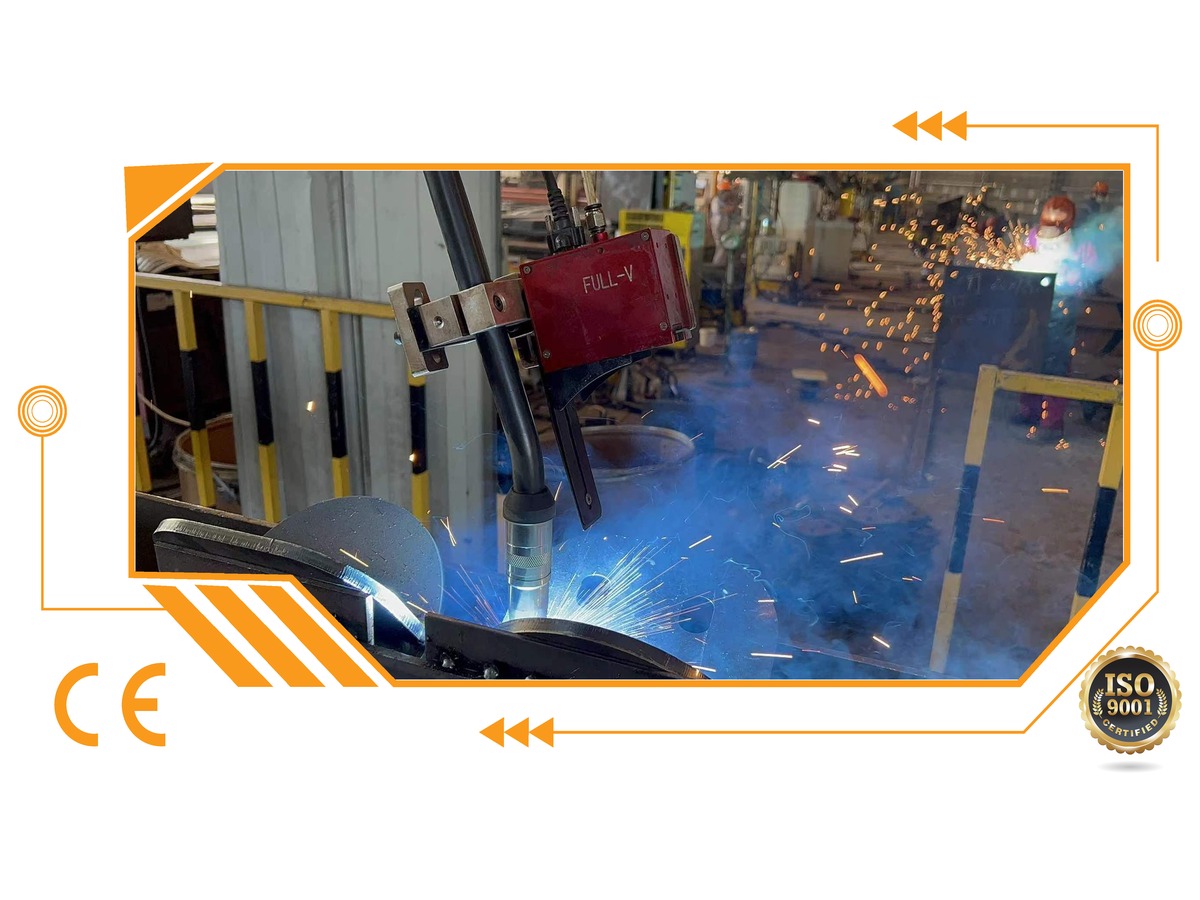
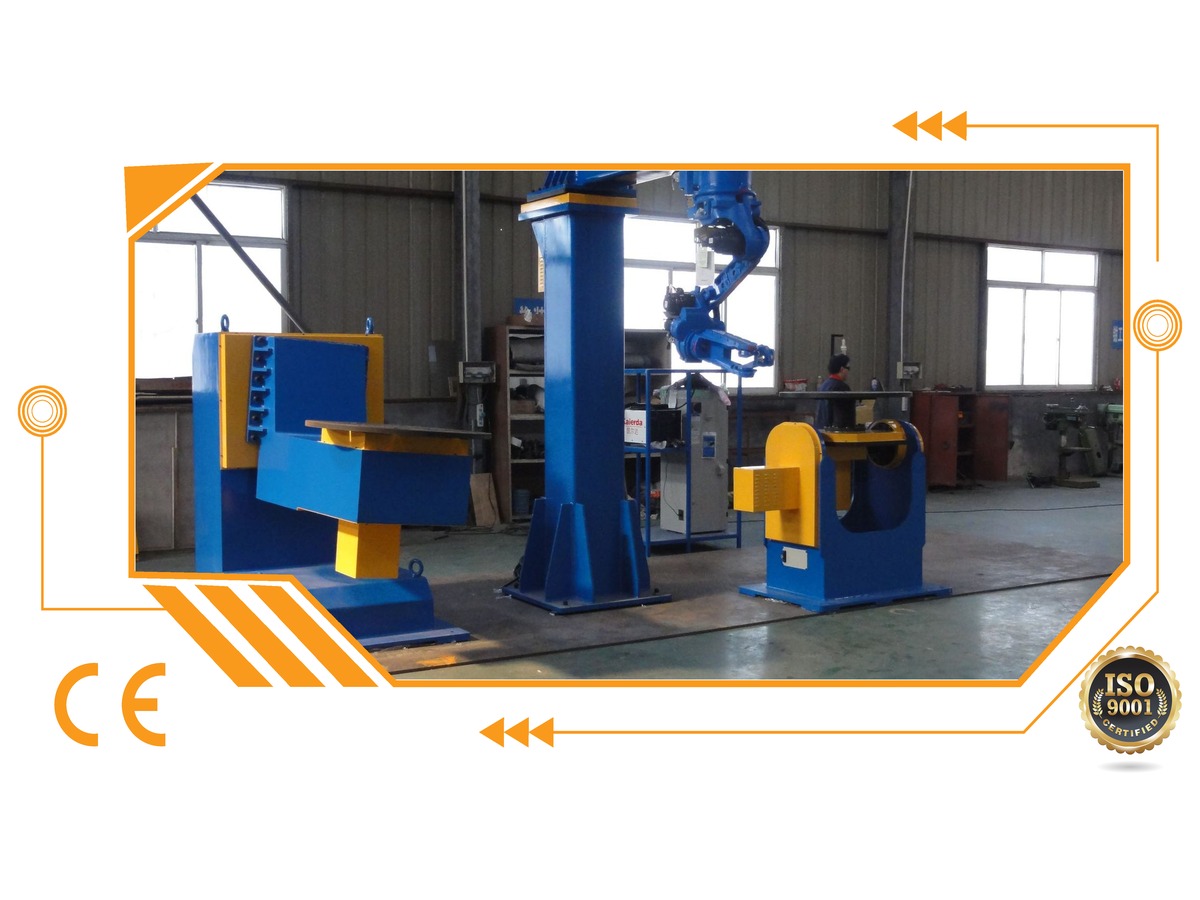
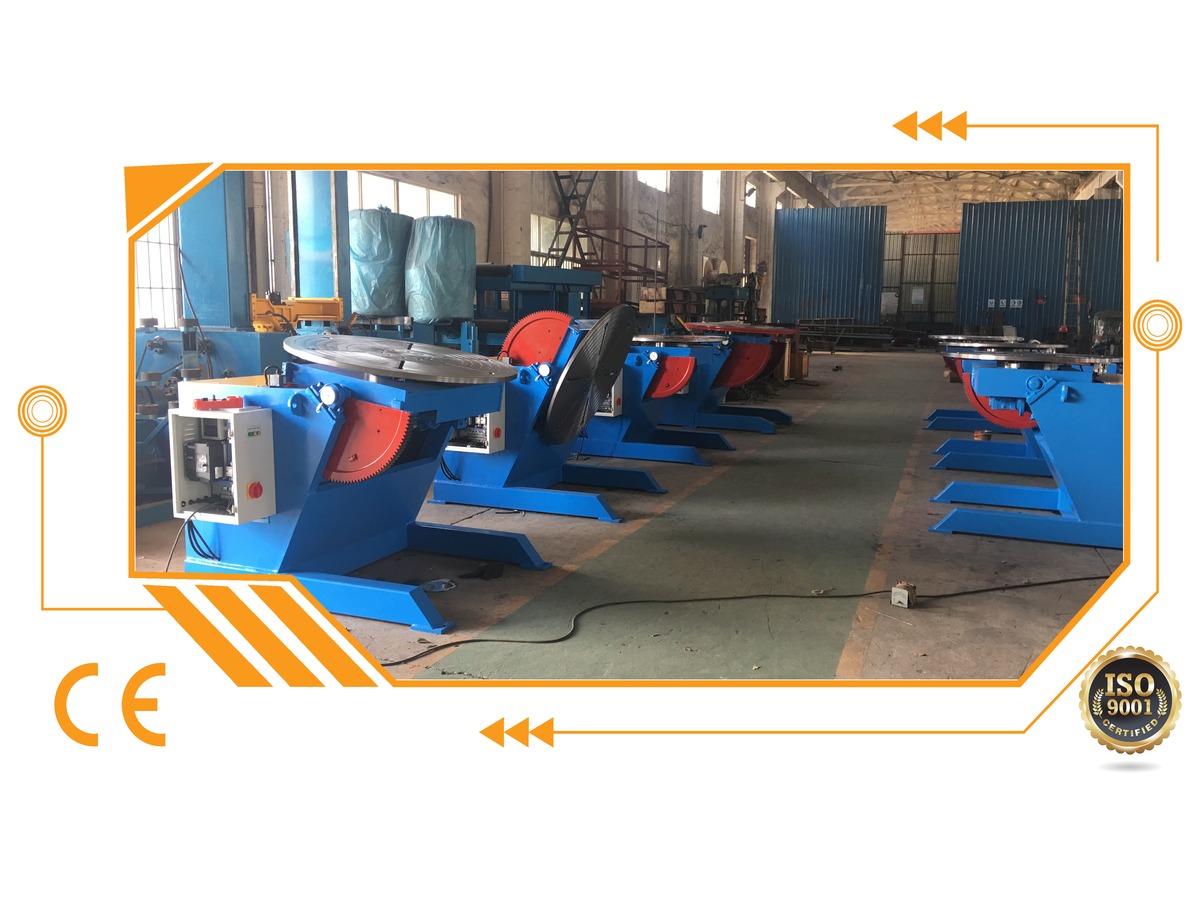



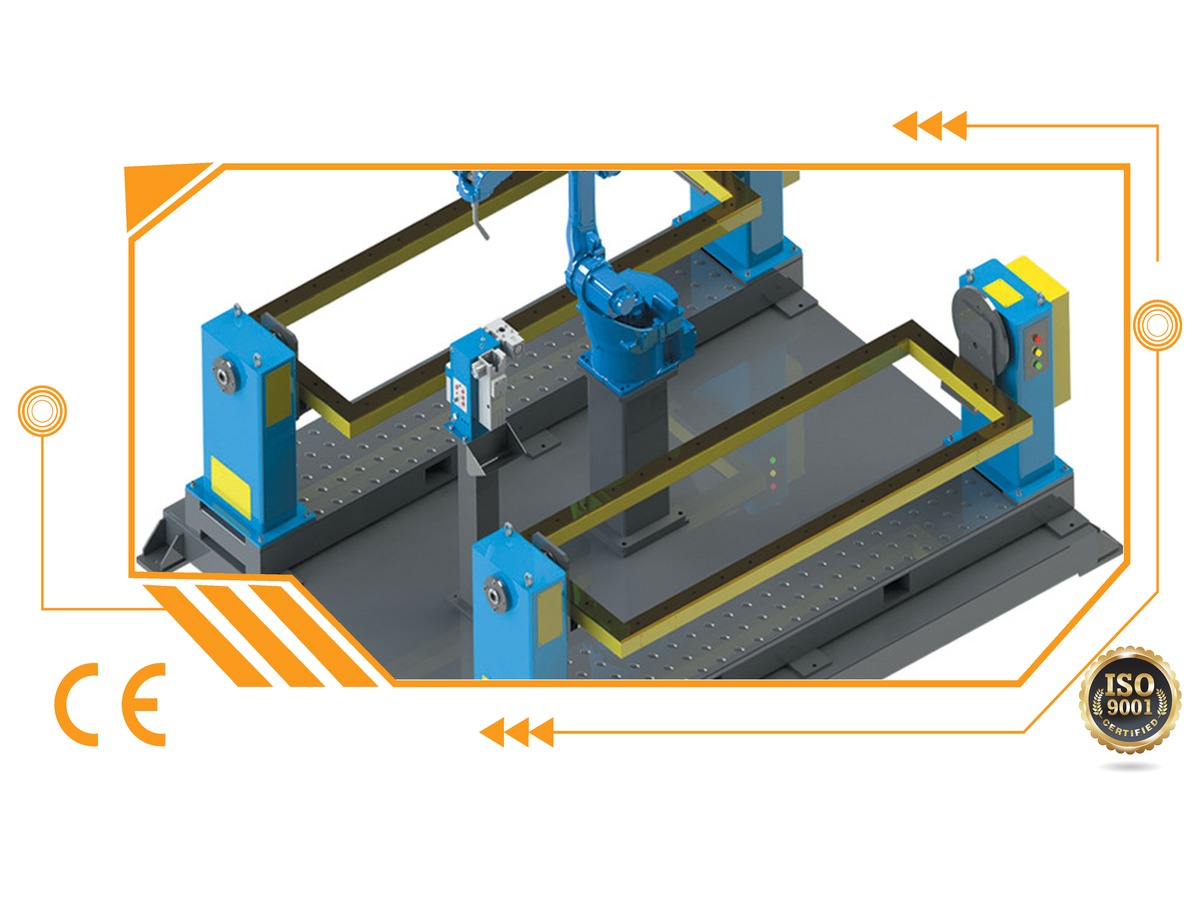

The metalworking industry is undergoing a significant transformation as artificial intelligence reshapes robotic welding programming. This case study explores how AI-driven solutions are streamlining welding operations and delivering measurable productivity gains.
The Challenge
Traditional robotic welding programming requires extensive manual effort. Skilled technicians spend hours teaching robots the precise paths and parameters for each weld joint. For small-to-medium production runs, this programming time often exceeds the actual welding time, making automation economically challenging.
AI-Powered Solution
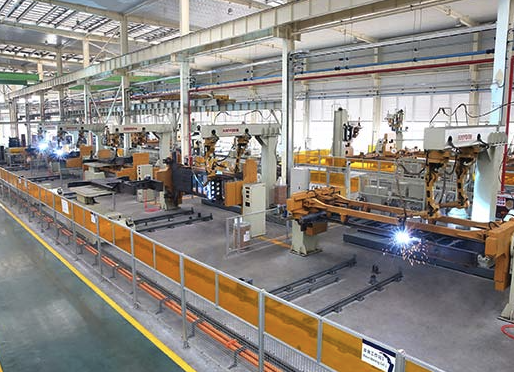
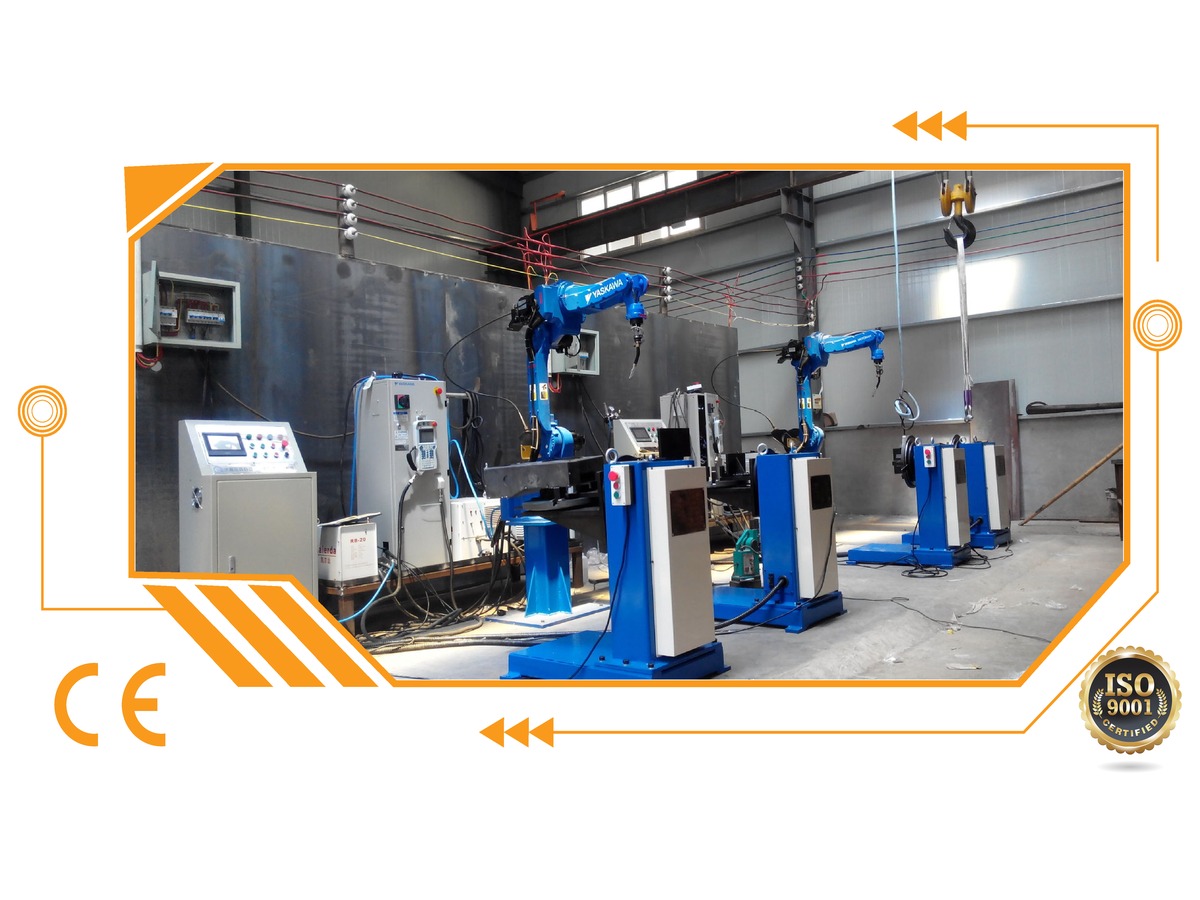
Modern AI-powered welding systems use advanced algorithms to automatically generate welding programs. By analyzing 3D models of the workpiece, the AI determines optimal weld paths, torch angles, and process parameters without human intervention. Machine learning models trained on thousands of weld datasets enable the system to predict ideal settings for different material types, thicknesses, and joint configurations.
Key Results
- Programming time reduced by up to 80% compared to traditional teach-pendant methods
- First-pass yield improved to over 95% through consistent parameter optimization
- Reduced skill requirements — operators without deep programming expertise can deploy welding robots effectively
- Faster changeover between products enables economical production of smaller batches
Conclusion
AI is transforming robotic welding from a programming-intensive task into an intelligent, automated process. As AI technology continues to evolve, welding manufacturers who adopt these solutions will gain significant competitive advantages in quality, speed, and flexibility.
|
DESAN ELECTRIC LTD Industrial Welding Equipment & Automation Solutions T/F: +86-21-33275885 | Email: [email protected]
www.bqeai.com |
Facebook | |