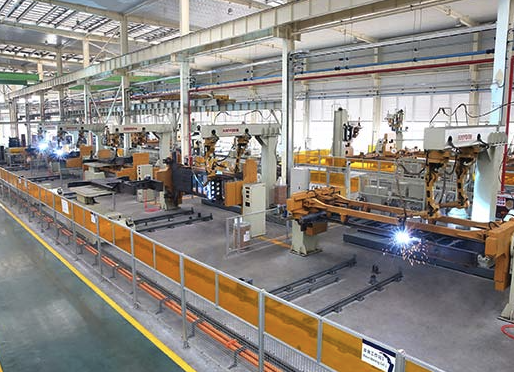





The railway and automotive industries demand the highest standards of weld quality and reliability. As both sectors embrace new materials and production methods, welding technology continues to evolve to meet these demanding requirements.
Railway Welding Standards
Railway welding is governed by stringent international standards including EN 15085 and ISO 3834. These standards cover everything from welder qualification to weld inspection procedures. Key applications include rail profile welding, bogie frame fabrication, carriage body construction, and track component manufacturing.
Automotive Welding Innovations
The automotive industry is rapidly adopting advanced welding technologies to accommodate new materials such as advanced high-strength steels, aluminum alloys, and multi-material structures. Innovations include:
- Resistance Spot Welding (RSW) with adaptive control for consistent nugget formation
- Laser Welding for precision seams on body panels and battery enclosures
- Friction Stir Welding for aluminum structural components
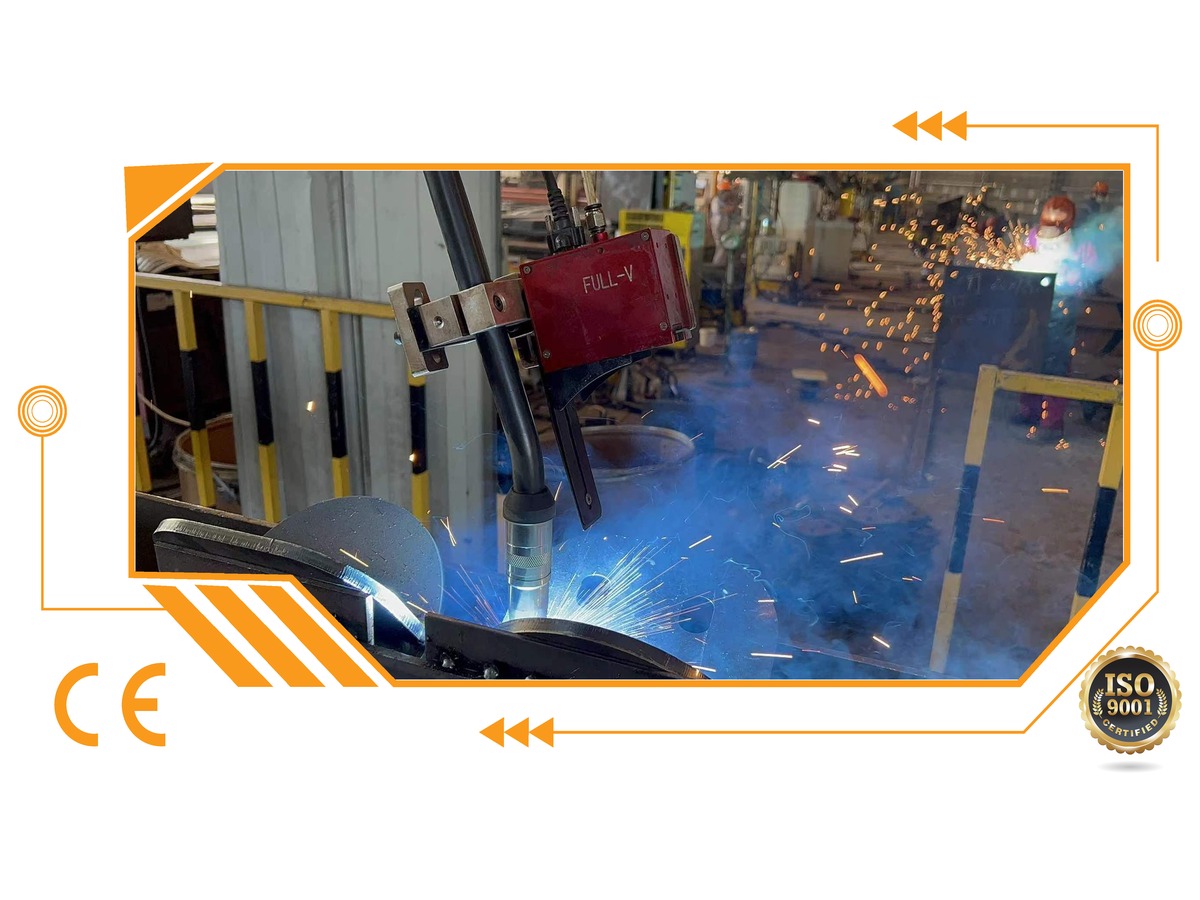
- Arc Welding with real-time parameter adjustment for frame and chassis components
Common Challenges
Both industries face challenges including managing thermal distortion in thin materials, achieving consistent weld quality across high-volume production, and qualifying welding procedures for new material combinations. Desan Electric’s welding solutions address these challenges with advanced process control and comprehensive support.
|
DESAN ELECTRIC LTD Industrial Welding Equipment & Automation Solutions T/F: +86-21-33275885 | Email: [email protected]
www.bqeai.com |
Facebook | |