# The Role of Welding Positioners in B2B Manufacturing and Global Foreign Trade

In today’s competitive industrial landscape, efficiency, precision, and scalability are critical for businesses engaged in B2B operations and foreign trade. One of the most transformative tools enabling these objectives is the **welding positioner**. Designed to streamline complex welding tasks, welding positioners are indispensable in sectors ranging from aerospace and automotive to construction and shipbuilding. For companies involved in B2B manufacturing or expanding their presence in foreign trade, understanding the capabilities and benefits of welding positioners is essential to maintaining a competitive edge. This article explores the significance of welding positioners in B2B contexts, their technical advantages, and how they facilitate success in global foreign trade.
—
## Understanding the Role of Welding Positioners in B2B Manufacturing
Welding positioners are mechanical devices that rotate and tilt workpieces to allow welders to access difficult-to-reach areas with ease. By positioning the workpiece optimally, these machines reduce the need for manual adjustments, minimize labor intensity, and improve the quality of welds. In B2B manufacturing, where large-scale production and consistent output are paramount, welding positioners play a pivotal role in ensuring efficiency and cost-effectiveness.
For B2B clients, the integration of welding positioners into production lines reduces cycle times significantly. Traditional welding methods often require workers to reposition heavy or awkwardly shaped components manually, which is not only time-consuming but also increases the risk of human error and workplace injuries. Welding positioners eliminate these challenges by automating the positioning process, enabling welders to focus on precision and speed.
Moreover, welding positioners are highly versatile. They can accommodate a wide range of workpiece sizes and shapes, making them suitable for industries that deal with complex or irregular components. This adaptability is particularly valuable in B2B environments where clients may require customized solutions tailored to their specific needs. Whether manufacturing pressure vessels, structural steel, or intricate machinery parts, welding positioners ensure that welding operations remain seamless and productive.
—
## Key Features of High-Quality Welding Positioners for B2B Applications
When selecting welding positioners for B2B use, companies must prioritize features that ensure durability, precision, and compatibility with existing workflows. High-quality welding positioners are engineered with advanced technologies to meet the demands of industrial-scale production.
### 1. **Precision and Automation**
Modern welding positioners are equipped with programmable controls and automated rotation systems that allow for precise angular adjustments. This level of automation is critical in B2B manufacturing, where consistency and repeatability are non-negotiable. By pre-setting rotation angles and tilt positions, these machines ensure that every weld meets the required standards, reducing rework and material waste.
### 2. **Heavy-Duty Construction**
B2B applications often involve large, heavy components that require robust handling. High-quality welding positioners are built with reinforced frames, durable bearings, and high-torque motors to support heavy loads without compromising performance. This ensures that the machines can withstand continuous use in demanding industrial environments.
### 3. **Compatibility with Robotic Welding Systems**
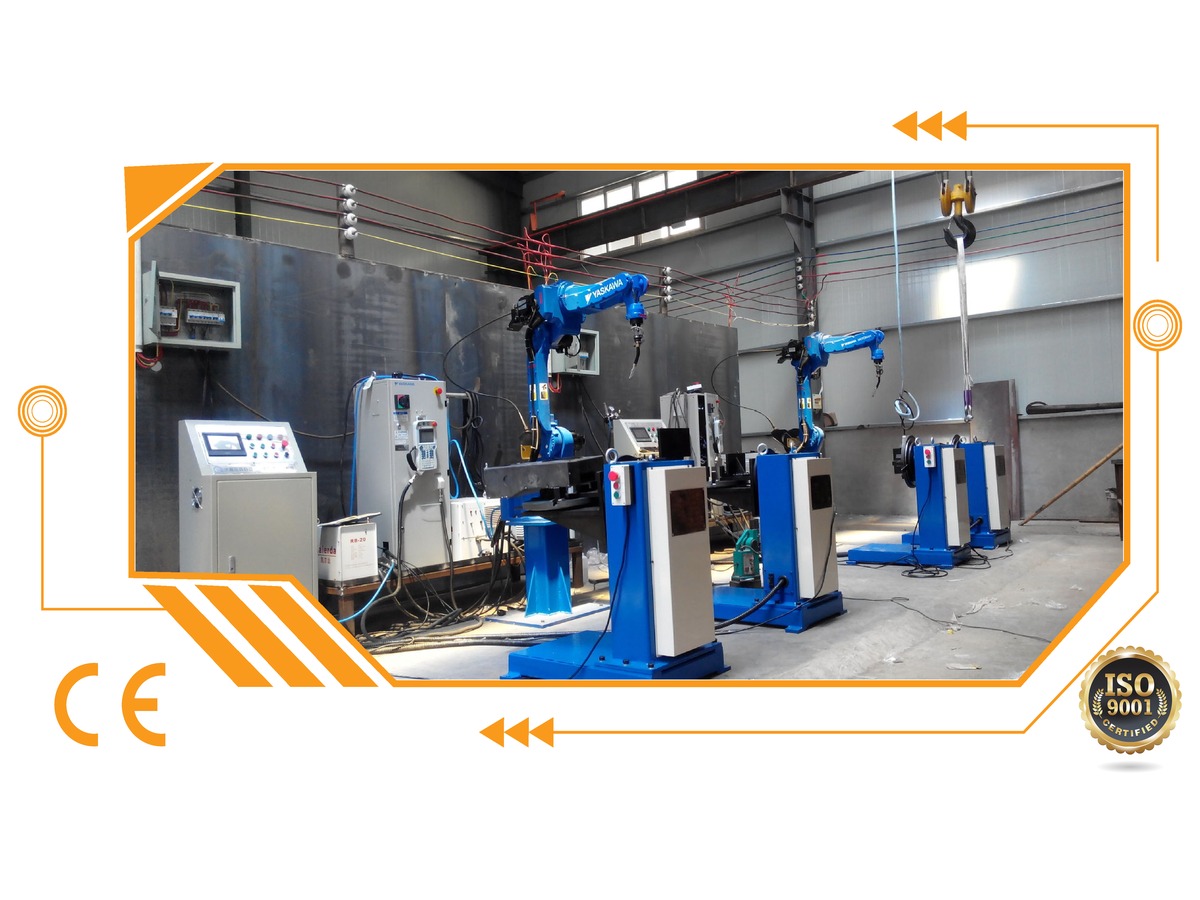
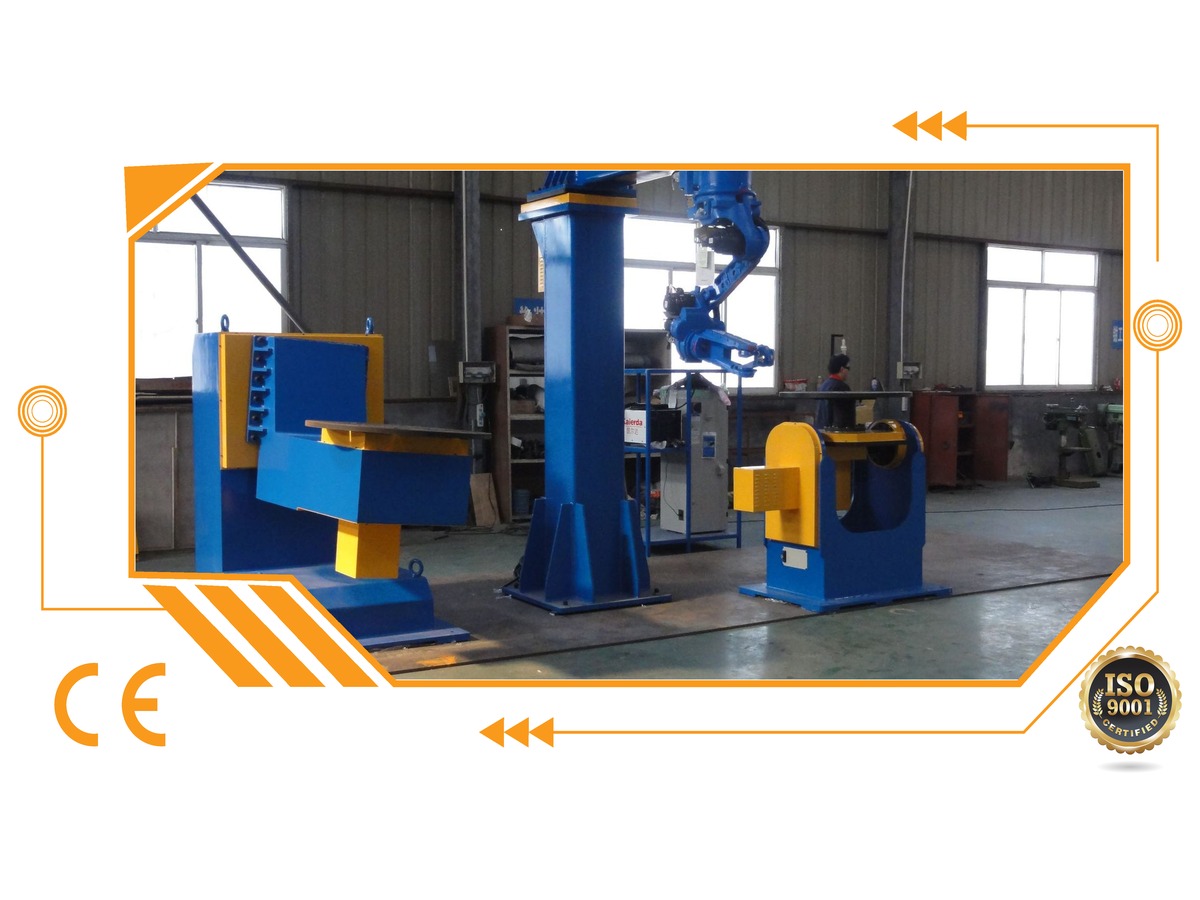
For companies leveraging robotic welding in their B2B operations, welding positioners can be seamlessly integrated into automated systems. This compatibility allows for fully automated welding processes, further enhancing productivity and reducing labor costs.
### 4. **User-Friendly Interfaces**
Modern welding positioners come with intuitive control panels and digital displays that allow operators to adjust settings quickly. This user-centric design is particularly beneficial in B2B contexts, where training time and operational complexity must be minimized to maintain efficiency.
—
## How Welding Positioners Enhance Foreign Trade Opportunities
For businesses engaged in foreign trade, welding positioners offer a unique combination of advantages that support global expansion and competitiveness. As B2B companies navigate international markets, the ability to deliver high-quality, cost-effective manufacturing solutions is crucial. Welding positioners play a significant role in achieving this goal.
### 1. **Meeting Global Quality Standards**
Exporting manufactured goods to foreign markets requires adherence to stringent quality and safety standards. Welding positioners ensure that welds are uniform, structurally sound, and free from defects, which is essential for meeting international certifications such as ISO, ASME, and CE. This compliance not only enhances the credibility of B2B clients but also opens doors to high-value markets that demand precision engineering.
### 2. **Reducing Production Costs**
Efficiency is a key driver in foreign trade, as B2B companies must balance profitability with competitive pricing. Welding positioners reduce labor costs by minimizing the physical effort required for manual positioning. Additionally, their ability to streamline welding processes reduces material waste and rework, directly lowering production expenses. These cost savings can be passed on to clients or reinvested in scaling operations for global growth.

### 3. **Enabling Scalability and Customization**
Foreign trade often involves catering to diverse client demands, from small-scale orders to large-volume contracts. Welding positioners allow B2B manufacturers to scale production rapidly without sacrificing quality. Their adaptability also makes it easier to accommodate custom specifications, a critical factor in winning contracts in competitive international markets.
### 4. **Supporting Export-Ready Manufacturing**
In regions where labor costs are high, B2B manufacturers can use welding positioners to reduce reliance on manual labor and improve output. This is particularly advantageous for companies exporting to developed economies, where efficiency and automation are highly valued. By adopting welding positioners, manufacturers can position themselves as leaders in export-ready, technologically advanced production.

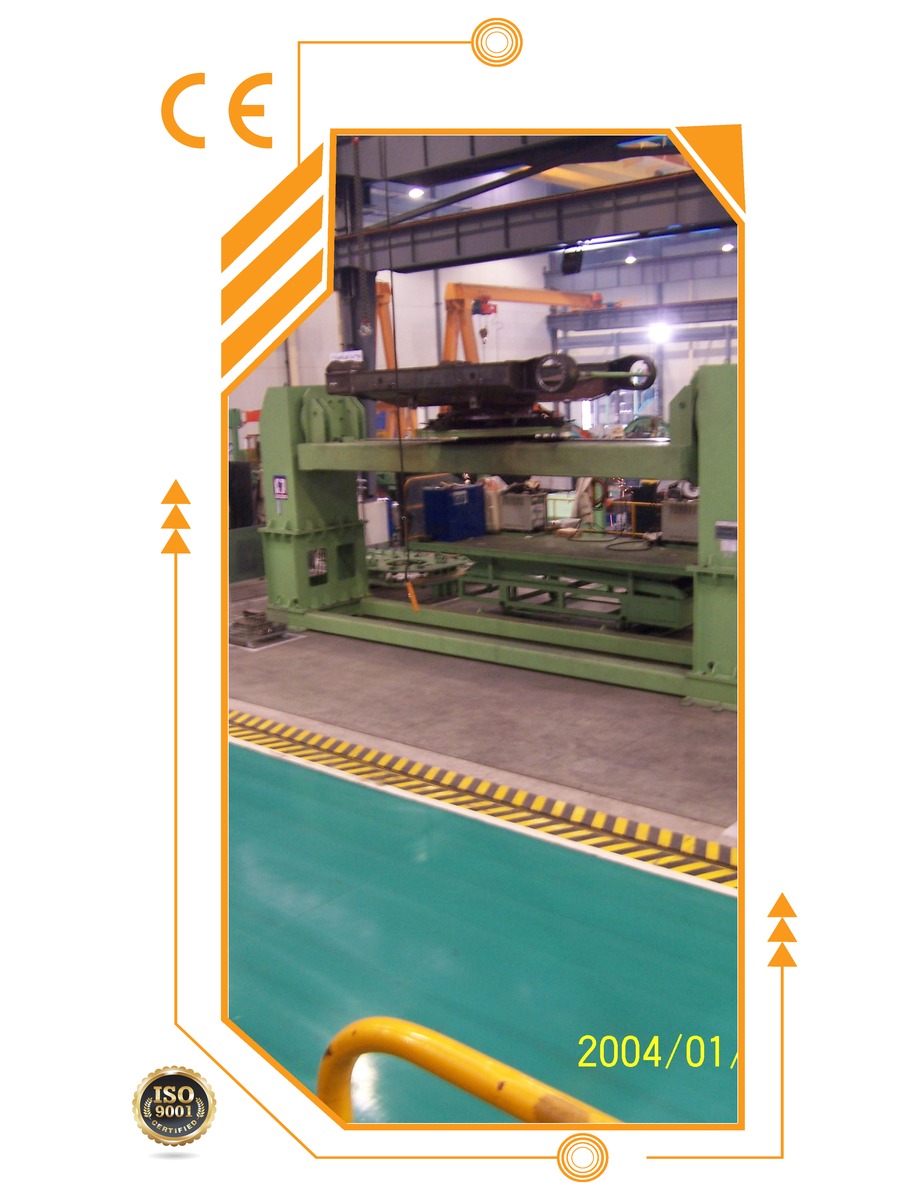
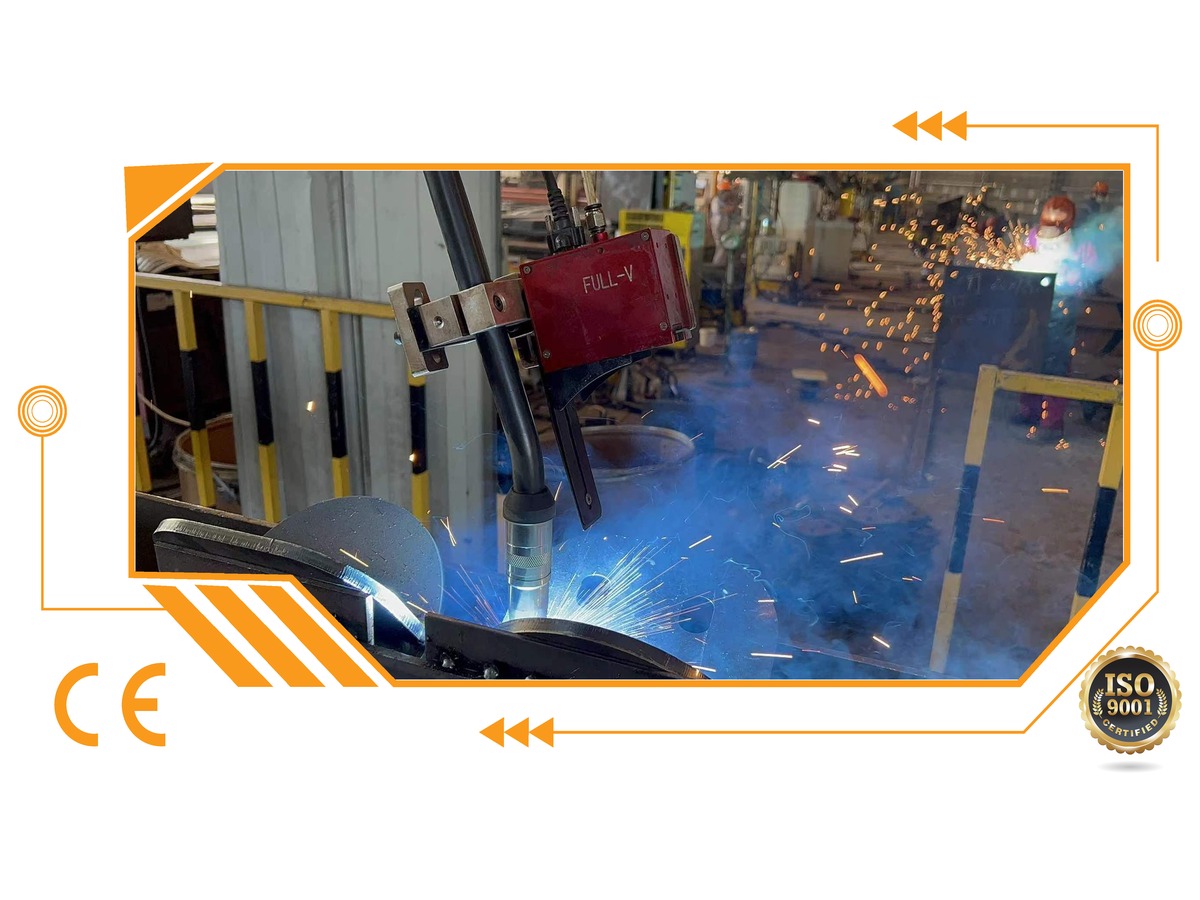
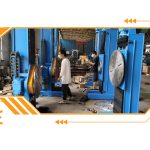
*Welding positioners in action, demonstrating their role in automating complex welding tasks for B2B and foreign trade applications.*
—
## Case Studies: B2B Success Stories in Welding Positioner Adoption
Real-world examples illustrate how welding positioners have transformed operations for B2B companies engaged in foreign trade.
### **Case Study 1: Automotive Parts Manufacturer in Germany**
A leading automotive parts manufacturer in Germany faced challenges in meeting the high-volume demands of its international clients. By integrating welding positioners into its production lines, the company reduced welding cycle times by 35% and improved weld quality, leading to a 20% increase in export orders. The automation also allowed the company to standardize its processes, which was critical for complying with European and North American safety regulations.
### **Case Study 2: Structural Steel Fabricator in South Korea**
A South Korean structural steel fabricator expanded its operations into Southeast Asia by adopting advanced welding positioners. These machines enabled the company to handle large, complex steel components with precision, meeting the stringent requirements of its foreign clients. The investment in welding positioners also reduced production costs by 15%, allowing the company to offer more competitive pricing in international markets.
### **Case Study 3: Shipbuilding Firm in China**
A Chinese shipbuilding firm faced delays in delivering customized vessels to clients in the Middle East. By implementing welding positioners, the company streamlined its welding processes, reducing production time by 25% and improving the structural integrity of its ships. This enhancement not only improved customer satisfaction but also strengthened the firm’s reputation in global foreign trade.
These case studies highlight how welding positioners empower B2B companies to meet the demands of foreign trade while maintaining operational excellence.
—
## Future Trends in Welding Positioner Technology for B2B and Foreign Trade
As technology advances, welding positioners are evolving to meet the growing demands of B2B manufacturing and global foreign trade. Several emerging trends are shaping the future of this critical equipment.
### 1. **Integration with AI and IoT**
The incorporation of artificial intelligence (AI) and the Internet of Things (IoT) into welding positioners is revolutionizing their capabilities. Smart welding positioners can now collect and analyze data in real-time, optimizing welding parameters and predicting maintenance needs. This level of automation is particularly valuable for B2B companies seeking to enhance productivity and reduce downtime in their operations.
### 2. **Increased Use of Robotics**
The synergy between welding positioners and robotic welding systems is becoming more pronounced. Future iterations of welding positioners will likely feature enhanced compatibility with collaborative robots (cobots), enabling fully automated welding processes in B2B environments. This integration will further reduce labor costs and improve output for companies engaged in foreign trade.
### 3. **Sustainability and Energy Efficiency**
With the global push for sustainable manufacturing, welding positioners are being designed to consume less energy and produce fewer emissions. For B2B companies targeting eco-conscious markets, adopting energy-efficient welding positioners can be a strategic advantage in foreign trade.
### 4. **Customization and Modular Design**
Future welding positioners will likely offer greater modularity, allowing B2B clients to customize their machines according to specific production needs. This adaptability will make it easier for companies to scale their operations and enter niche markets in foreign trade.

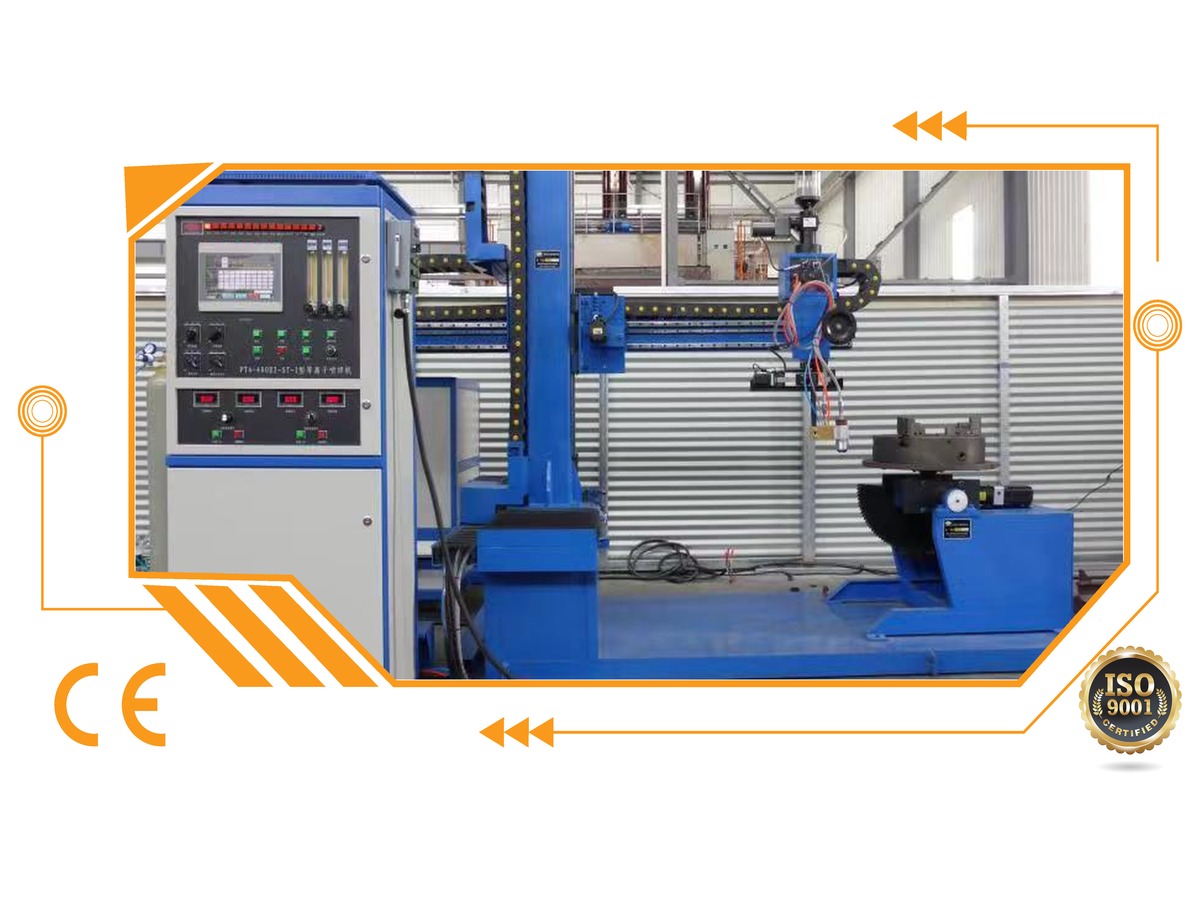
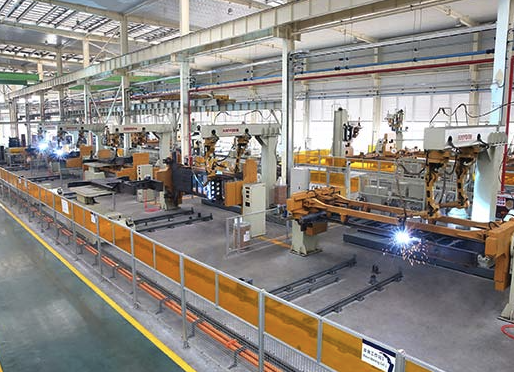
*An example of a B2B welding positioner tailored for foreign trade applications, showcasing its adaptability and precision.*
—
## Conclusion: Embracing Welding Positioners for B2B and Global Foreign Trade Success
In conclusion, welding positioners are a cornerstone of modern B2B manufacturing and a vital asset for companies engaged in foreign trade. Their ability to enhance precision, reduce costs, and meet global quality standards makes them an indispensable tool for industries striving for operational excellence. As the demand for efficient, automated solutions continues to grow, welding positioners will remain a key enabler for B2B clients aiming to expand their footprint in international markets.
For businesses looking to stay ahead in the competitive B2B and foreign trade landscape, investing in high-quality welding positioners is not just an option—it’s a strategic imperative. By leveraging this technology, companies can unlock new opportunities, deliver superior products, and achieve long-term success in a globalized economy.

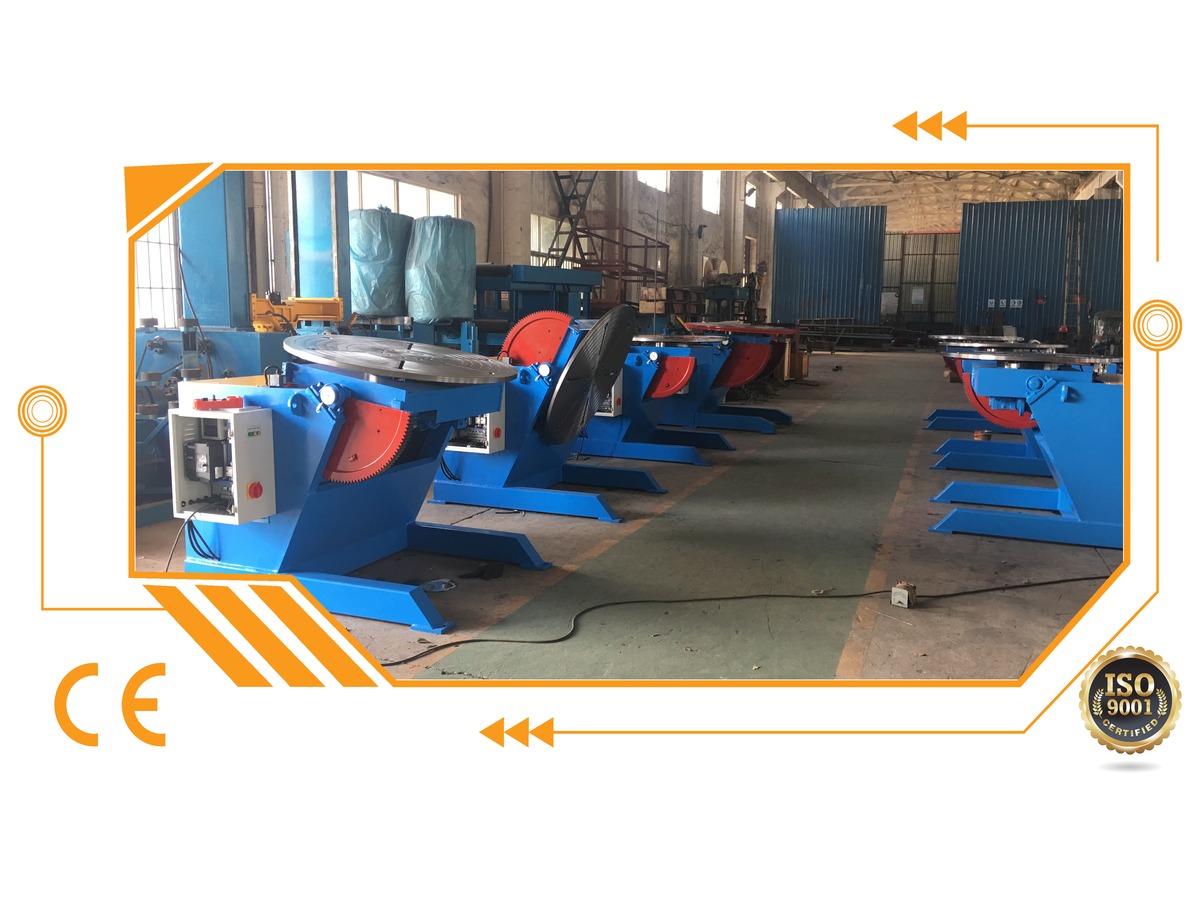
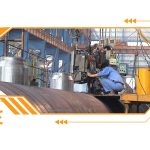
*A welding positioner in a foreign trade setting, highlighting its role in supporting international B2B operations.*