BIQEE: Embodied AI for Smart Welding

Live News

28.3°C
  • California
May 9, 2026
Follow Us:
BIQEE: Embodied AI for Smart WeldingBlogSmart Welding TechnologyWhat Is Embodied AI and Why It Matters for Industrial Welding

What Is Embodied AI and Why It Matters for Industrial Welding

Defining Embodied AI

Embodied AI refers to intelligent systems that interact with their physical environment through sensors and actuators. Unlike conventional AI that processes data in isolation, embodied AI combines:

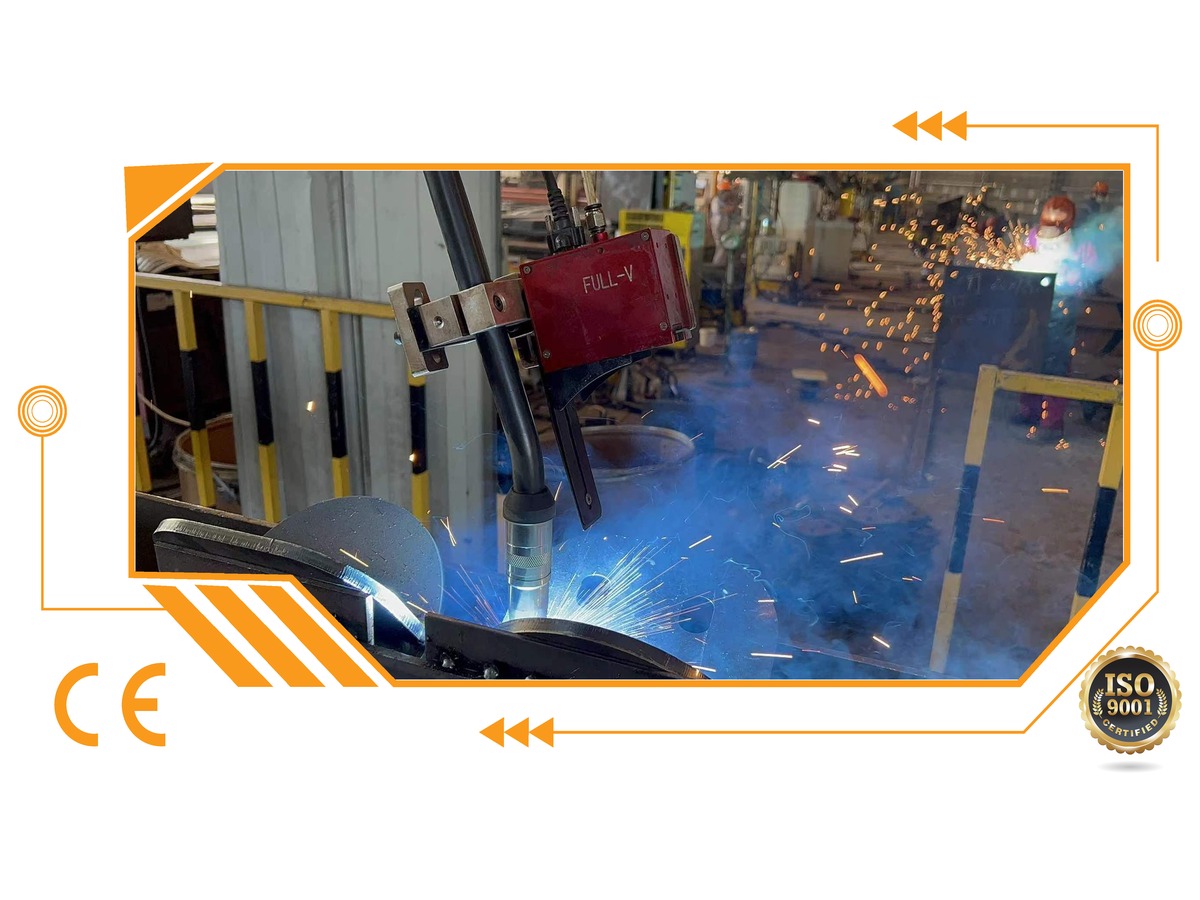
What Is Embodied AI and Why It - Industry Application
  • Perception: Real-time sensing through vision, force, and thermal sensors
  • Cognition: On-board decision-making using neural networks and knowledge graphs
  • Action: Physical execution through robotic arms, positioners, and manipulators

This triad enables machines that don’t just follow pre-programmed paths — they adapt to changing conditions in real time.

Why Welding Needs Embodied Intelligence

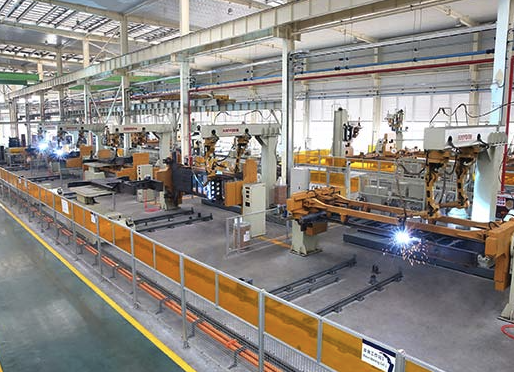
Traditional automated welding relies on teach-and-repeat programming. An operator manually guides a robot through a weld path, and the machine replays it indefinitely. This works — until anything changes:

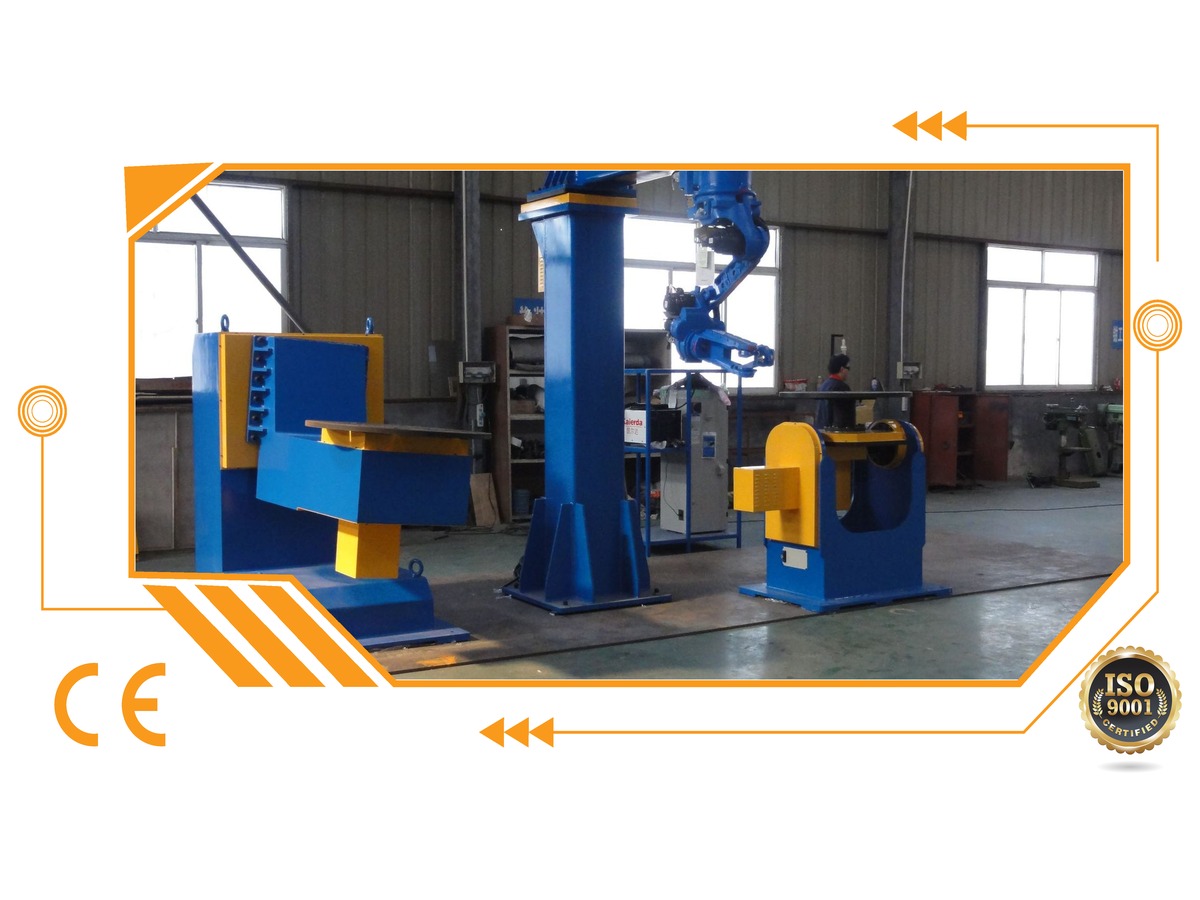
What Is Embodied AI and Why It - Desan Electric Equipment
  • Workpiece geometry varies from batch to batch
  • Thermal distortion shifts joint positions mid-weld
  • Material inconsistencies require real-time parameter adjustment

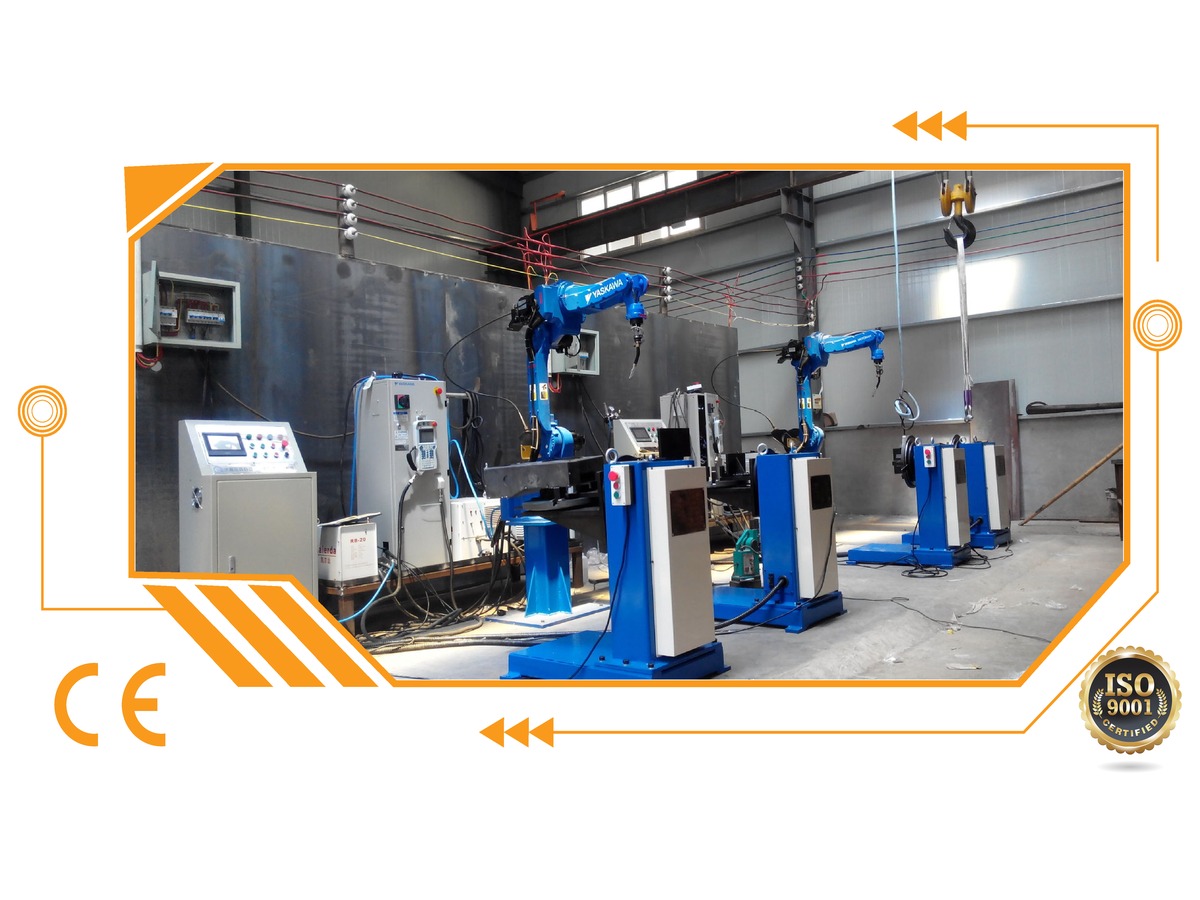
Embodied AI addresses every one of these limitations. A welding robot equipped with embodied intelligence can:

  1. See the weld seam through laser vision or stereo cameras
  2. Understand the joint type and material from visual and sensor data
  3. Plan the optimal path and parameters on the fly
  4. Execute the weld while continuously monitoring quality
  5. Adapt if conditions change during the process

The BIQEE Approach

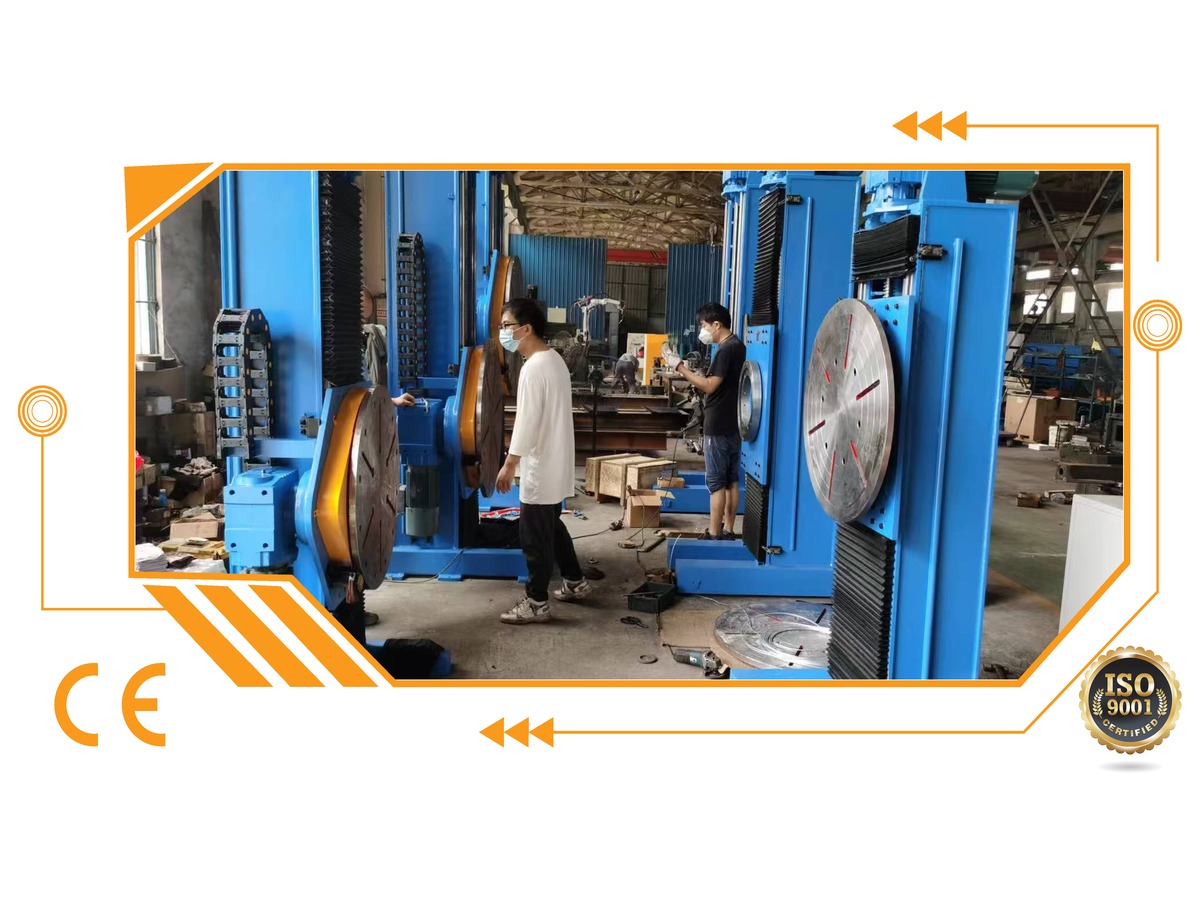
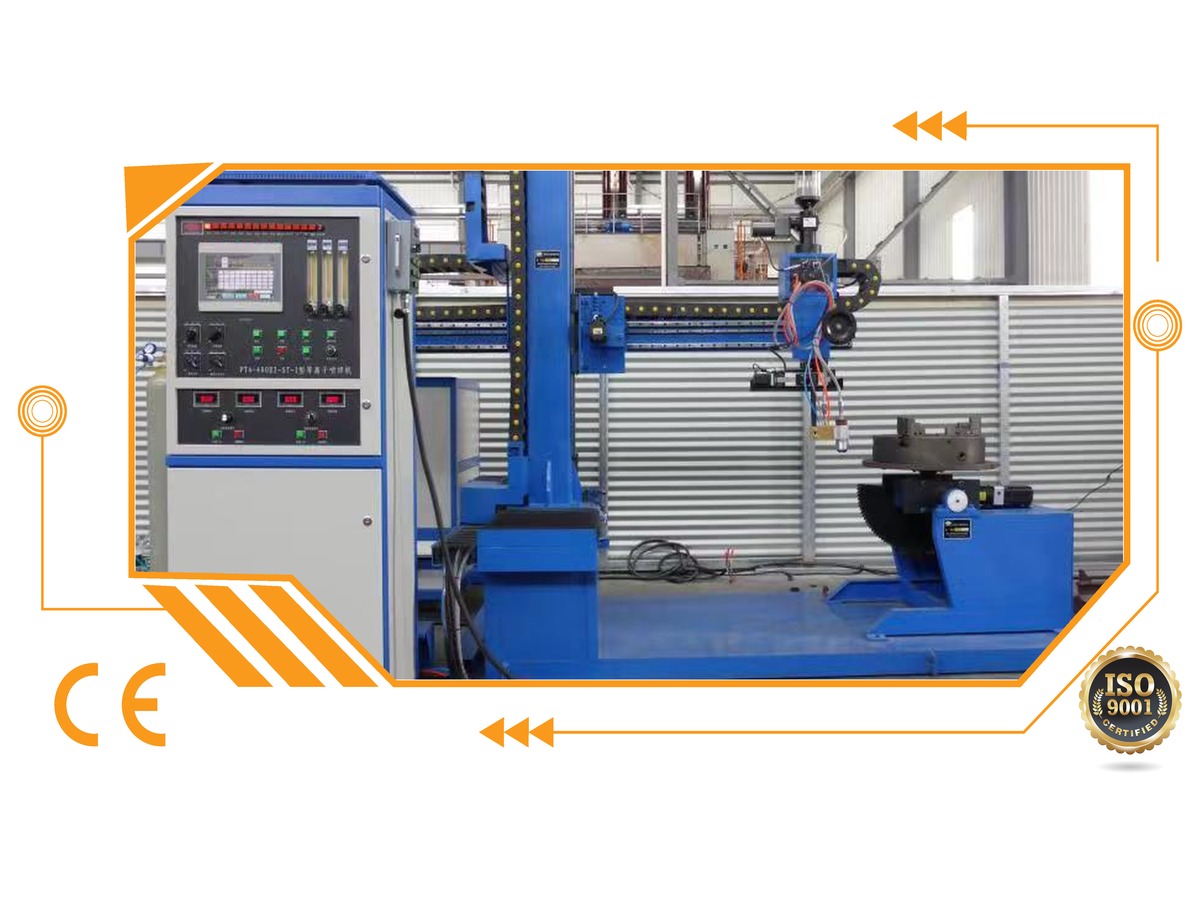
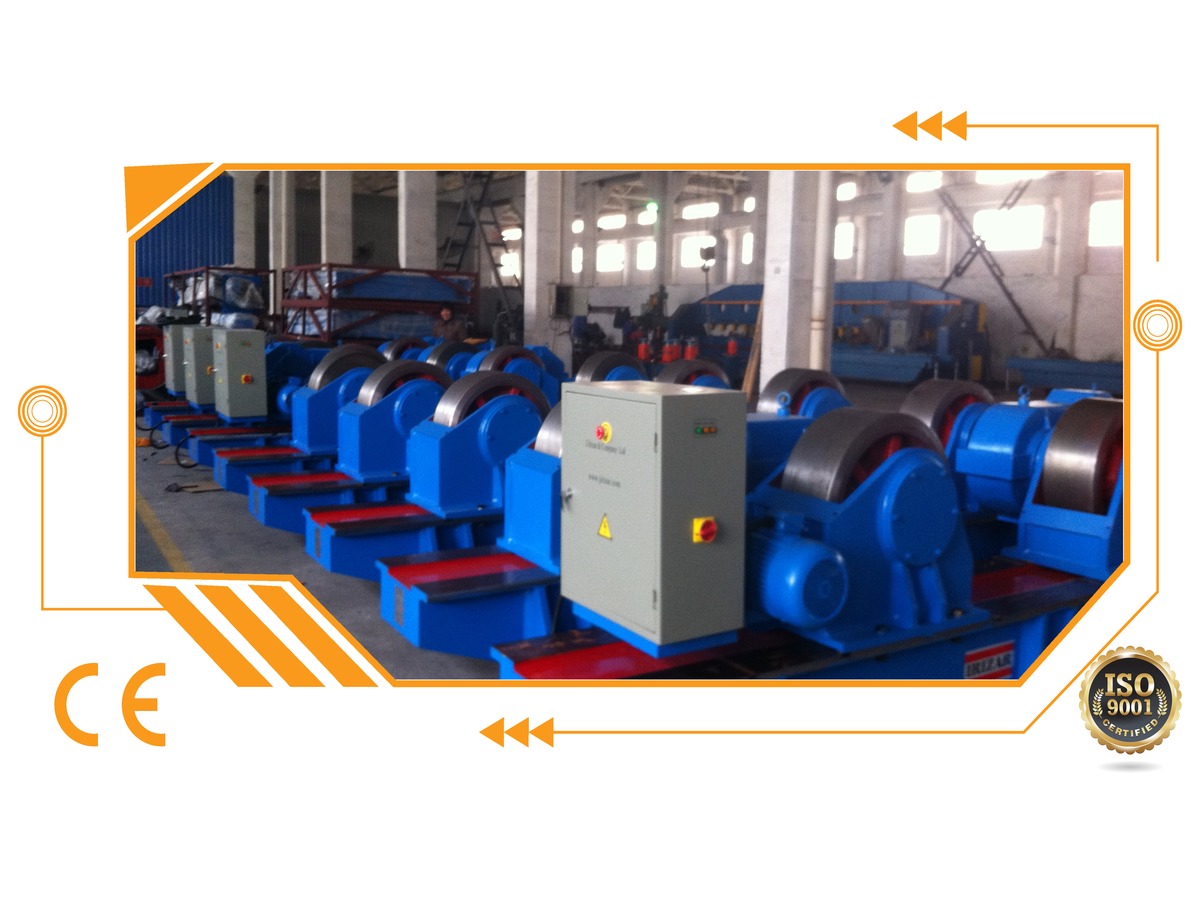
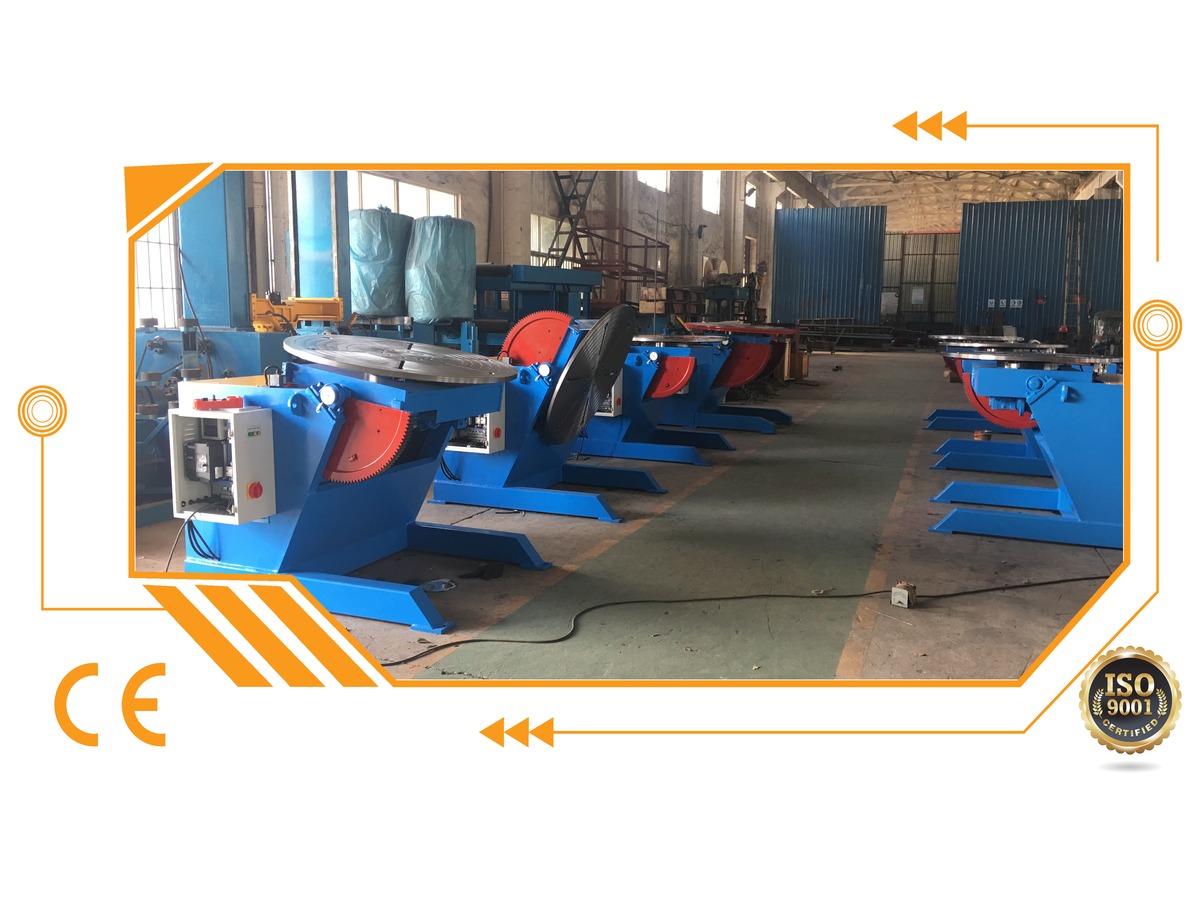
At BIQEE, we integrate embodied AI principles into every component of our smart welding ecosystem. Our intelligent positioners, turning rolls, and manipulators don’t just hold and rotate workpieces — they communicate with welding controllers, share sensor data, and coordinate motions to achieve optimal weld quality.

The result is a welding system that thinks, not just repeats.

Looking Ahead

The global embodied AI industrial robot market is projected to exceed 50,000 unit shipments in 2026, according to IDC data. As standards like China’s HEIS 2026 framework establish technical specifications for humanoid and embodied robots, the industrial welding sector stands to benefit enormously from this intelligence revolution.

The question is no longer whether embodied AI will transform welding — it’s how quickly your operation will adopt it.

Leave a Comment

Your email address will not be published. Required fields are marked *

Related Post