Zero Tolerance for Defects
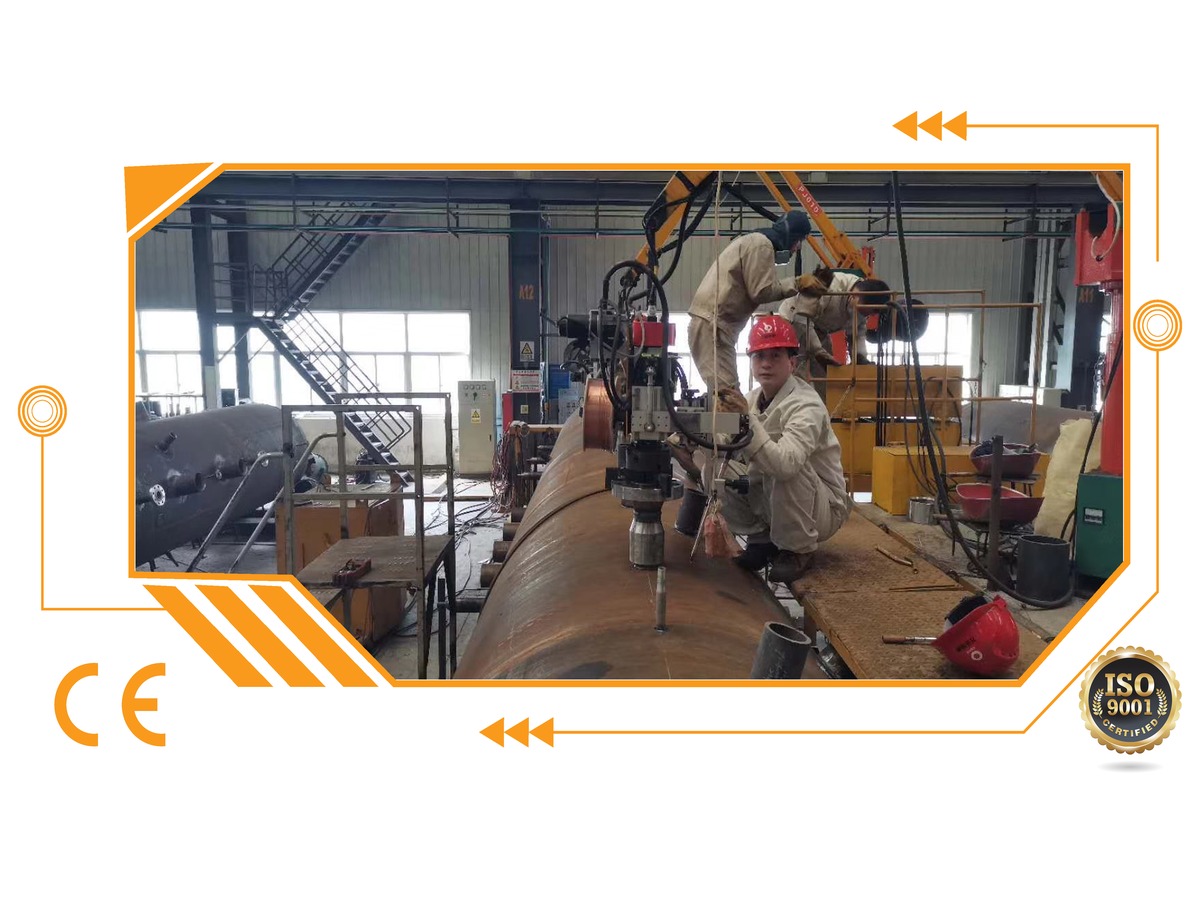
Pressure vessels and boilers operate under extreme conditions — high temperatures, high pressures, and often corrosive environments. A single defective weld can lead to catastrophic failure, endangering lives and causing millions in damage. This is why pressure vessel welding is governed by some of the strictest codes in manufacturing: ASME Section VIII, EN 13445, PD 5500, and others.


Key Welding Challenges
- Multi-pass welding: Thick-wall vessels require 20-50+ passes per joint, each with precise interpass temperature control
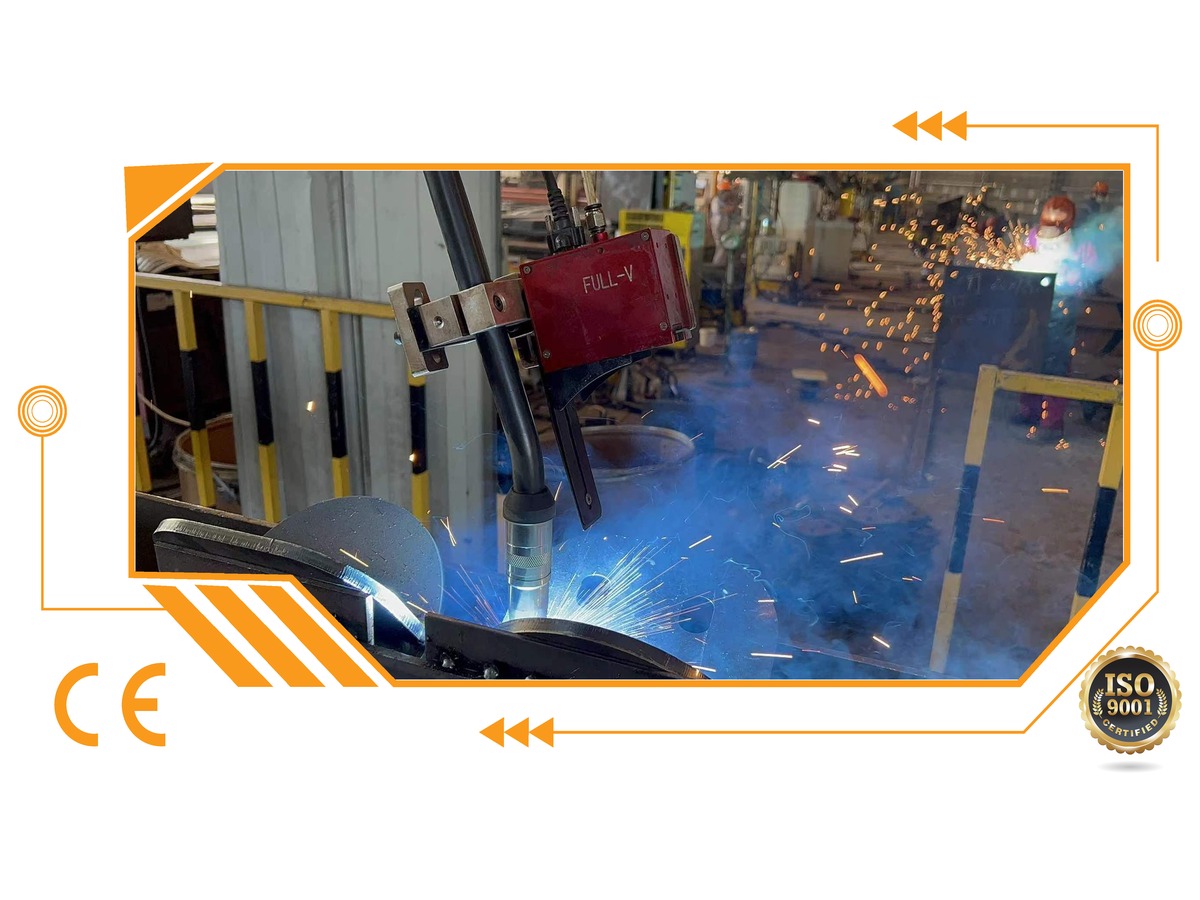
- Narrow groove geometries: To minimize weld metal volume and distortion, narrow-gap welding techniques are used, demanding exceptional torch access and positioning accuracy
- Material diversity: Carbon steel, stainless steel, Cr-Mo alloys, nickel alloys — each with different welding behavior and heat input requirements
- 100% NDT requirements: Radiographic or ultrasonic testing of all longitudinal and circumferential seams
- Documentation: Complete traceability of materials, welders, procedures, and inspection results for every vessel
Smart Positioning for Vessel Welding
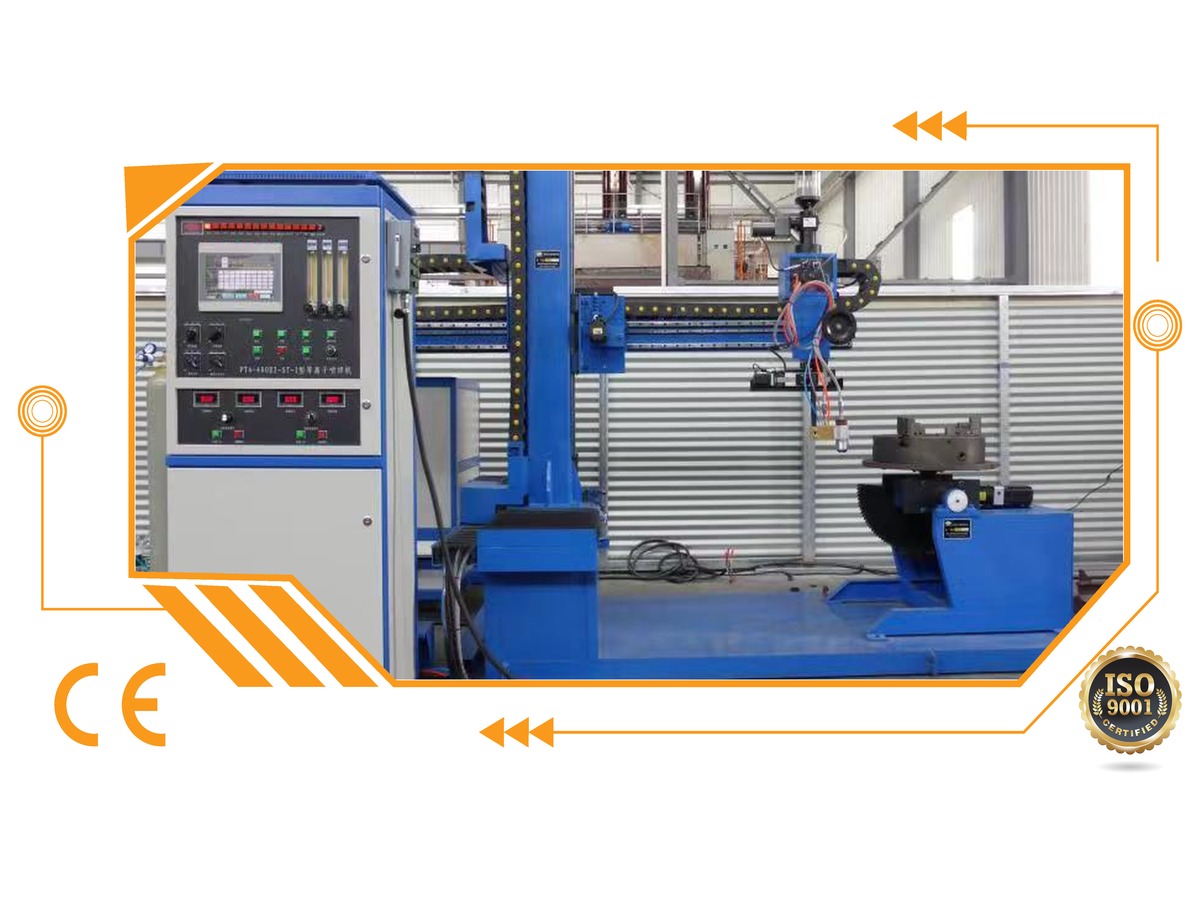
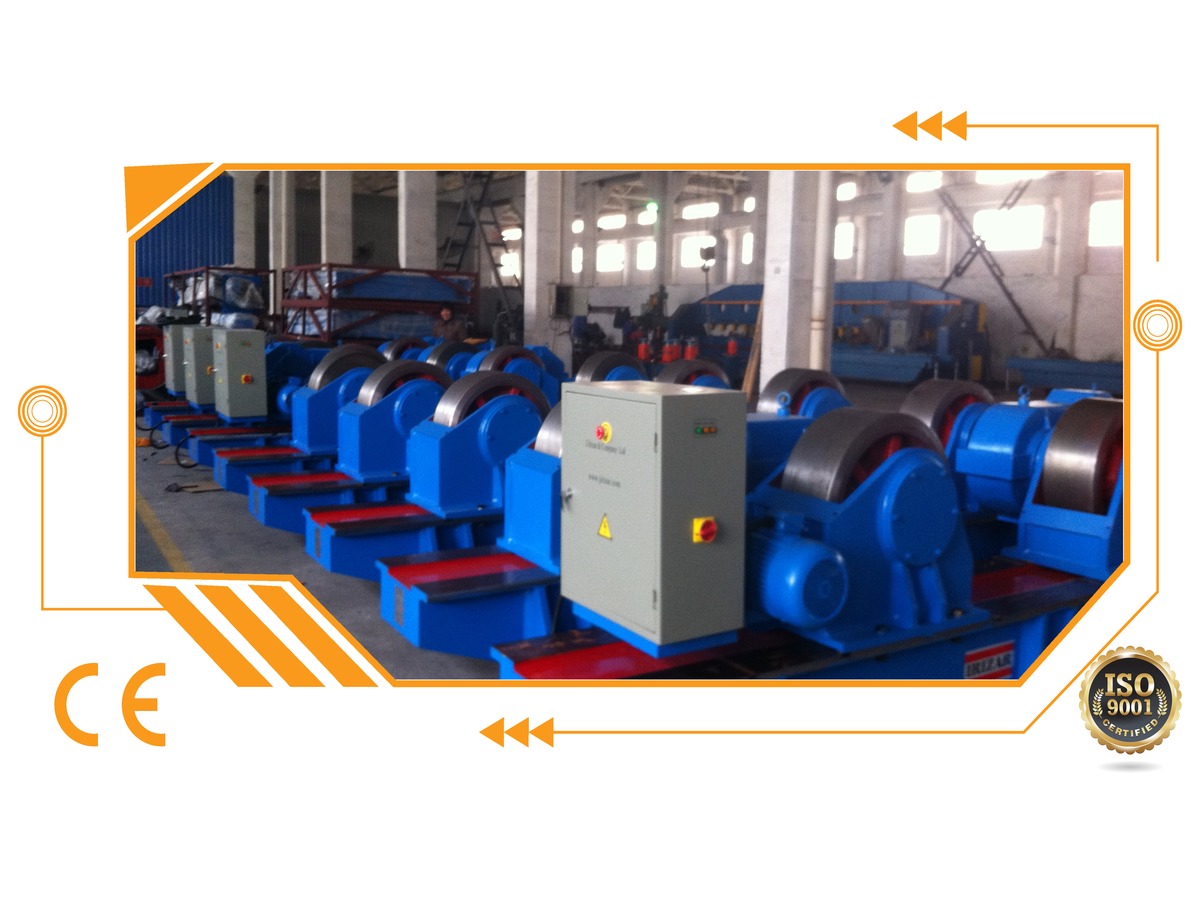
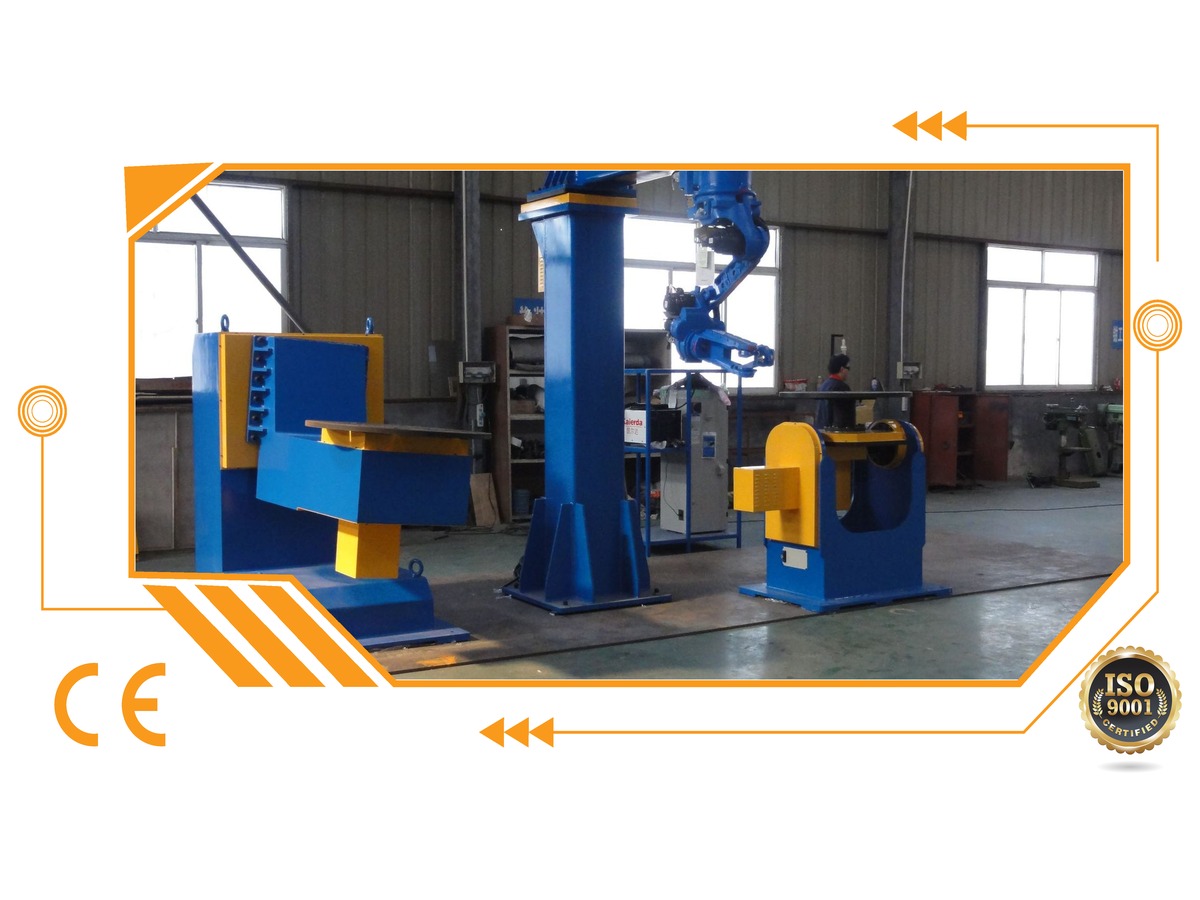
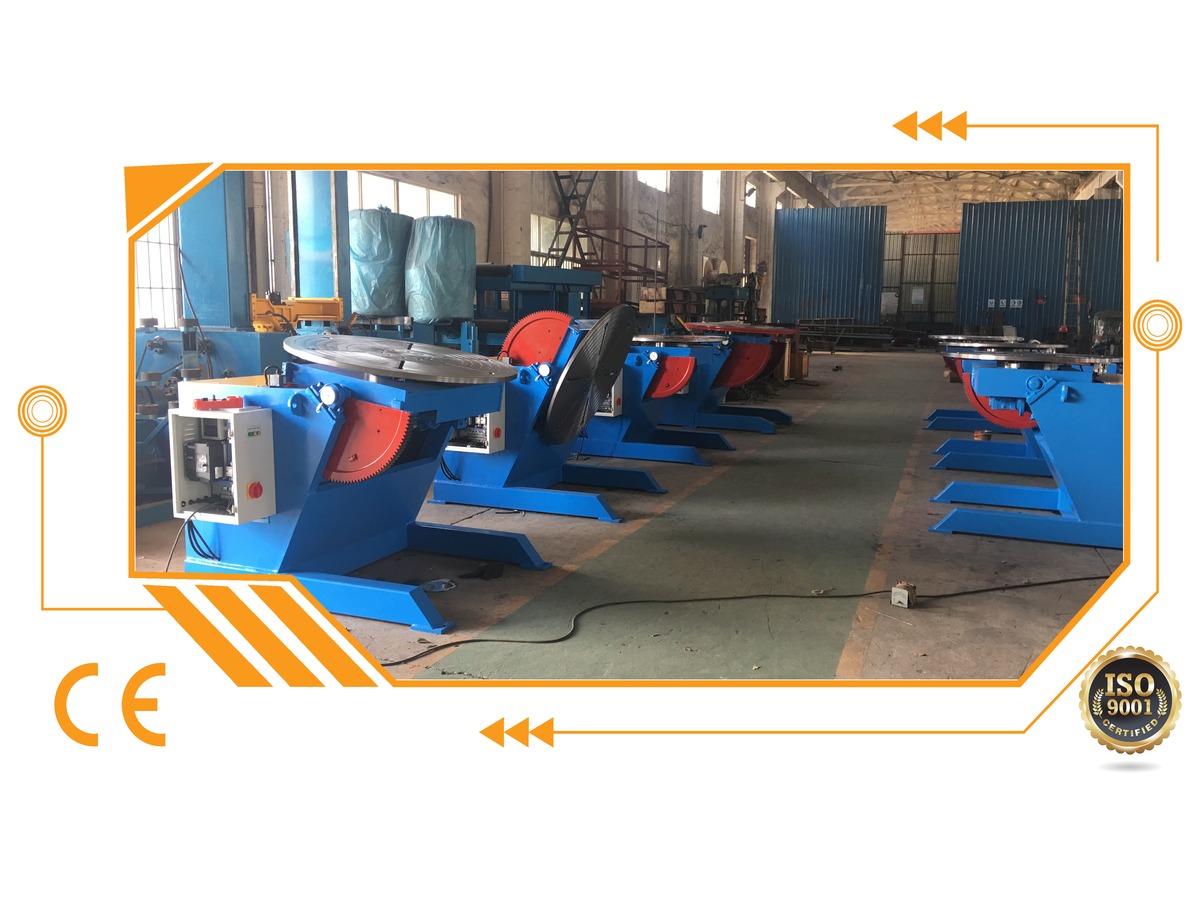
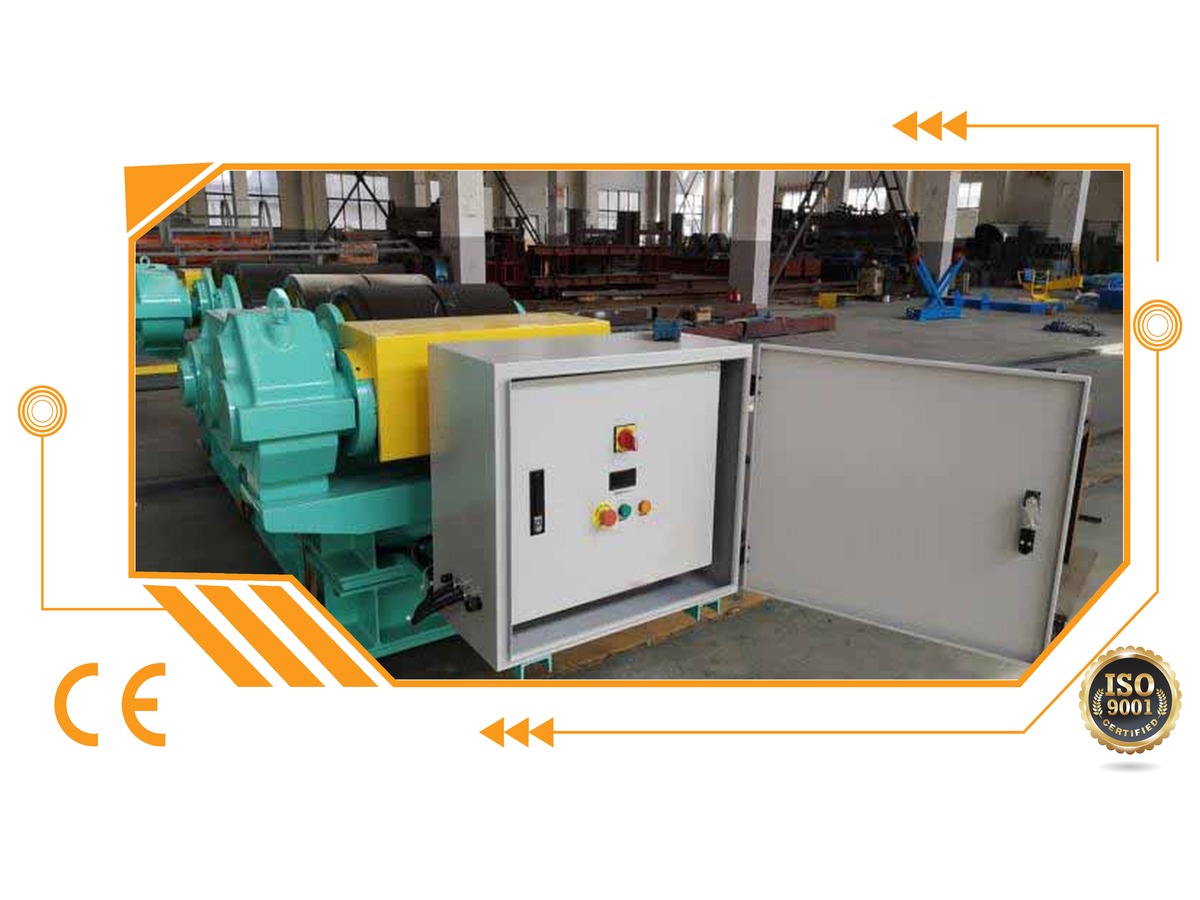
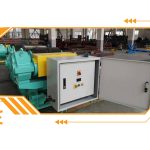
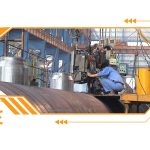
The geometry of pressure vessels — long cylindrical shells with hemispherical or torispherical heads — makes rotational positioning essential. BIQEE’s turning rolls and positioners are engineered specifically for this application:
- Precise rotation control: Variable frequency drives maintain rotation speed within ±1% for consistent circumferential welding
- Anti-drift technology: Automatic axial correction prevents the vessel from drifting sideways during rotation, maintaining the weld seam at the torch position
- Heavy-duty capacity: Custom roll bed configurations support vessels weighing up to 200 tons
- Tilt positioning: Head welding positions the vessel at the optimal angle for nozzle and head joints
Intelligent Process Control
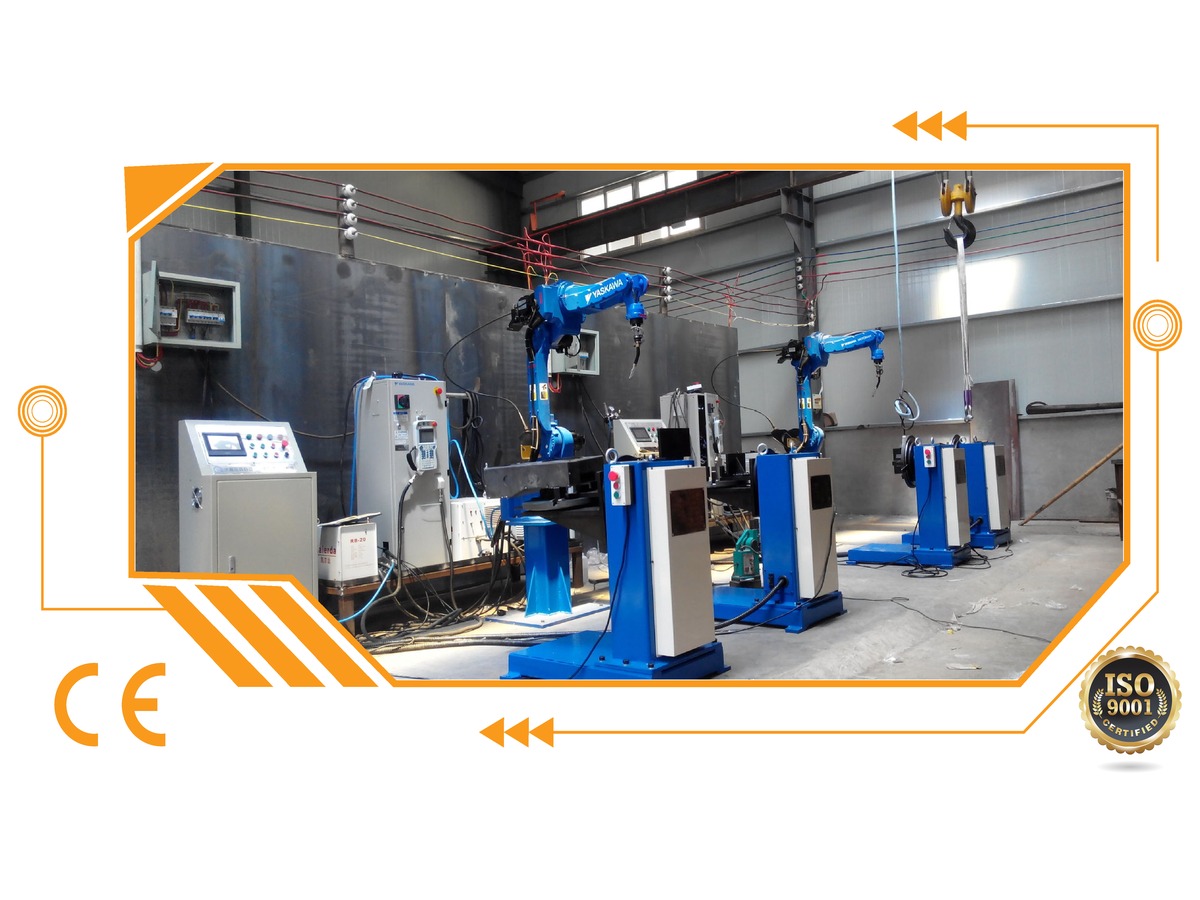
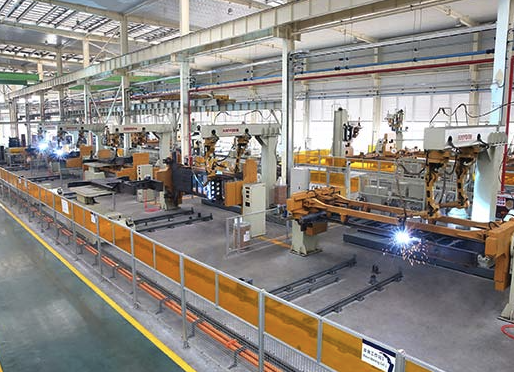
For multi-pass welding on critical vessels, intelligent process control provides:
- Interpass temperature monitoring: Thermal sensors track workpiece temperature and pause welding if interpass limits are exceeded
- Pass-to-pass parameter adjustment: AI models adjust parameters for each pass based on groove fill progress and measured joint geometry
- Automatic layer documentation: Every pass is recorded with its parameters, creating a complete digital weld map
The Economics of Quality
In pressure vessel fabrication, the cost of a weld defect extends far beyond rework. A radiographic rejection means:
- Gouging out the defective area
- Re-welding with a repair procedure
- Re-radiography to verify the repair
- Potential code-mandated restrictions on the number of repairs
- Project schedule delays
Smart welding systems that prevent defects in the first place — through adaptive control, precise positioning, and real-time monitoring — deliver ROI that goes far beyond labor savings. They protect your reputation, your schedule, and your customers’ safety.