Welding at Automotive Scale
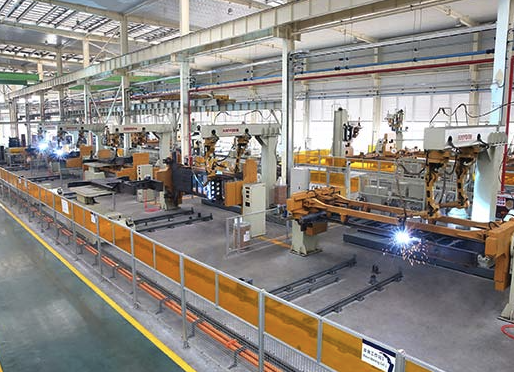
The automotive industry is the largest consumer of welding automation globally. A typical vehicle body contains 3,000-5,000 spot welds and hundreds of MIG welds. At production rates of one vehicle per minute, welding systems must be fast, reliable, and flexible enough to handle multiple vehicle models on the same line.

The Shift Toward Electric Vehicles
The EV revolution is reshaping automotive welding requirements:

- New materials: Aluminum and advanced high-strength steels replace mild steel, requiring different welding parameters and techniques
- Battery enclosure welding: Large aluminum battery trays require precision MIG and laser welding with strict quality requirements for crash safety and waterproofing
- Fewer spot welds, more arc welds: EV architectures use more structural adhesives and continuous welds, changing the welding mix
- Lightweighting demands: Thinner materials and mixed-material joints push welding technology to its limits
Smart Welding in Automotive Plants
Adaptive Welding for Mixed-Material Joints
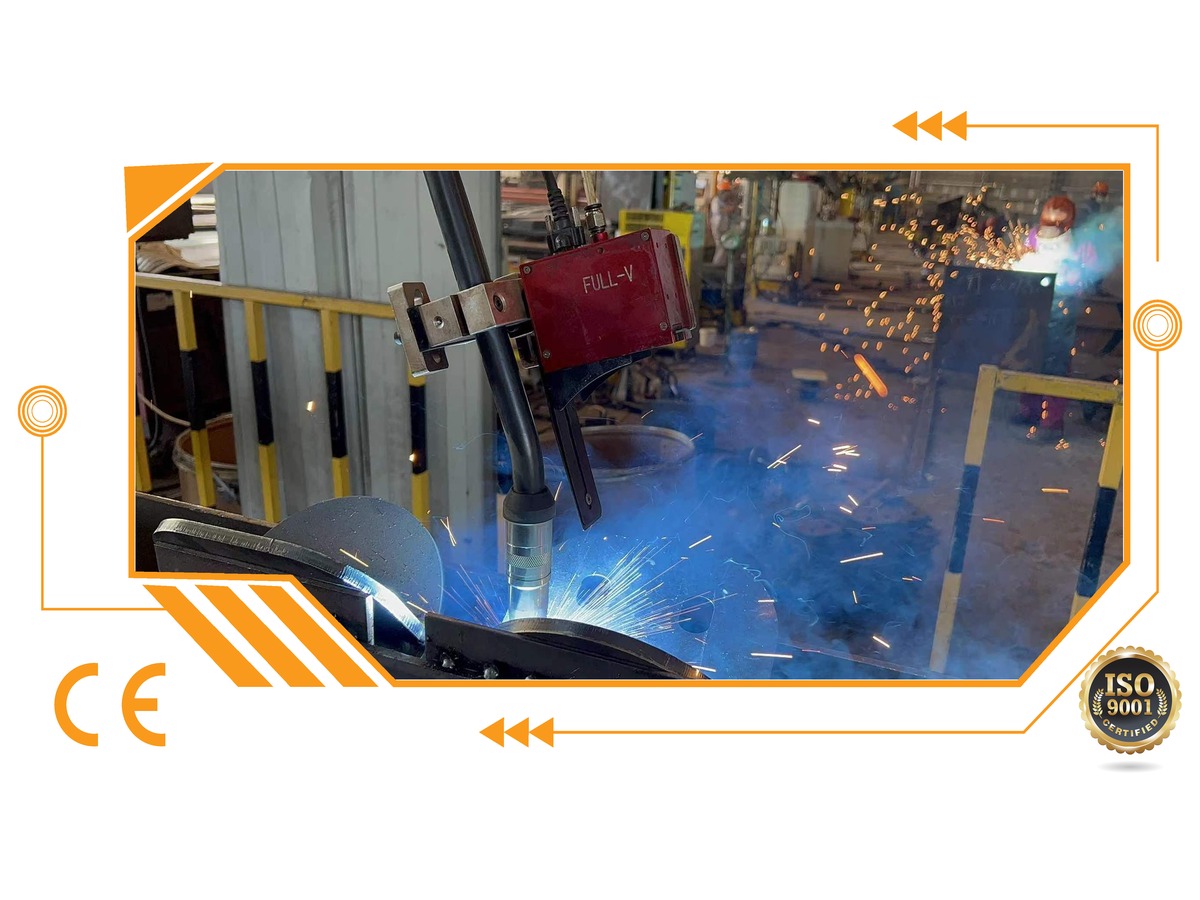
When welding aluminum to steel (via transition joints) or joining different thicknesses of high-strength steel, adaptive parameter control is essential. AI models adjust heat input in real time to prevent burn-through on thin sections while ensuring penetration on thicker members.
Quality Verification at Line Speed
In automotive production, there’s no time for offline inspection of every weld. Smart welding systems verify quality in-process through arc monitoring, thermal imaging, and force sensing. Deviations trigger immediate alerts, and serial number tracking links every weld to a specific vehicle.
Flexible Positioning for Complex Assemblies
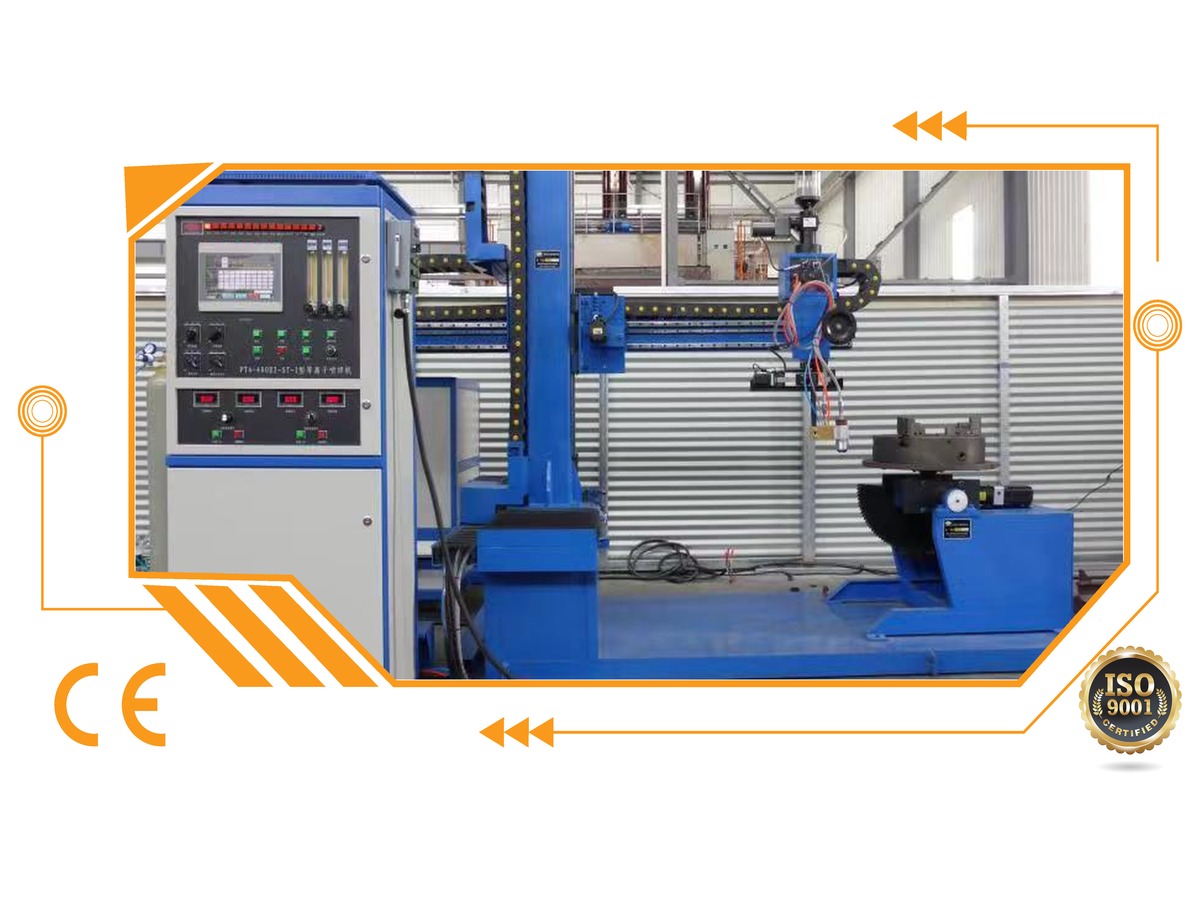
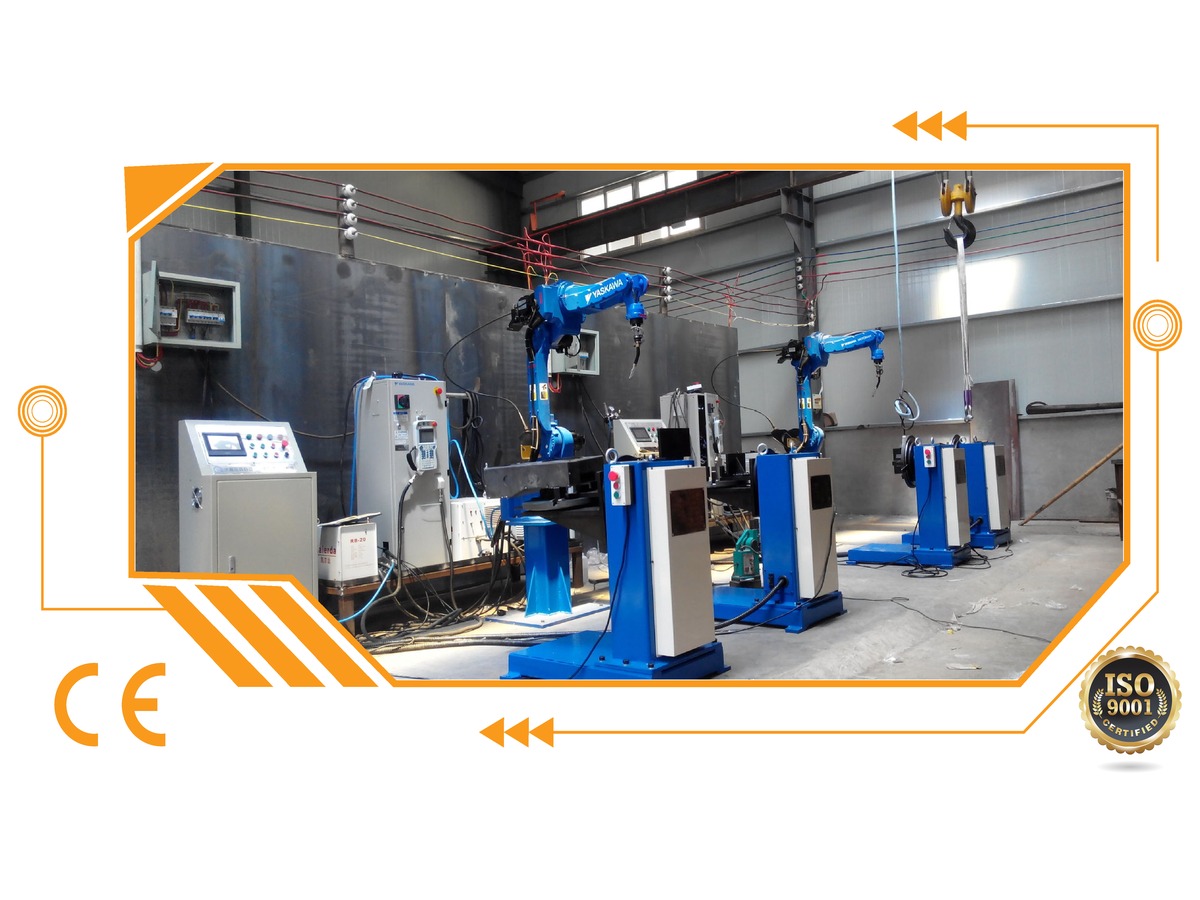
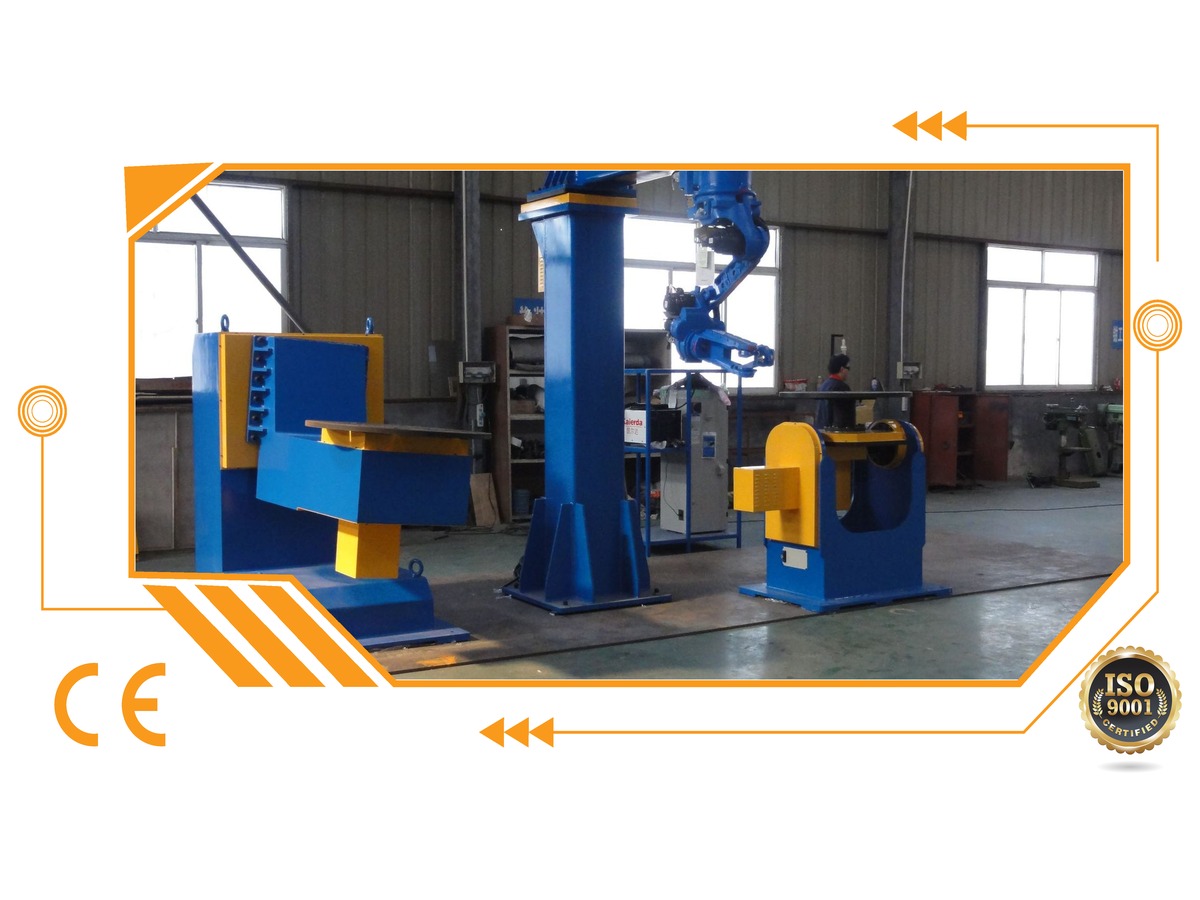
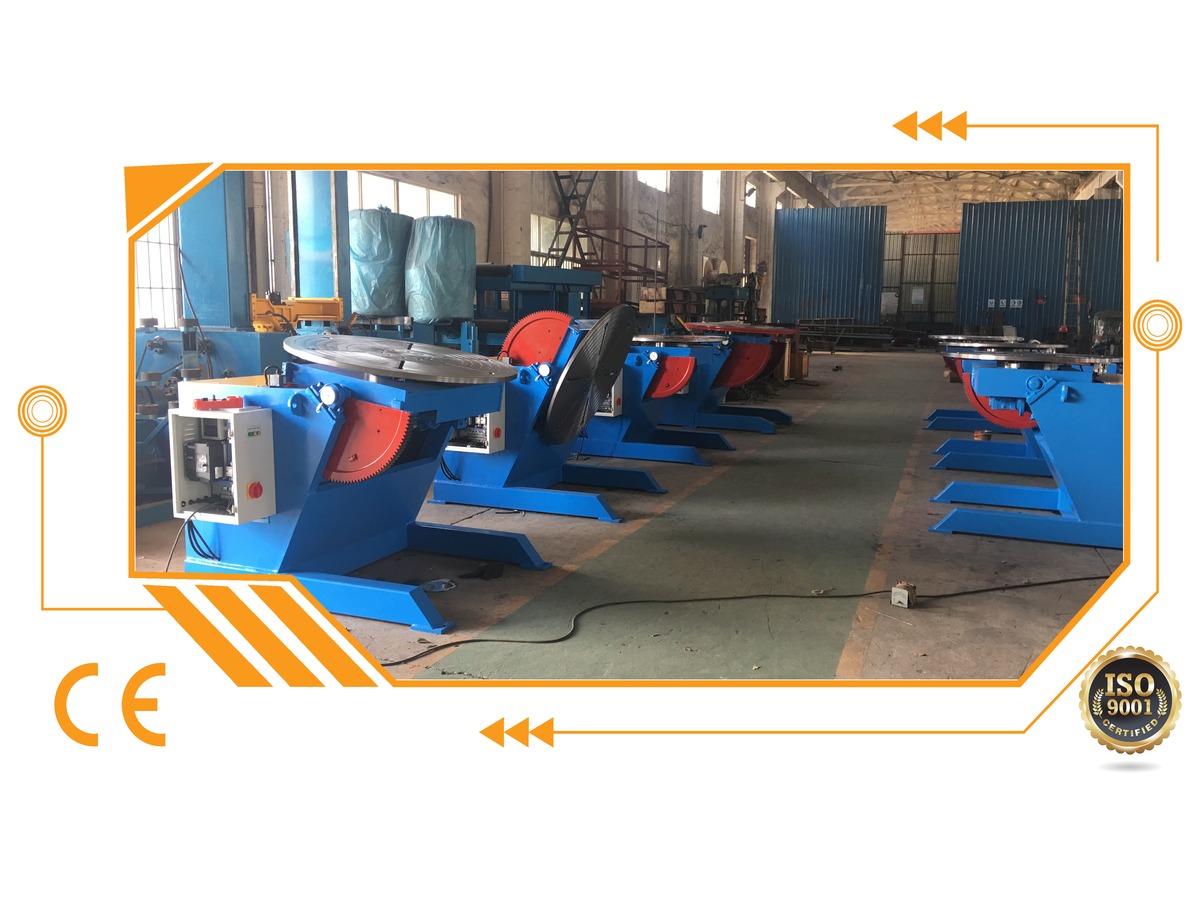
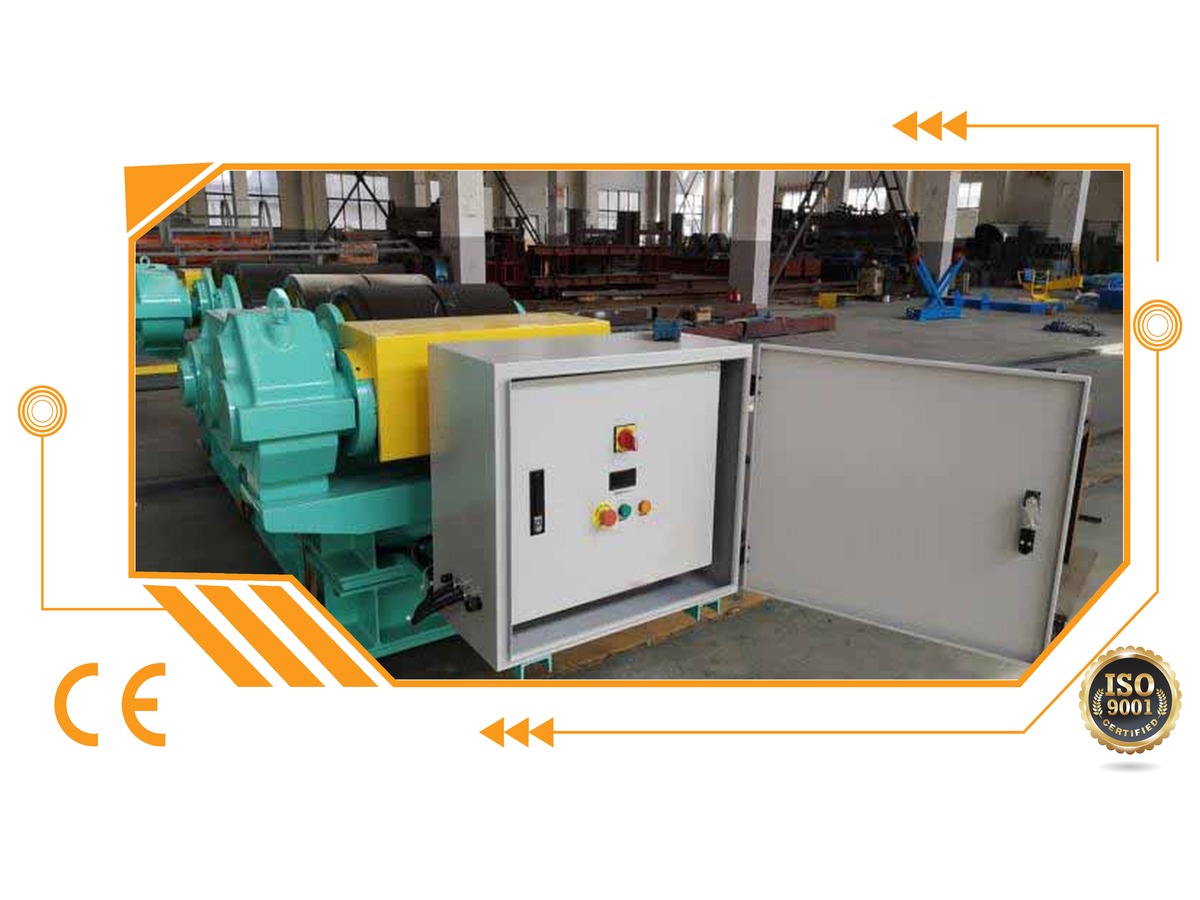
BIQEE’s compact positioners integrate into automotive welding cells, enabling sub-assemblies like suspension components and exhaust systems to be presented in the optimal welding position. Quick-change fixtures and programmable positioning reduce changeover time between vehicle models.
Industry 5.0 and the Embodied Intelligence Transition
As automotive manufacturing moves toward the Industry 5.0 paradigm, the transition from rigid automation to embodied intelligence is accelerating. Research published in Frontiers in Neurorobotics (2026) describes how traditional rigid automation is giving way to embodied intelligence systems that can:
- Adapt to new vehicle models with minimal reprogramming
- Collaborate with human workers in mixed assembly lines
- Self-optimize welding parameters based on real-time quality feedback
- Learn from production data to continuously improve
The Competitive Edge
For automotive manufacturers, the competitive advantage lies not just in welding faster, but in welding smarter. Every defect caught in-process saves the cost of downstream repair. Every parameter optimization reduces material waste. And every minute of reduced changeover time translates directly to throughput. Smart welding isn’t an option in automotive — it’s a necessity.