Welding at the Heart of Energy Infrastructure
Pipelines are the arteries of the global energy system, transporting oil, natural gas, and refined products across thousands of kilometers. Every weld in a pipeline is a potential point of failure — a leak or rupture can cause environmental damage, production losses, and safety hazards. Pipeline welding demands the highest standards of quality, traceability, and reliability.


Unique Requirements
- 100% NDT coverage: Radiographic or ultrasonic testing of every weld is standard practice
- Stringent code compliance: API 1104, ASME B31.4/B31.8, and client-specific specifications define acceptable weld profiles and defect limits
- Hostile environments: Arctic cold, desert heat, subsea conditions, and remote locations with limited access
- High productivity demands: Pipeline construction operates on tight schedules; each weld must be completed quickly without sacrificing quality
- Complete traceability: Every weld must be traceable to the welder, procedure, materials, and inspection results
Smart Solutions for Pipeline Welding
Automated Pipe Welding Systems
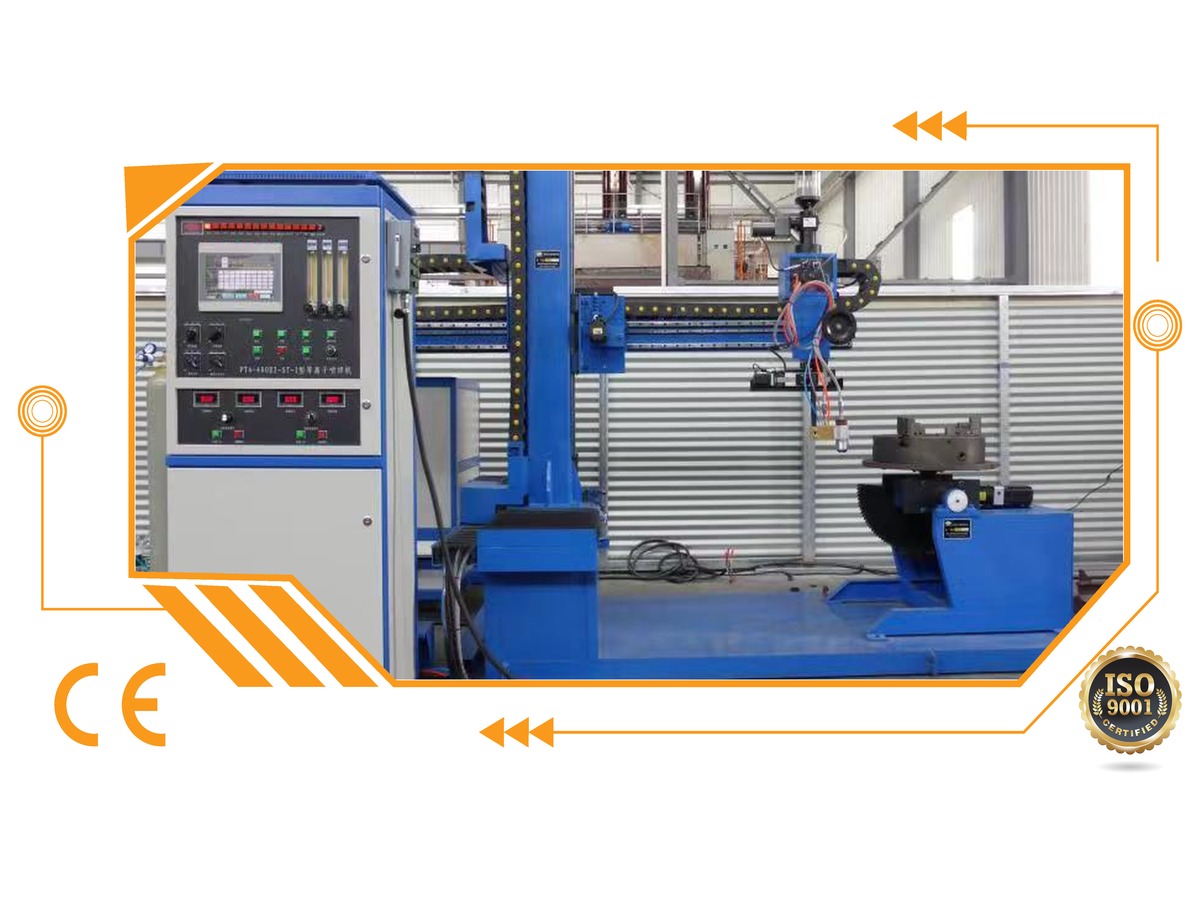
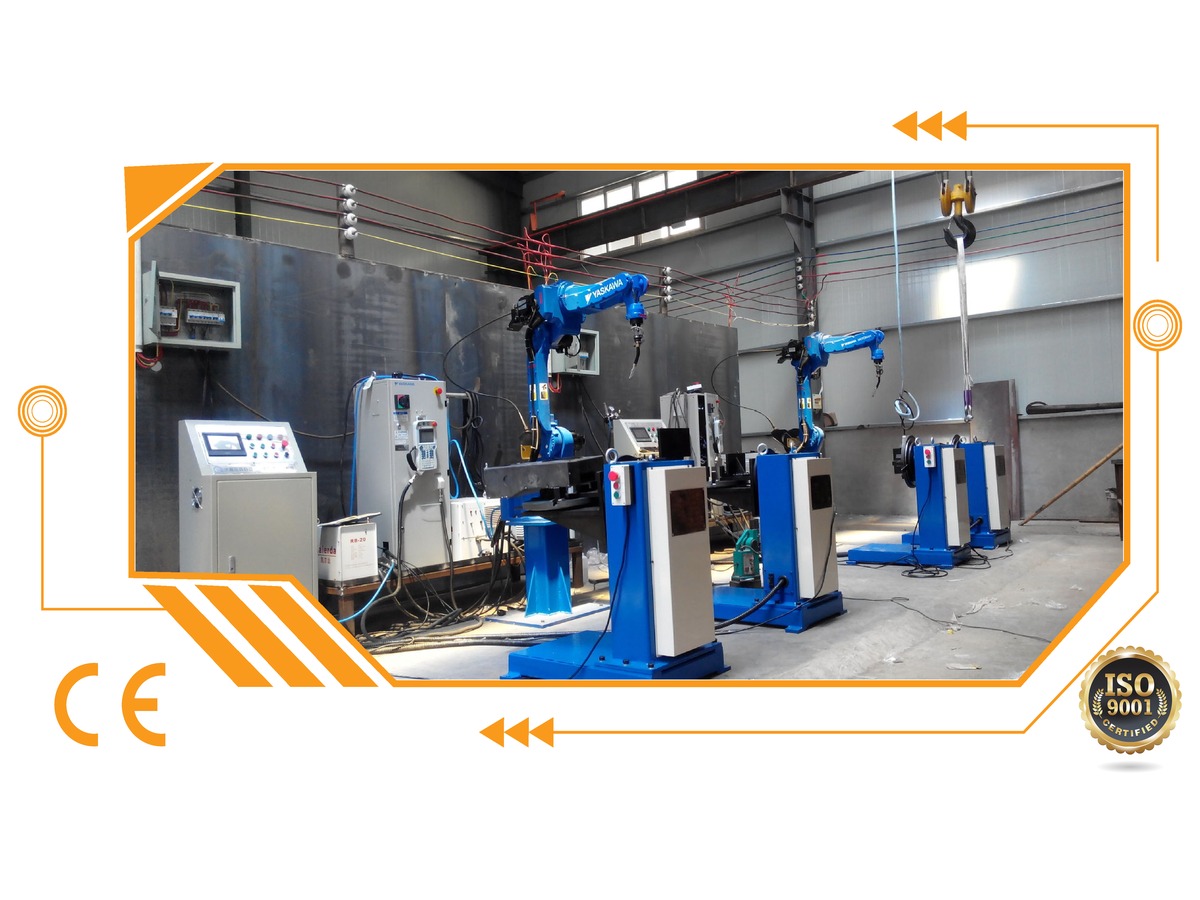
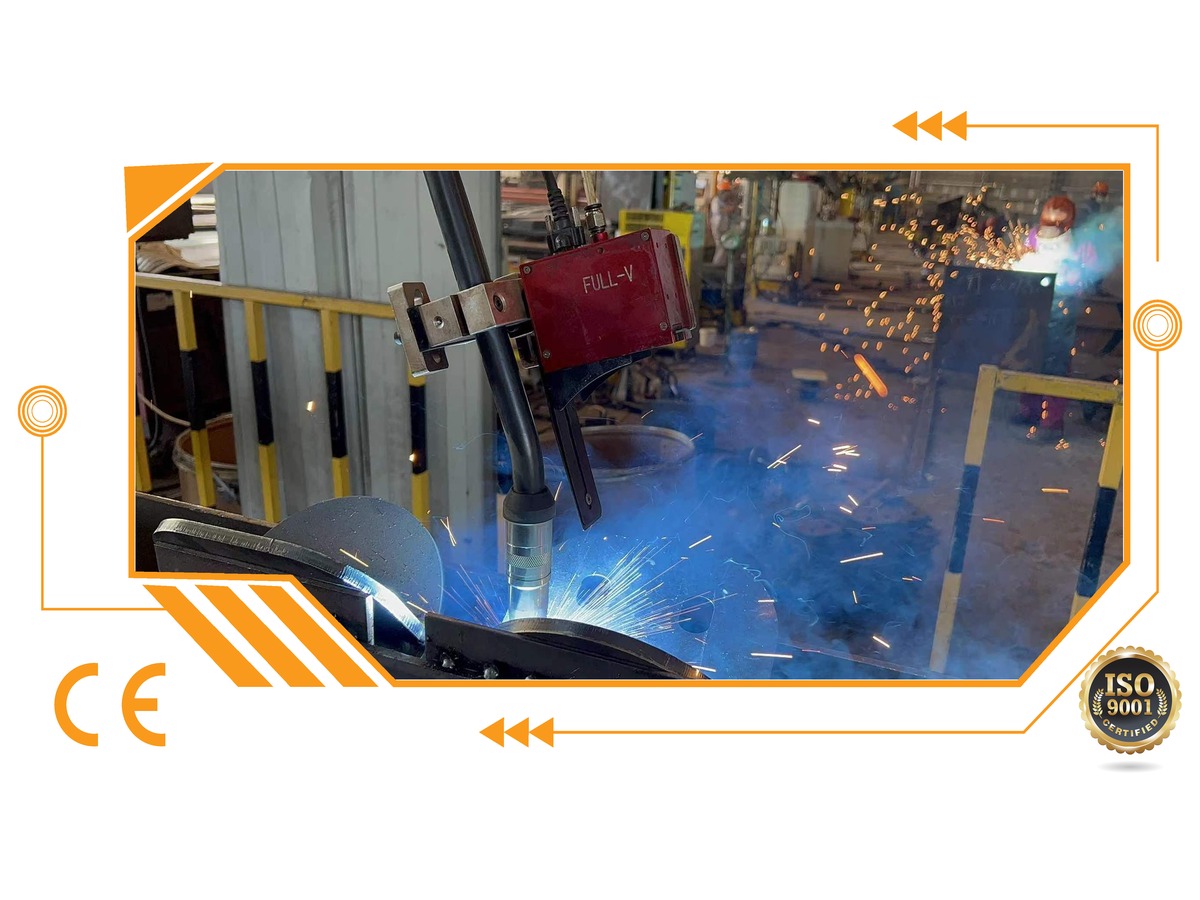
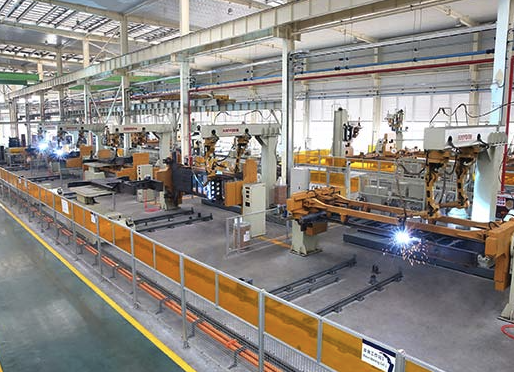
Modern pipeline welding uses automated orbital welding heads that travel around the pipe circumference, executing each pass with programmed precision. When combined with real-time seam tracking, these systems handle the ovality and fit-up variation inherent in line pipe.
Internal Clamp and Weld Stations
For large-diameter pipelines, internal welding units perform the root pass from inside the pipe while the pipe is held in alignment by an internal clamp. This ensures perfect root penetration — the most critical pass for pipeline integrity.
Turning Rolls for Rotational Welding
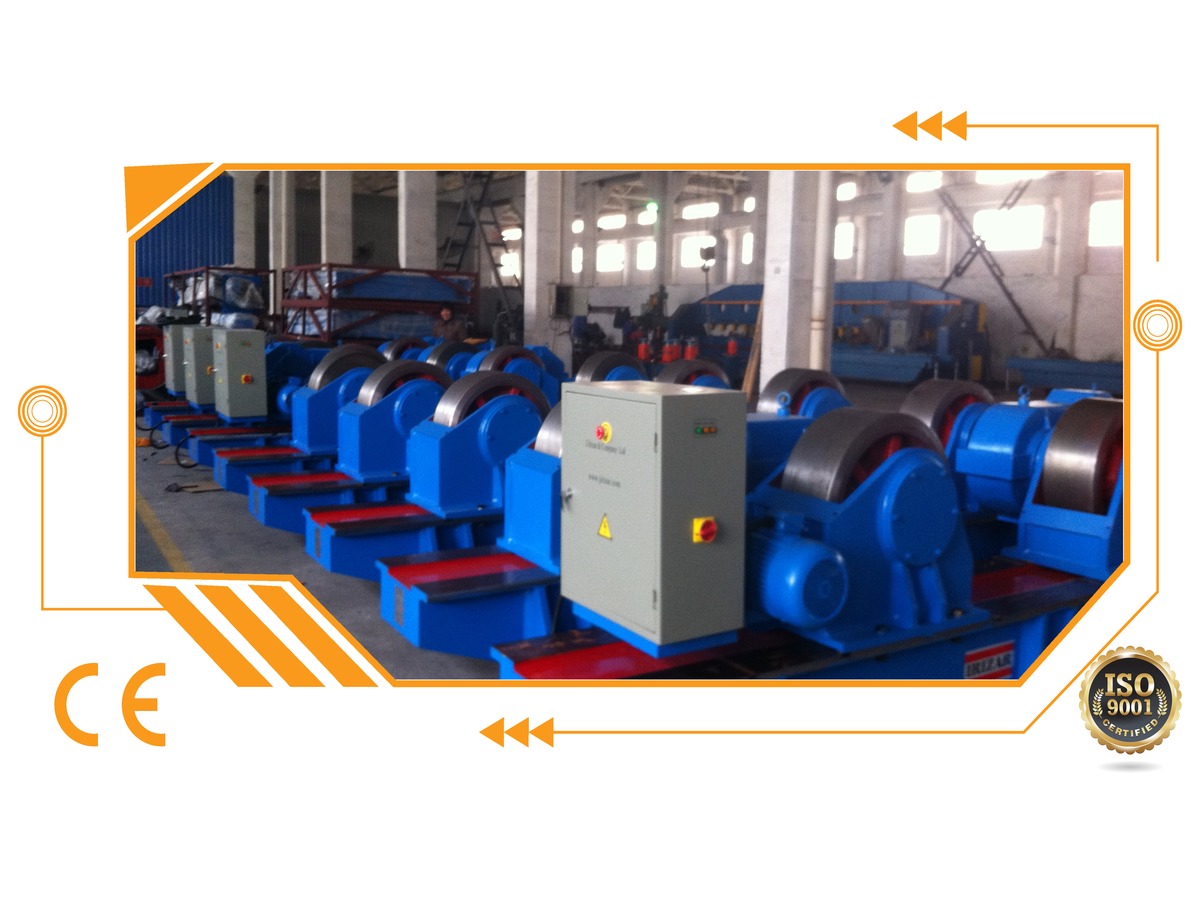
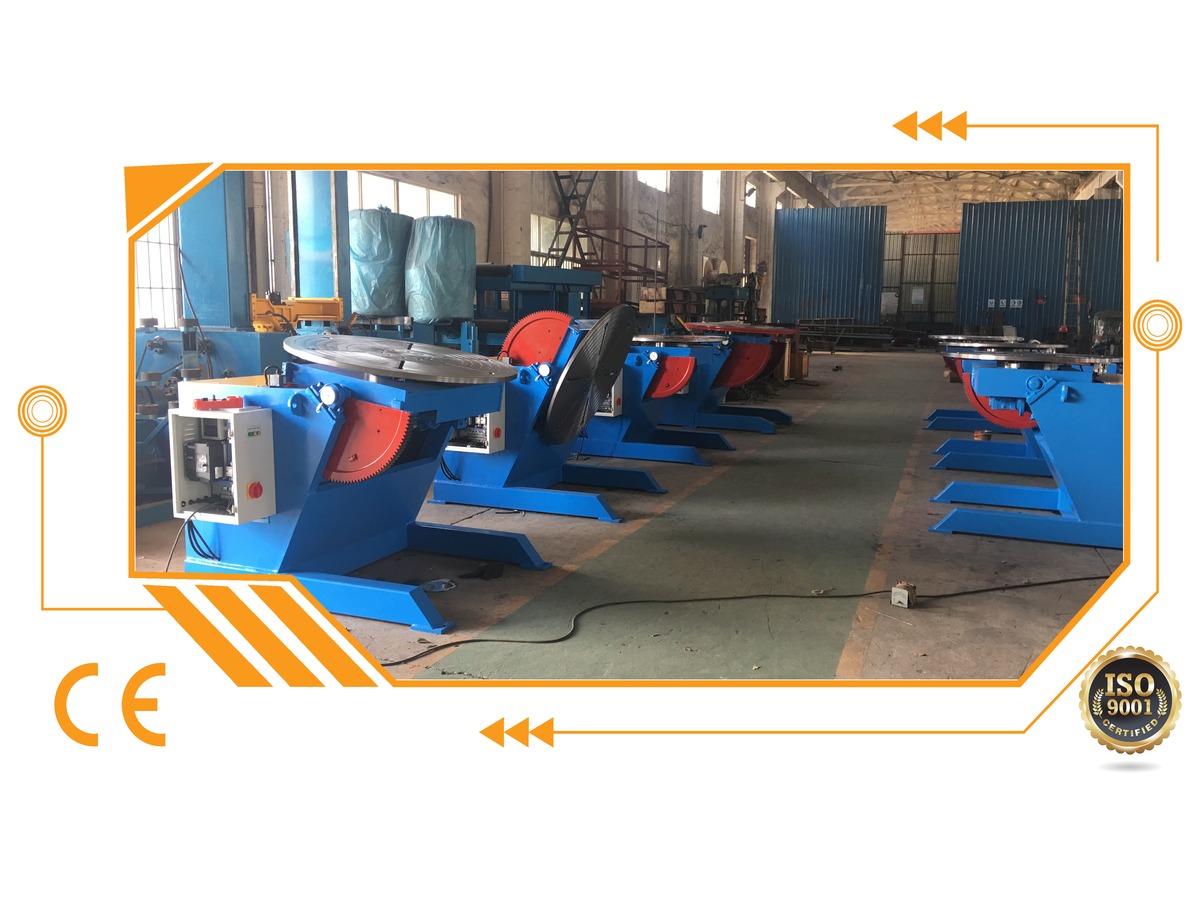
BIQEE’s smart turning rolls enable rotational welding of pipes and fittings in shop environments. The rolls support the pipe, control rotation speed precisely, and coordinate with the welding power source to maintain consistent weld parameters around the full circumference.
Quality Through Data
In pipeline welding, quality isn’t just about making good welds — it’s about proving they’re good. Smart welding systems record every parameter for every weld: voltage, current, travel speed, wire feed, and position data. This digital record provides:
- Automatic generation of weld maps and inspection reports
- Statistical evidence of procedure compliance
- Rapid root cause analysis when NDT reveals defects
- Audit-ready documentation for regulatory and client reviews
The Future: Subsea and Remote Pipeline Welding
As pipeline projects push into deeper waters and more remote territories, the need for autonomous welding capability grows. Embodied AI systems that can perform and verify welds with minimal human intervention are not science fiction — they’re in development today, and they will fundamentally change how the world builds its energy infrastructure.