BIQEE: Embodied AI for Smart Welding

Live News

28.3°C
  • California
May 9, 2026
Follow Us:
BIQEE: Embodied AI for Smart WeldingBlogWeld NewsShipbuilding and Marine: How Smart Welding Is Transforming Vessel Construction

Shipbuilding and Marine: How Smart Welding Is Transforming Vessel Construction

The Scale of Shipbuilding Welding

Shipbuilding is one of the most welding-intensive industries on earth. A single large vessel contains hundreds of kilometers of weld joints — fillet welds for stiffeners, butt welds for shell plates, and complex node joints at structural intersections. The quality requirements are stringent: every critical weld must pass non-destructive testing, and defects in hull welds can have catastrophic consequences.

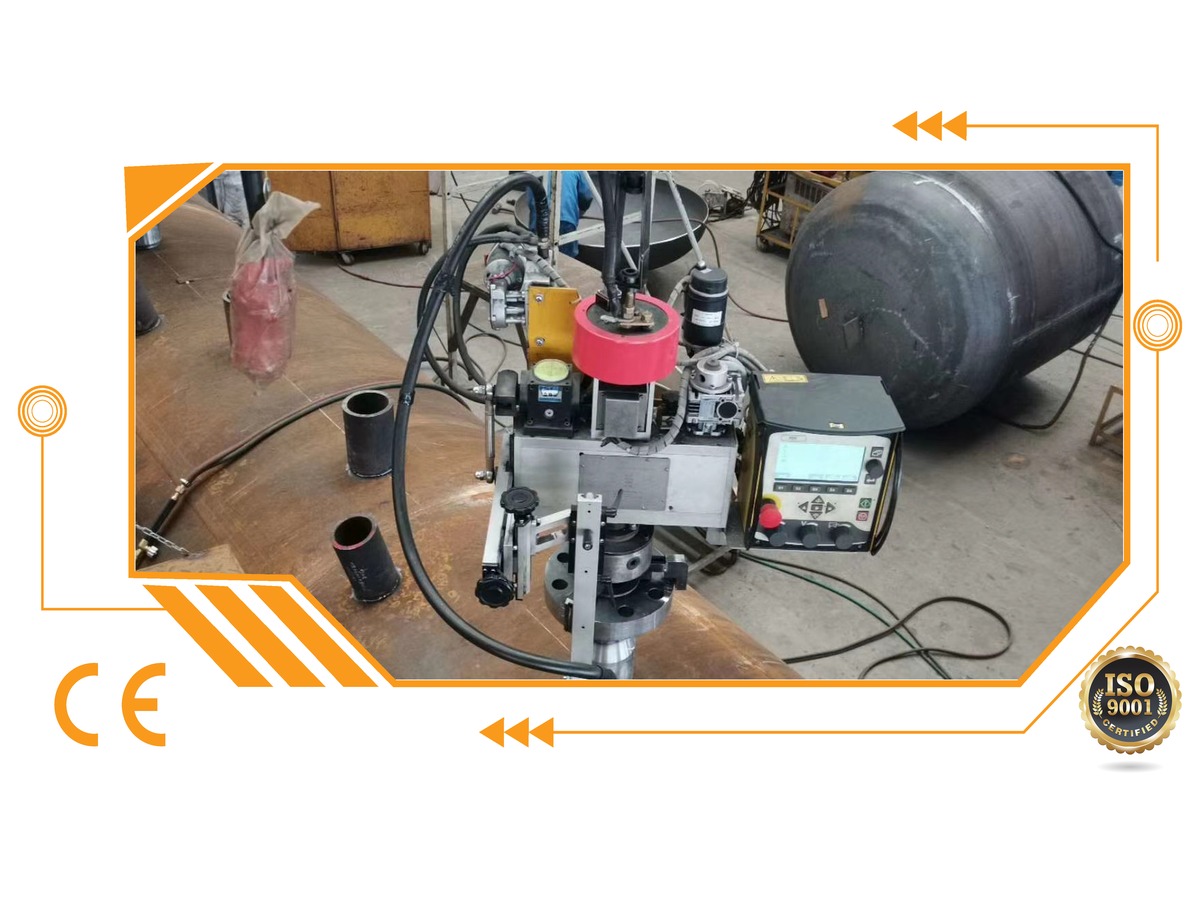
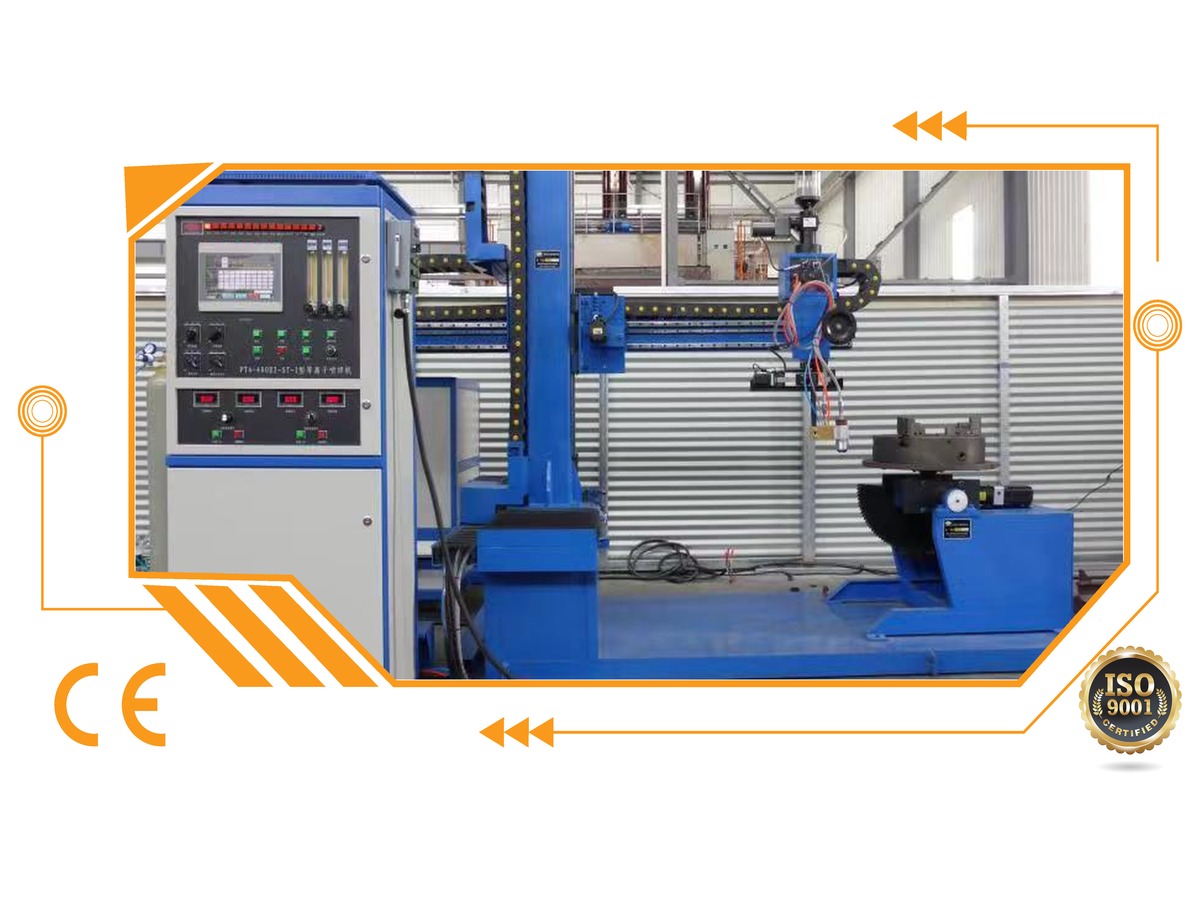
Shipbuilding and Marine: How S - Desan Electric Equipment
Shipbuilding and Marine: How S - Industry Application

Challenges Unique to Marine Welding

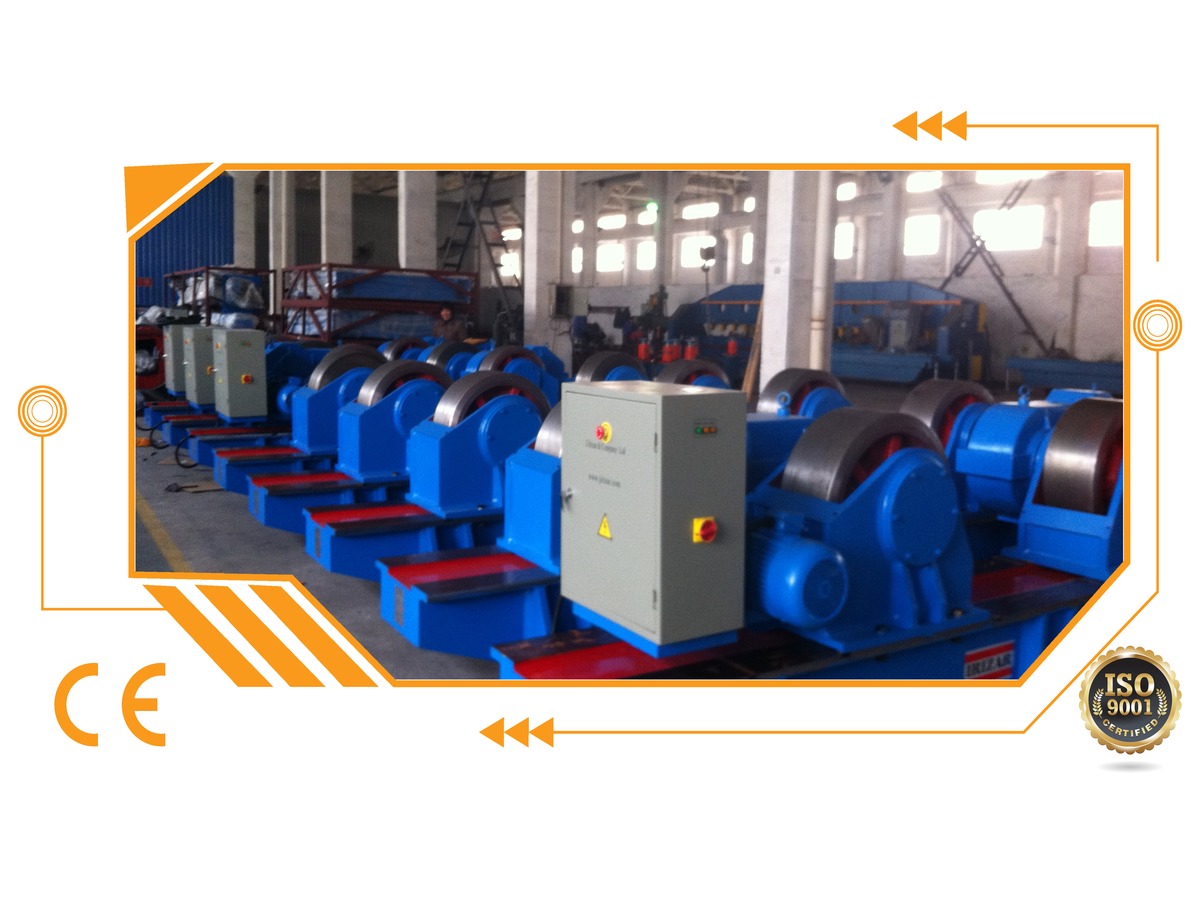
  • Massive workpieces: Hull sections weighing tons must be positioned for downhand welding — often requiring multiple positioners working in coordination
  • Thermal distortion: Long continuous welds on thin shell plates cause significant distortion, shifting joint positions as the weld progresses
  • Variable conditions: Fit-up quality varies between shipyard blocks; gaps and misalignment are common
  • Harsh environment: Exposure to wind, humidity, and temperature extremes affects both operators and equipment
  • Classification society requirements: Welds must meet standards from DNV, Lloyd’s, ABS, and other classification societies

Smart Welding Solutions for Shipbuilding

Heavy-Duty Positioning Systems

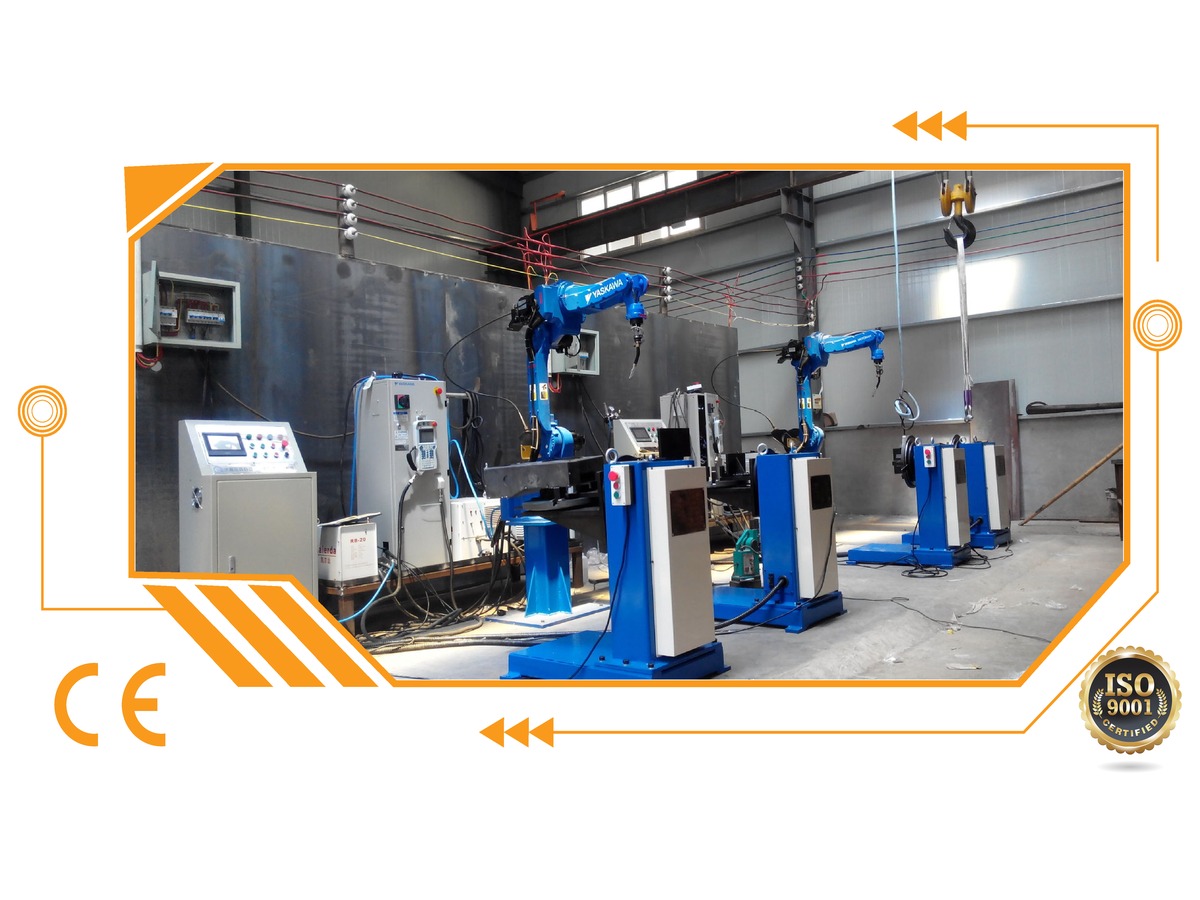
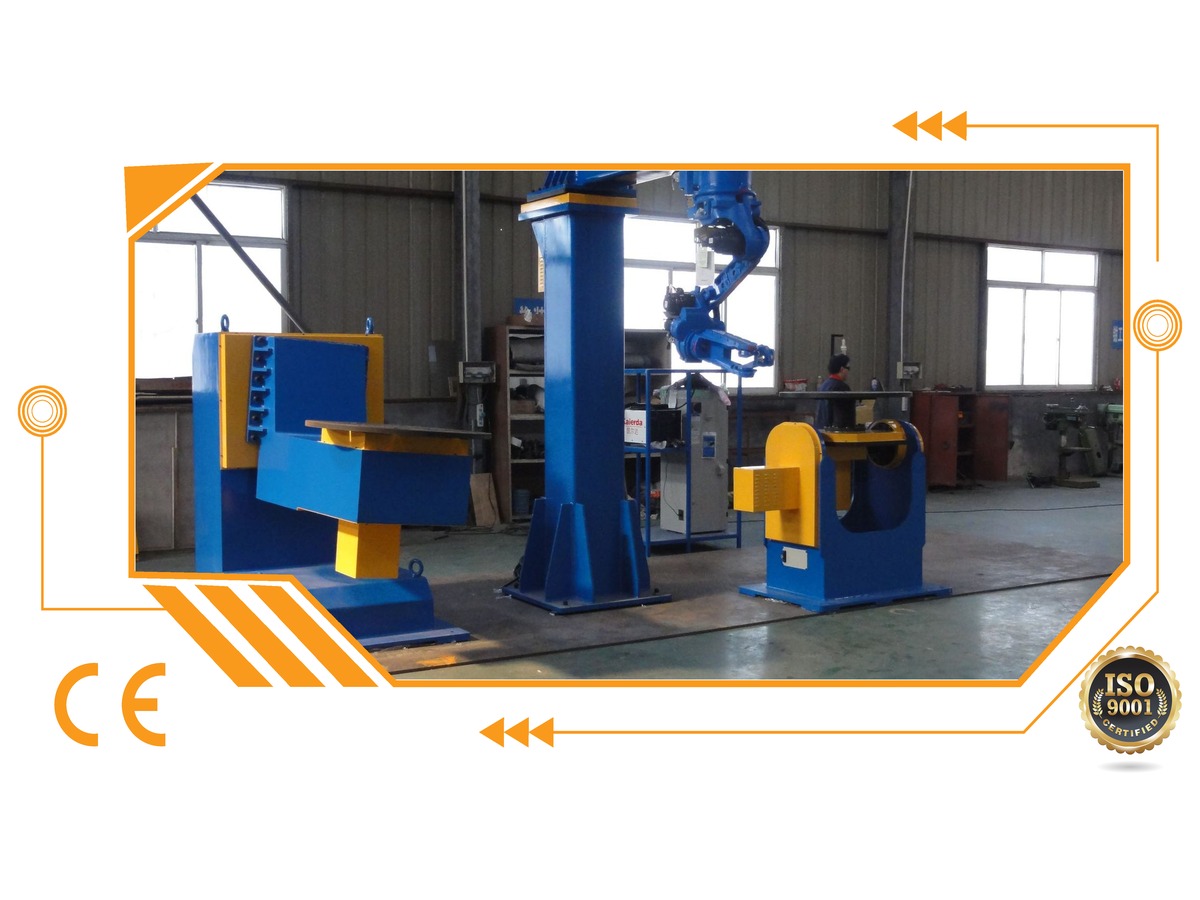
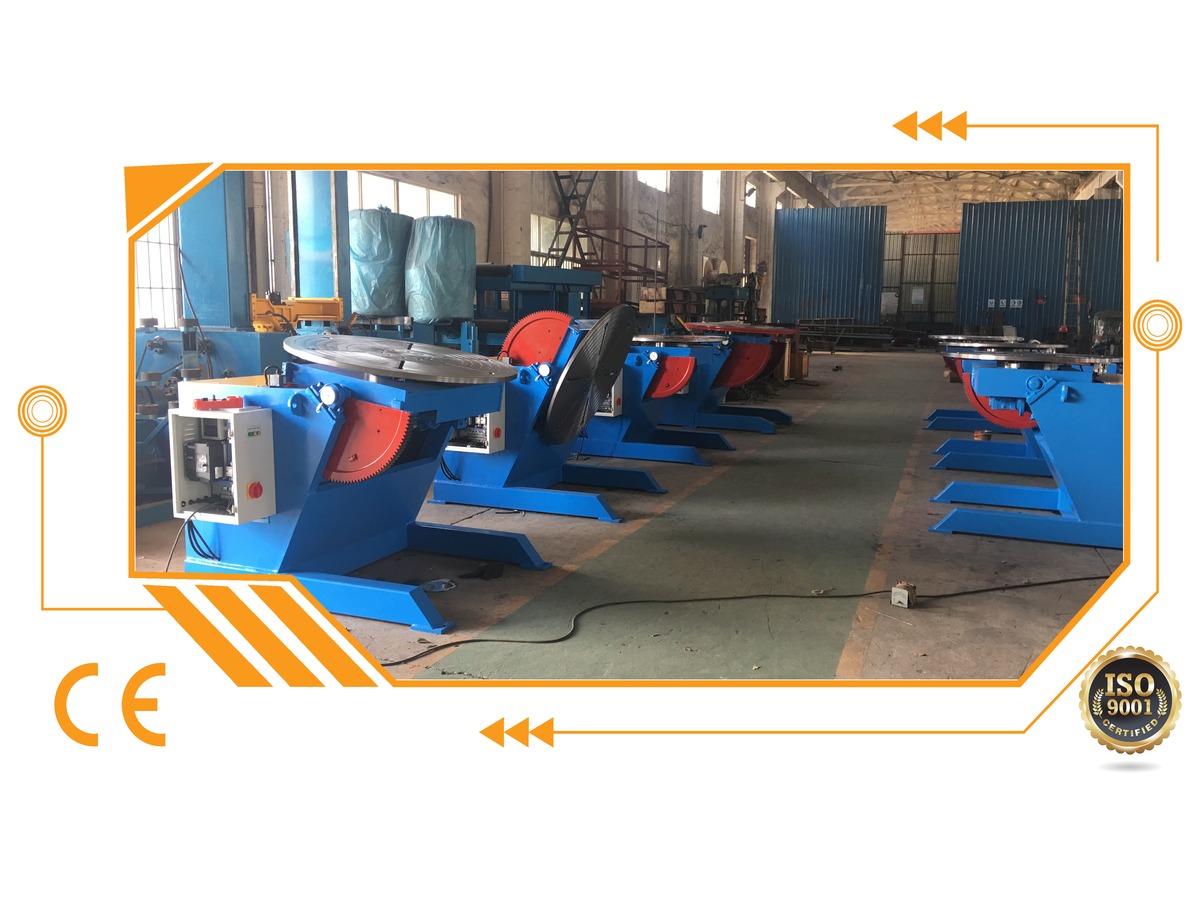
BIQEE’s heavy-duty welding positioners handle workpieces up to 50 tons, rotating and tilting hull sections to present joints in the optimal flat or horizontal position. This dramatically improves weld quality and reduces operator fatigue compared to overhead welding.

AI-Assisted Seam Tracking

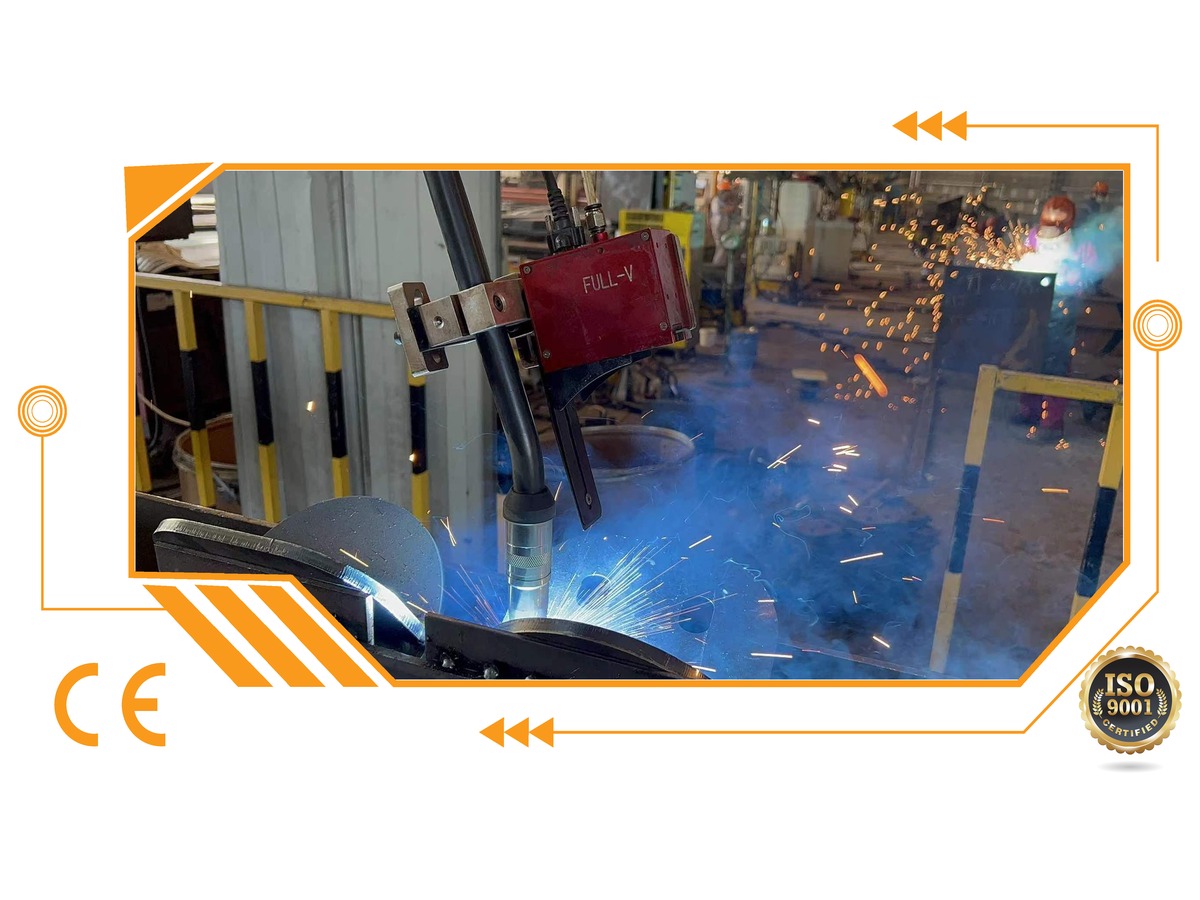
For the long fillet welds common in shipbuilding, AI seam tracking compensates for fit-up variation and thermal distortion automatically. The system follows the joint even as it shifts, maintaining consistent weld geometry throughout.

Adaptive Parameter Control

Gaps in shipyard welds often vary from 0 to 5mm along a single joint. Adaptive control adjusts wire feed speed and travel speed in real time, ensuring complete fusion without excessive reinforcement.

Case Example: Double-Hull Tanker Construction

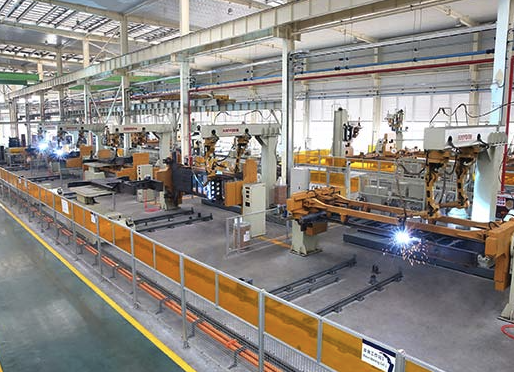
A double-hull tanker requires approximately 200,000 meters of fillet welding for the inner hull structure. Conventional semi-automatic welding achieves an arc-on time of approximately 25%. By implementing robotic welding with intelligent positioners and adaptive control:

  • Arc-on time increases to 55-65%
  • Weld defect rates decrease from 3-5% to under 1%
  • Overall construction time for the hull structure reduces by 30-40%

Looking Forward

The next generation of smart welding systems for shipbuilding will incorporate digital twins of entire hull blocks, enabling virtual validation of weld sequences and parameters before construction begins. Combined with embodied AI that can autonomously navigate and weld within confined double-hull spaces, the future of shipbuilding welding is moving from difficult, dangerous manual work to intelligent, automated execution.

Leave a Comment

Your email address will not be published. Required fields are marked *

Related Post