The Challenge of Seam Tracking
In any welding operation, the accuracy of seam tracking directly determines weld quality. Traditional methods require operators to manually teach robot paths for every joint configuration — a time-consuming process that breaks down when workpieces have geometric variations, thermal distortion, or assembly misalignment.

AI-powered seam tracking eliminates these pain points by giving welding systems the ability to see, identify, and follow weld joints autonomously.
How AI Seam Tracking Works
Modern AI seam tracking systems combine multiple sensor modalities with deep learning algorithms:
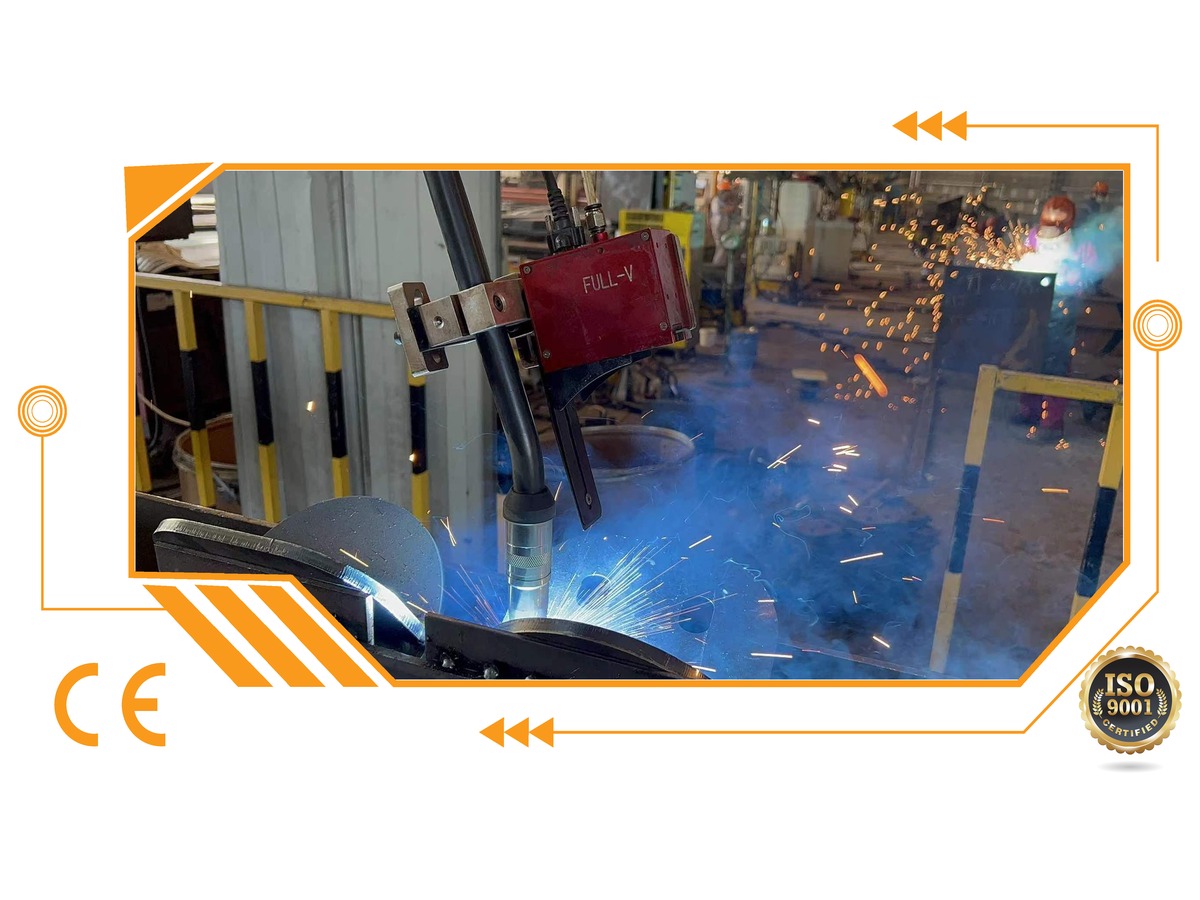
- Laser vision sensors project a laser line across the joint and capture the 3D profile in real time, detecting groove geometry, gaps, and misalignment
- Stereo cameras provide contextual awareness of the workpiece and surrounding environment
- Arc voltage and current sensors monitor the welding process itself, detecting deviations that indicate seam position errors
The AI model processes these sensor inputs through a multi-stage pipeline:

- Feature extraction: Neural networks identify the weld seam from sensor data, even in noisy or low-contrast conditions
- Path planning: The system calculates the optimal torch trajectory, accounting for weave patterns, travel speed, and wire feed rate
- Real-time correction: As the weld progresses, the AI continuously adjusts the path based on live sensor feedback
Benefits Over Traditional Methods
The advantages of AI-powered seam tracking are substantial:
- Reduced programming time: No manual teaching required for each joint — the system finds the seam automatically
- Higher first-pass quality: Real-time correction prevents defects caused by thermal distortion or part variation
- Greater flexibility: The same system can handle different joint types without reprogramming
- Lower scrap rates: Fewer rejected welds mean less material waste and rework
Integration with Smart Positioners
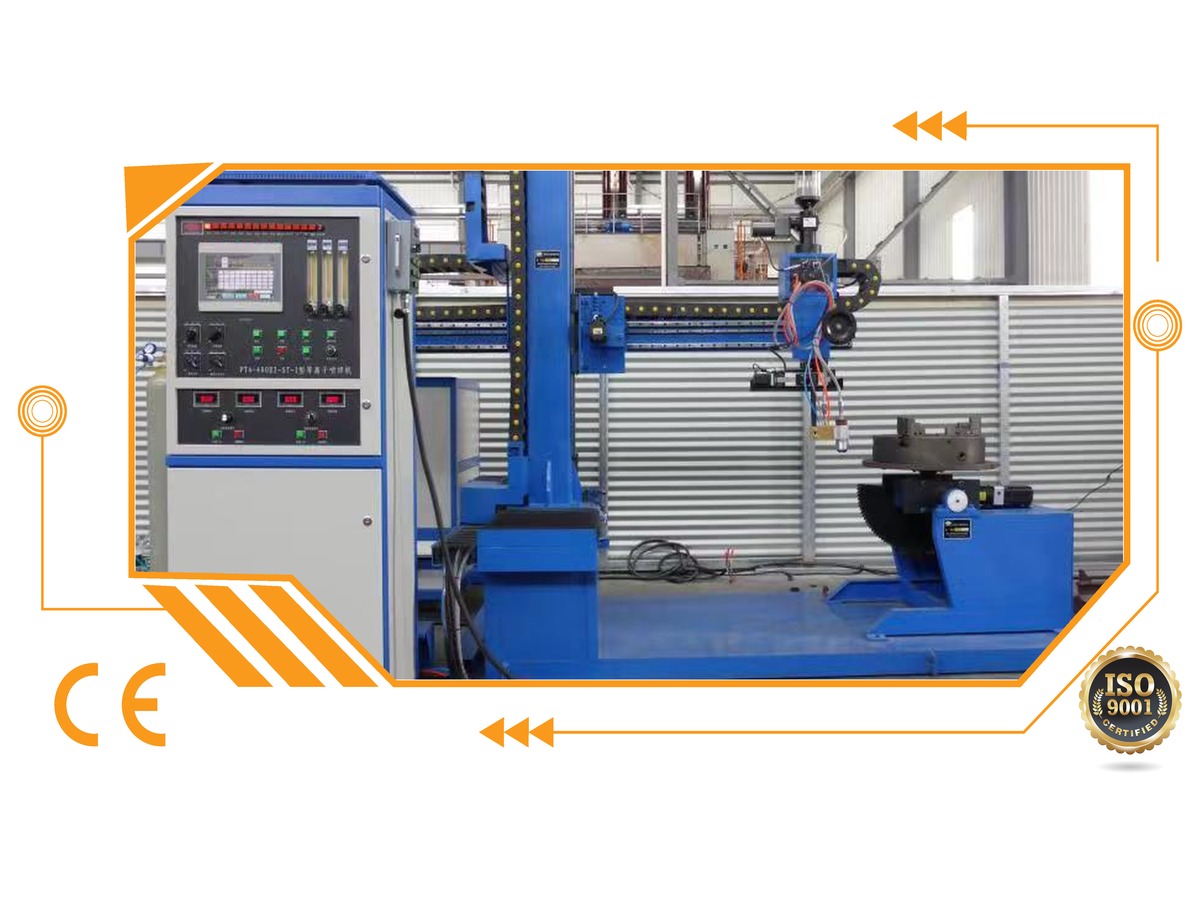
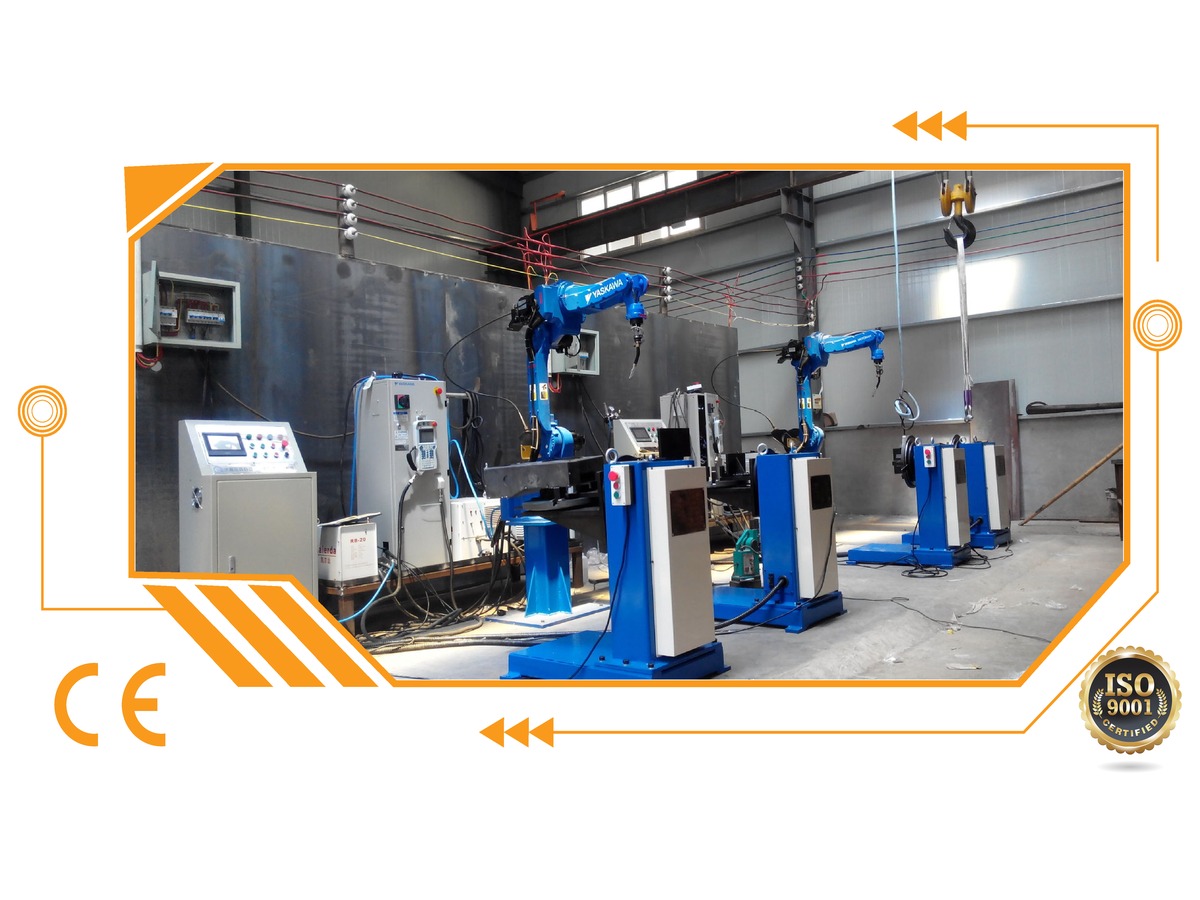
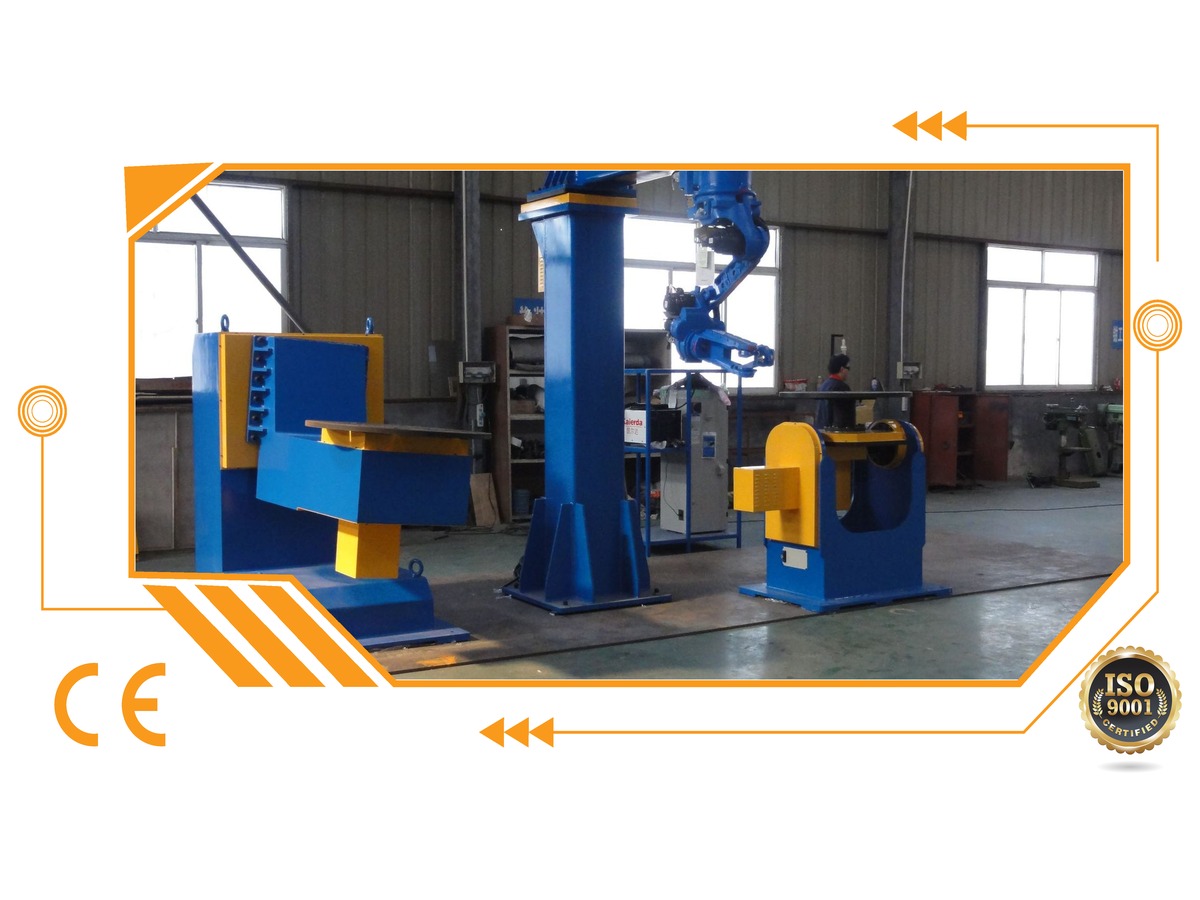
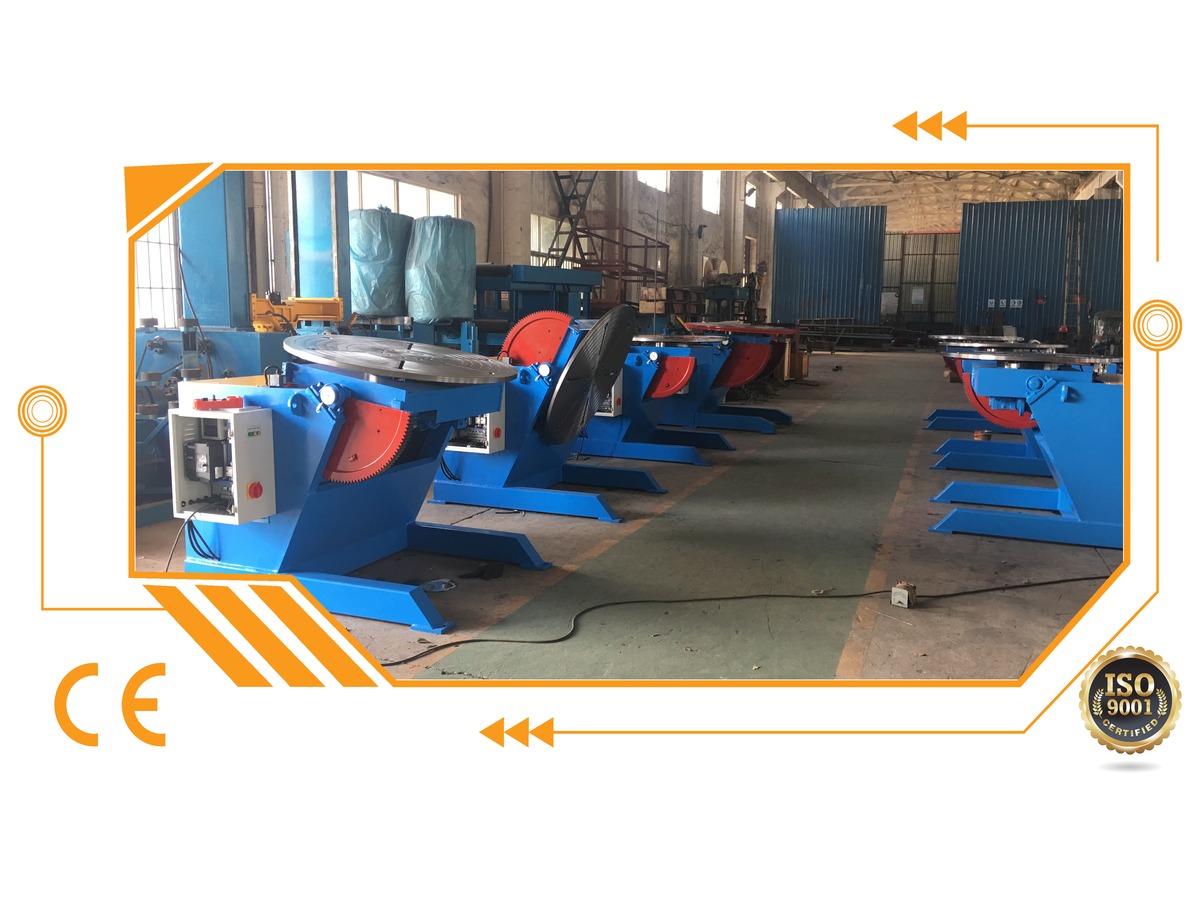
Seam tracking becomes even more powerful when combined with intelligent positioners and manipulators. BIQEE’s smart welding positioners sync with AI tracking systems, rotating the workpiece to maintain the optimal welding position while the tracking system follows the joint. This coordination ensures consistent weld quality across complex geometries that would be impossible with static fixtures.
The Future of Adaptive Welding
As embodied AI continues to advance, seam tracking systems are evolving from simple follow-the-line functionality to full adaptive welding control. Future systems will not only track the seam but also adjust welding parameters — voltage, current, travel speed, wire feed — in real time based on joint conditions, material properties, and desired weld characteristics.
This is the promise of embodied intelligence in welding: machines that perceive, decide, and act with the skill of an experienced welder, at the speed and consistency of a robot.