The Cobots Are Coming
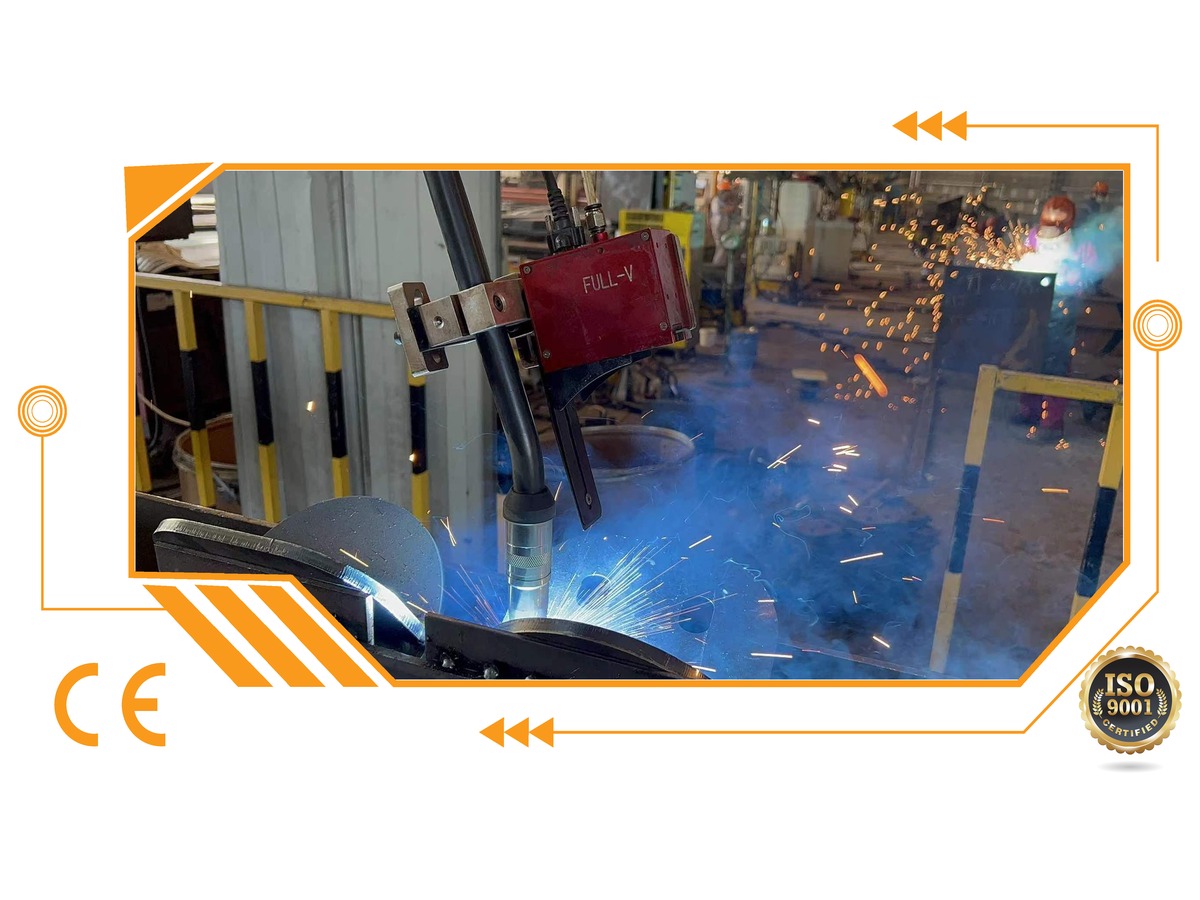
Collaborative robots — cobots — are designed to work alongside human operators without the safety cages required by traditional industrial robots. In welding, cobots are emerging as a practical middle ground for shops that aren’t ready for full automation but need more consistency and productivity than manual welding alone can deliver.

How Welding Cobots Work
A typical welding cobot system consists of:
- A lightweight robotic arm (typically 5-10 kg payload) mounted on a portable base
- A welding power source integrated with the cobot controller
- A wire feeder mounted on or near the cobot
- A simple programming interface — often hand-guided teaching or tablet-based waypoint setting
The operator positions the workpiece, guides the cobot through the weld path (or selects a pre-programmed path), and initiates the weld. The cobot executes the weld while the operator monitors, handles part loading, or performs other tasks.

Advantages for Small and Medium Shops
- Low barrier to entry: Cobots cost significantly less than full robotic cells and require minimal infrastructure (no safety fencing, no specialized programming skills)
- Flexible deployment: Portable bases allow moving the cobot between workstations as demand shifts
- Easy programming: Hand-guided teaching takes minutes, not hours — a welder can program a simple joint in under 5 minutes
- Immediate productivity gains: Even a single cobot can increase a welder’s output by 2-3x by handling the repetitive arc-on time while the operator manages setup and quality
Limitations to Consider
Cobots aren’t suited for every application:
- Limited payload and reach: Most welding cobots can’t handle large, heavy workpieces or long continuous welds
- Slower travel speeds: Cobot welding speeds are typically lower than dedicated welding robots
- No multi-axis positioning: Without a coordinated positioner, cobots are limited to welding in the positions they can reach — which may not be the optimal welding position
Cobots + Smart Positioners = Enhanced Capability
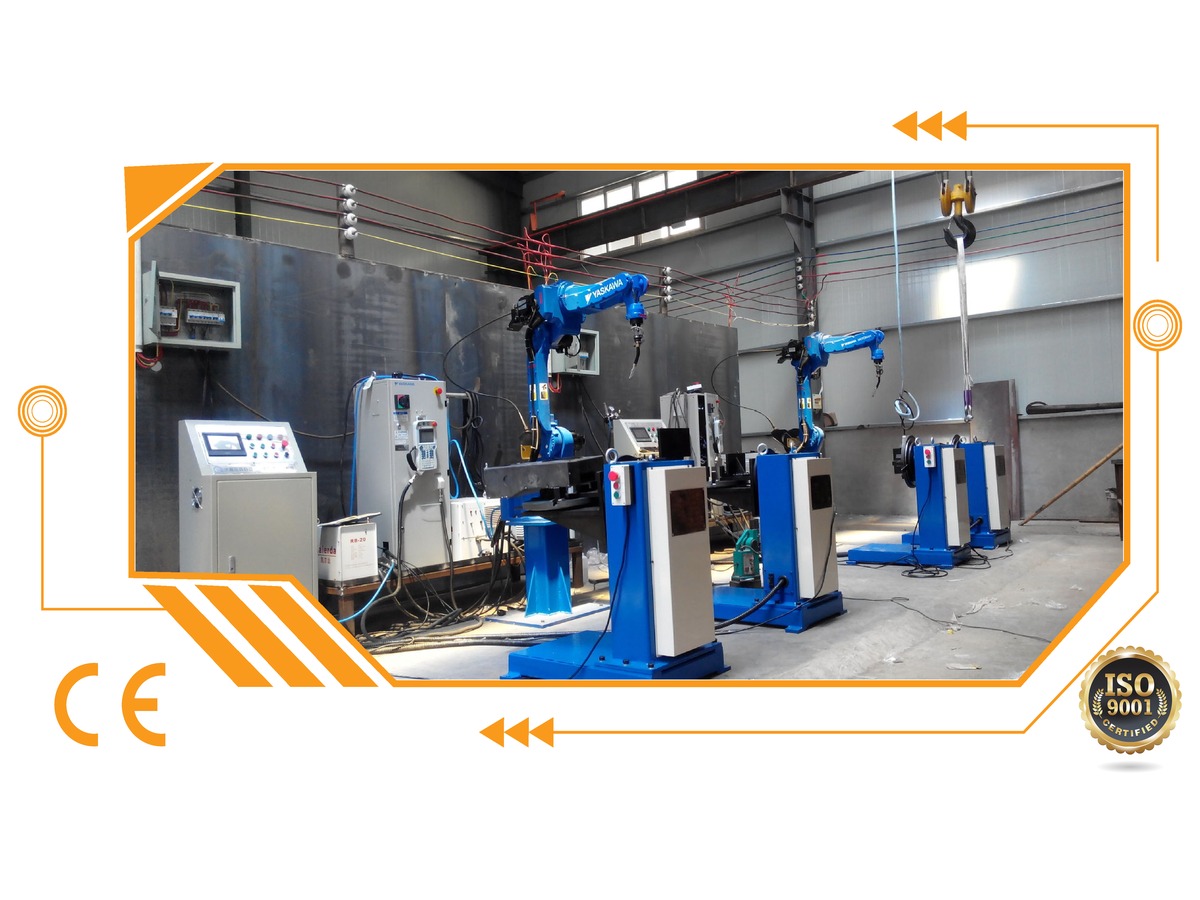
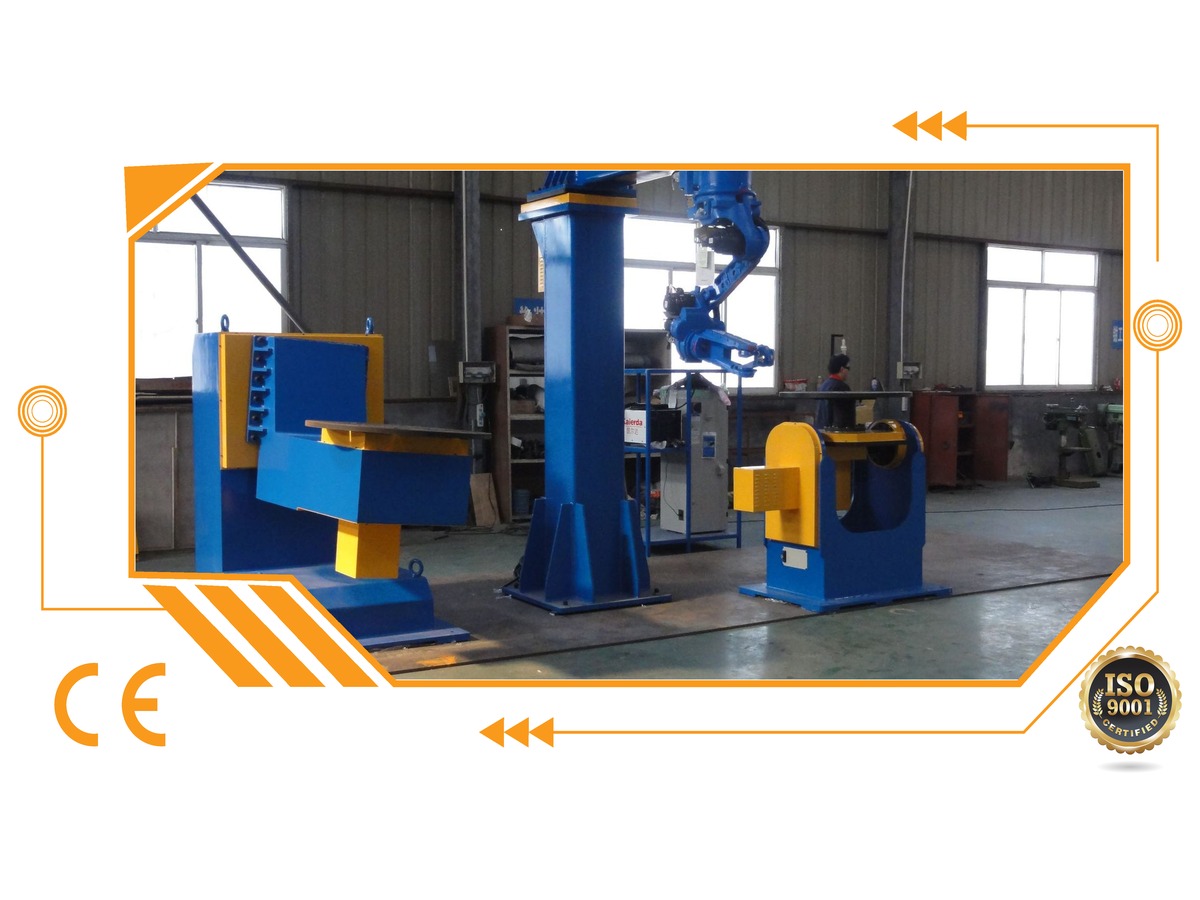
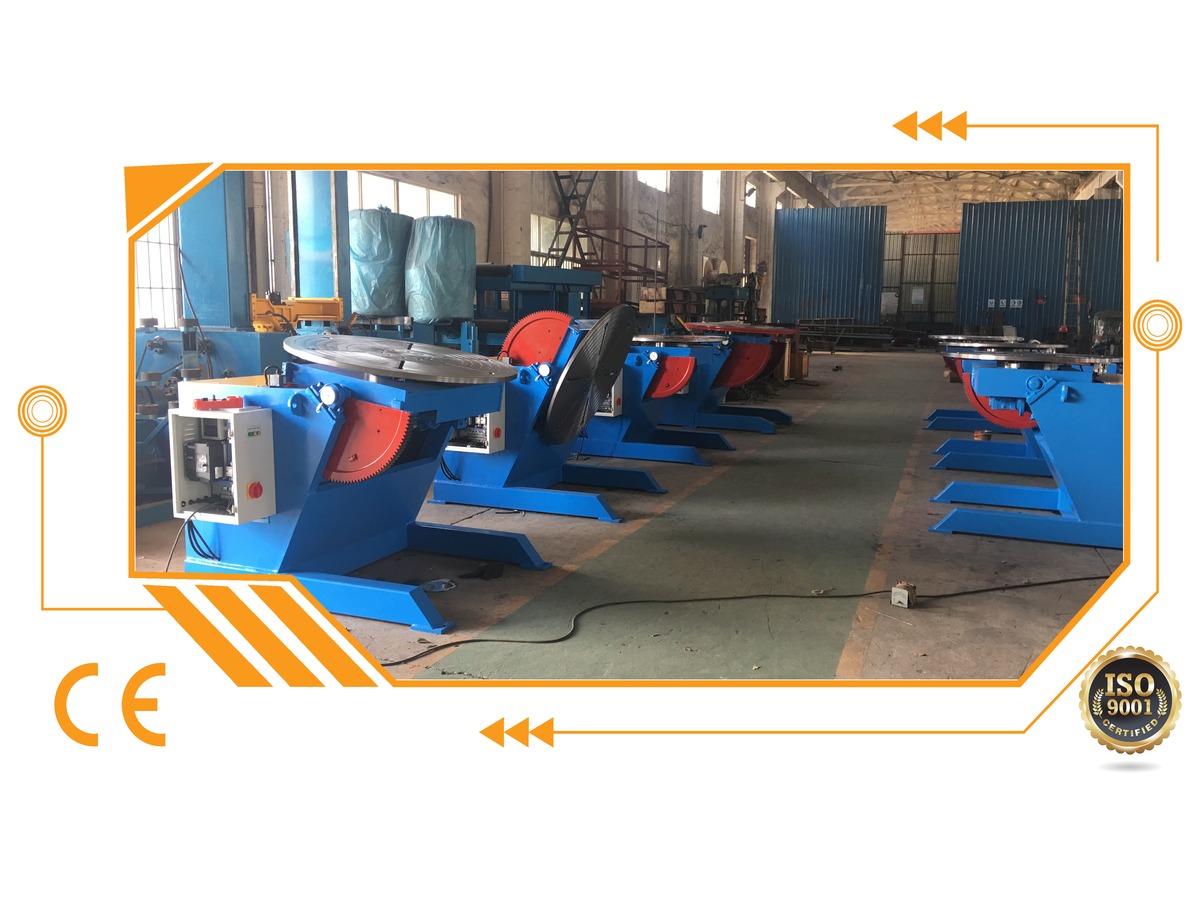
This last limitation is where BIQEE’s smart positioners add significant value. When a cobot is paired with an intelligent positioner, the workpiece can be rotated to present joints in the optimal flat or horizontal position. The positioner’s motion is coordinated with the cobot’s welding path, enabling:
- Full circumferential welds on pipes and vessels
- Complex multi-pass joints that require position adjustment between passes
- Consistent weld quality in the optimal welding position
This combination brings much of the capability of a full robotic cell at a fraction of the cost and complexity.
The Right Tool for the Right Job
Cobots aren’t replacing industrial welding robots — they’re expanding the range of shops that can benefit from automation. For high-volume, high-precision production, a dedicated robotic cell remains the best choice. But for the vast majority of small and medium welding operations that produce in batches of 10-100, a cobot-positioner combination may be the most practical path to smarter welding.