BIQEE: Embodied AI for Smart Welding

Live News

28.3°C
  • California
May 9, 2026
Follow Us:
BIQEE: Embodied AI for Smart WeldingBlogWeld NewsConstruction and Structural Steel: Welding the Skeleton of Modern Cities

Construction and Structural Steel: Welding the Skeleton of Modern Cities

Structural Welding at Scale

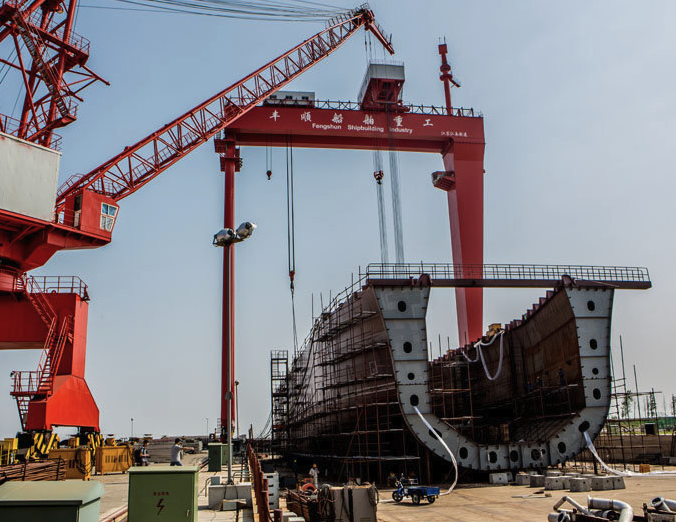
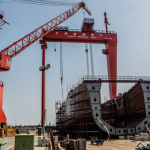
Every skyscraper, bridge, and industrial building relies on structural steel connections — and the majority of critical connections are welded. Structural welding presents unique challenges that differ significantly from factory-based manufacturing: variable field conditions, massive member sizes, and the need to maintain quality without the controlled environment of a shop.

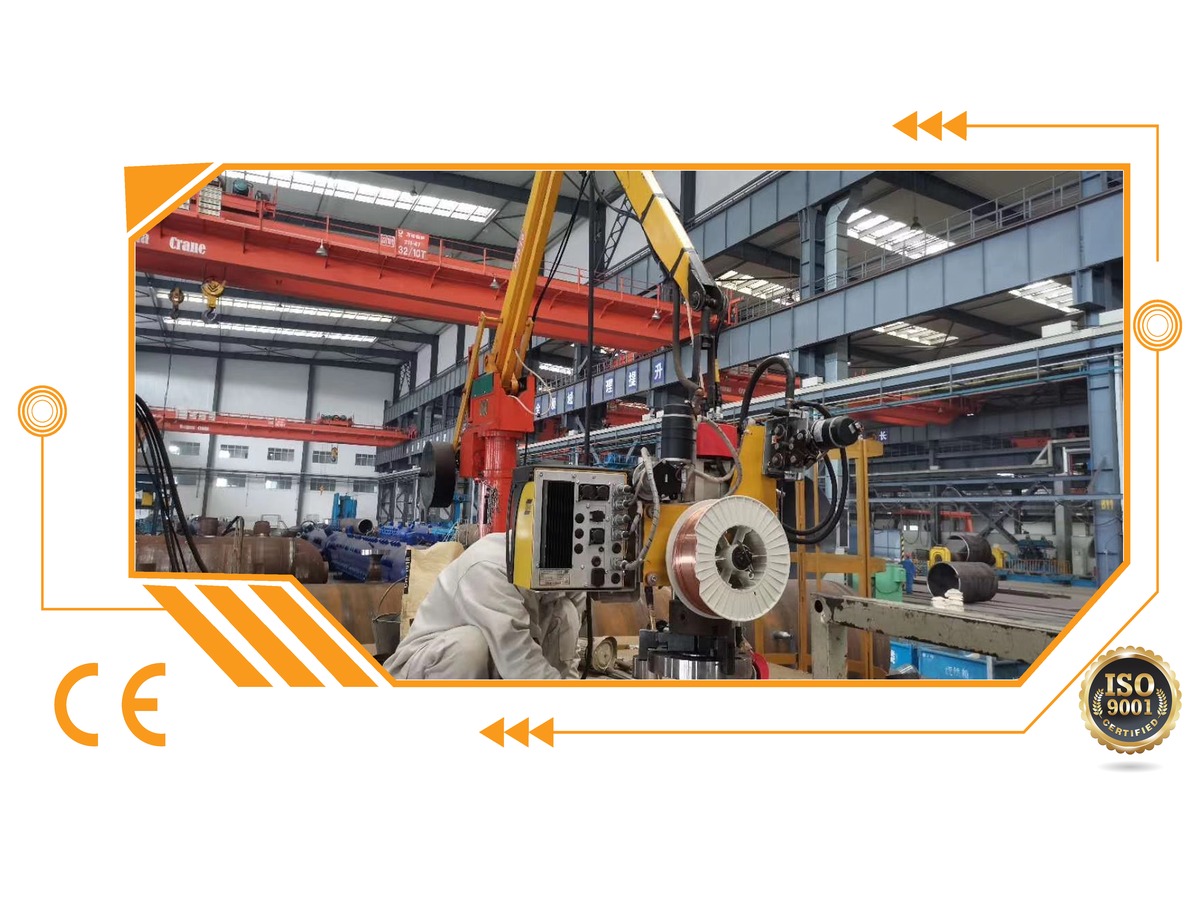
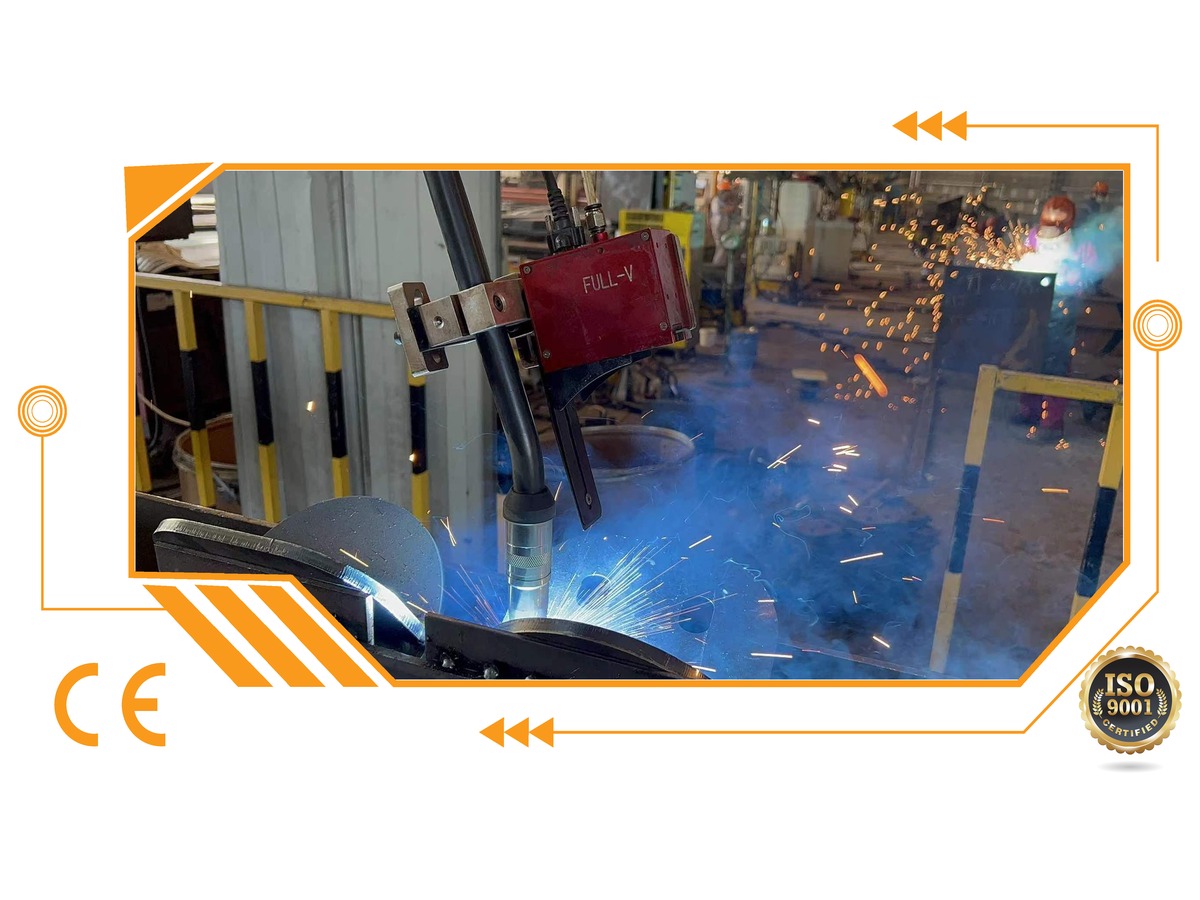
Construction and Structural St - Industry Application

Shop vs. Field Welding

Structural steel fabrication typically involves both shop and field welding:

  • Shop fabrication: Column splices, beam connections, and complex node joints are welded in controlled shop conditions using positioners and fixtures
  • Field erection: Final connections are made on-site, often in overhead and vertical positions, exposed to weather and access constraints

Smart welding technology benefits both environments, but in different ways.

Shop Fabrication: Automation Opportunities

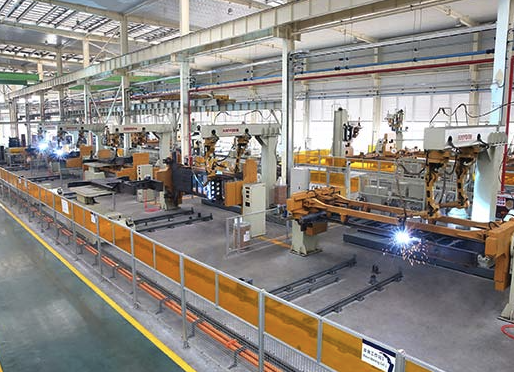
In the fabrication shop, structural members are ideal candidates for automated welding:

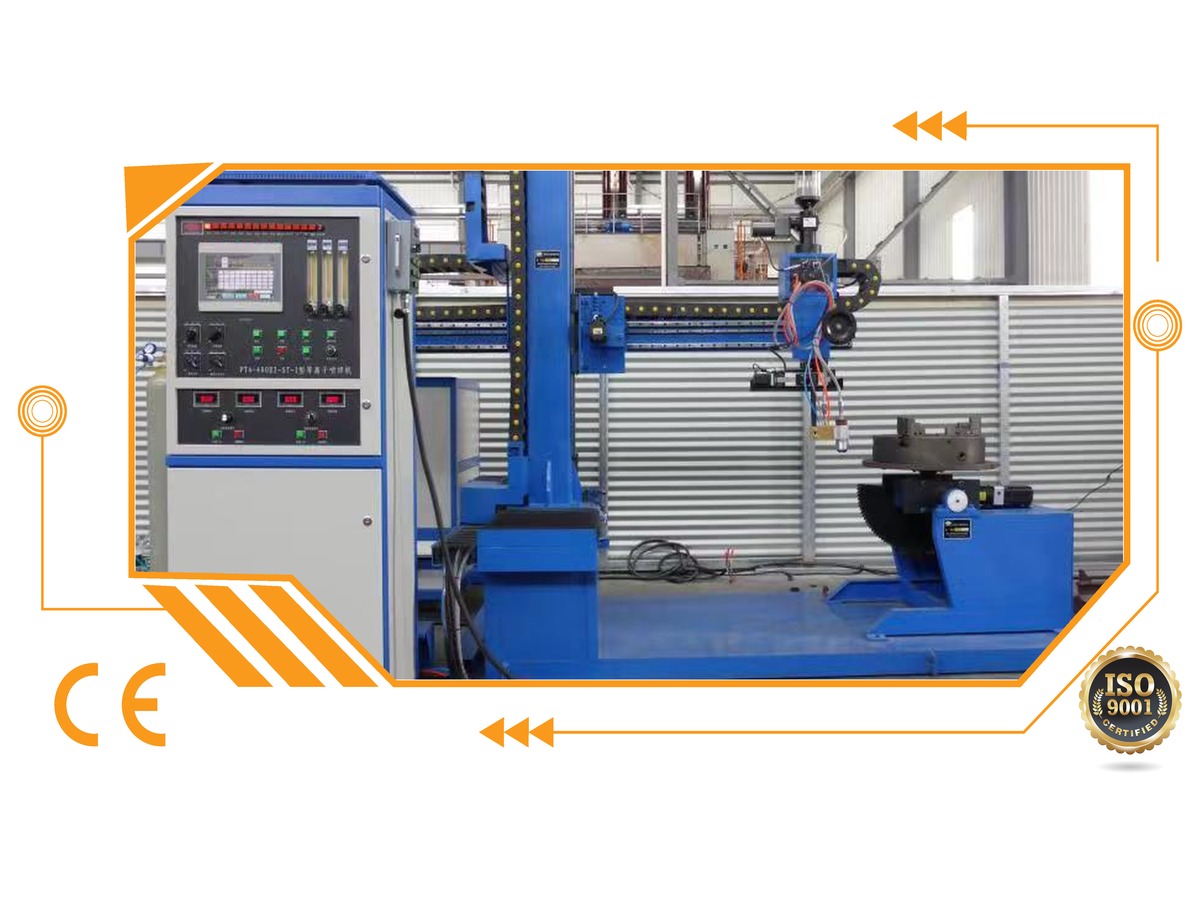
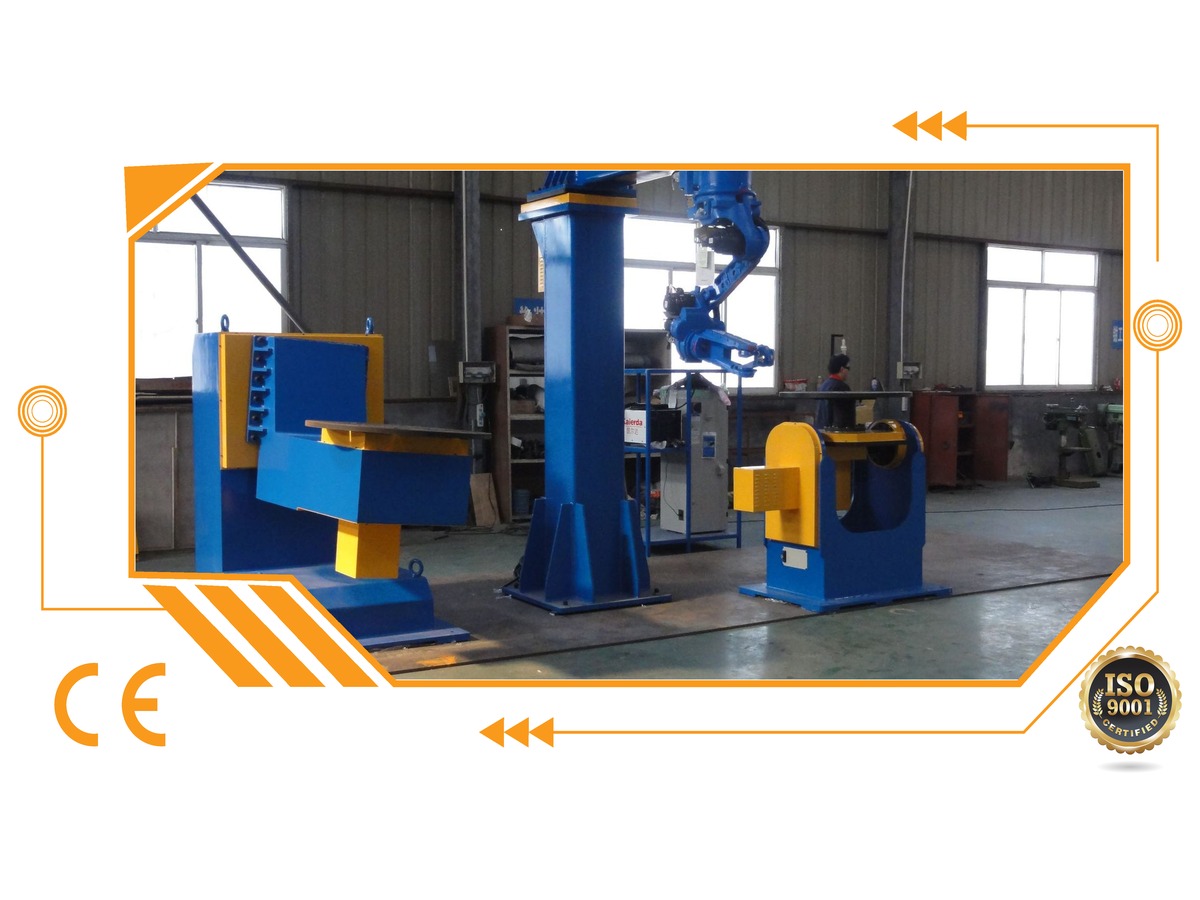
Construction and Structural St - Desan Electric Equipment
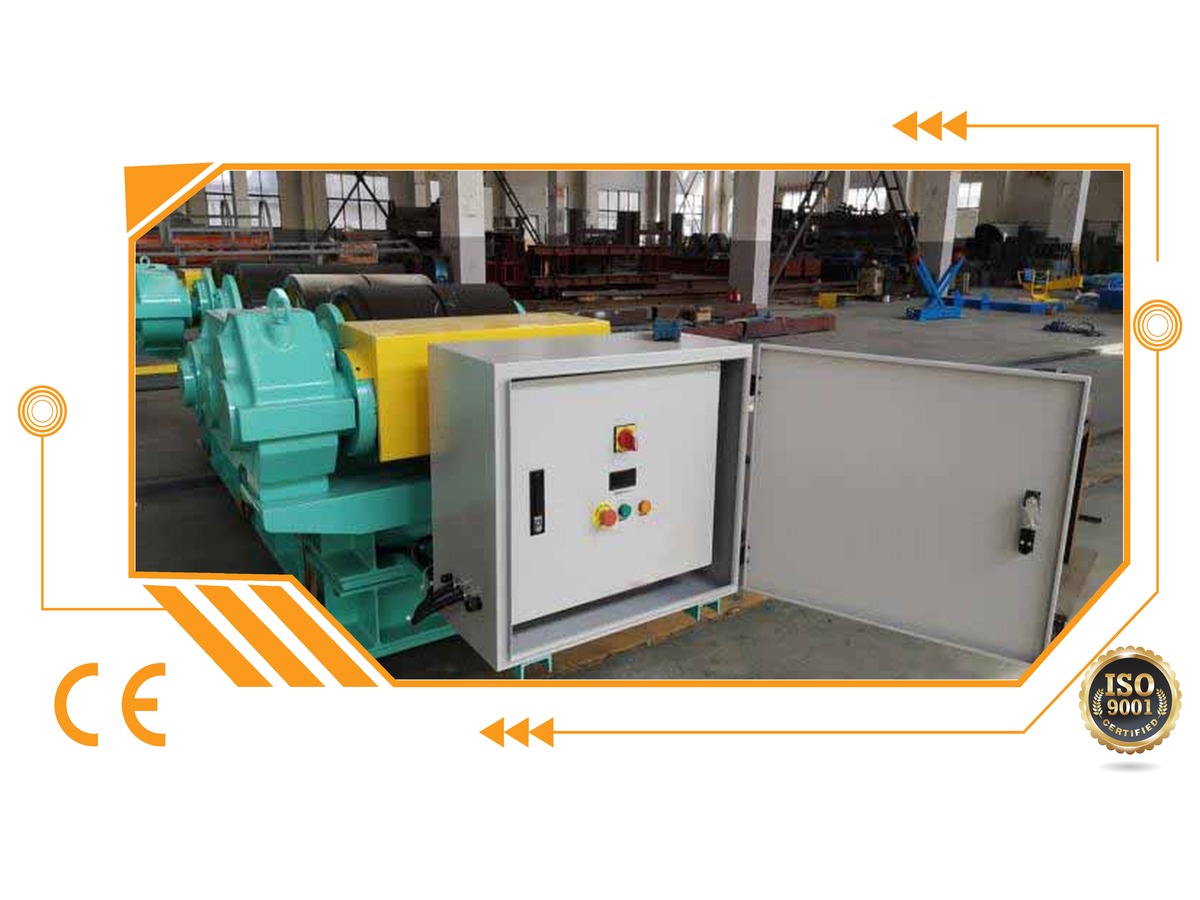
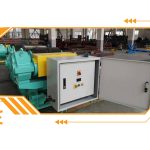
  • Column and beam splices: Rotating positioners present the joint in the flat position for high-deposition-rate welding
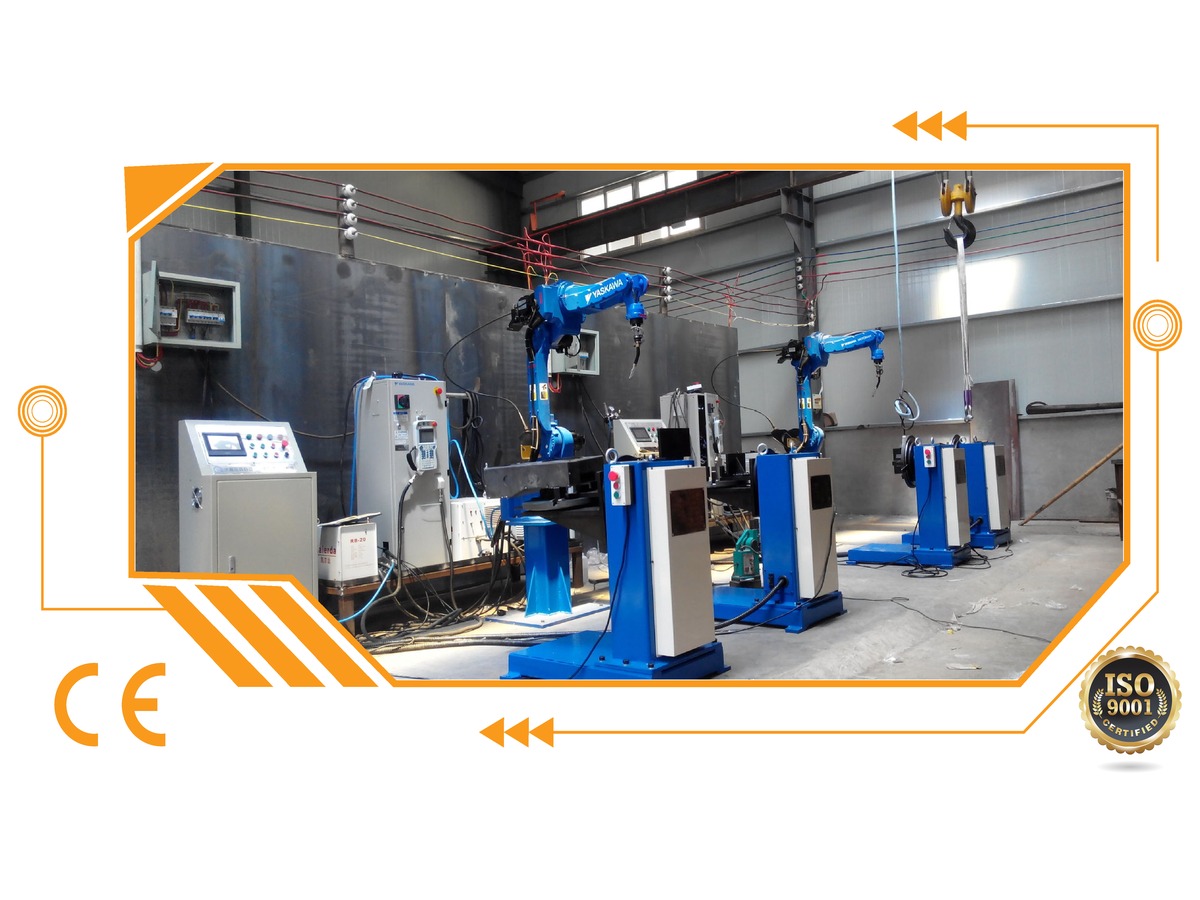
  • Stiffener and connection plate welding: Robotic welding cells handle repetitive fillet welds with consistent quality
  • Complex node fabrication: Multi-axis manipulators and positioners enable access to all joint orientations without repositioning the workpiece

Field Welding: Quality Assurance Challenges

Field welding remains largely manual, but smart technology is making inroads:

  • Welding procedure monitoring: Portable monitoring systems track voltage, current, and travel speed, ensuring field welds meet procedure specifications
  • Pre-heat verification: Infrared temperature sensors confirm that pre-heat requirements are met before welding begins
  • Digital weld mapping: Every field weld is logged with GPS coordinates, welder identification, and process data for complete traceability

Seismic and High-Demand Applications

In seismic zones, structural welds must meet demanding toughness requirements. The AWS D1.8 Seismic Welding Supplement imposes additional requirements on welding procedures and inspection. Smart welding systems help meet these requirements by:

  • Controlling heat input within specified limits for toughness-critical welds
  • Maintaining interpass temperatures within code-required ranges
  • Documenting compliance automatically for audit readiness

Positioner Solutions for Structural Fabrication

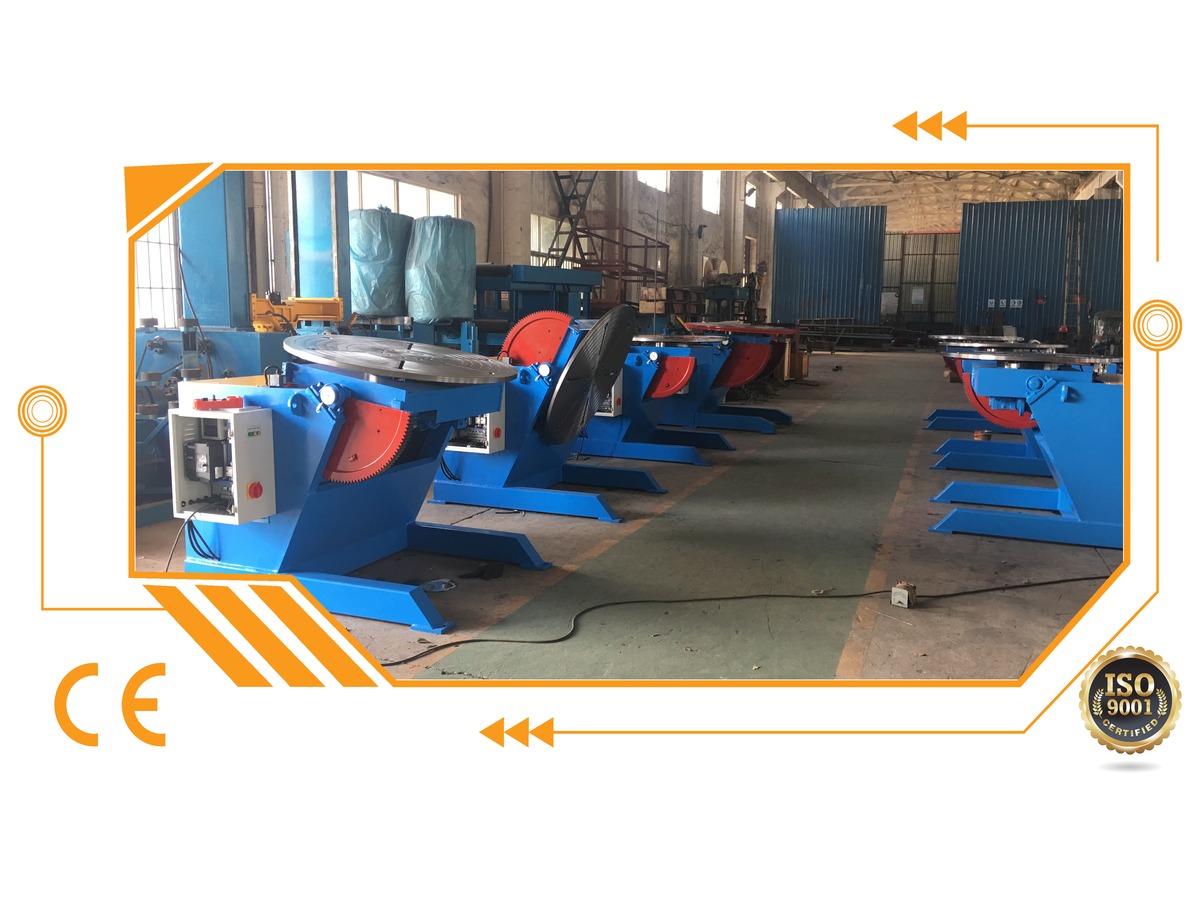
BIQEE’s positioners are designed for the heavy, elongated workpieces common in structural fabrication. Key features include:

  • High tilt capacity: Tilting up to 135° to present vertical and overhead joints in the flat position
  • Variable rotation speed: Matching rotation speed to the welding deposition rate for consistent layer thickness
  • Robust construction: Designed for the heavy loads and rough handling typical of structural shops

Building Smarter

As construction projects grow more complex and timelines more aggressive, the structural steel industry is embracing smarter welding practices. The combination of shop automation with intelligent positioning and field quality monitoring is raising the bar for what’s possible in structural construction — building safer, faster, and more economically.

Leave a Comment

Your email address will not be published. Required fields are marked *

Related Post