BIQEE: Embodied AI for Smart Welding

Live News

28.3°C
  • California
May 9, 2026
Follow Us:
BIQEE: Embodied AI for Smart WeldingBlogWeld NewsProfessional MIG Welding Equipment for B2B Markets: Enhancing Foreign Trade Opportunities

Professional MIG Welding Equipment for B2B Markets: Enhancing Foreign Trade Opportunities

# Professional MIG Welding Equipment for B2B Markets: Enhancing Foreign Trade Opportunities

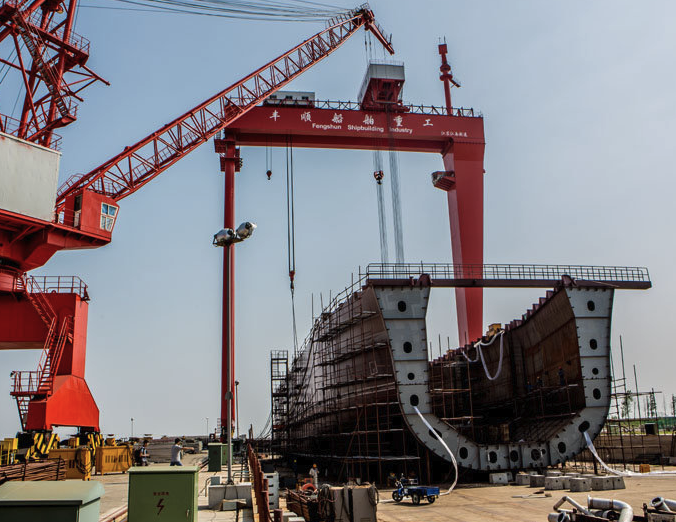
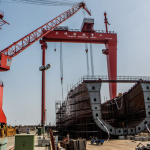
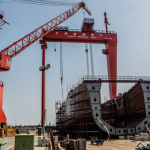
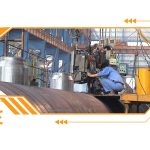
Professional MIG Welding Equip - Industry Application

In the dynamic world of global manufacturing and industrial production, the demand for high-quality, reliable welding solutions has never been greater. As businesses expand their operations across international borders, the need for professional MIG (Metal Inert Gas) welding equipment becomes a critical factor in ensuring seamless production, compliance with international standards, and competitive edge in foreign trade. For B2B companies engaged in exporting or importing machinery, tools, and fabricated components, investing in advanced MIG welding systems is not just an operational necessity—it’s a strategic move that can significantly impact profitability and market reach.

This article explores the importance of professional MIG welding equipment in the context of B2B and foreign trade. From understanding the technical specifications of modern MIG welders to evaluating how they align with global supply chain demands, we’ll provide insights tailored for industry professionals, procurement managers, and exporters. Whether you’re looking to optimize your manufacturing process or enhance your product offerings for international clients, this guide will equip you with the knowledge needed to make informed decisions.

## The Role of MIG Welding in Modern Manufacturing

MIG welding, also known as GMAW (Gas Metal Arc Welding), is one of the most widely used welding processes in industrial settings. Its efficiency, versatility, and ability to produce high-quality welds on a variety of metals make it an indispensable tool for sectors ranging from automotive manufacturing to construction and aerospace. For B2B enterprises involved in foreign trade, the reliability and consistency of MIG welding equipment directly influence the quality of exported goods, customer satisfaction, and long-term partnerships.

In the context of global trade, MIG welding equipment must meet stringent international standards, such as ISO 9001 and CE certification, to ensure compliance with regulations in different markets. This is particularly crucial for exporters, as non-compliance can lead to delays, financial penalties, or loss of credibility. Professional-grade MIG welders are engineered with features like precise voltage control, advanced arc stability, and compatibility with diverse materials, enabling businesses to deliver products that meet the exacting demands of international clients.

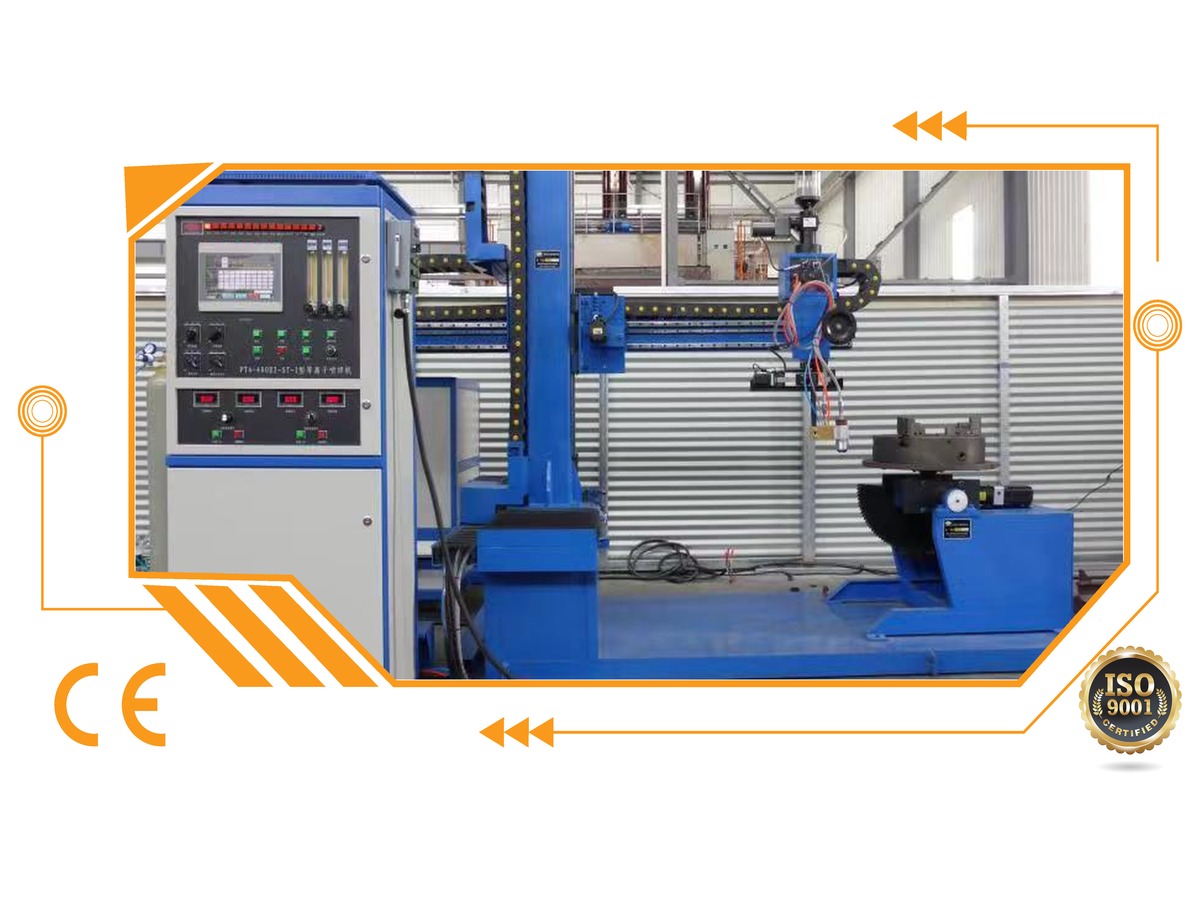
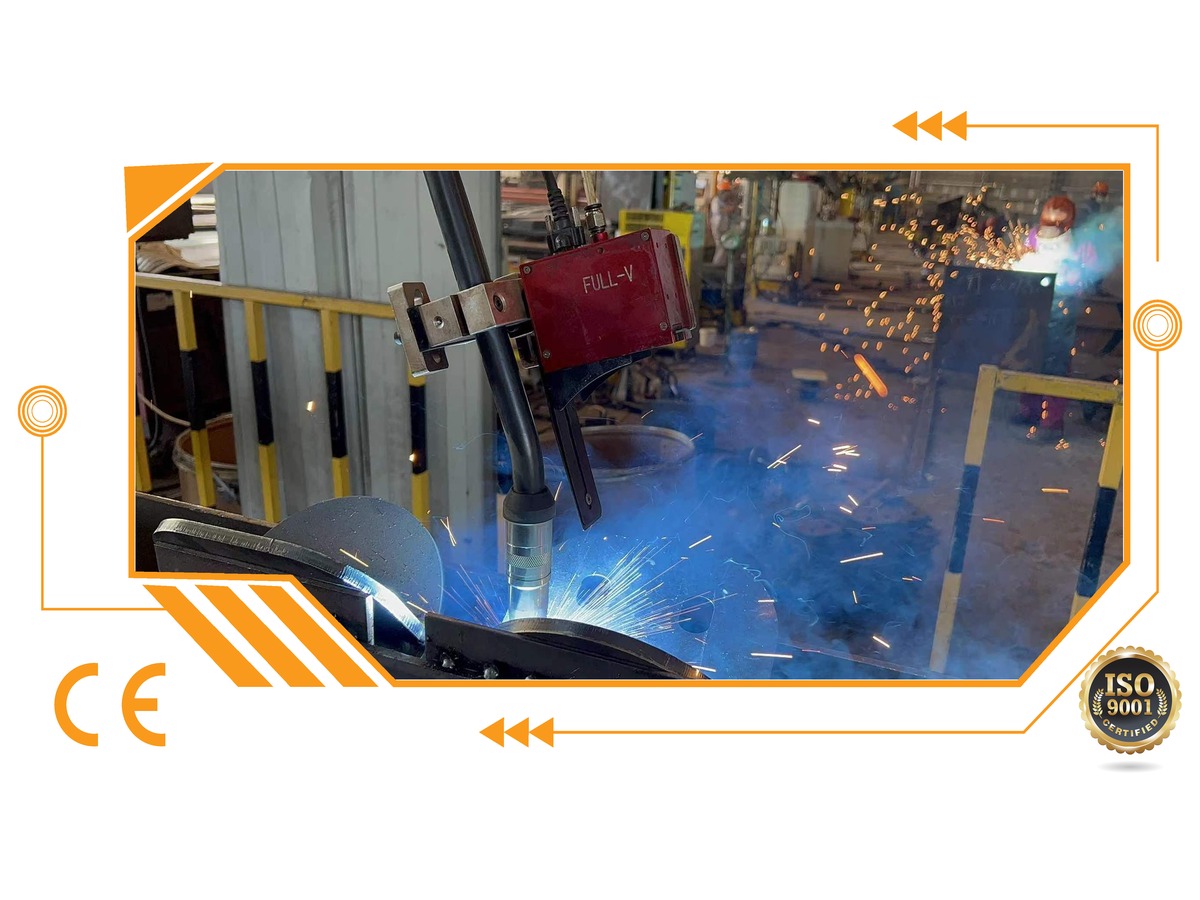
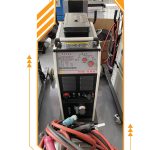
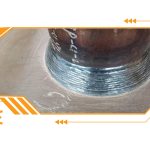
Professional MIG Welding Machine in Action

## Key Features of Professional MIG Welding Equipment

When selecting MIG welding equipment for B2B operations, it’s essential to prioritize features that enhance productivity, safety, and adaptability. Here are some of the most critical attributes to consider:

### 1. **Durability and Build Quality**
Professional MIG welders are constructed using high-grade materials to withstand the rigors of continuous use in industrial environments. Components such as the welding gun, torch, and power supply are designed for longevity, reducing maintenance costs and downtime.

### 2. **Precision and Consistency**
Advanced MIG welders offer precise control over parameters like current, voltage, and wire feed speed. This level of precision ensures uniform welds, which is vital for industries where structural integrity is paramount, such as shipbuilding or pipeline construction.

### 3. **Energy Efficiency**
Modern MIG welders incorporate energy-saving technologies, such as inverter-based power supplies, which reduce power consumption without compromising performance. This not only lowers operational costs but also aligns with global sustainability initiatives, a growing priority for B2B clients.

### 4. **Compatibility with Automation**
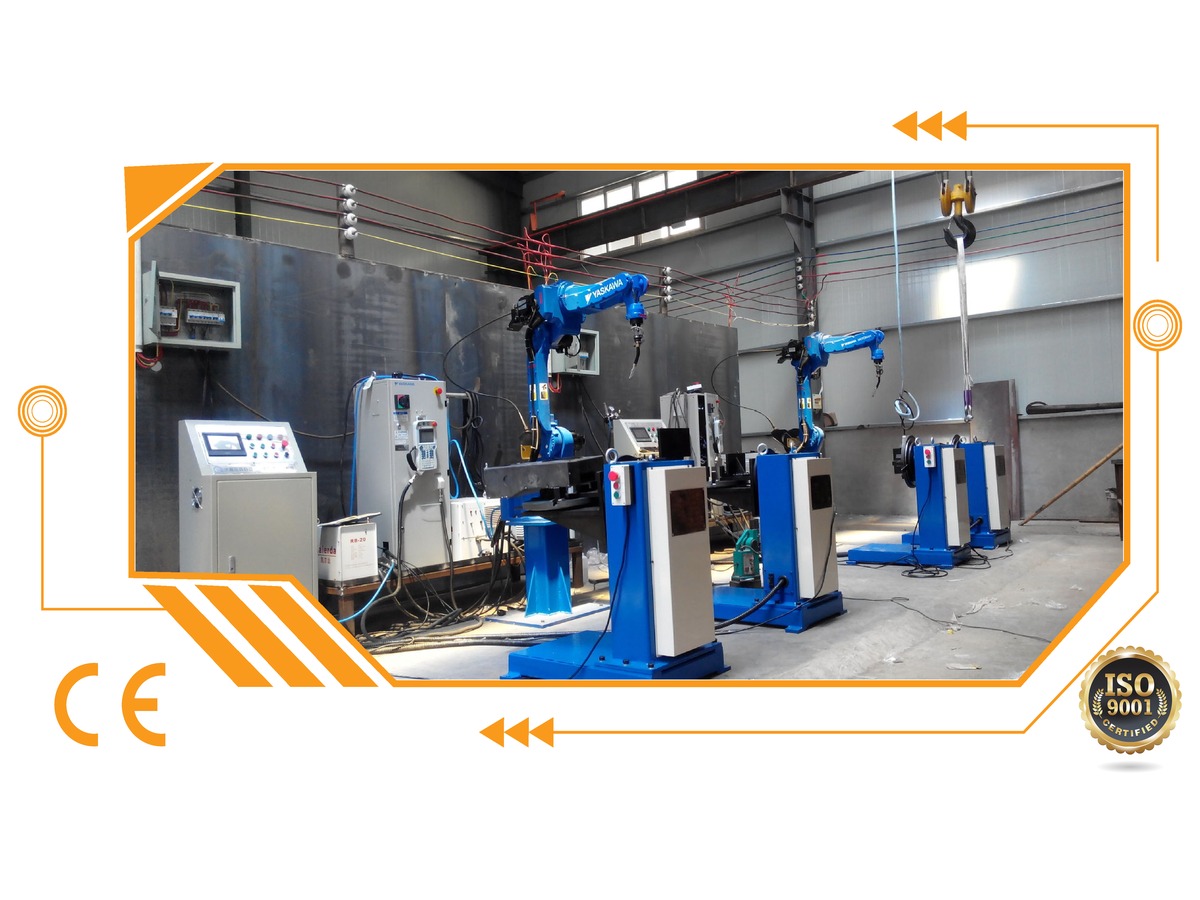
For manufacturers looking to integrate automation into their workflows, professional MIG welders often support robotic arms, CNC systems, and software-driven controls. This compatibility streamlines production, reduces labor costs, and improves scalability—key advantages in foreign trade.

### 5. **Safety and Ergonomics**
Professional-grade equipment includes features like anti-stick technology, automatic wire feeding, and ergonomic handles, which minimize the risk of operator fatigue and injury. These safety measures are particularly important for B2B companies exporting to regions with strict labor and safety regulations.

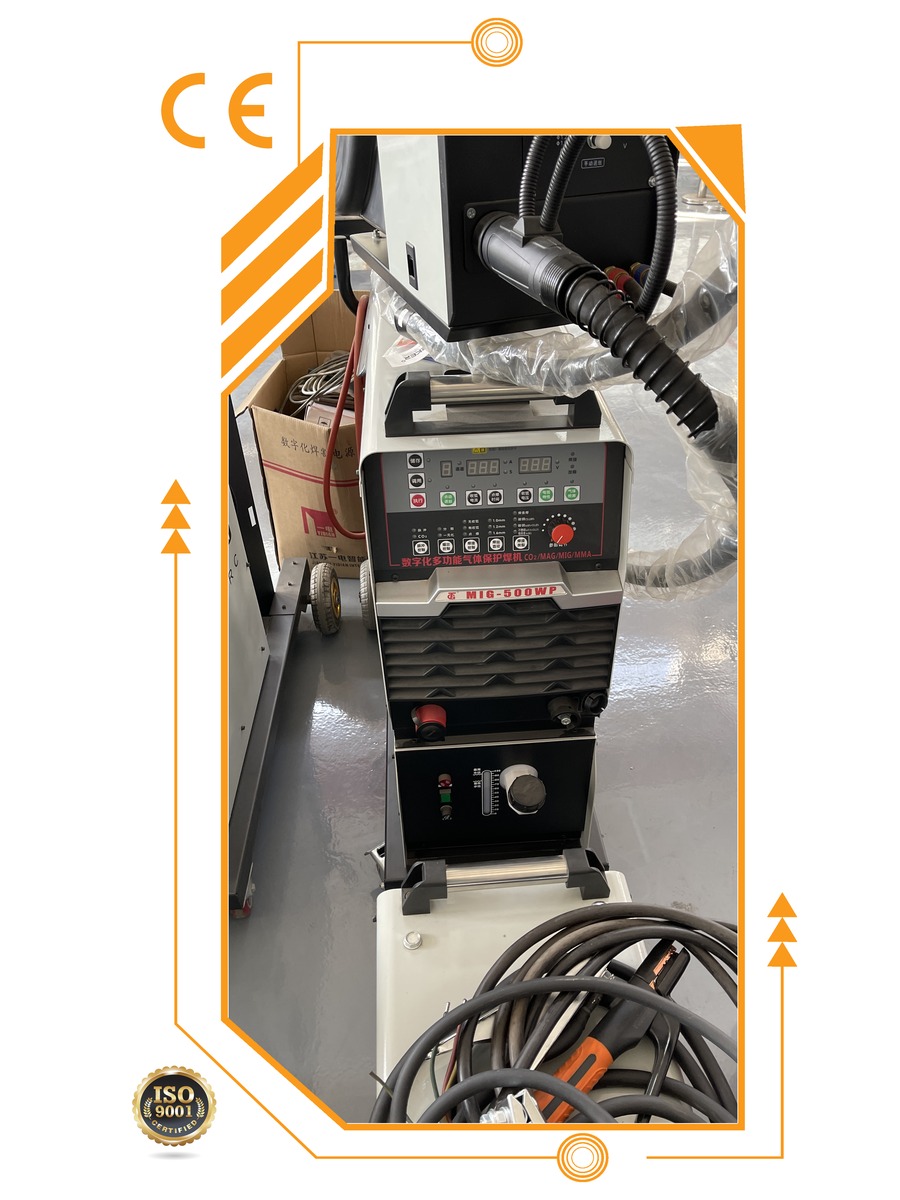
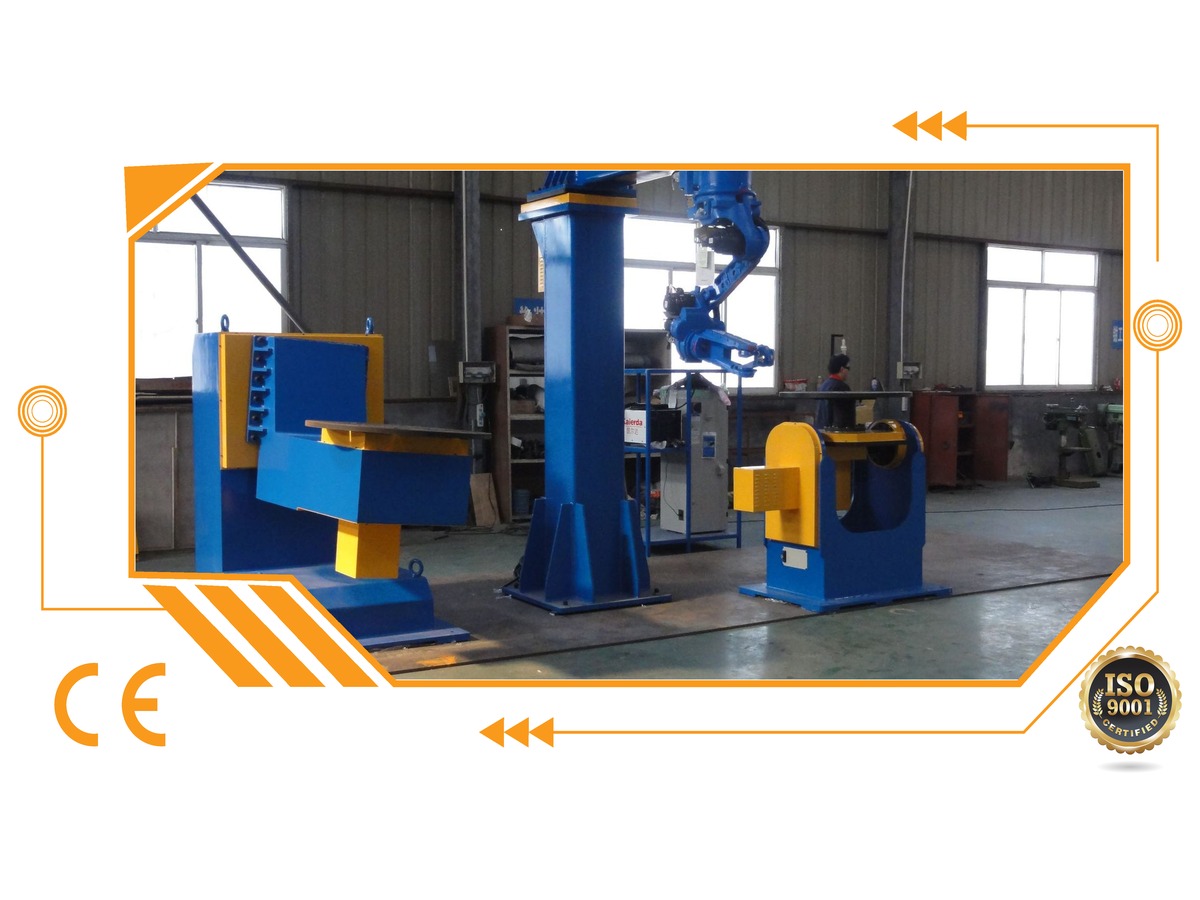
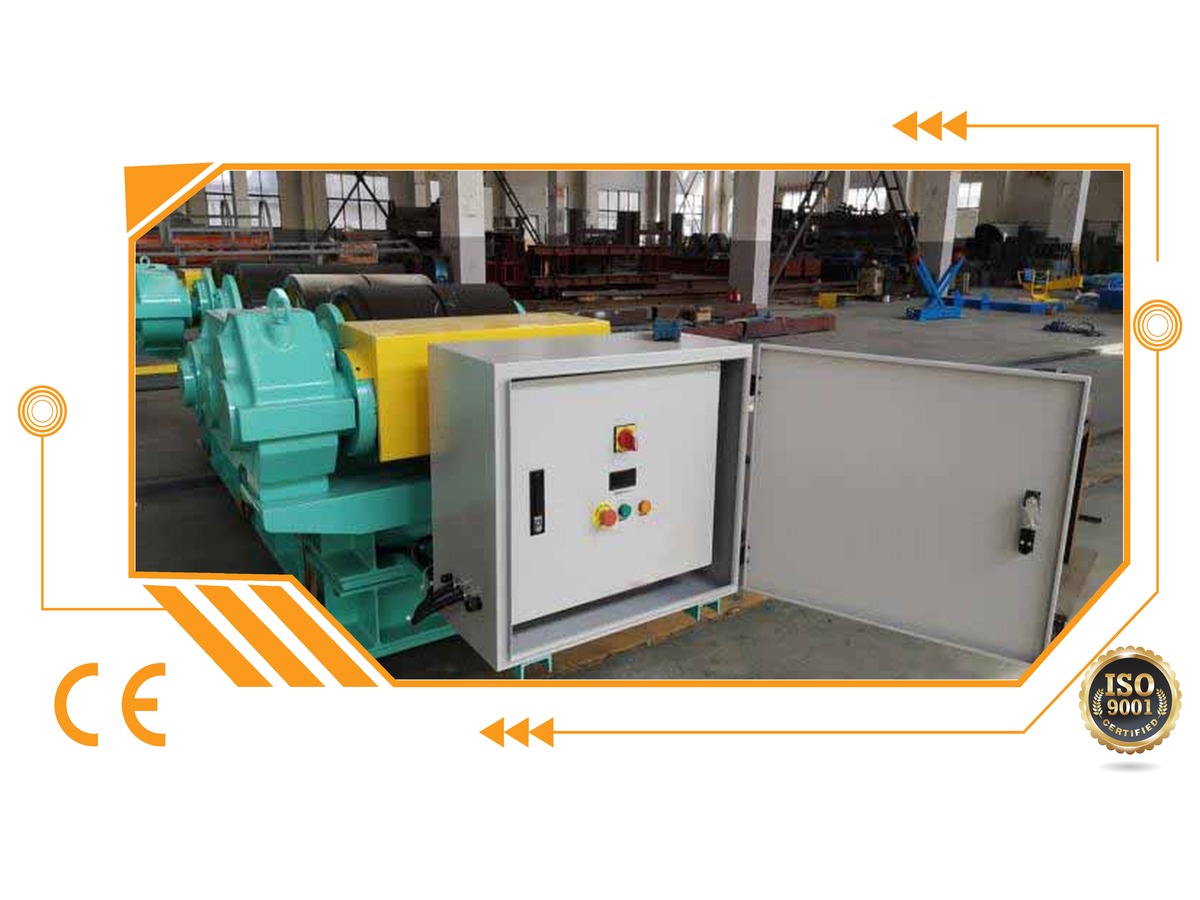
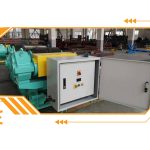
Advanced MIG Welding Control Panel

## Choosing the Right Equipment for B2B and Foreign Trade

Selecting the appropriate MIG welding equipment for B2B operations involves careful consideration of market-specific requirements, export compliance, and long-term scalability. Here are key factors to evaluate:

### **1. Certification and Standards Compliance**
Ensure that the welding equipment meets international certifications such as CE, ISO, and OSHA standards. These certifications are often a prerequisite for exporting to countries with strict import regulations. For example, equipment exported to the EU must adhere to the Machinery Directive (2006/42/EC), while products sent to the U.S. may require compliance with OSHA guidelines.

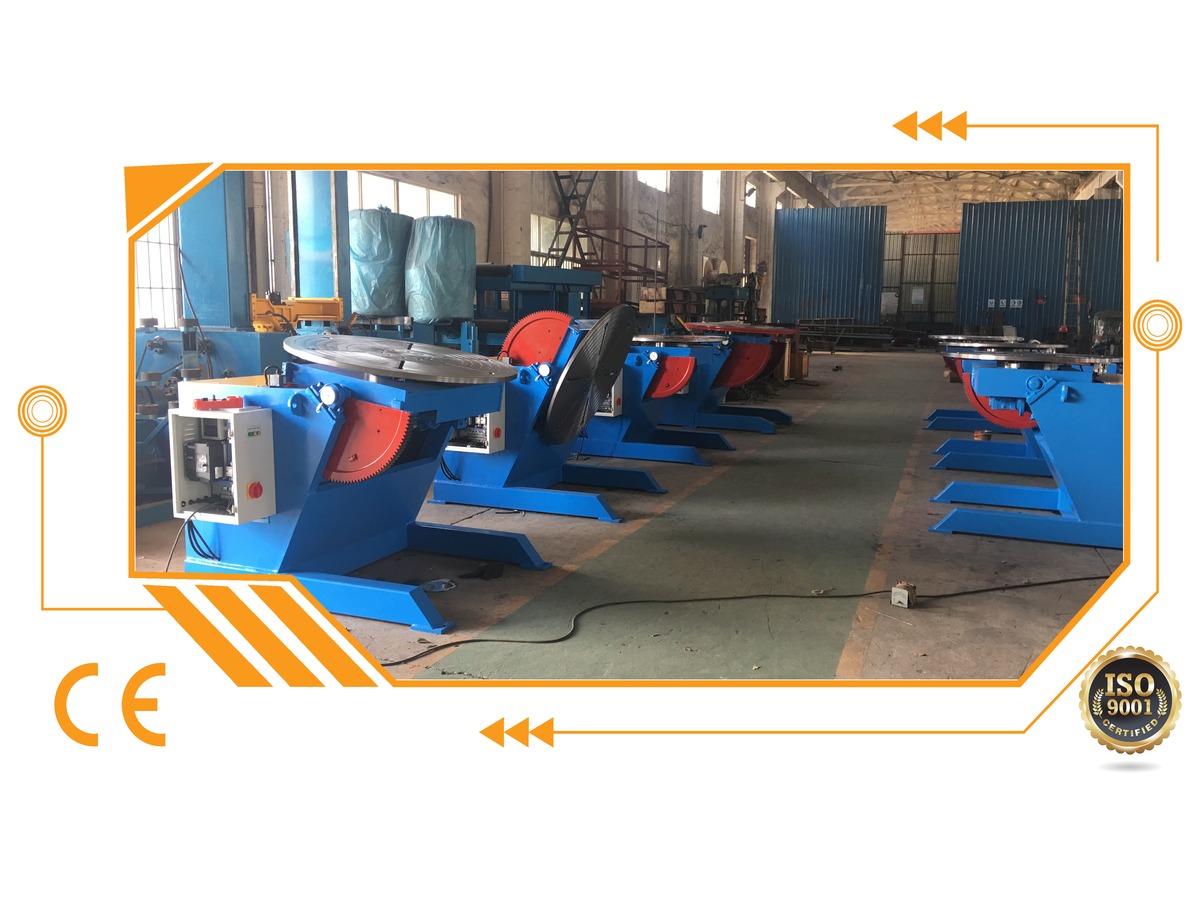
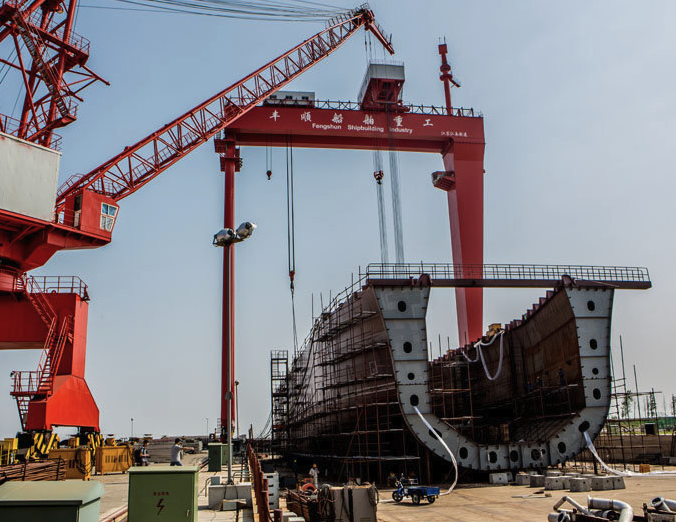
Professional MIG Welding Equip - Desan Electric Equipment

### **2. Customization Options**
B2B clients in foreign markets may have unique welding needs, such as specialized materials or environmental conditions. Opt for manufacturers that offer customizable solutions, such as adjustable wire diameters, dual voltage capabilities, and support for both thin-gauge and thick materials.

### **3. After-Sales Support and Spare Parts Availability**
Reliable after-sales service is critical for B2B operations, especially in foreign trade. Look for suppliers that provide global technical support, spare parts availability, and training programs. This ensures minimal downtime and long-term value for your investment.

### **4. Cost-Benefit Analysis**
While initial costs may vary, it’s important to evaluate the total cost of ownership, including maintenance, energy efficiency, and productivity gains. High-quality equipment may have a higher upfront cost but can lead to significant savings over time through reduced waste, increased output, and lower repair rates.

### **5. Brand Reputation and Market Presence**
Established brands with a strong presence in international markets are often preferred for B2B transactions. Companies with proven track records in exporting welding equipment are more likely to offer reliable products, competitive pricing, and tailored solutions for global clients.

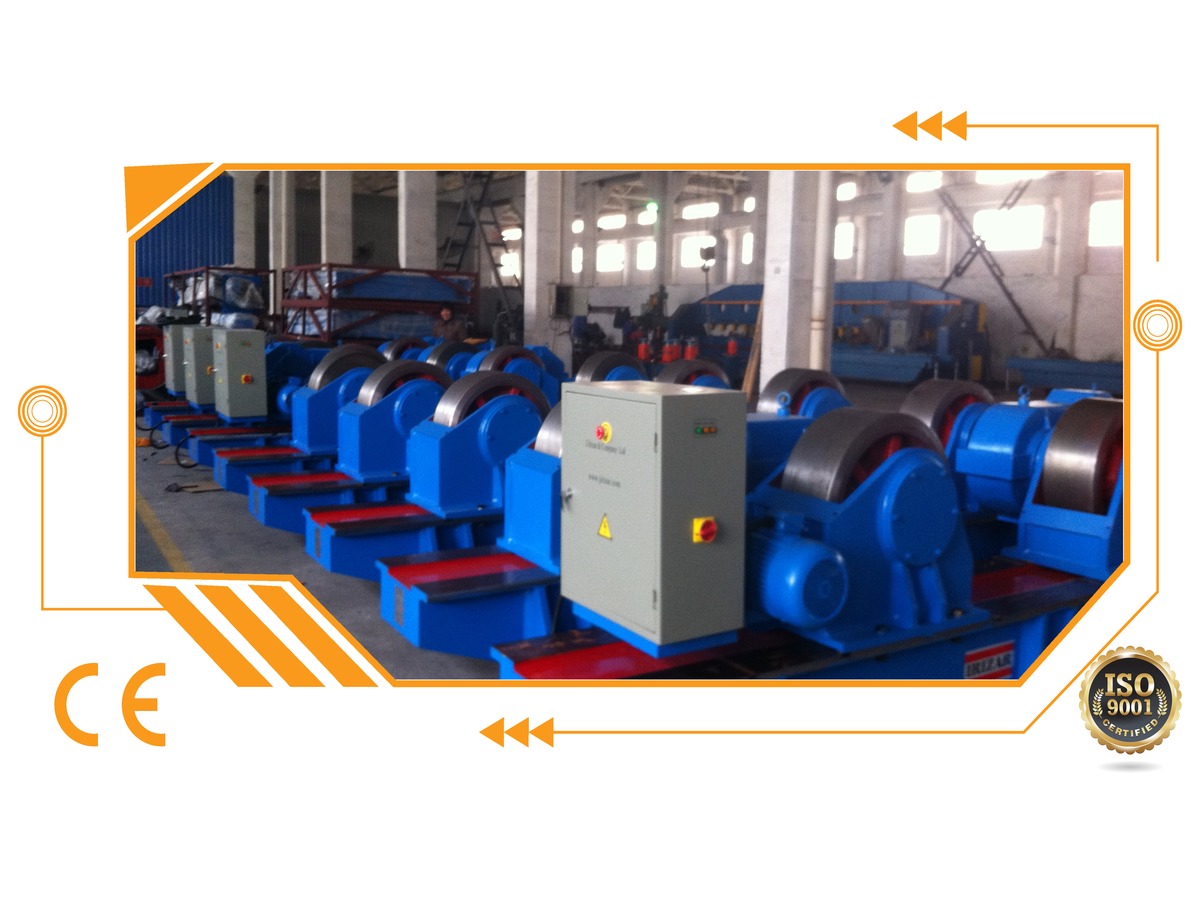
MIG Welding Equipment Export Packaging

## The Impact of MIG Welding on Global Supply Chains

As globalization continues to reshape supply chains, the role of professional MIG welding equipment in ensuring seamless production and logistics cannot be overstated. For B2B companies involved in international trade, the ability to produce high-quality, defect-free welds is essential for maintaining the integrity of goods during transportation and installation.

### **1. Enabling Mass Production for Export**
MIG welding’s speed and efficiency make it ideal for large-scale manufacturing, which is a common requirement in B2B sectors such as automotive and construction. By investing in high-capacity MIG welders, manufacturers can meet tight deadlines and fulfill bulk orders for international clients.

### **2. Facilitating Cross-Border Collaboration**
Modern MIG welding equipment often comes with digital interfaces and connectivity features that allow for remote monitoring and troubleshooting. This is particularly beneficial for B2B enterprises collaborating with overseas partners, as it enables real-time support and reduces the risk of production delays.

### **3. Supporting Diverse Material Requirements**
Global trade involves working with a wide range of materials, from stainless steel to aluminum alloys. Professional MIG welders are designed to handle these materials effectively, ensuring that exported products meet the specific requirements of different markets.

### **4. Enhancing Quality Assurance for International Clients**
Consistent weld quality is a key selling point for B2B exporters. By using advanced MIG welding systems, manufacturers can provide documentation such as weld inspection reports and compliance certificates, which are often required by foreign buyers.

## Future Trends in MIG Welding Technology for B2B Markets

The welding industry is constantly evolving, with new technologies and innovations emerging to meet the demands of B2B and foreign trade. Here are some trends shaping the future of MIG welding equipment:

### **1. Integration with AI and IoT**
Smart MIG welders equipped with AI algorithms and IoT capabilities are becoming increasingly popular. These systems can analyze welding data in real time, adjust parameters automatically, and predict maintenance needs—enhancing efficiency and reducing downtime.

### **2. Sustainability-Driven Innovations**
As environmental regulations tighten, manufacturers are developing MIG welders that use less energy, produce fewer emissions, and incorporate eco-friendly materials. This aligns with the growing demand for sustainable solutions in global trade.

### **3. Enhanced User Experience**
Future MIG welding equipment is likely to focus on improving user experience through intuitive interfaces, mobile app integration, and ergonomic designs. This will make training and operation easier, particularly for businesses operating in diverse regions.

### **4. Expansion into Emerging Markets**
With the rise of manufacturing hubs in Asia, Africa, and Latin America, there is a growing demand for affordable yet high-quality MIG welding solutions. B2B companies are capitalizing on this by offering localized support, competitive pricing, and tailored product designs.

## Conclusion: Leveraging Professional MIG Welding Equipment for Global Success

In the competitive landscape of B2B and foreign trade, the quality and reliability of MIG welding equipment can make or break a business’s success. By investing in professional-grade systems, manufacturers can ensure consistent product quality, compliance with international standards, and operational efficiency. These advantages are particularly crucial for companies exporting to markets with stringent regulations or demanding clients.

As the global economy becomes increasingly interconnected, the need for advanced MIG welding solutions will only grow. B2B enterprises that stay ahead of the curve by adopting cutting-edge technology, prioritizing sustainability, and building strong supplier relationships will position themselves as leaders in the international market. Whether you’re expanding your export portfolio or optimizing your production line, professional MIG welding equipment is a cornerstone of long-term success in the global trade arena.

By aligning your welding operations with the latest industry trends and leveraging the expertise of trusted suppliers, you can unlock new opportunities for growth, innovation, and profitability in the B2B and foreign trade sectors.

Leave a Comment

Your email address will not be published. Required fields are marked *

Related Post